Apple's iOS 26 introduces a beta Live Translation feature for AirPods, enabling real-time translation across nine languages during face-to-face conversations, with impressive accuracy but some delays and technical hiccups, making it a promising tool for basic communication in foreign languages.

The article explores the capabilities and limitations of the AirPods Pro 3's real-time translation feature, finding that while it shows promise, it is not yet reliable enough to replace subtitles for foreign films, highlighting the ongoing challenges in achieving seamless, accurate language translation in media.
Apple's new AirPods Pro 3 feature live translation, promising to revolutionize travel by enabling seamless communication across languages, though concerns about over-reliance on AI and potential impacts on language learning remain.
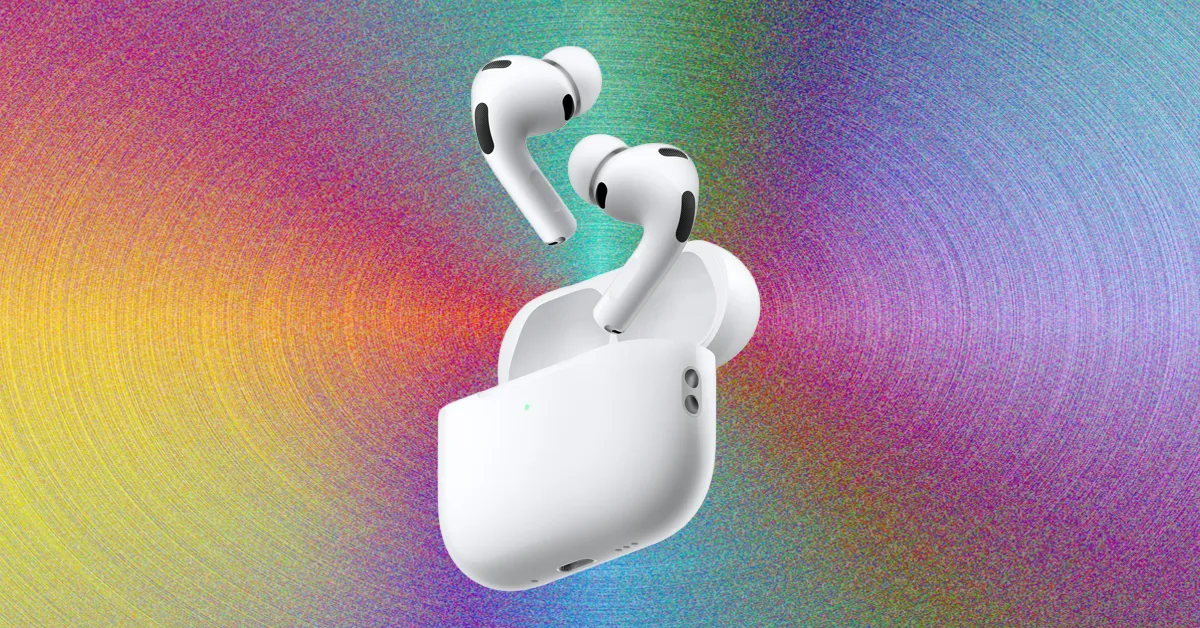
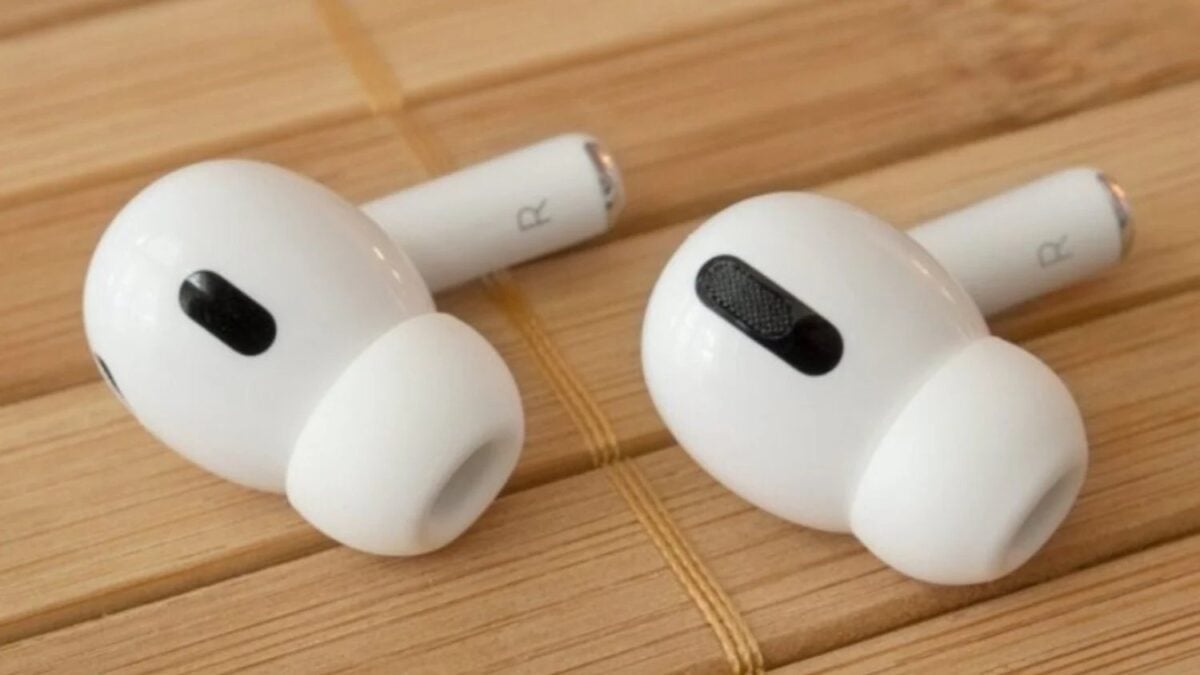
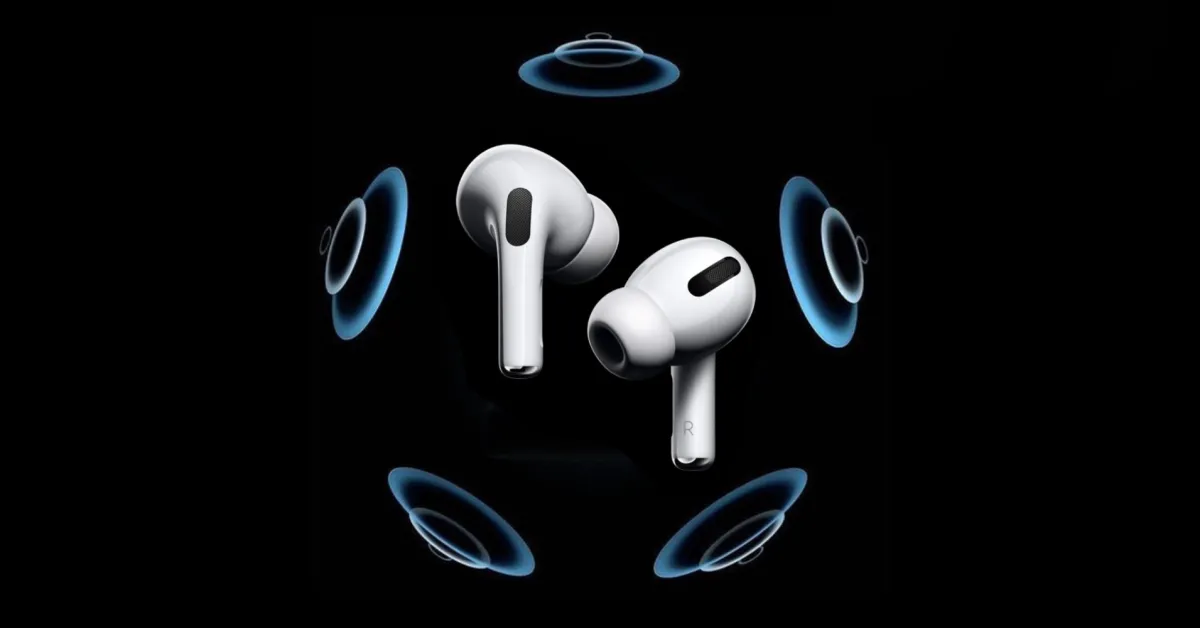
Apple's AirPods Pro 3 are the best iteration yet, offering improved noise cancellation, longer battery life, better fit, added features like heartbeat monitoring and real-time translation, and excellent sound quality, making them the top choice for iPhone users.
The upcoming AirPods Pro 3 are expected to feature a slimmer case, seamless pairing, improved comfort, a powerful H3 chip for better noise cancellation and audio quality, health sensors for fitness tracking, and real-time translation capabilities, representing a significant upgrade in wireless earbuds technology.
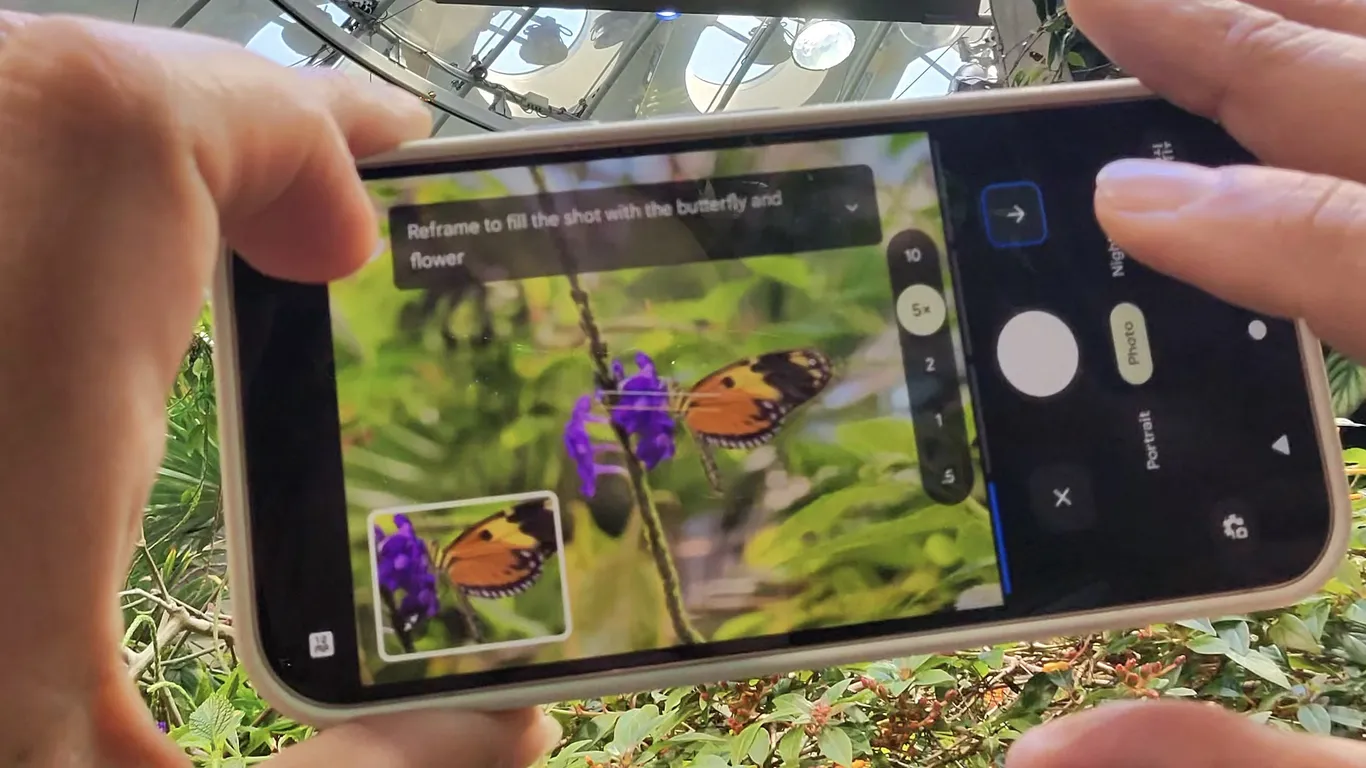
Google's Pixel 10 lineup leverages advanced AI to enhance photography, real-time voice translation, and personalized AI assistance, pushing the boundaries of smartphone capabilities and prompting competitors like Apple to accelerate their AI development, ultimately benefiting consumers with more powerful and user-friendly devices.
Google is launching AI-powered features in Google Translate, including personalized language practice sessions that adapt to skill levels and real-time translation for live conversations in over 70 languages, potentially rivaling dedicated language apps like Duolingo.
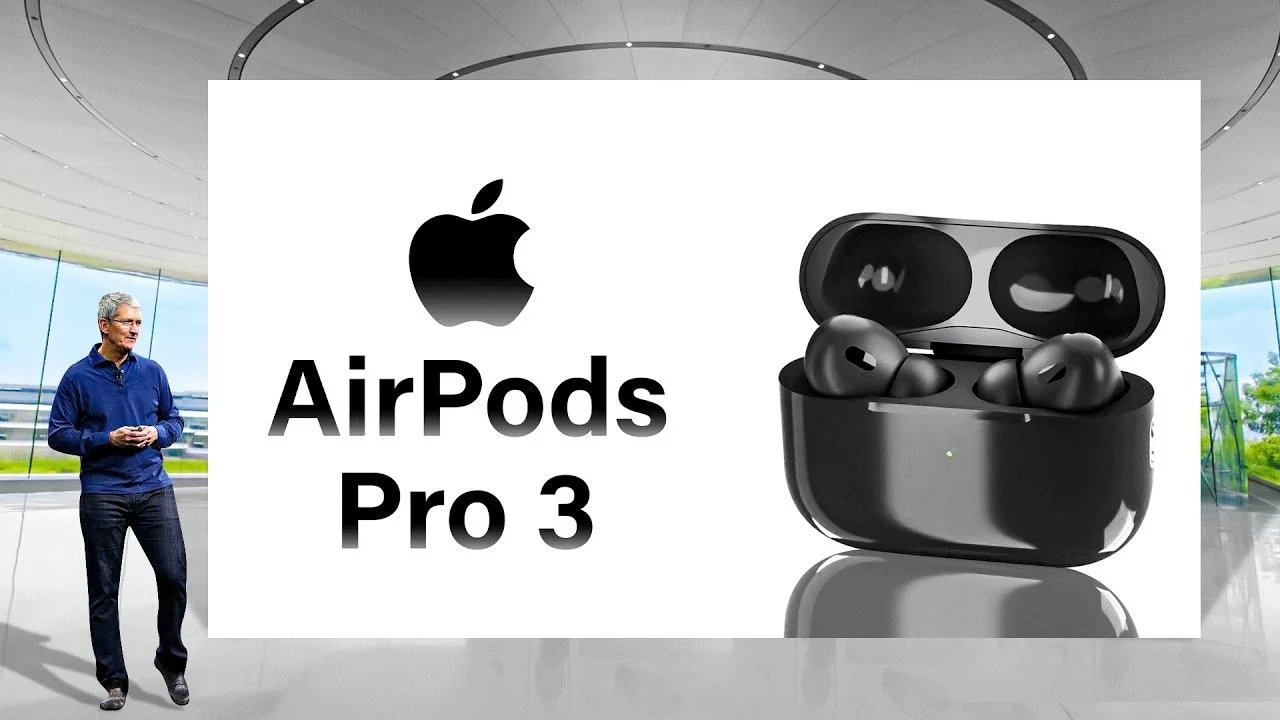
The AirPods Pro 3, expected to launch in September 2025 at $249, will feature a refined design, a new H3 chip for improved sound and noise cancellation, health sensors for monitoring vital signs, real-time translation capabilities, and extended battery life, making them a significant upgrade in Apple's wireless earbud lineup.
Apple is expected to introduce a real-time translation feature for AirPods with the upcoming iOS 26 update, allowing users to translate multiple languages directly into their ears, potentially expanding the practicality and appeal of wireless earbuds in global communication.
Apple is set to launch the AirPods Pro 3 in September 2025, featuring a refined design, the new H3 chip for improved sound and noise cancellation, health tracking capabilities like heart rate and temperature monitoring, and real-time language translation, all at a similar price point to the previous model.
Despite the upcoming release of AirPods Pro 3, the AirPods Pro 2 remain a worthwhile purchase in 2025 due to ongoing software improvements, the switch to USB-C, and current discounts, making them a valuable and up-to-date option for consumers.
Xiaomi has launched AI-powered smart glasses with features like real-time translation, pay-by-glance via Alipay, a 12MP camera, and long battery life, positioning them as strong competitors to Meta's Ray-Ban Meta glasses, with prices starting at $280 and advanced versions up to $420.
Microsoft is integrating an AI-based video translation feature into its Edge browser, enabling real-time transcription and dubbing for videos on various sites, including YouTube, LinkedIn, and Bloomberg. Initially, the feature will support translations between English, Spanish, Italian, Russian, and Hindi, with plans to expand to more languages and sites. This move aims to enhance accessibility and user experience, although concerns about the reliability of fully automatic translations remain.
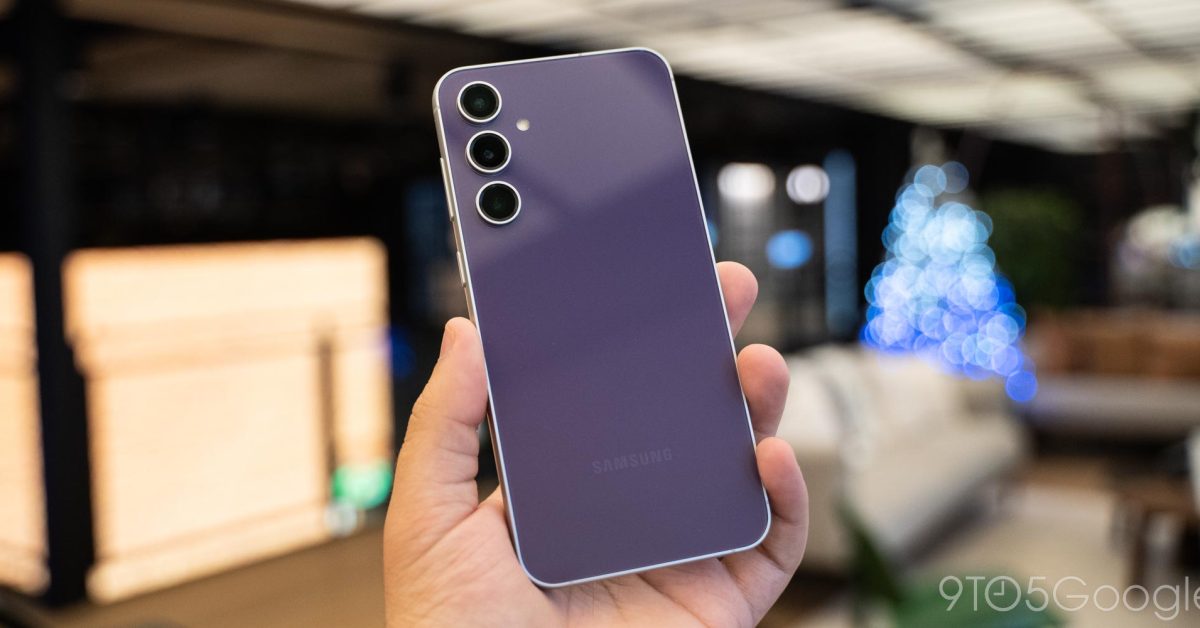
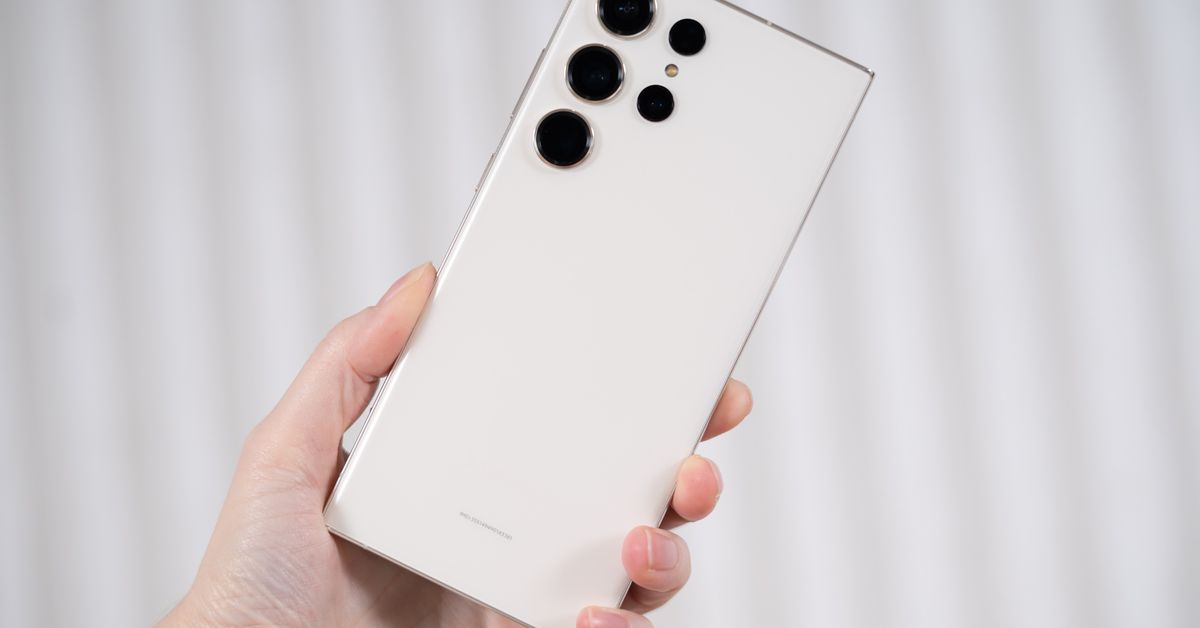
Samsung has announced plans to introduce a new AI feature called "AI Live Translate Call" on its Galaxy phones, allowing users to translate phone calls in real-time with both text and audio translations. The feature will be integrated into the native phone app and will eliminate the need for third-party translation apps. Samsung claims that the translations will happen on-device, ensuring the privacy of conversations. This feature is expected to debut with the launch of the Galaxy S24 series in January 2024.
Samsung has unveiled its plans for "Galaxy AI," a comprehensive mobile AI experience that will be integrated into its smartphones. One of the forthcoming features is "AI Live Translate Call," which will use artificial intelligence to provide real-time translations during phone calls. The translations will occur on the device itself. Samsung's Galaxy AI is expected to be included in the Galaxy S24 lineup of smartphones, set to launch in 2024. This move reflects the increasing focus on AI-powered features among smartphone manufacturers, with Google and Apple also investing in AI capabilities for their devices.