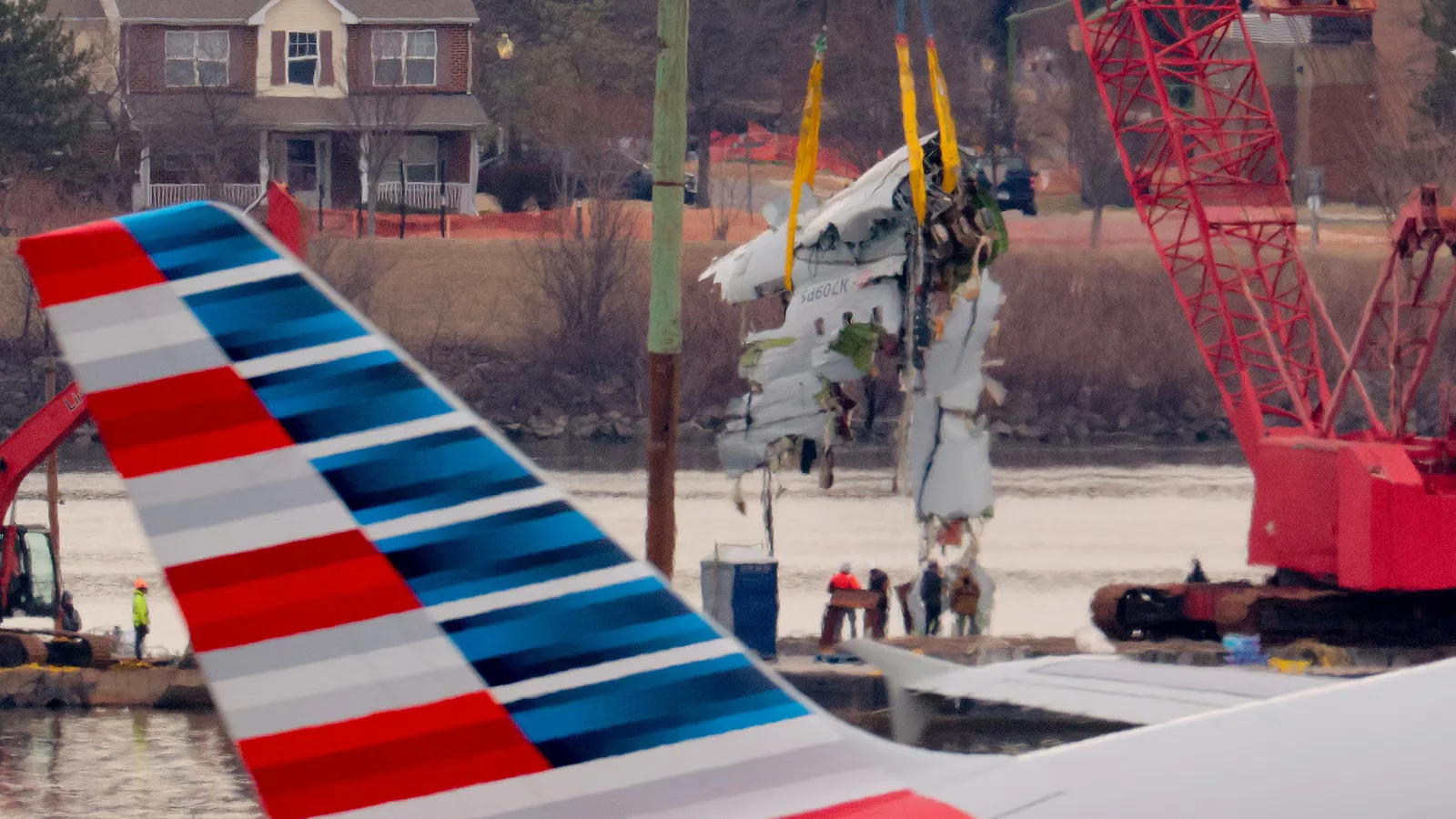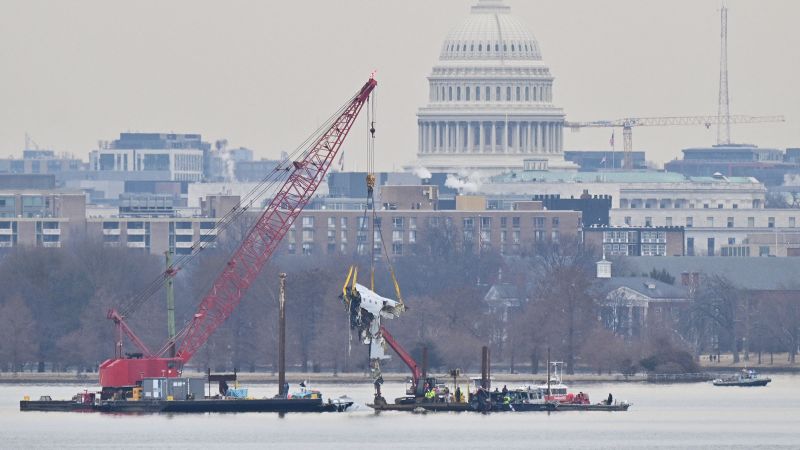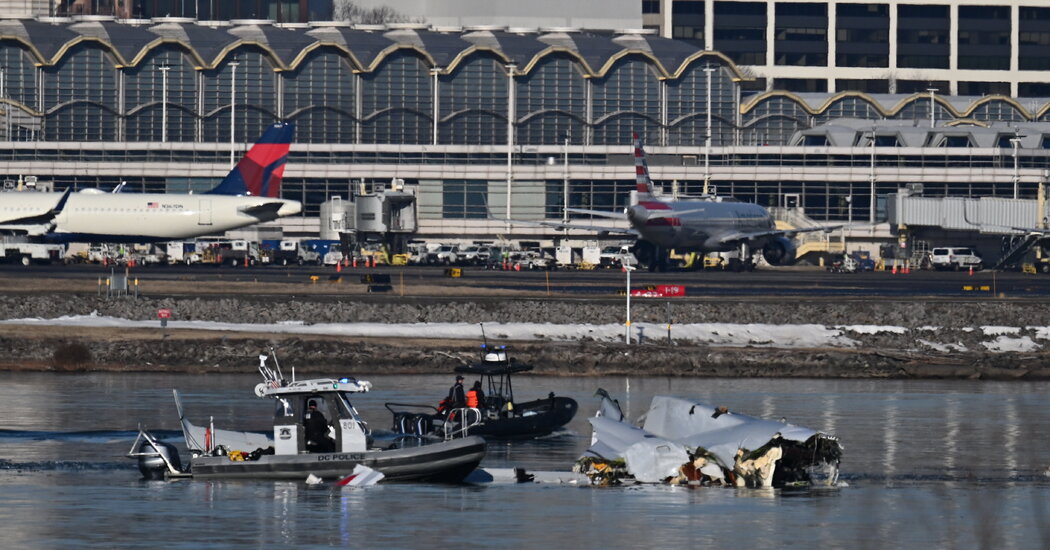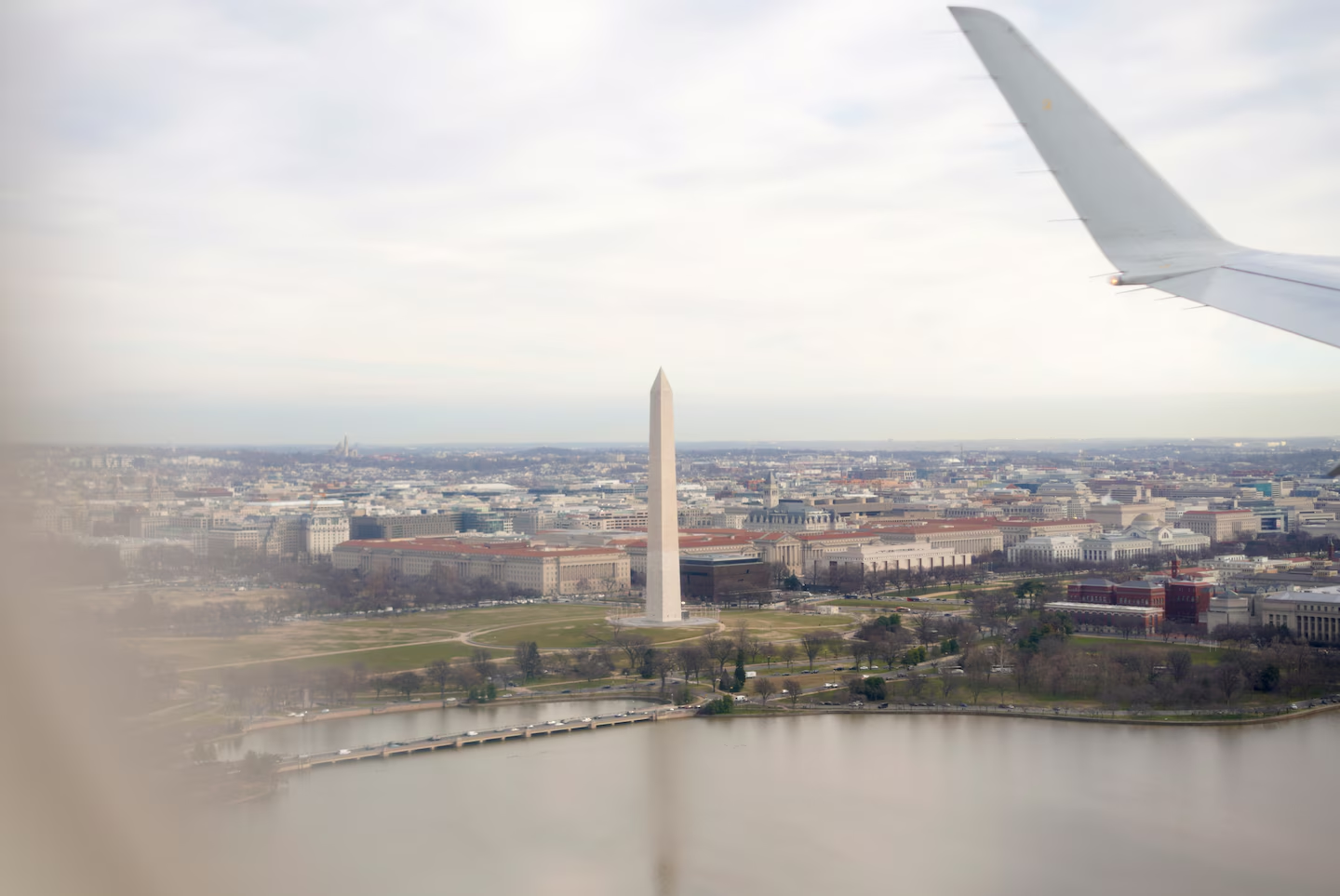
The US government acknowledged some failures and accepted liability in the deadly Jan. 29 mid-air collision over the Potomac River involving a military helicopter and a commercial jet, while denying certain claims of negligence, as part of a civil lawsuit filed by the victims' families.
The US government has admitted responsibility for failures by Army pilots and air traffic controllers in the January 29 midair collision near DC that killed 67 people, as part of a court case brought by victims' families, highlighting collective government failures despite ongoing investigations.
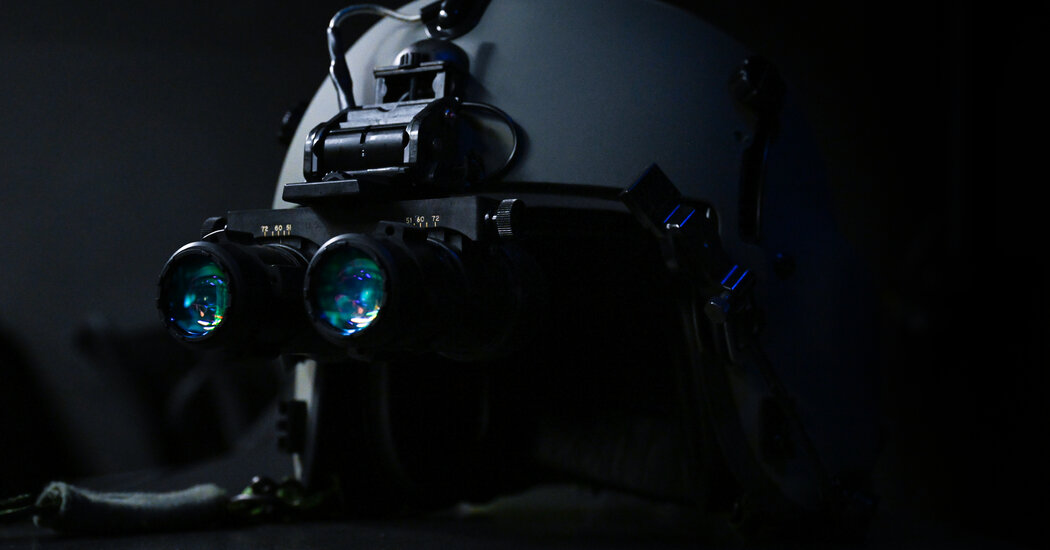
Army helicopter pilots may have struggled to see a passenger jet before their collision near Reagan National Airport due to factors like light pollution, dim aircraft lights, and the limitations of night-vision goggles, which could have contributed to the tragic crash that killed 67 people.
The FAA acknowledged a possible error by air traffic control at Reagan National Airport before a fatal midair collision over the Potomac River on January 29, which resulted in 67 deaths, including failure to warn a passenger jet about an Army helicopter's approach.
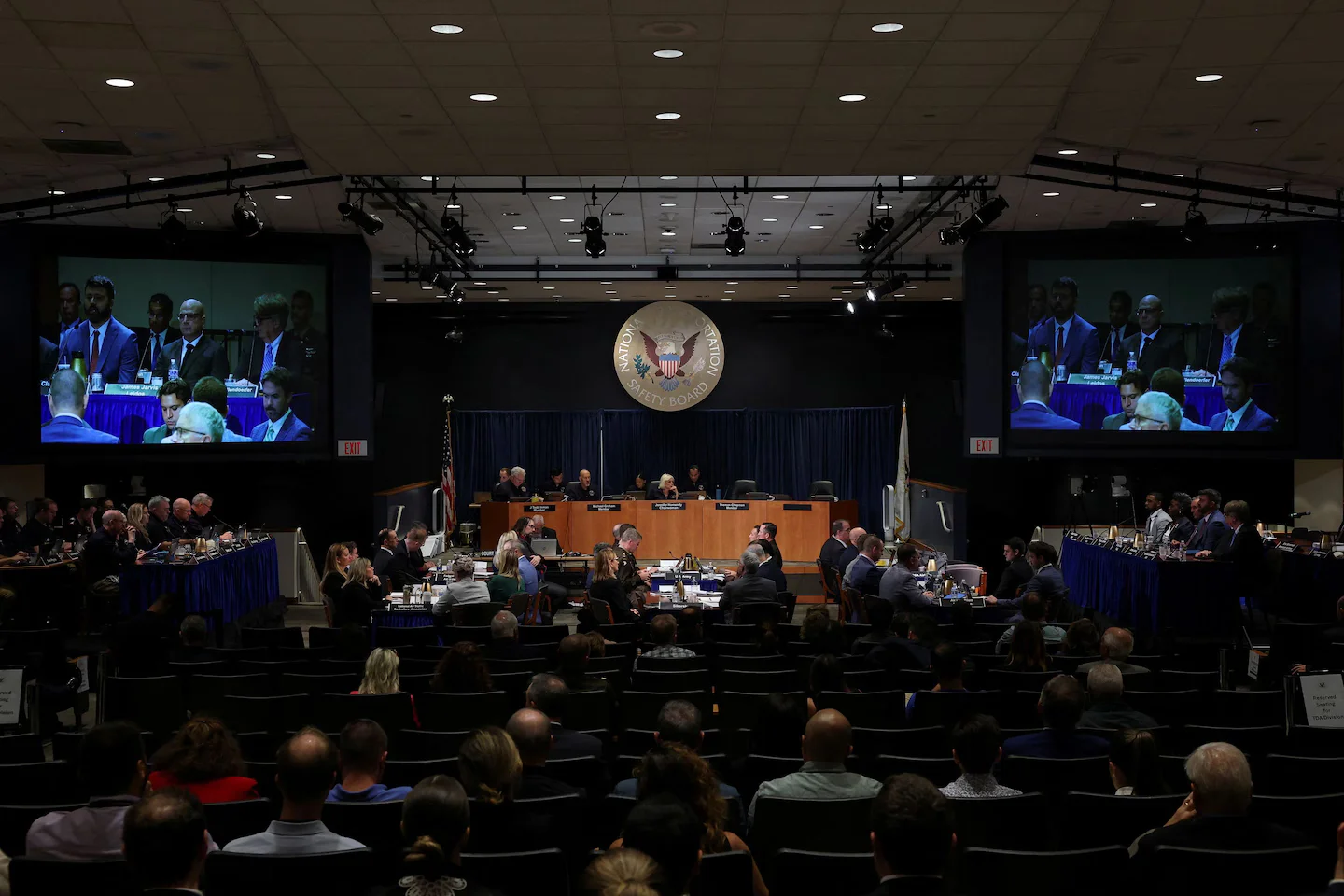
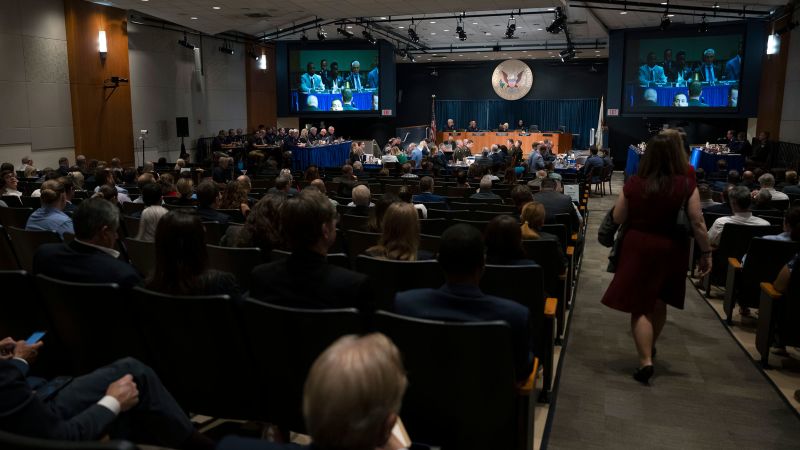
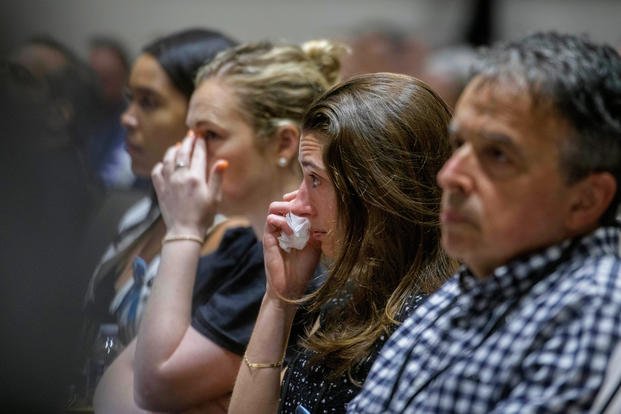
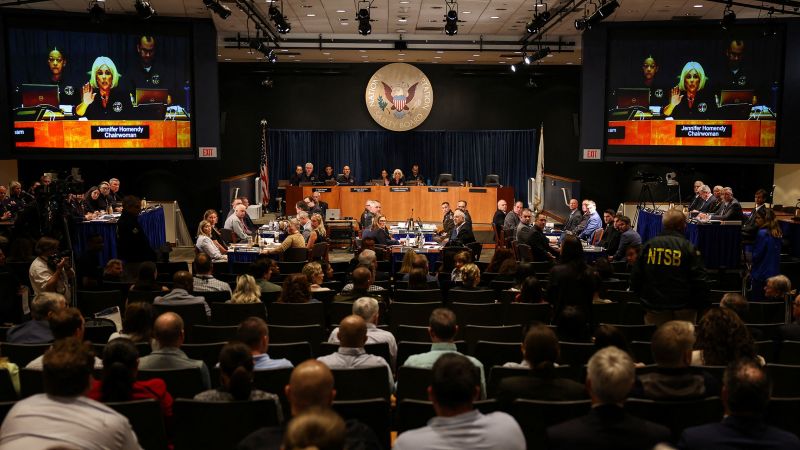
The NTSB is investigating a deadly midair collision at Reagan National Airport, highlighting issues with air traffic control training, traffic management pressures, and safety culture concerns in both FAA and Army aviation, following a crash that killed 67 people.
Investigations into the January midair collision over the Potomac River reveal that the Army helicopter's instruments may have misled pilots about their altitude, contributing to the crash that killed 67 people. The incident involved complex factors including potential altimeter errors, unusual air traffic control practices, and challenging night-time conditions, with public hearings highlighting concerns over safety protocols and equipment updates.
The NTSB investigation into the deadly January midair collision over Washington revealed that the Army Black Hawk helicopter was flying above its altitude limit with inaccurate readings, and that small separation distances and communication issues contributed to the crash, prompting calls for updated technology and stricter regulations.
The NTSB is investigating a deadly midair collision between an Army Black Hawk helicopter and a regional jet near Reagan National Airport, revealing cockpit recordings, collision avoidance alerts, and issues with helicopter altimeters that may have contributed to the crash, which resulted in 67 fatalities.
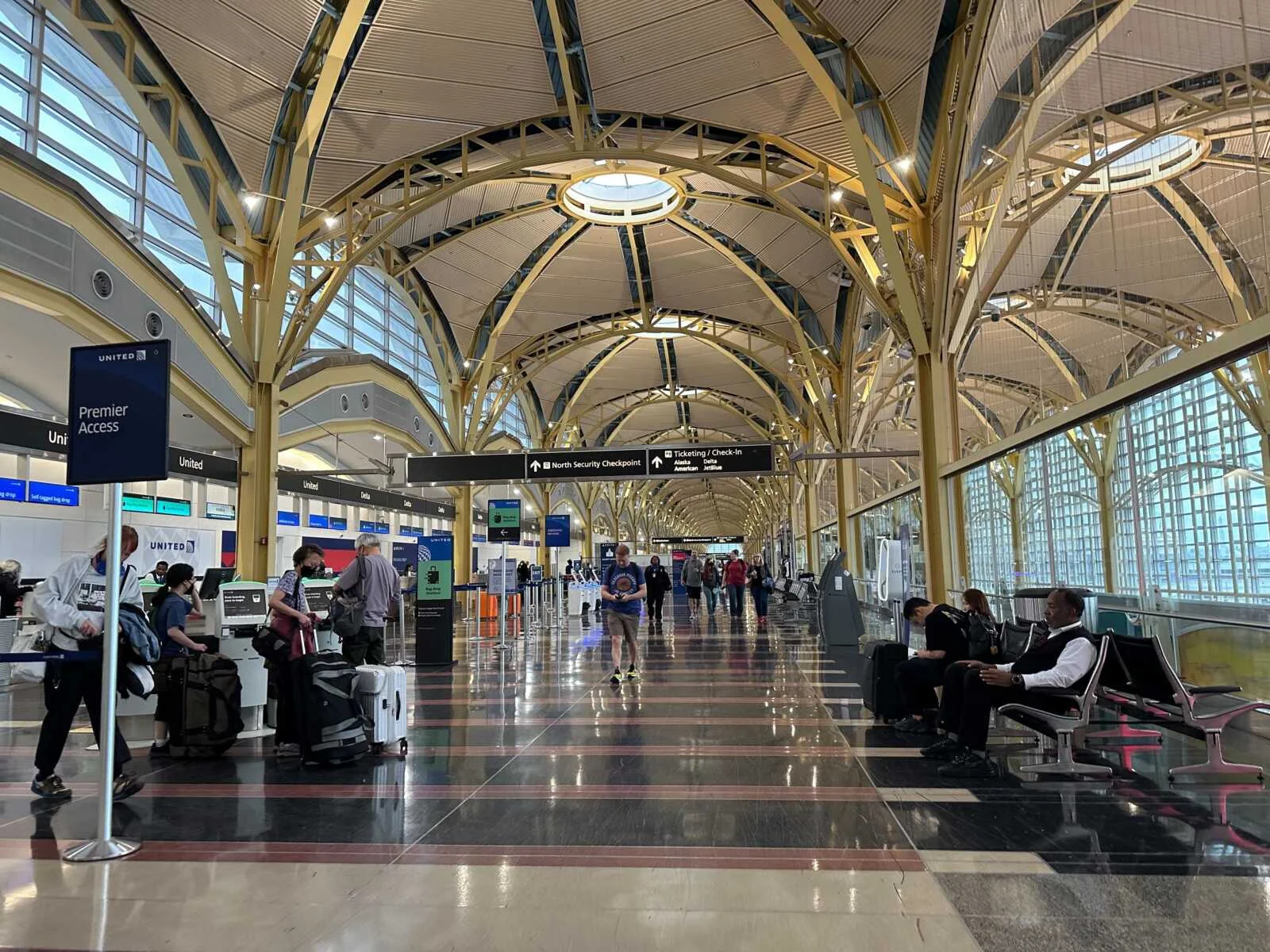
Reagan National Airport in D.C. will close for several hours on June 14 to host military flyovers and celebrations for the U.S. Army's 250th birthday, causing disruptions to over 100 flights and affecting thousands of passengers.
A second near-miss collision at Reagan National Airport within two months has raised concerns about the severe shortage of air traffic controllers. The FAA is investigating the incident, where an American Airlines jet and a King Air plane nearly collided on intersecting runways. Aviation experts and lawmakers, including Sen. Chris Van Hollen, are calling for urgent action to address staffing and training issues to prevent future accidents.
An American Airlines flight at Reagan National Airport had to abort its takeoff to avoid colliding with another plane, coming within 1,300 feet of each other. This incident, the second in recent months, has prompted concerns from D.C.-area lawmakers about the Senate's decision to increase air traffic at the already congested airport. The FAA is investigating the incident.
An American Airlines flight at Reagan National Airport had to abort its takeoff to avoid a collision with a private jet landing on an intersecting runway. This incident, the second near miss at the airport in six weeks, has raised concerns about the safety implications of increasing the number of flights at the already busy airport. The FAA is investigating the incident and emphasized that serious runway incursions are rare and that aviation remains the safest mode of travel.
Lawmakers are criticizing the addition of new flights at Reagan National Airport following a second near-miss incident involving an American Airlines plane. The FAA is investigating the incident, which has raised concerns about the airport's capacity and safety. Congressional representatives argue that increasing traffic at the already congested airport is dangerous and reckless.
A near-collision between an American Airlines plane and a private aircraft at Reagan National Airport has prompted an FAA investigation. The incident, which follows a similar close call last month, has led U.S. Sen. Tim Kaine to criticize a federal bill that would increase flights at the already congested airport. The American Airlines flight was aborted and later took off safely, with no injuries reported.
An American Airlines plane aborted takeoff at the last second to avoid a collision with a private jet landing on an intersecting runway at Reagan National Airport. The incident, the second close call at the airport in just over a month, is under investigation by the FAA. The American Airlines flight eventually took off again after several hours of inspections.