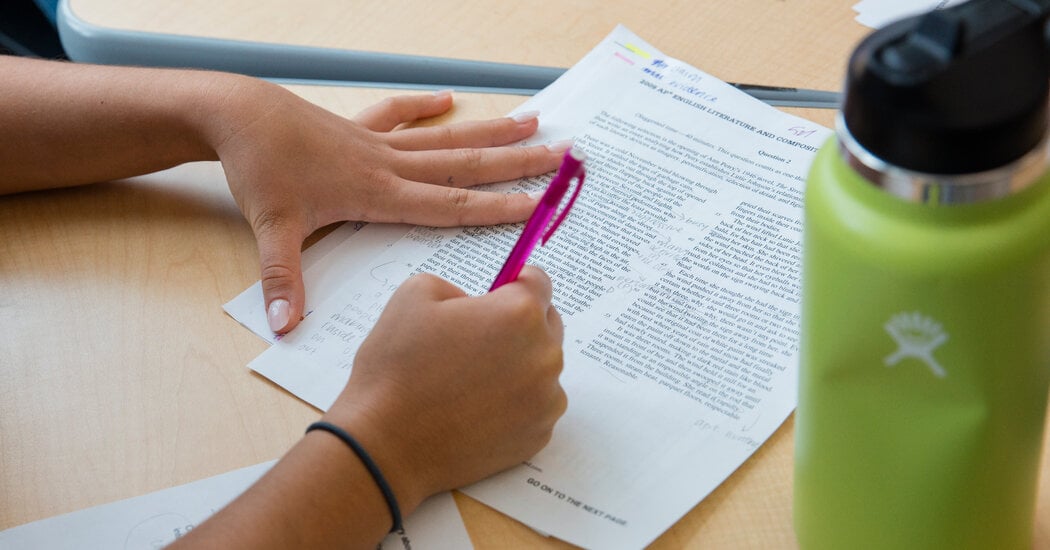
U.S. high school seniors scored their lowest in reading since 1992 and in math since 2005 on the NAEP, with about a third lacking basic reading skills, likely due to increased screen time and the pandemic.
A recent OECD survey reveals that about 20% of adults aged 16 to 65 in wealthy countries have math and reading skills comparable to a primary school student. The study also indicates a decline in adult literacy over the past decade.
A recent OECD survey reveals that approximately 20% of adults aged 16 to 65 in wealthy countries have literacy and numeracy skills comparable to those of primary school students. The study highlights a concerning decline in adult literacy over the past decade.
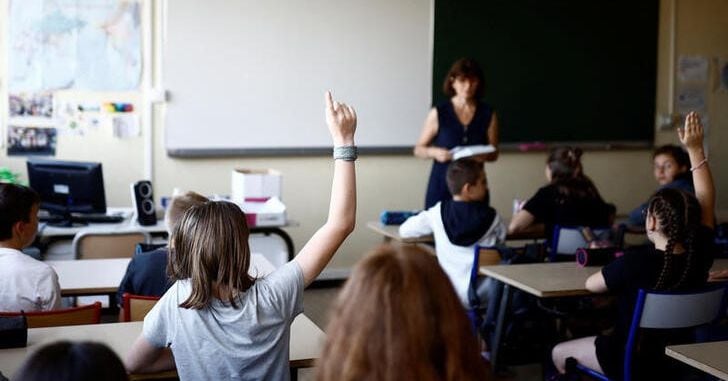
The OECD has reported an unprecedented decline in mathematics and reading skills among teenagers across multiple countries, with COVID school closures only partially to blame. The decline in performance since 2000 has been particularly steep, with reading scores falling by an average of 10 points and mathematics scores by 15 points. Germany, Iceland, the Netherlands, Norway, and Poland saw significant drops in mathematics scores. One in four 15-year-olds tested were classified as low performers in mathematics, reading, and science. The OECD emphasized the need for policymakers to address underlying structural factors in education systems and highlighted Singapore as a top performer in all subjects.