Spring training opens with five exhibitions today as MLB clubs return; Orioles’ Jordan Westburg is sidelined with oblique and elbow issues awaiting imaging, potentially opening more at-bats for Coby Mayo at third; Rays right-hander Edwin Uceta heads for shoulder imaging, which could affect their late-inning plans if he’s out.
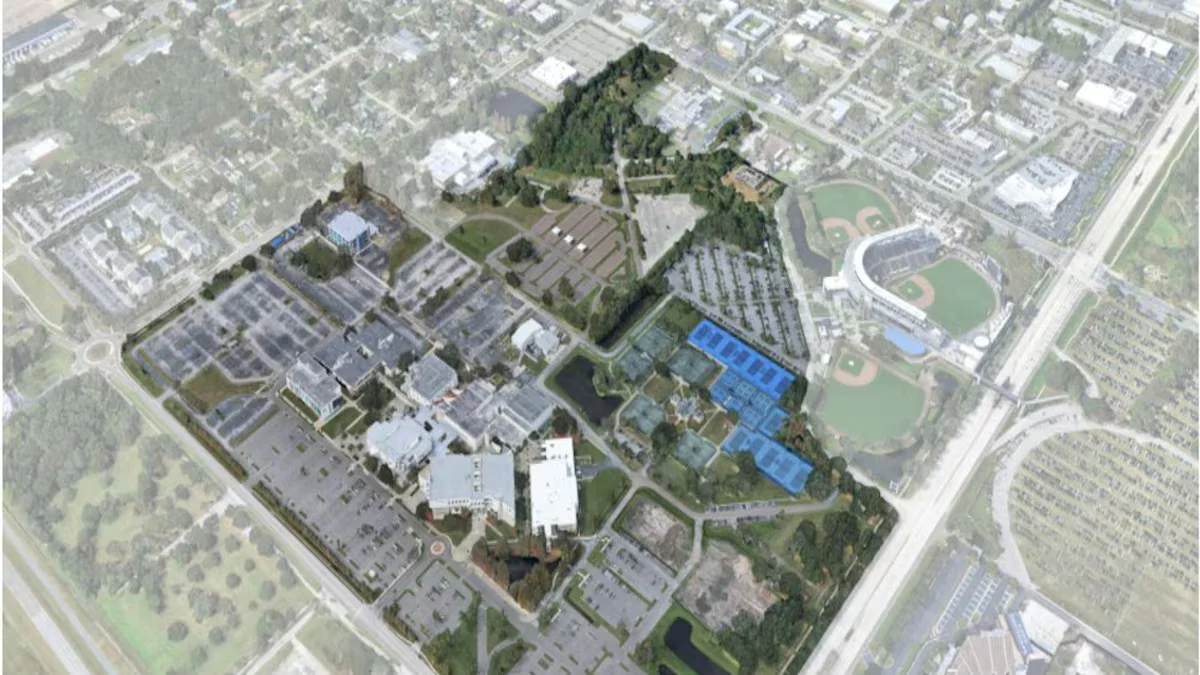
Newly owned Rays are pursuing a $2.3 billion stadium at Hillsborough College with a $8–$10 billion mixed-use development around it, seeking roughly half the cost from the team and the rest from public funds. The plan faces political hurdles in Tampa and Hillsborough County, a potential relocation threat, and an exclusive 180‑day negotiating window, as MLB signals urgency on stadium solutions amid expansion talks.
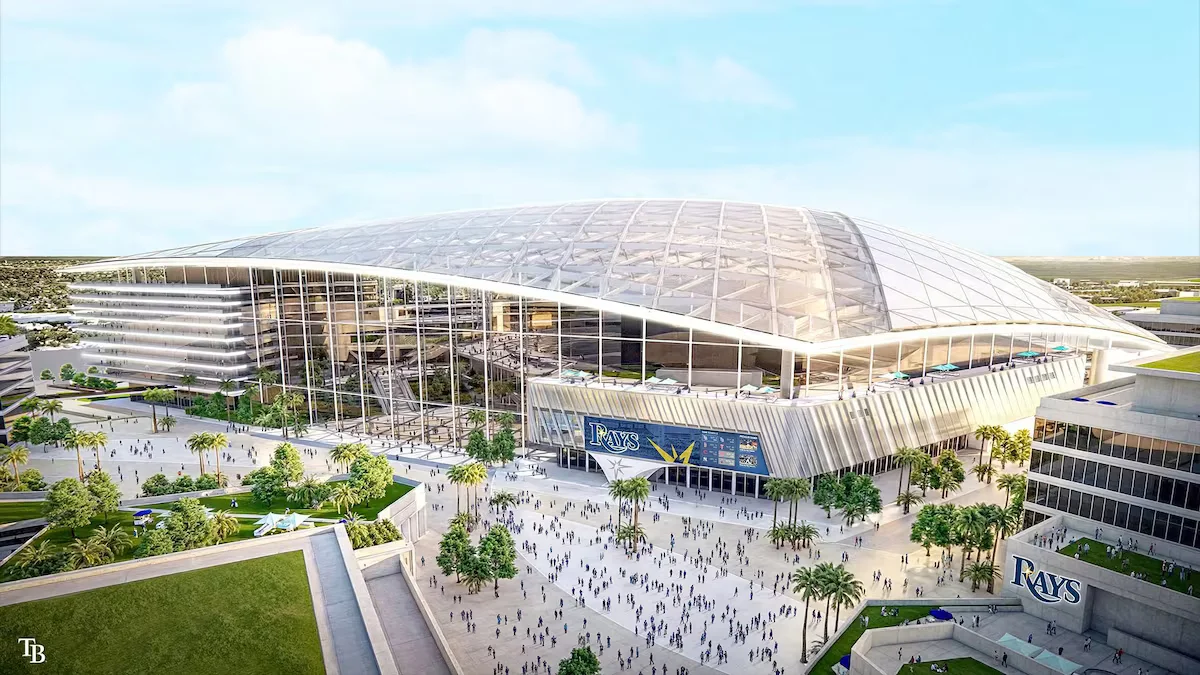
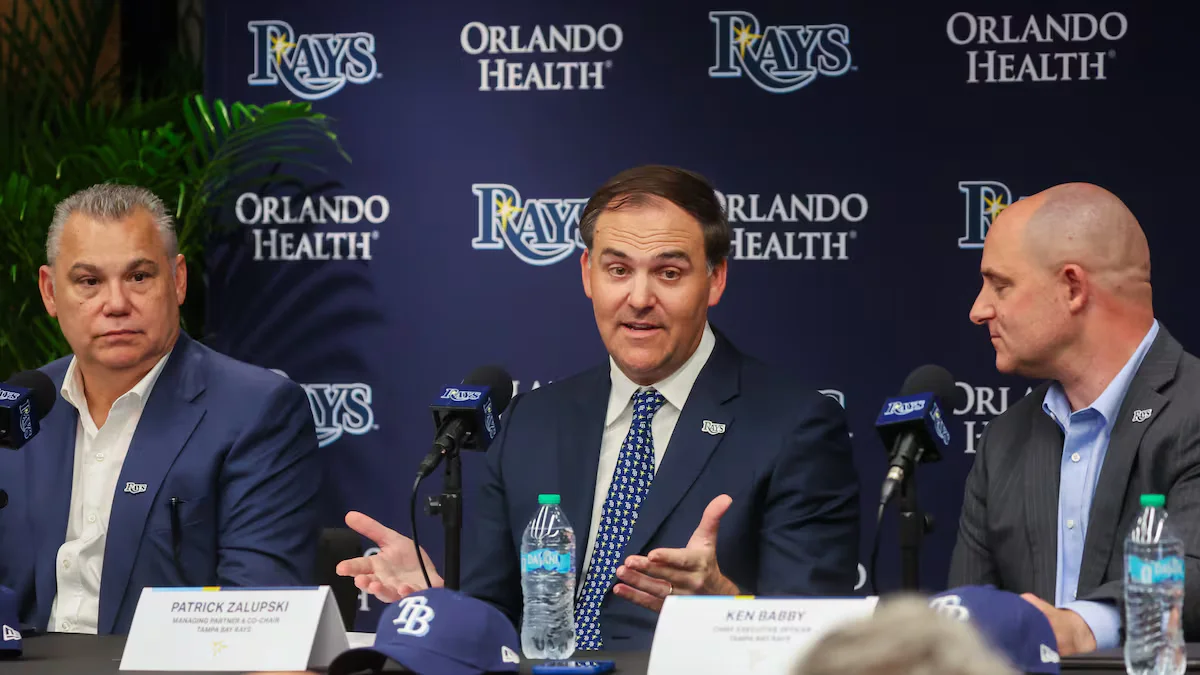
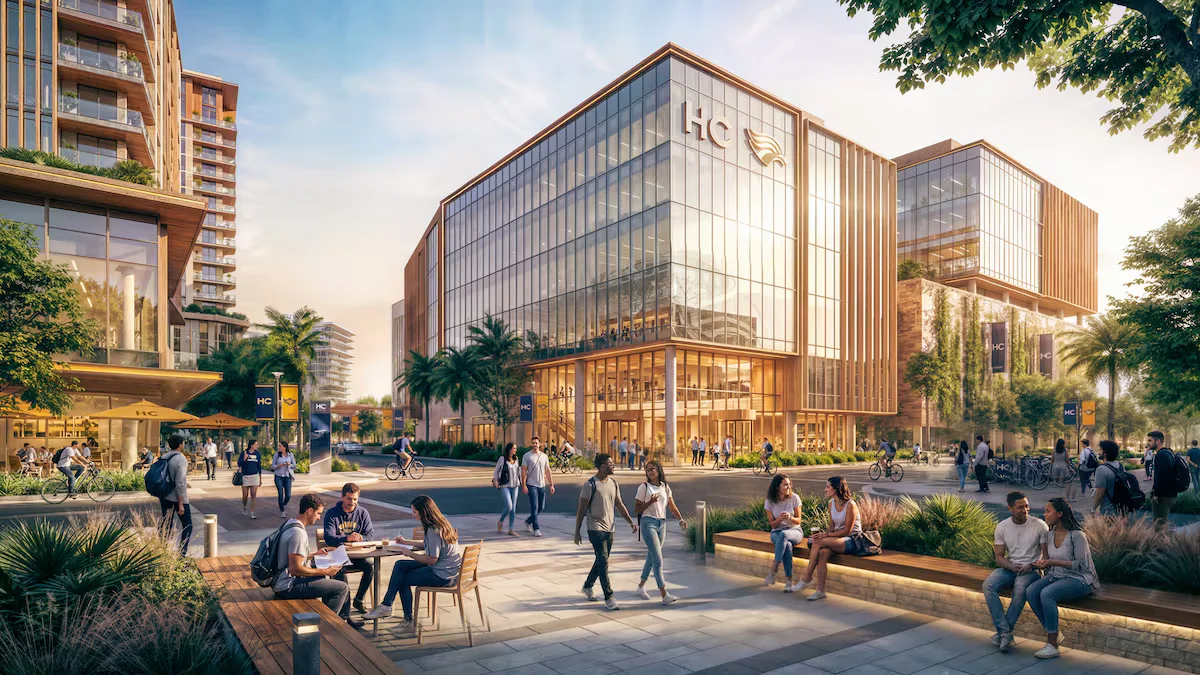
The Rays released initial renderings for a 31,000-seat, roofed stadium at the Hillsborough College site as part of a privately financed live/work/learn/play complex aiming for a 2029 opening; the team plans $19.98 deposits for early seating access, with county funding discussions and broad community input as designs evolve.
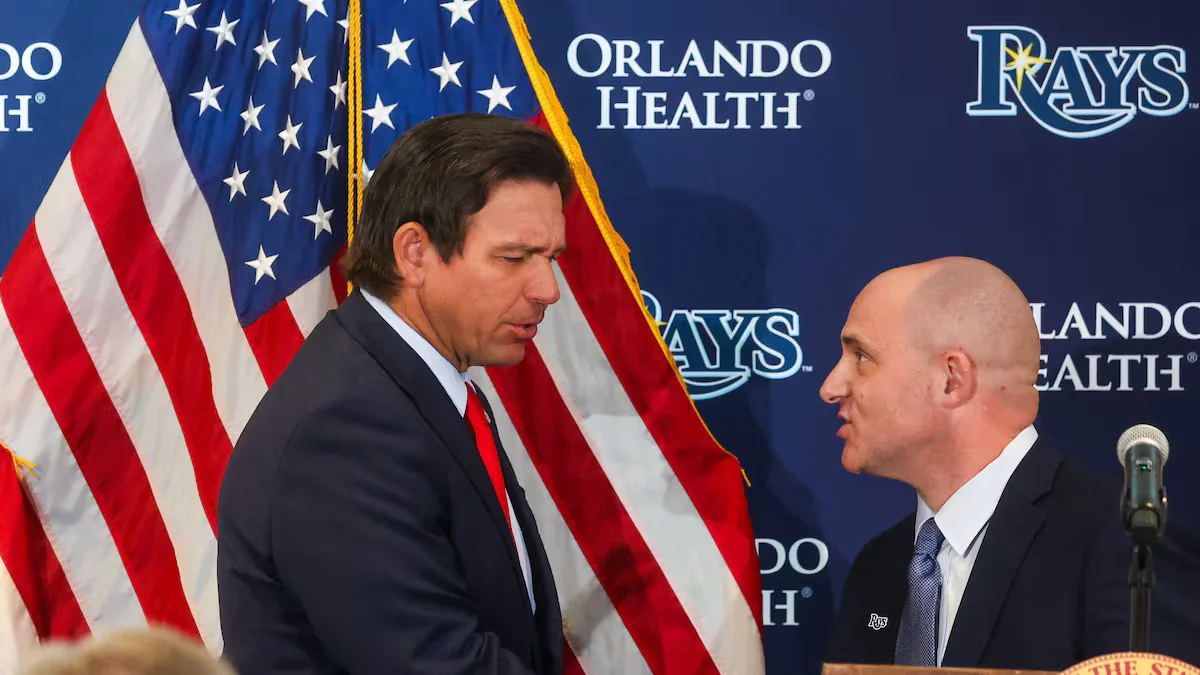
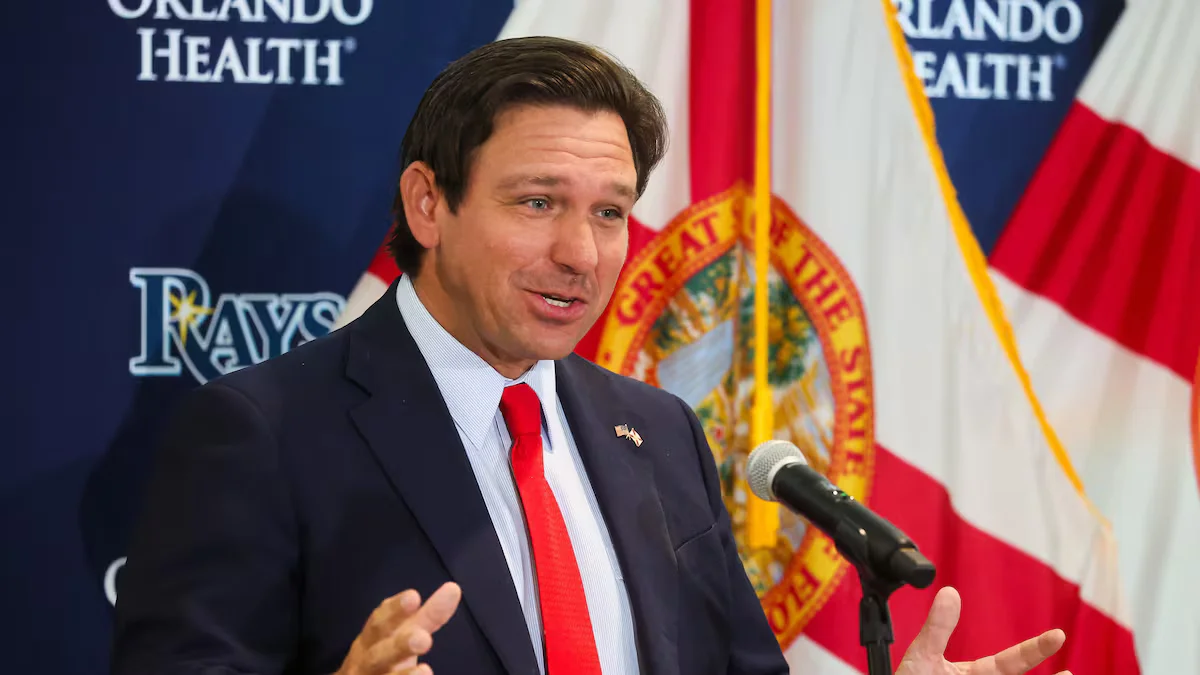
Gov. Ron DeSantis publicly backed a Rays stadium at Hillsborough College, signaling a public-private approach and potentially giving political cover to local leaders to approve funding that could total more than $1 billion, though key details on land use, costs, and revenue sources remain unresolved.
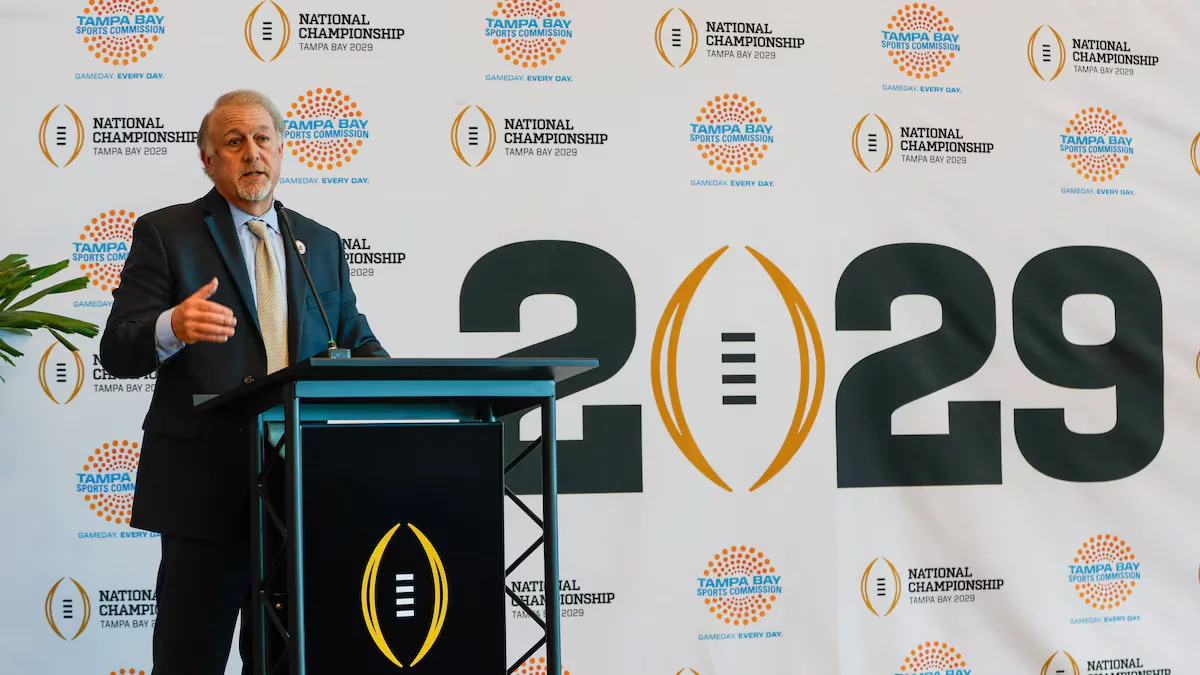
Gov. Ron DeSantis, MLB Commissioner Rob Manfred and other officials voiced support for the Rays' plan to build a ballpark on Hillsborough College's Dale Mabry campus, but financing remains contentious as the team seeks public funds up to roughly $2.3 billion; Rays say they will cover at least 50% and rely on public sources like tourism taxes, sales taxes, and property taxes. Local leaders, including Mayor Castor, remain skeptical about using taxpayer money; a 180-day exclusive negotiation window has begun, with the target opening around 2029 and past financing efforts having stalled.
The Tampa Bay Rays say they will cover a minimum of 50% of a new Hillsborough County ballpark’s construction costs (including overruns and ongoing maintenance) in exchange for public funding that could cover up to 50% from sources like tourism taxes, hotel taxes, a Community Investment Tax, a nearby development district, and other local fees; the planned stadium near Hillsborough College on Dale Mabry could cost about $2.3 billion, with terms not yet finalized and a county meeting scheduled to discuss a term sheet. The Rays would bear all financial risk and guarantees, with potential state involvement to be determined.
The Tampa Bay Rays are moving their local TV rights from FanDuel Sports Network to Major League Baseball’s in-house group, making in-market games available via traditional cable/satellite providers and through the MLB streaming app with limited local blackouts. The switch, part of a broader shift among several teams, aims to keep fans connected as spring training approaches; exact pricing, channels and personnel are to be announced, and it reflects MLB’s streaming-first approach following FanDuel/Main Street’s financial troubles.
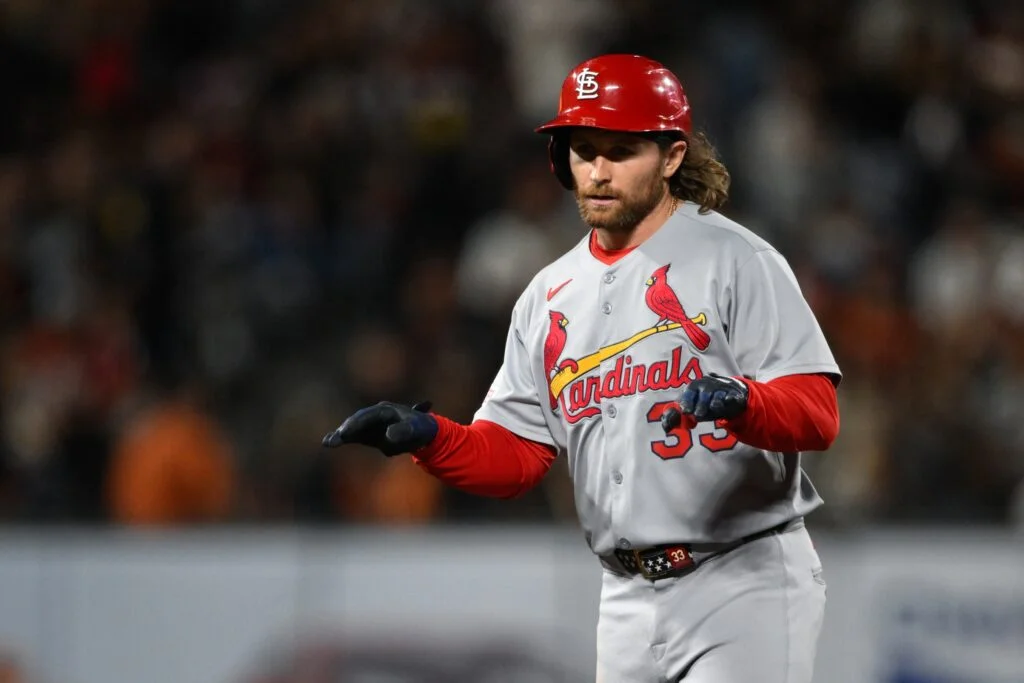
Seattle is near a deal to land Brendan Donovan from the Cardinals in a likely three-team swap that would also involve the Rays, who are set to receive Mariners infielder Ben Williamson. Donovan is a versatile, contact‑hitting infielder/outfielder (career line of .282/.361/.411 with a 119 wRC+) on a modest $5.8M salary for 2026, making him a fit for Seattle’s lineup as the Cardinals push a rebuild.
The Rays advanced a stadium/mixed-use plan by signing a non-binding memorandum of understanding with Hillsborough College to explore a Dale Mabry campus site, aiming for a 2029 opening while Tropicana Field remains leased through 2028; funding remains uncertain as officials weigh public support, and ownership changes have renewed talk that Orlando could become a fallback if progress in Tampa stalls.
Rays owners favor a Hillsborough College site in Tampa for a new baseball stadium, but Hillsborough County Commissioner Ken Hagan says Orlando could become the team’s fallback if a deal stalls, noting Orlando’s stronger bed-tax revenue and ongoing hurdles to an agreement in Tampa; DeSantis signaled state help only for roads/sewers, not the stadium, as MLB radars keep the Rays in Tampa Bay.
The Rays have a non-binding memorandum of understanding with Hillsborough College to explore a new ballpark on the Dale Mabry campus with a 2029 opening target. Financing would be a public-private mix, potentially up to roughly $1.1 billion in public subsidies from bed taxes and the Community Investment Tax. A wide array of players—county commissioners, the City of Tampa, the Tampa Sports Authority, state education boards, and the governor’s circle—must approve and navigate hurdles such as political opposition, airport-height restrictions, and redevelopment considerations. Hillsborough College would lease the land to the Rays, with ownership potentially transferring to the county if public money is used. The path forward is uncertain and depends on a lengthy approval process and coordination among many agencies and local neighbors.
Hillsborough College’s board of trustees unanimously approved a non-binding memorandum of understanding with the Tampa Bay Rays to explore building a stadium on the Dale Mabry campus as part of a larger mixed-use redevelopment. The plan grants the Rays a 180-day exclusive window to negotiate a final agreement, with ownership potentially transferring to the county if public funding is involved. The project would add new classrooms and learning spaces, create jobs, and require approvals from the Hillsborough County Commission and the Tampa City Council. A final deal remains uncertain amid funding skepticism and questions about financing and timelines, including a proposed stadium target of 2029.
The Tampa Bay Rays are proposing a new baseball stadium on Hillsborough College’s Dale Mabry campus, part of a broader redevelopment that would add college facilities and a mixed-use development. A non-binding memorandum of understanding outlines a long-term lease of most property to the Rays, with the college retaining control of its campus facilities and the master plan requiring the college’s approval; ownership of any publicly funded stadium components could transfer to the county. The Hillsborough College District Board will meet to discuss and vote on the MOU.
The Opener covers three baseball topics: the Hall of Fame vote results due today, with Cole Hamels on the ballot and Manny Ramirez nearing the final year; a Rays stadium update as Hillsborough College votes on a plan to build near the Dale Mabry campus; and the Phillies’ media session following the official Realmuto reunion and reports of a near-miss on Bo Bichette, signaling a focus on retaining core pieces while weighing bigger moves.
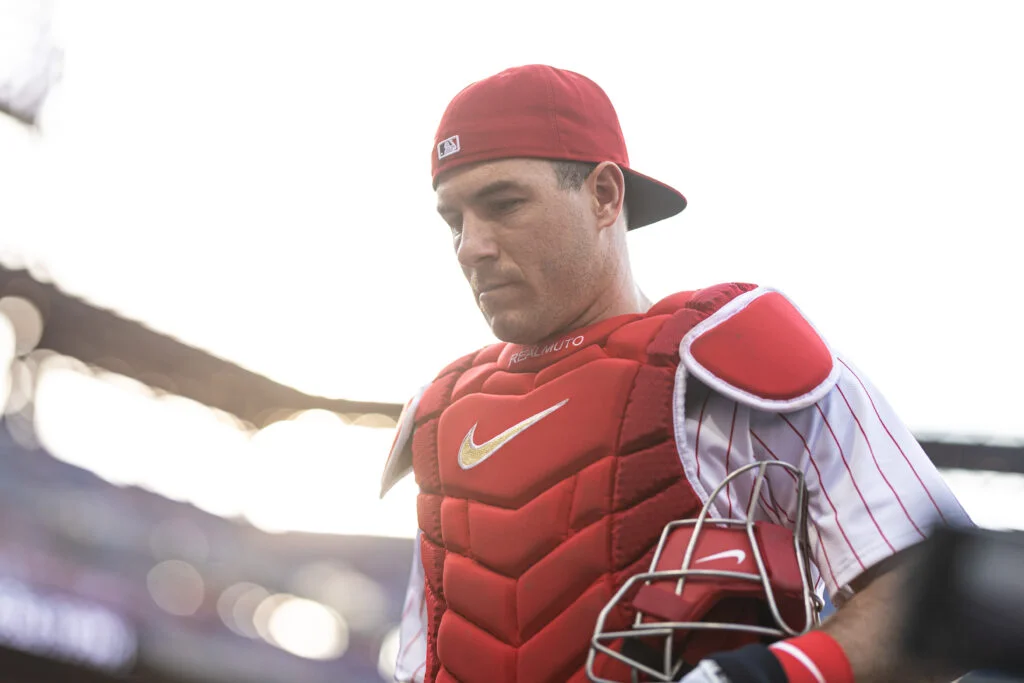
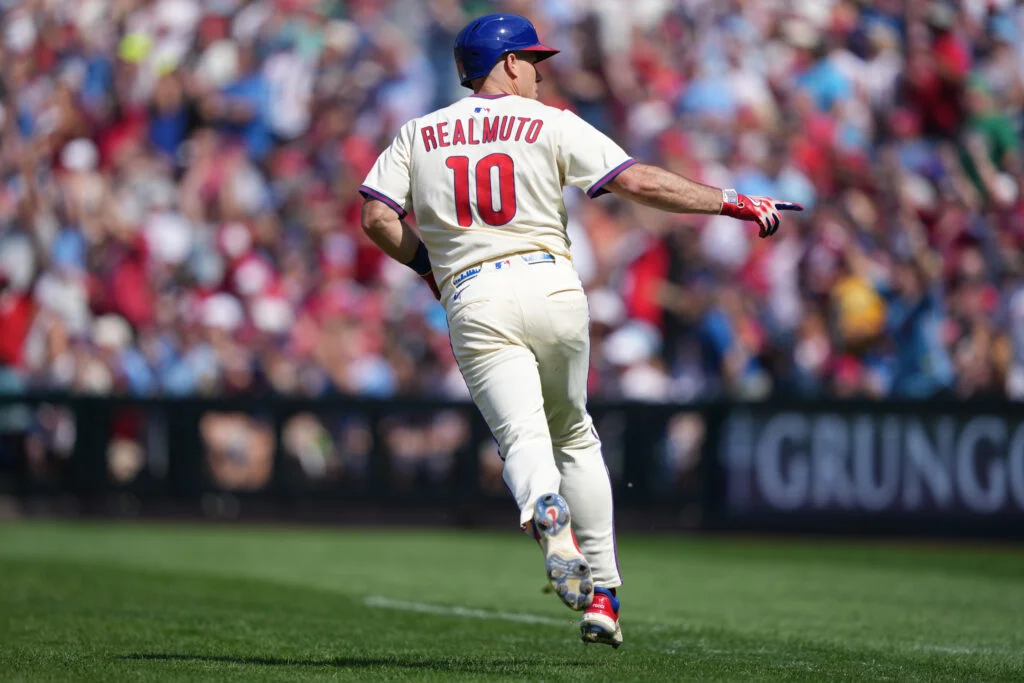
The Rays weighed a big catcher upgrade this winter and were linked to J.T. Realmuto before he re-signed with the Phillies for three years and $45 million. With Nick Fortes and Hunter Feduccia atop Tampa Bay’s catching depth and a payroll around $80 million, Tampa Bay could have faced salary constraints that might have required moving a major piece (potentially Yandy Díaz) to fit Realmuto. Realmuto’s market moved quickly, and the Rays—who rarely pursue free agents—were seen favoring trades over big-ticket signings, with potential fit partners including Royals, Cardinals, or Pirates.