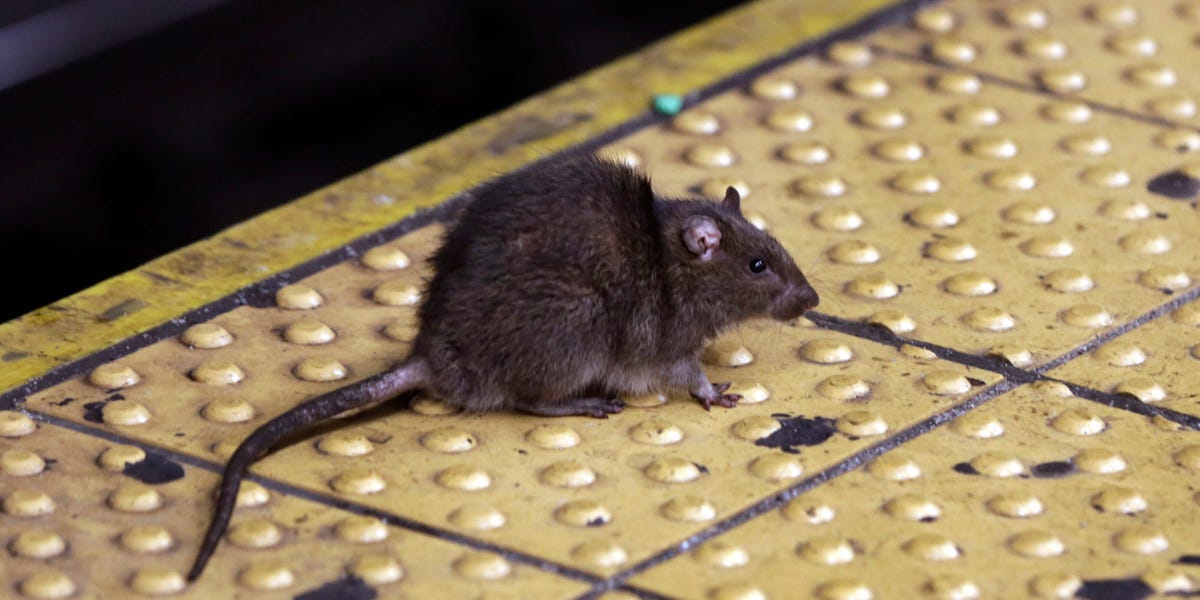
New York City's new rat-killing method, which involves pumping carbon monoxide into rat burrows, has successfully eliminated rats on a strip in the Upper East Side. However, experts warn that this method alone will not solve the city's rat problem in the long term. Addressing the underlying issues of access to food, garbage, and nesting places is crucial to prevent rats from returning. Additionally, the carbon monoxide method can only be used in well-ventilated outdoor areas, limiting its effectiveness in subway stations and sewers. A combination of strategies, including containment of garbage and a cultural shift in behavior, is needed to eradicate New York City's rat population.
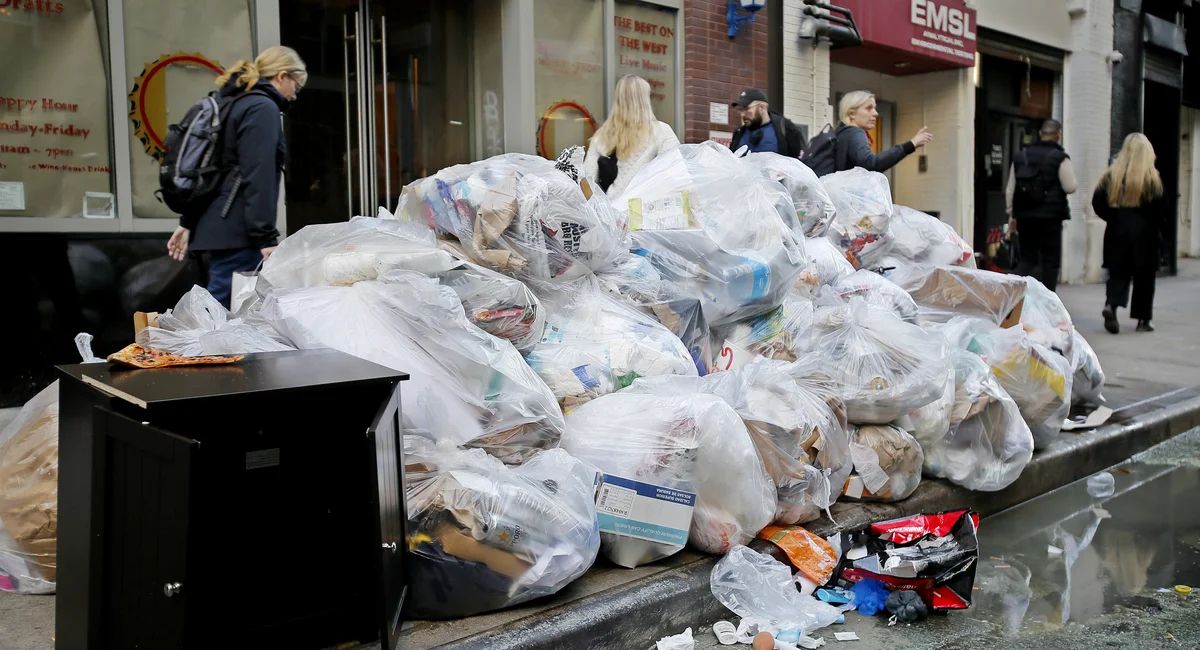
Starting in March 2023, New York City businesses will be banned from piling trash bags on sidewalks, instead requiring them to use lidded bins. The policy aims to cut off rats' food sources and improve cleanliness. Businesses must pay for private garbage collection, and shop owners will have flexibility in choosing the type of bins as long as they have secure sides to keep rats out. New rules also restrict residential garbage from being put out before 8 p.m. if not in a container. The city has seen a decrease in rat reports and an increase in sanitation-related tickets. Noncompliant businesses could face fines for violating the new regulations.
New York City Mayor Eric Adams and Sanitation Commissioner Jessica Tisch have announced new rules aimed at getting bags of trash off city sidewalks as part of the city's ongoing war on rats. The rules will require food-related businesses to put their trash in secure containers, and there are plans to expand the containerization requirements to all chain businesses with five or more locations. Once implemented, these rules will cover 25 percent of businesses in the city and result in approximately 4 million pounds of waste being placed in secure containers each day. The goal is to make the streets cleaner and less appealing to rats.
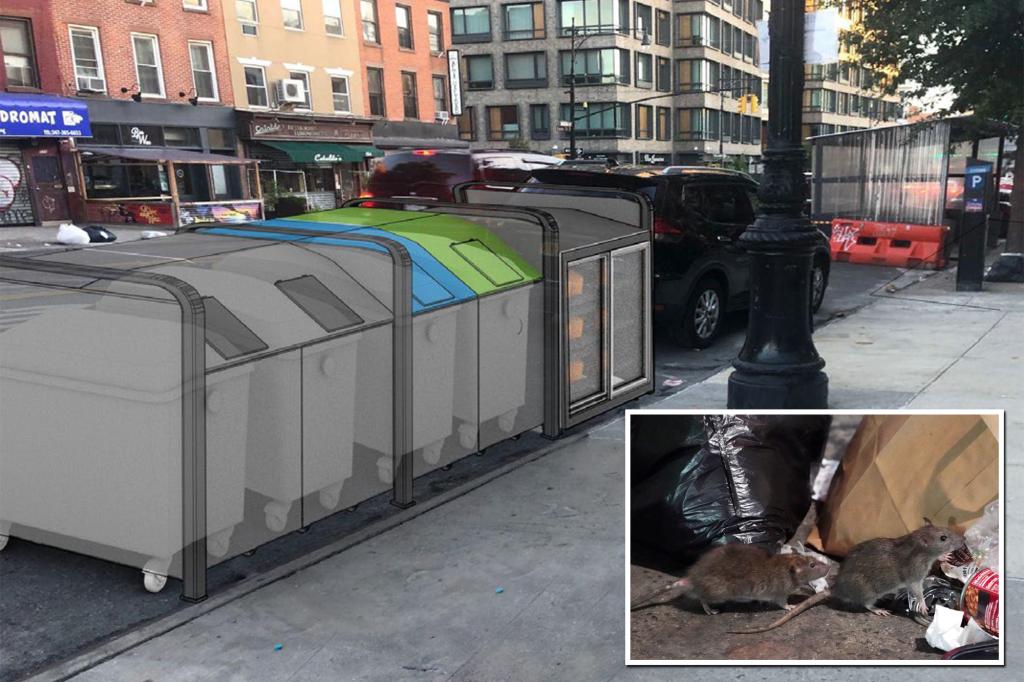
New York City's plan to combat the rat population with new trash containers could eliminate 150,000 parking spots, according to a report by the Department of Sanitation. The $1.6 million garbage "containerization" study found that the giant receptacles could be installed on 89% of city streets without eating up parking, but it would be more difficult in space-crunched areas south of 110th Street in Manhattan. The groundbreaking trash plan aims to block rodents from feasting on garbage by requiring residents to toss trash, recycling, and compost in giant covered containers instead of on the curb.