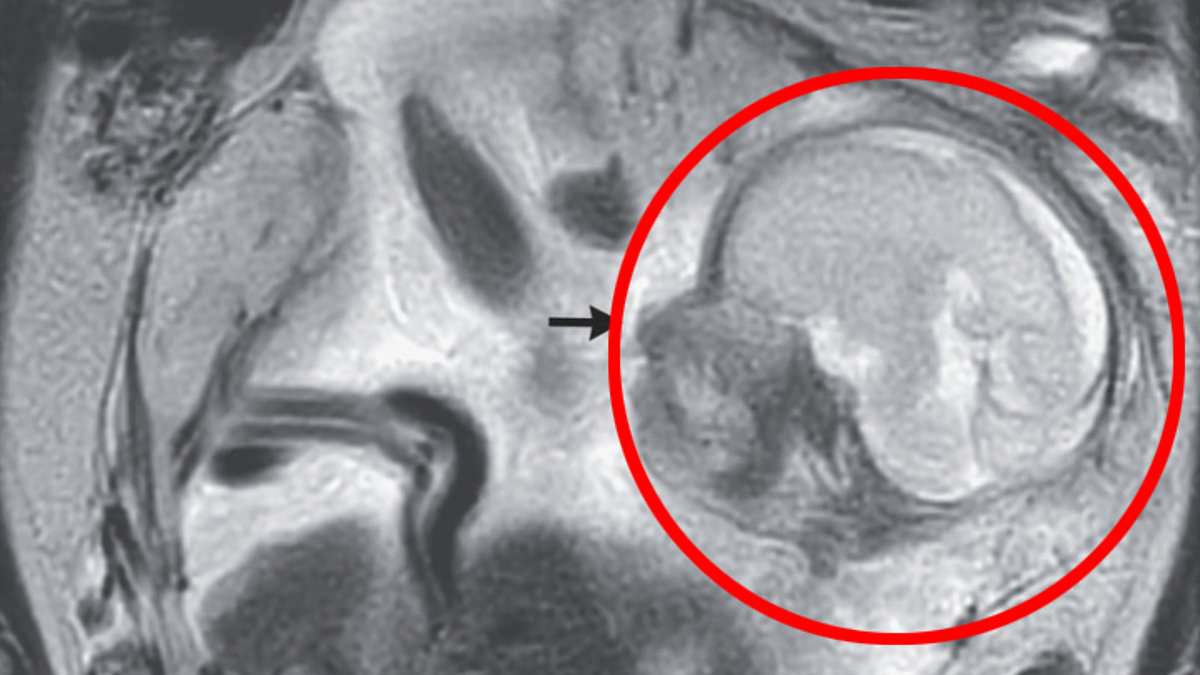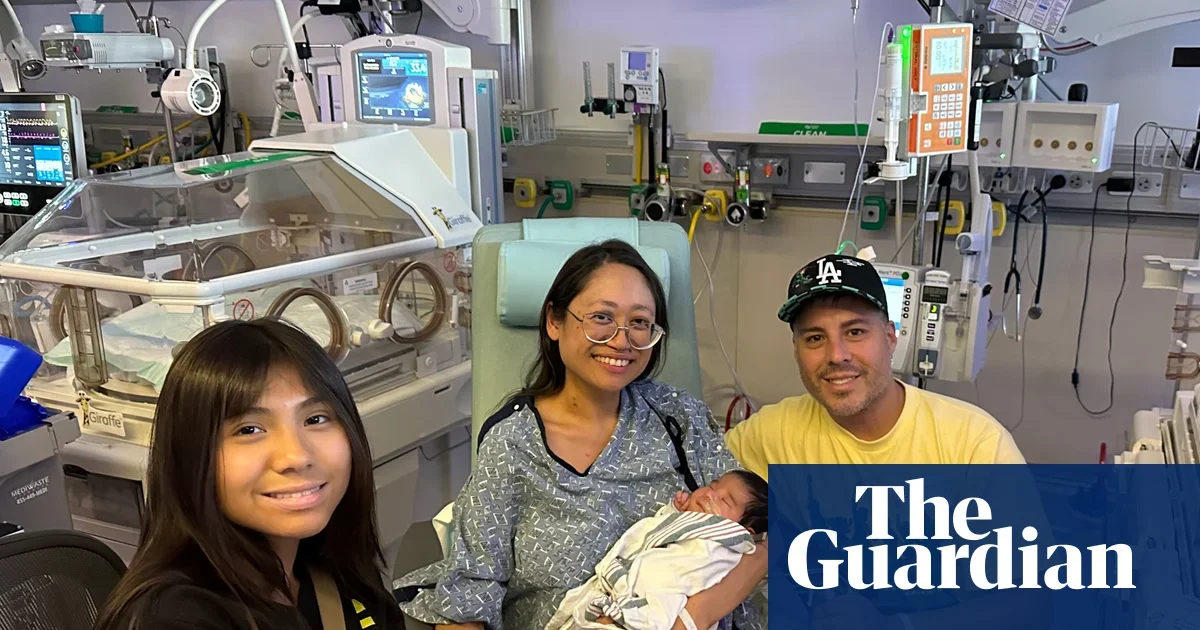
A California woman, Suze Lopez, experienced an extremely rare ectopic pregnancy where the fetus grew outside her uterus, hidden behind a large ovarian cyst. She delivered the baby via surgery, and both mother and child are now healthy, marking a remarkable medical case that is expected to be documented in medical journals.
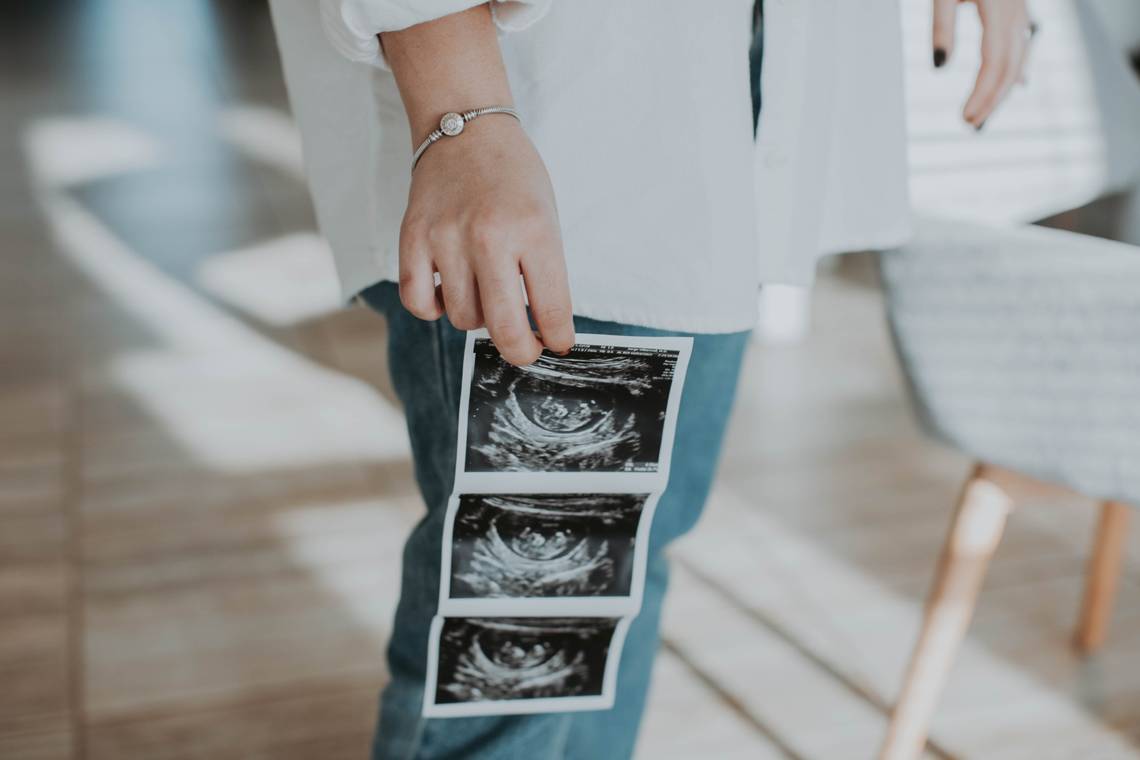
A woman presented at a remote island's emergency room with severe stomach pain and was shocked to learn that she was 23 weeks pregnant, but with an incredibly rare abdominal pregnancy. Doctors discovered a healthy placenta and fetus growing outside her uterus, attached to her abdominal cavity. Recognizing the risks, the woman was transferred to another hospital where she underwent abdominal surgery to safely remove the fetus. Both mother and baby recovered well, and two months later, they were reunited and able to go home. Abdominal pregnancies are extremely rare, occurring in only 1% of ectopic pregnancies.
A woman in France visited the emergency room with stomach pain and was shocked to discover she had an abdominal pregnancy, a rare type of ectopic pregnancy where the fetus grows outside the uterus. The woman underwent surgery at 29 weeks of gestation to deliver the baby, who was then cared for in a neonatal intensive care unit. The mother and baby were discharged after successful recovery. Abdominal pregnancies are extremely rare and pose a higher risk to maternal health compared to tubal ectopic pregnancies.
A woman in France visited the emergency room with stomach pain and was shocked to discover she had an abdominal pregnancy, a rare type of ectopic pregnancy where the fetus grows outside the uterus. The woman underwent surgery at 29 weeks of gestation to deliver the baby, who was then taken to a neonatal intensive care unit. Both mother and baby were discharged in stable condition after a few weeks. Abdominal pregnancies are extremely rare and pose a higher risk to the mother compared to tubal ectopic pregnancies.
A 37-year-old woman who went to the doctors complaining of stomach cramps and bloating was shocked to discover she was 23 weeks pregnant with a fetus growing in her bowel. Diagnosed with an abdominal pregnancy, a rare type of ectopic pregnancy, doctors were able to deliver the baby at 29 weeks. Both the mother and child were discharged after three months. Ectopic pregnancies in the abdomen are extremely rare, with a high risk of fetal death and potential birth defects or brain damage for those who survive.
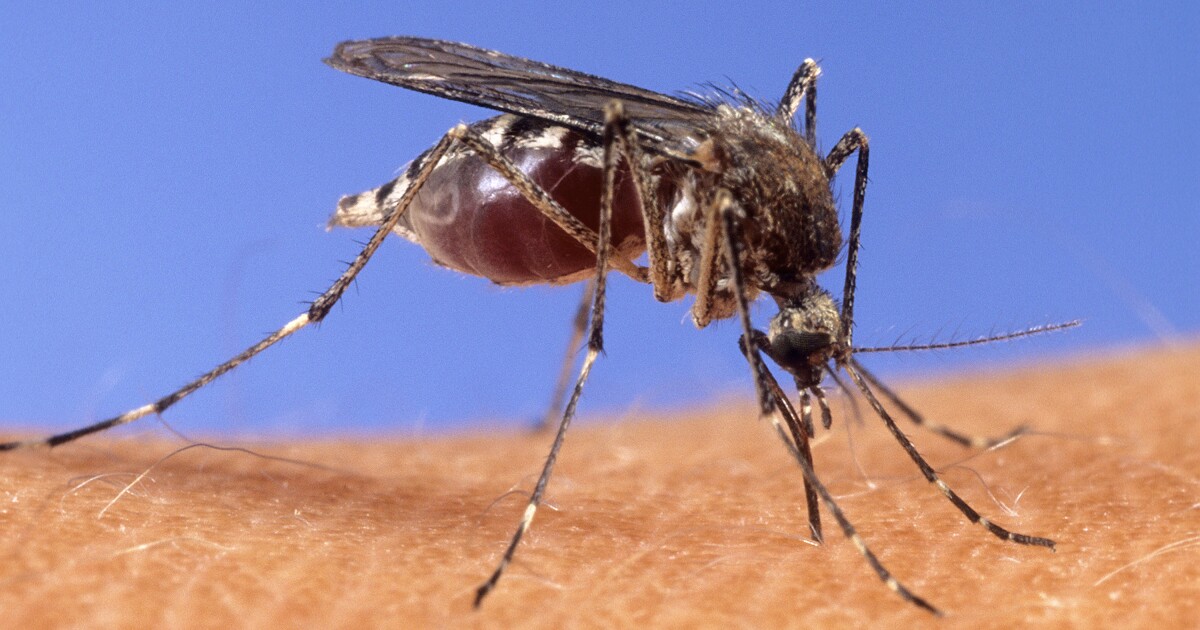
Two cases of dengue fever have been confirmed in Southern California, marking rare instances of local transmission in the United States. The infected individuals did not travel outside the country, suggesting that they were bitten by mosquitoes carrying the virus within the continental US. Dengue fever, caused by infected Aedes mosquitoes, is common in tropical areas and can lead to high fevers, headaches, nausea, and in severe cases, internal bleeding. While dengue is rare in the US, efforts to combat the infection are increasing as the global infection rate rises.