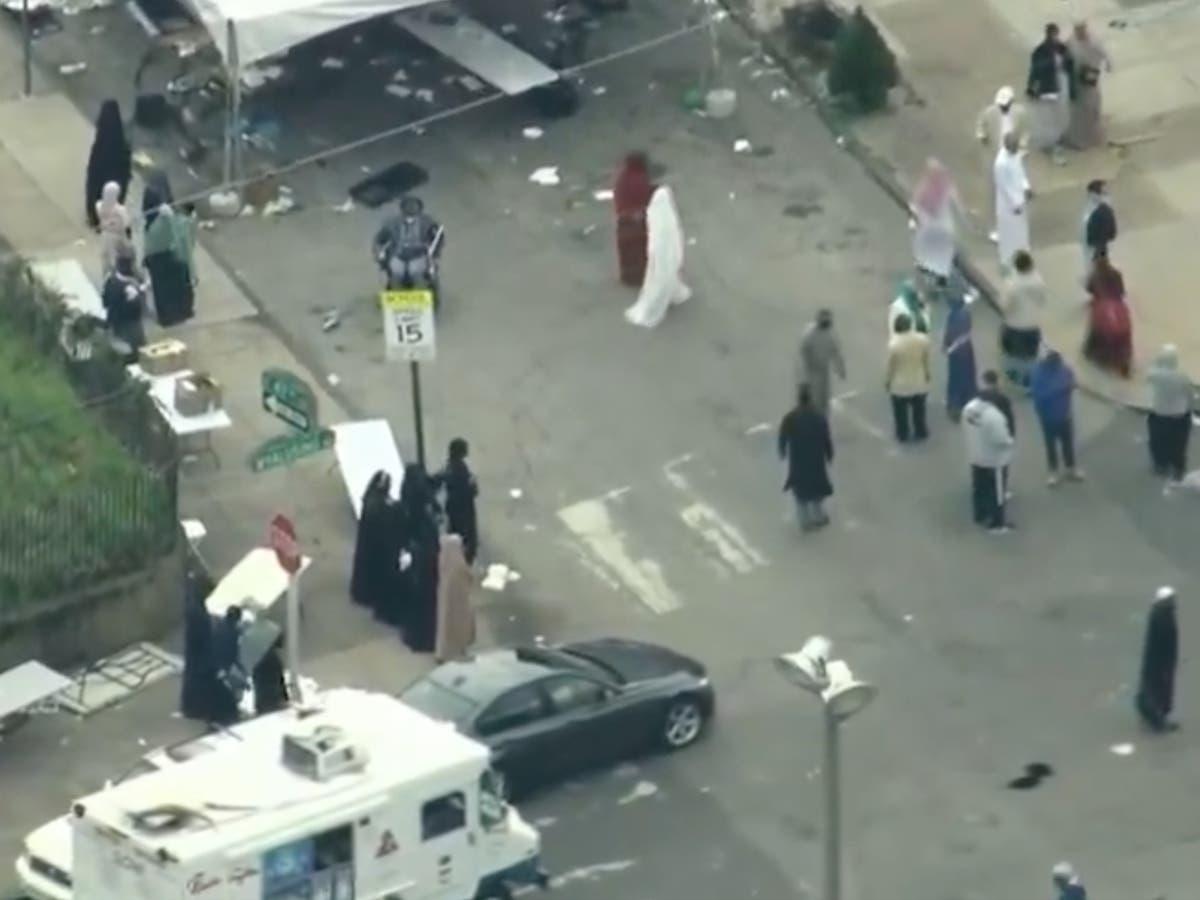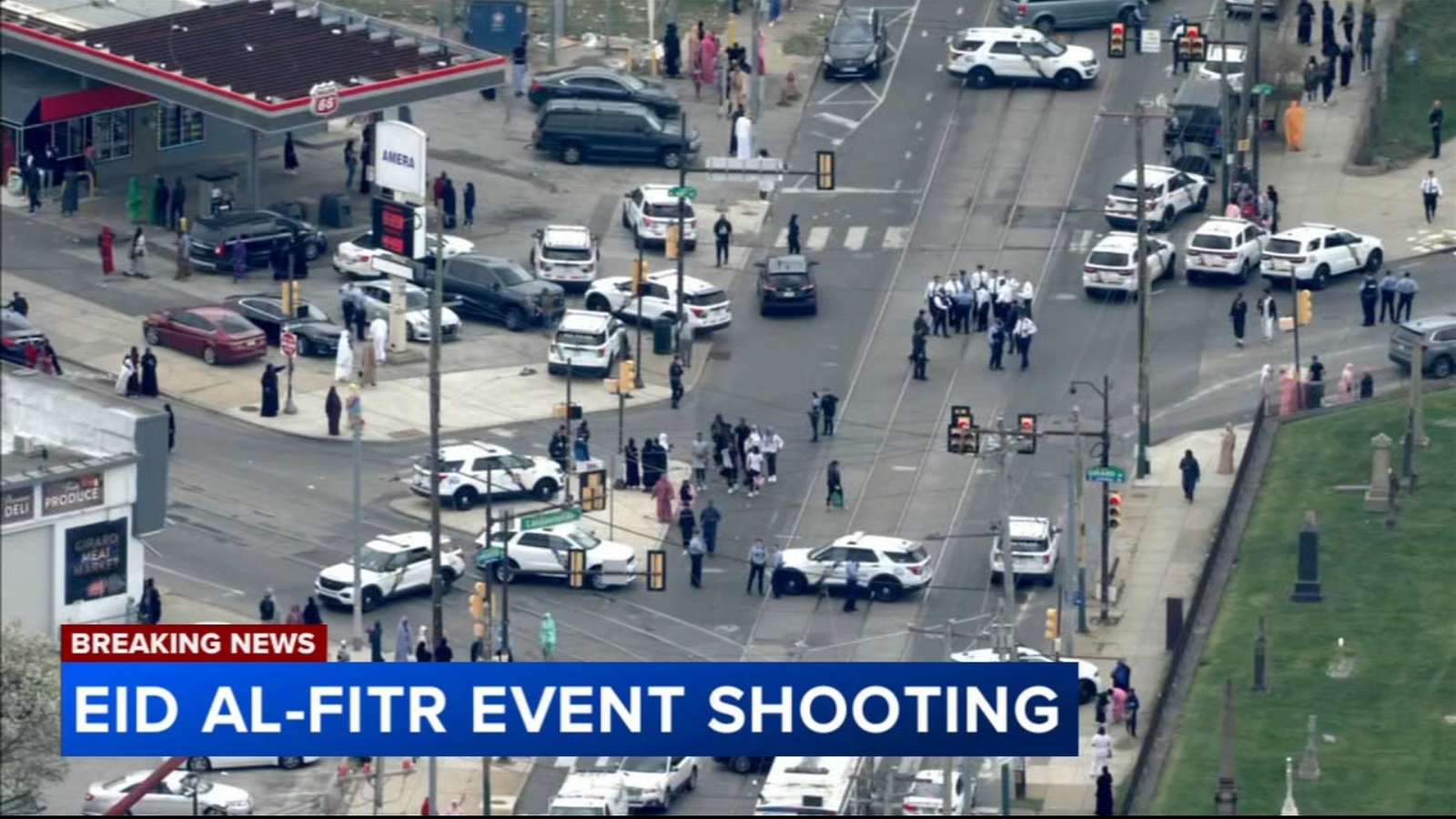
Three individuals were shot and five arrested at a Ramadan event in West Philadelphia, with a 15-year-old shot by a police officer and a police patrol wagon accidentally striking a child. Police seized four guns from the arrests, and it's unclear what prompted the shooting, though the police commissioner believed two groups exchanged gunfire. Gun safety groups and local officials condemned the violence, with a witness expressing dismay at the prevalence of gun violence at a religious celebration.
A shooting at a Ramadan event in Philadelphia left three people wounded, with five suspects arrested. The incident involved two factions exchanging gunfire in a park where about 1,000 people were gathered. Police recovered five guns and a child was also struck by a police vehicle in the chaos. The shooting occurred near a local mosque holding an event at the time. The Council on American Islamic Relations reported a significant increase in discrimination and hate incidents against Muslims in 2023, with a spike during the Israel-Hamas war.
Three people were shot and five individuals were taken into custody after gunfire broke out at an Eid al-Fitr event in Philadelphia's Parkside section, marking the end of Ramadan. The shooting, involving two factions exchanging gunfire, resulted in injuries to a 22-year-old man and a juvenile. Additionally, a 15-year-old armed male was shot by a police officer and is also under arrest. The chaotic scene led to widespread panic, with attendees fleeing for safety, and a child being struck by a police vehicle.
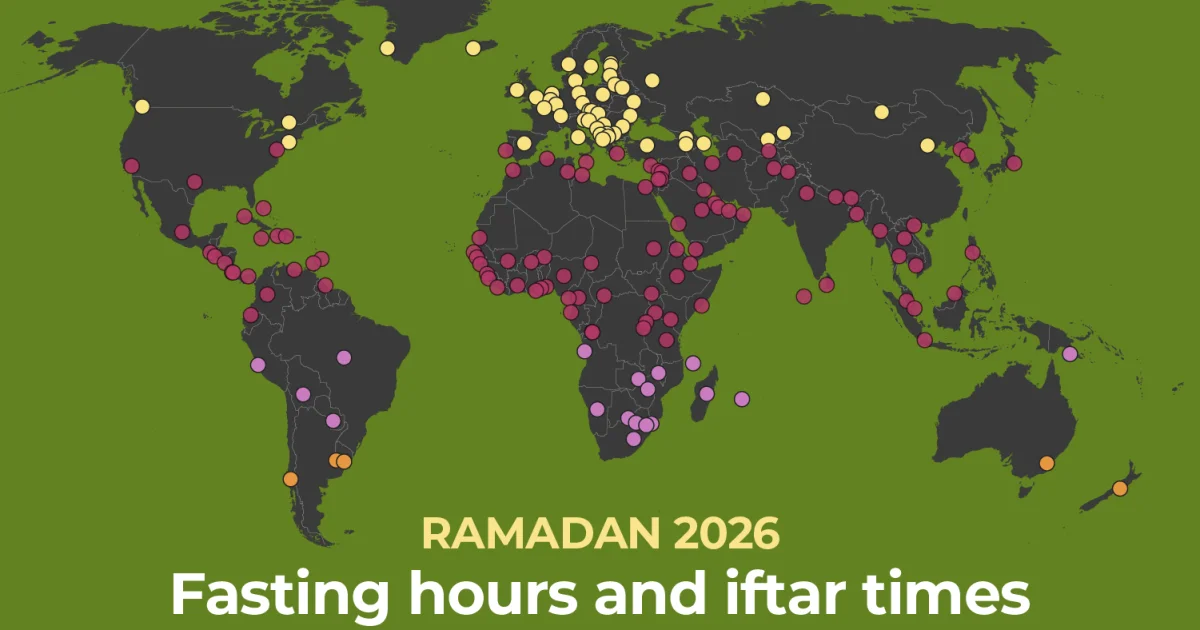
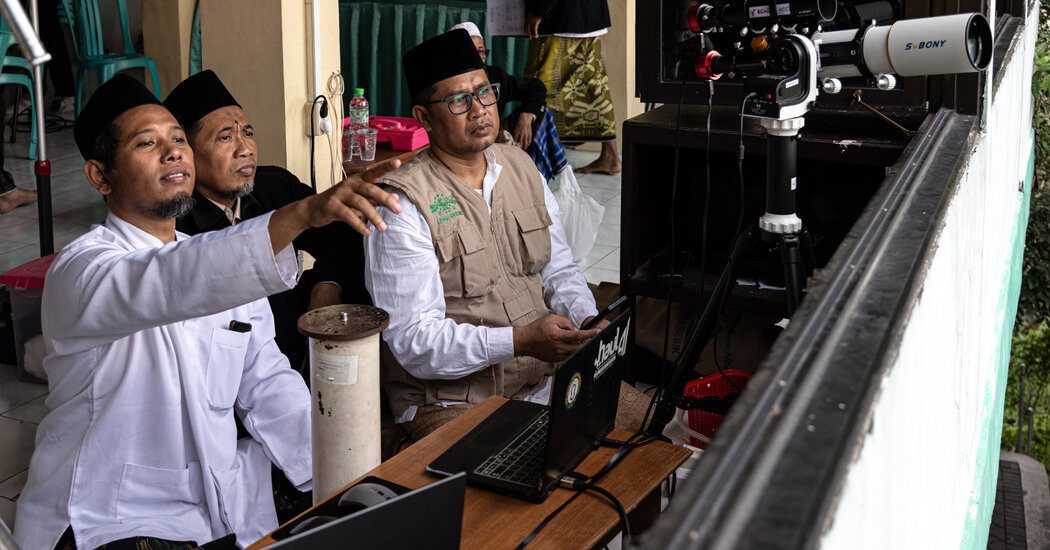
The sighting of the crescent moon to mark the end of Ramadan and the beginning of Eid al-Fitr was obscured in some parts of the world by the solar eclipse, leading to delays in the declaration of Eid in some Islamic communities. The phenomenon reduced lunar visibility, causing Muslim communities in different regions to celebrate Eid on different days. The traditional Hijri calendar, which marks religious events for Muslims, relies on the sighting of the early crescent moon, and the holy month of Ramadan begins at the start of the ninth month.
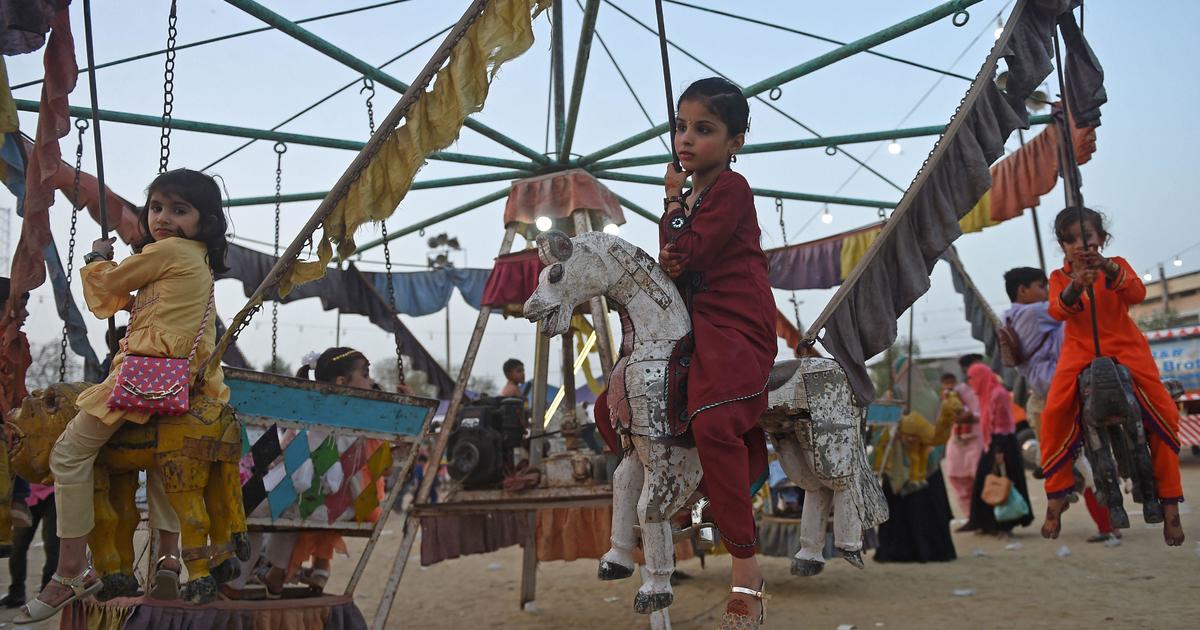
Eid al-Fitr is a significant Islamic festival celebrated twice a year, marking the end of Ramadan and the Hajj pilgrimage. It involves special prayers, greetings, sweet dishes, gift-giving, and acts of forgiveness. Eid al-Adha, the "feast of the sacrifice," commemorates Ibrahim's willingness to sacrifice his son. Both festivals vary in celebration practices across different countries and are based on the lunar Islamic calendar. Eid al-Fitr is also a time for charity and reflection on Allah's provision of strength and endurance.
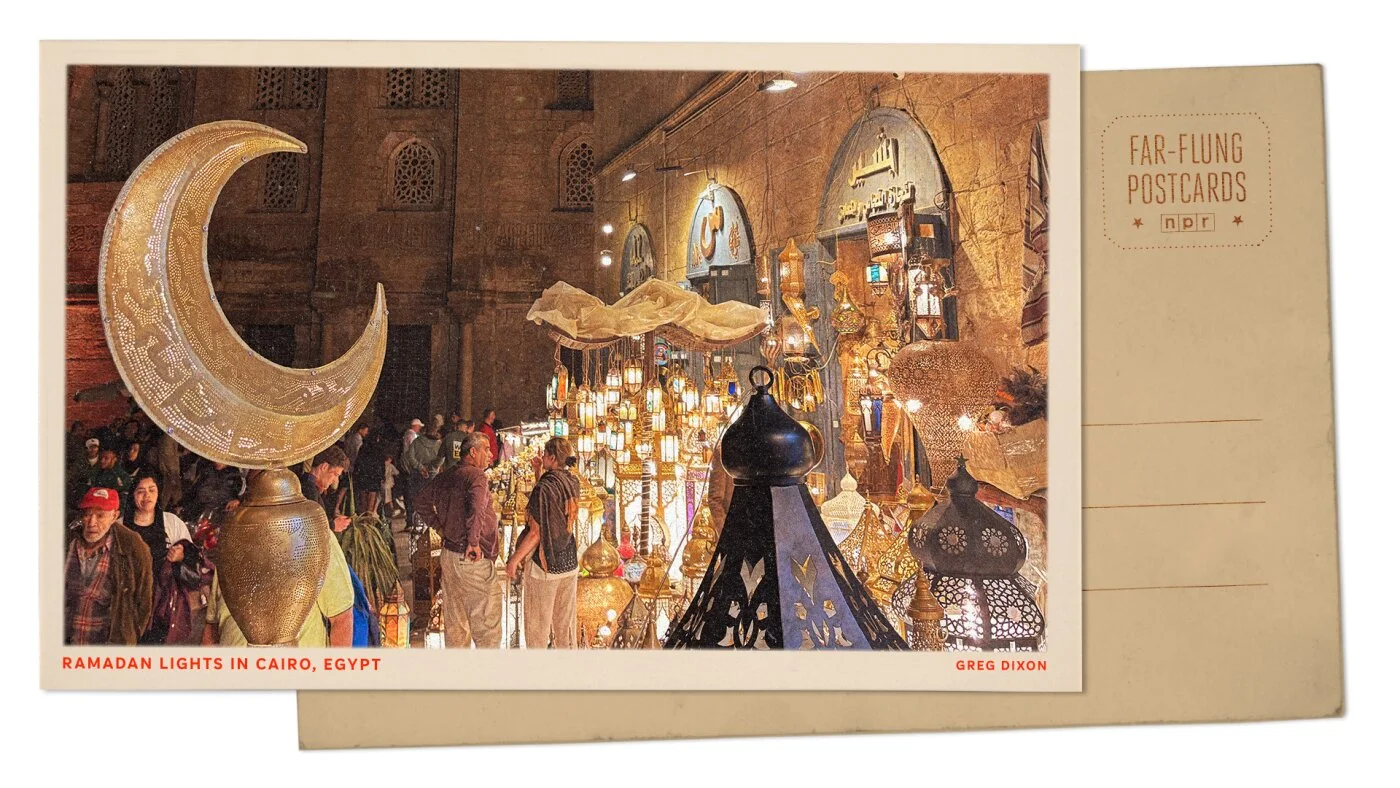
Eid al-Fitr is an Islamic holiday marking the end of Ramadan, celebrated with congregational prayers, family visits, and new clothes. It is expected to occur around April 10 this year. Traditions include homecoming journeys, seeking forgiveness, and giving money to children. In Egypt, families partake in Eid prayers, visit relatives, and children receive traditional cash gifts. In the United States, Muslims come together for prayers and festivals featuring fun activities for children and families.
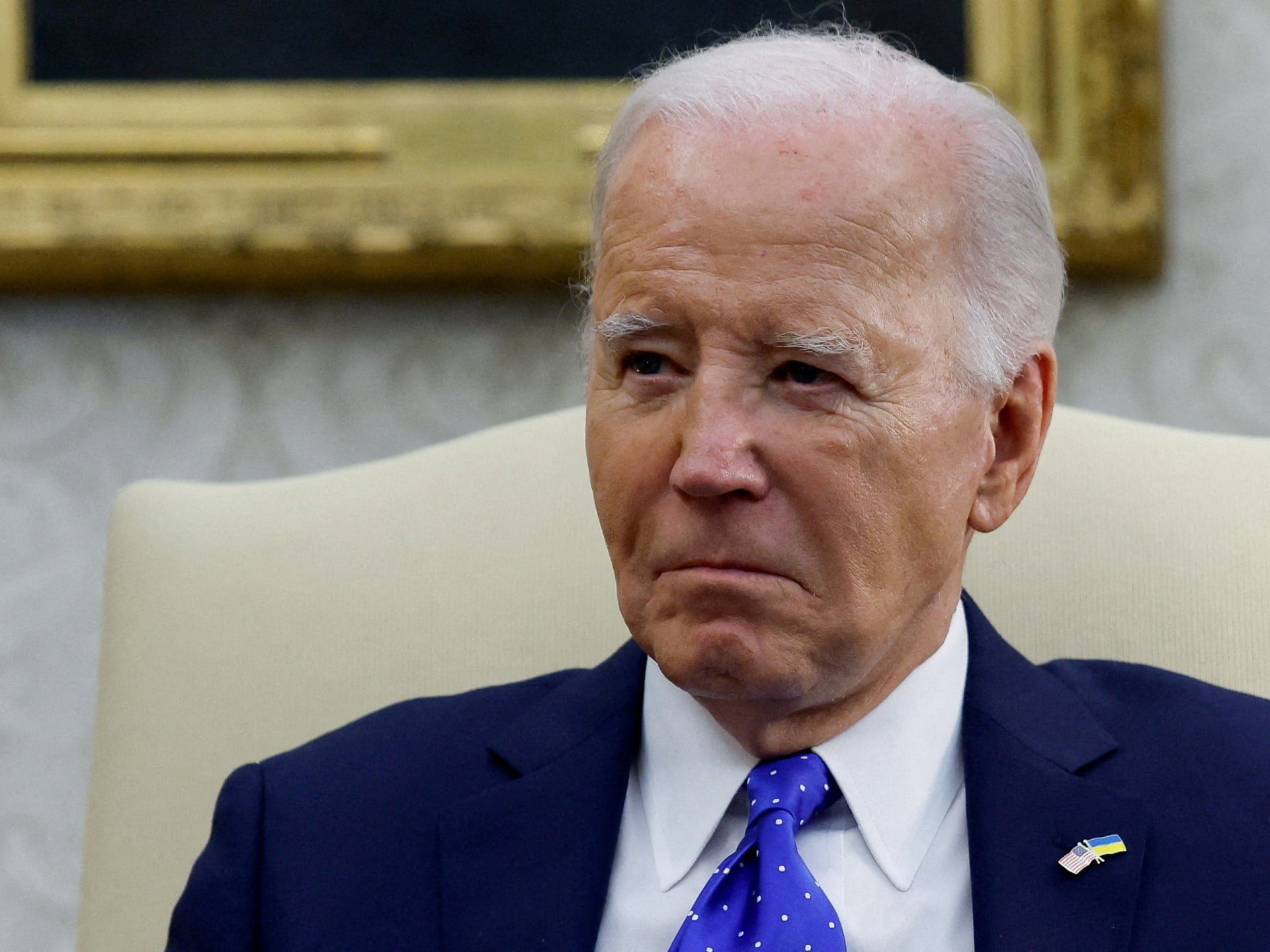
The White House's invitation to Muslim community leaders for a Ramadan dinner was met with widespread decline due to President Biden's support for Israel's actions in Gaza. Many invitees expressed their distress over the situation in Gaza and refused to attend the iftar meal with the president. In response, the White House held a downscaled meal for staff members and a separate meeting for Muslim community leaders, which included discussions with President Biden, Vice President Kamala Harris, and senior officials.
The White House cancelled a Ramadan iftar meal after Muslim Americans declined the invitation in protest of President Biden's support for Israel's war on Gaza. Muslim community members warned against attending, leading to the cancellation. The Biden administration has struggled to address growing anger in US Arab and Muslim communities over its unconditional support for Israel, with critics warning of potential electoral consequences. The administration has held off-the-record meetings with select Arab and Muslim representatives, but activists argue that these discussions have not led to any policy changes. Despite occasional expressions of concern, the administration has maintained its commitment to the alliance with Israel and has ruled out conditioning or stopping the flow of weapons to the country.
Mosques in New York City are struggling to accommodate and feed an increasing number of Muslim migrants, particularly during the holy month of Ramadan. Many mosques have become day centers for migrants to rest and recover, while some have opened their doors for iftar meals. The surge in migrants, especially from African Muslim-majority countries, has put a strain on the resources of these mosques, prompting appeals for donations. The city's faith-based communities are facing challenges in providing overnight shelter, and while a program was announced to support them, only a few have been approved so far. Despite the difficulties, migrants express gratitude for the support provided by the mosques.
ISIS spokesperson Abu Hudhayfah al-Ansari called for "lone wolves" to target Christians and Jewish people, particularly in the US, Europe, and Israel, during the holy month of Ramadan. He praised the terror attack near Moscow and urged for more attacks, while emphasizing obedience to elders and spreading ISIS's message. His strong antisemitic rhetoric and call for mass murder raise concerns about a dangerous escalation of ISIS activities.
The U.N. Security Council is set to vote on a resolution demanding an immediate humanitarian cease-fire in Gaza during the Muslim holy month of Ramadan, after a U.S.-sponsored resolution was vetoed by Russia and China. The resolution, backed by Russia, China, and the Arab Group, aims to halt the bloodshed and preserve human lives for the next two weeks. The U.S. warned that the resolution could hinder negotiations, raising the possibility of another veto. The vote reflects tensions between world powers and a shift in U.S. stance, as it continues to intertwine calls for a cease-fire with demands for the release of Israeli hostages in Gaza.
In India's Gujarat state, a group of foreign students, including those from Afghanistan, Uzbekistan, Sri Lanka, Bangladesh, and African countries, were attacked by a Hindu far-right mob while offering Ramadan prayers at a university hostel. The mob armed with sticks and knives stormed the hostel, injuring several students and vandalizing their rooms. Five people have been arrested in connection with the attack, and India's Ministry of External Affairs has pledged to take strict actions against the perpetrators. The incident has sparked outrage and calls for intervention from political figures, highlighting the need for cultural sensitivity training for international students.
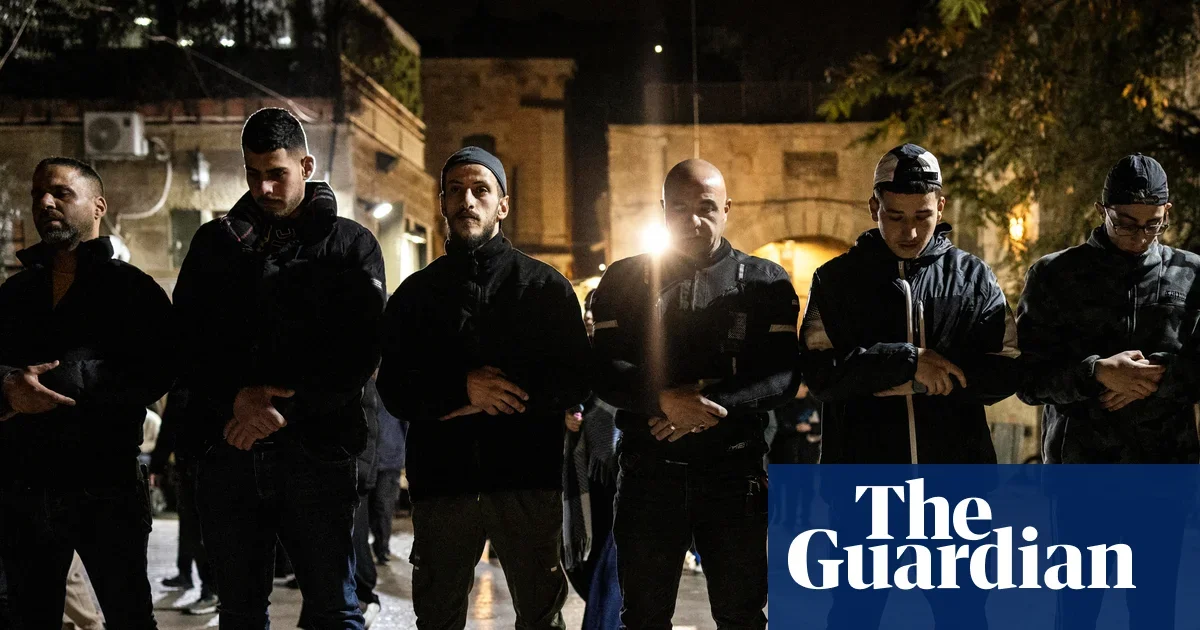
Tens of thousands of Palestinian worshipers attended the first Friday prayers of Ramadan at the Temple Mount/Al-Aqsa Mosque compound in Jerusalem, marking the calmest Friday in the city since the recent conflict in Gaza began. The peaceful prayers were seen as a victory for those who believe that Jerusalem is more than just a conflict zone, with the event passing by quietly without providing any excuses for controversy-prone Israeli lawmaker Itamar Ben-Gvir.
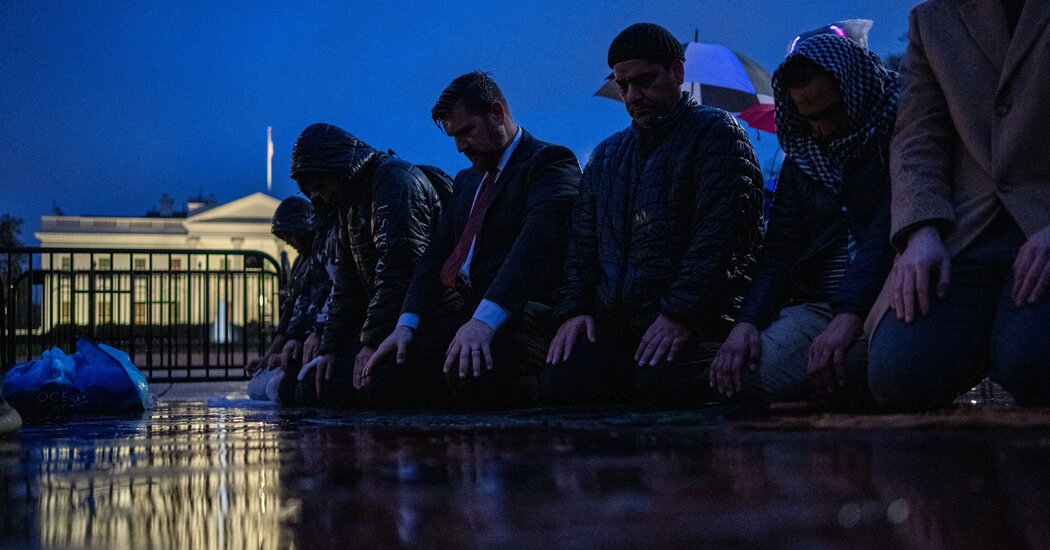
Ramadan in the United States is marked by grief and solemnity for Muslim communities as they grapple with the devastating situation in Gaza, with many foregoing traditional celebrations and instead focusing on fundraising and activism to support those affected. The ongoing conflict has led to a mix of emotions, including grief, anger towards U.S. leaders for supporting Israel, and solidarity in pro-Palestinian demonstrations. Despite the challenges, American Muslims are channeling their grief into charity and prayer, seeking to support those affected by the humanitarian crisis in Gaza and maintain a sense of community and connection during this sacred month.
The ongoing conflict in Gaza has transformed the observance of Ramadan from a time of color and boisterous gatherings into a daily struggle for survival, as the region continues to grapple with the aftermath of Israel's bombardment. With no cease-fire in sight, the month of religious devotion, dawn-to-dusk fasting, and charity is marred by despair for many Gazans, who are unable to celebrate the holy month amidst the destruction and lack of basic necessities.