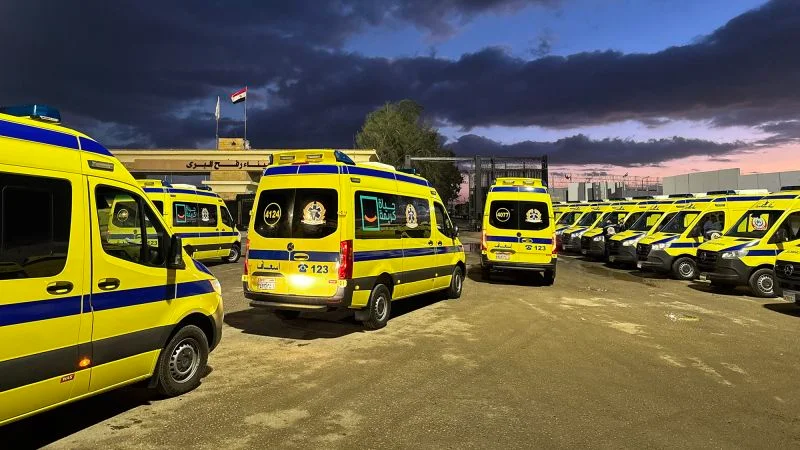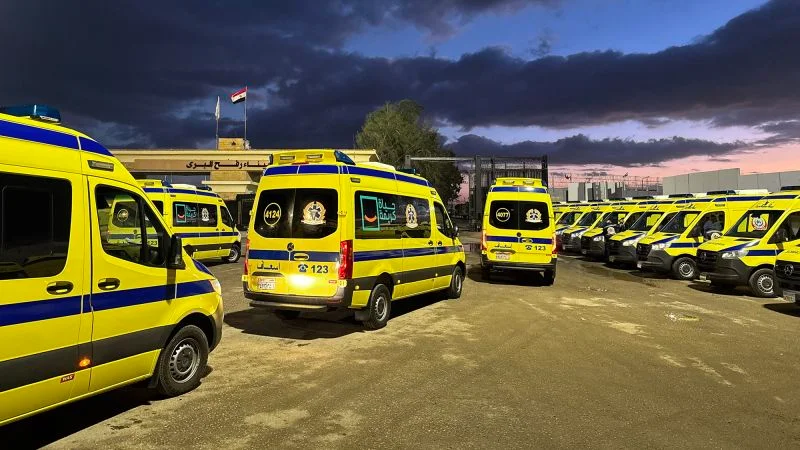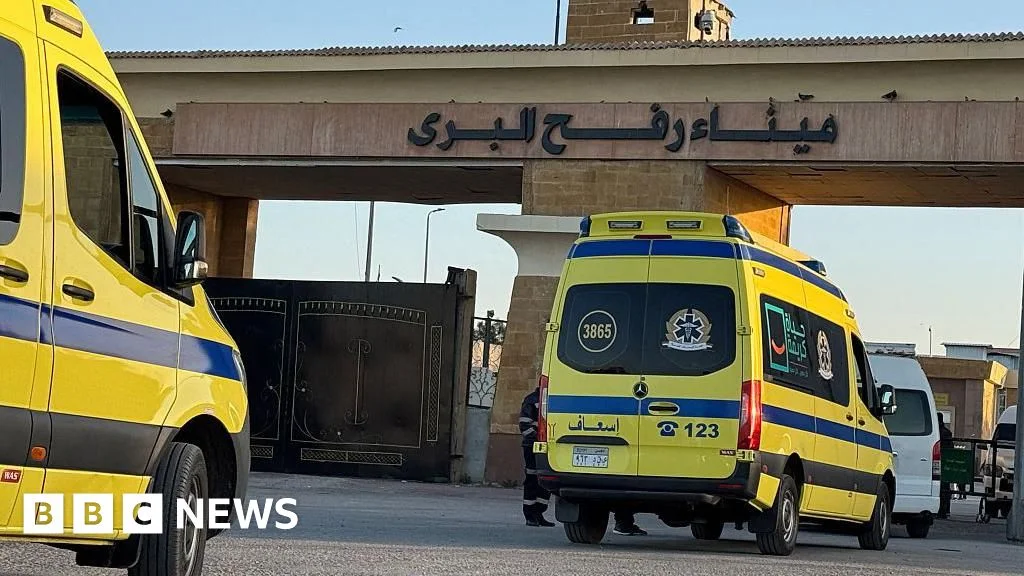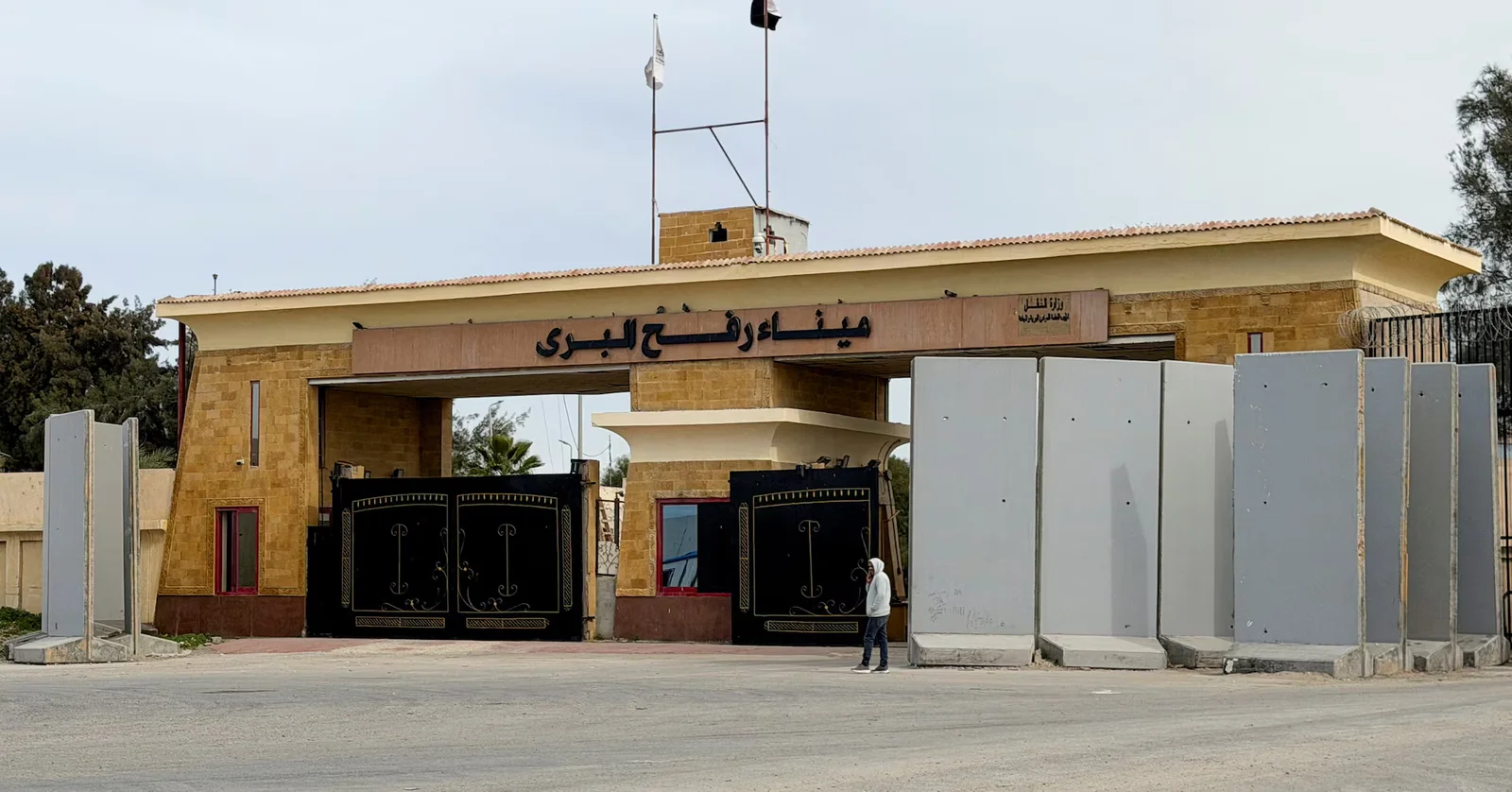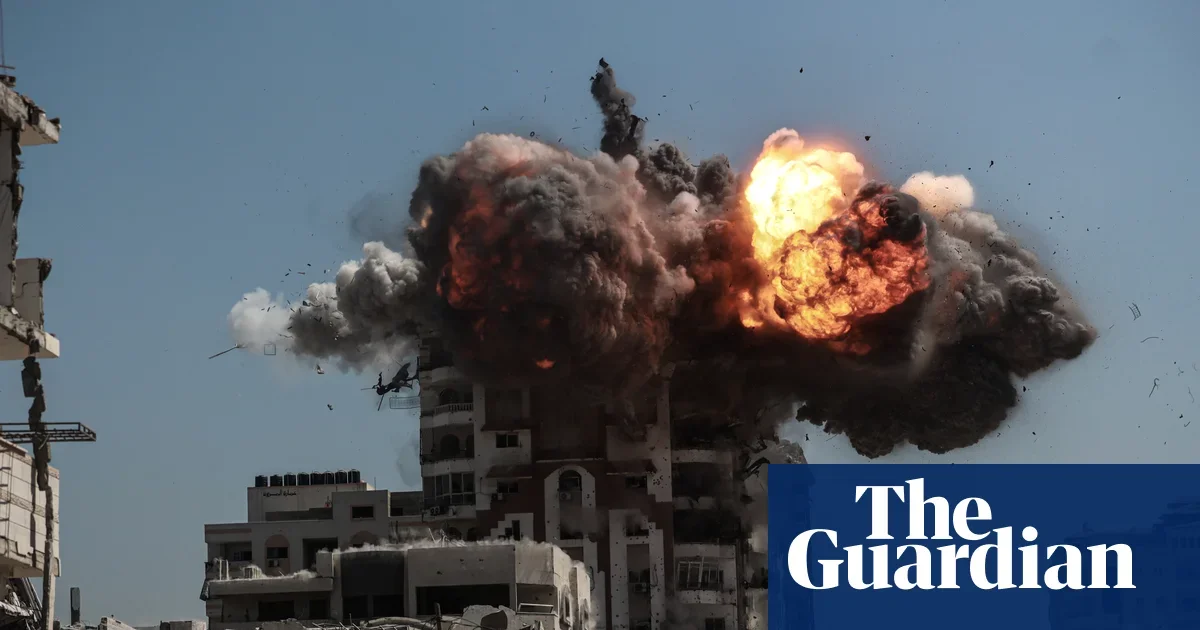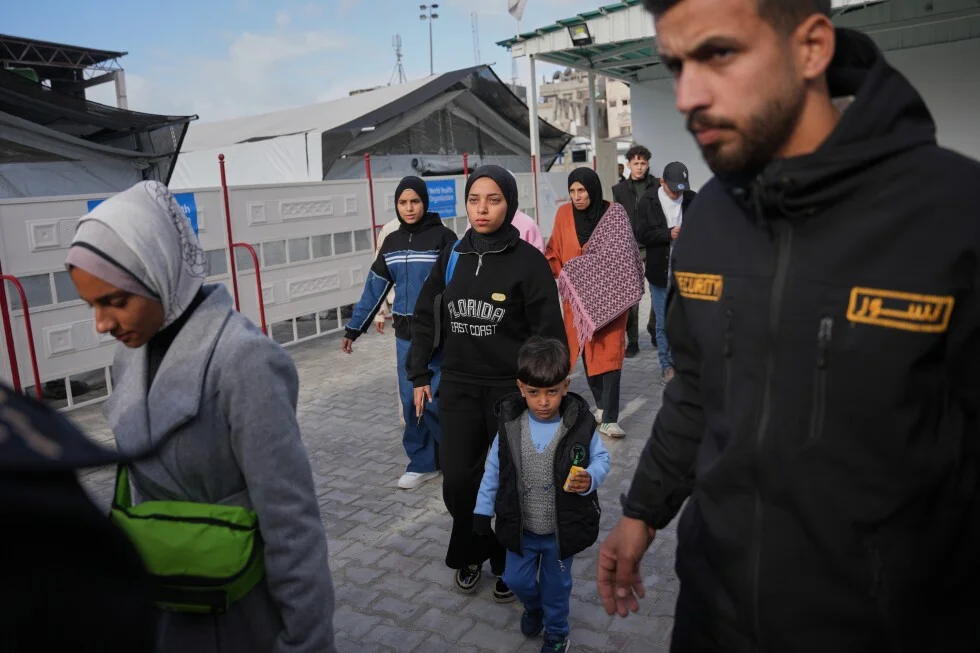
Angelina Jolie visited the Rafah Crossing during a humanitarian trip to Egypt amid Israel's suspension of aid groups in Gaza, citing security concerns, while aid agencies warn of worsening conditions and urgent needs for medical supplies and aid delivery in the region.
Israel plans to open the Rafah crossing to allow Gazans to leave via Egypt, supporting the current ceasefire with Hamas, though Egypt denies coordination. The crossing has been mostly closed since May 2024, with limited evacuations of critically ill Palestinians. The reopening is linked to negotiations over hostage returns and the broader Gaza conflict, which has resulted in over 70,000 deaths.
Israel identified the remains of two hostages after Hamas handed over their bodies, as ceasefire negotiations between Hamas and Israel progress, including discussions on aid, governance, and border crossings. The Rafah crossing remains closed, affecting movement in Gaza, while both sides accuse each other of violations amid ongoing tensions and negotiations.
The Rafah border crossing between Gaza and Egypt remains closed until Hamas hands over bodies of deceased hostages, amid ongoing blame over ceasefire violations between Israel and Hamas, with tensions over aid and hostage recovery continuing to threaten the fragile peace.
Israel and Hamas are blaming each other for ceasefire violations amid ongoing tensions in Gaza, with Israel preparing to reopen the Rafah crossing for movement of people but not aid, and disputes over the return of hostage bodies threatening the ceasefire. The situation remains fragile, with significant humanitarian needs and unresolved political issues.
Israel reopened the Rafah crossing into Gaza after Hamas returned the remains of four hostages, with aid entering through other crossings; the situation remains tense with ongoing disputes over hostage remains, ceasefire conditions, and political challenges in Gaza.
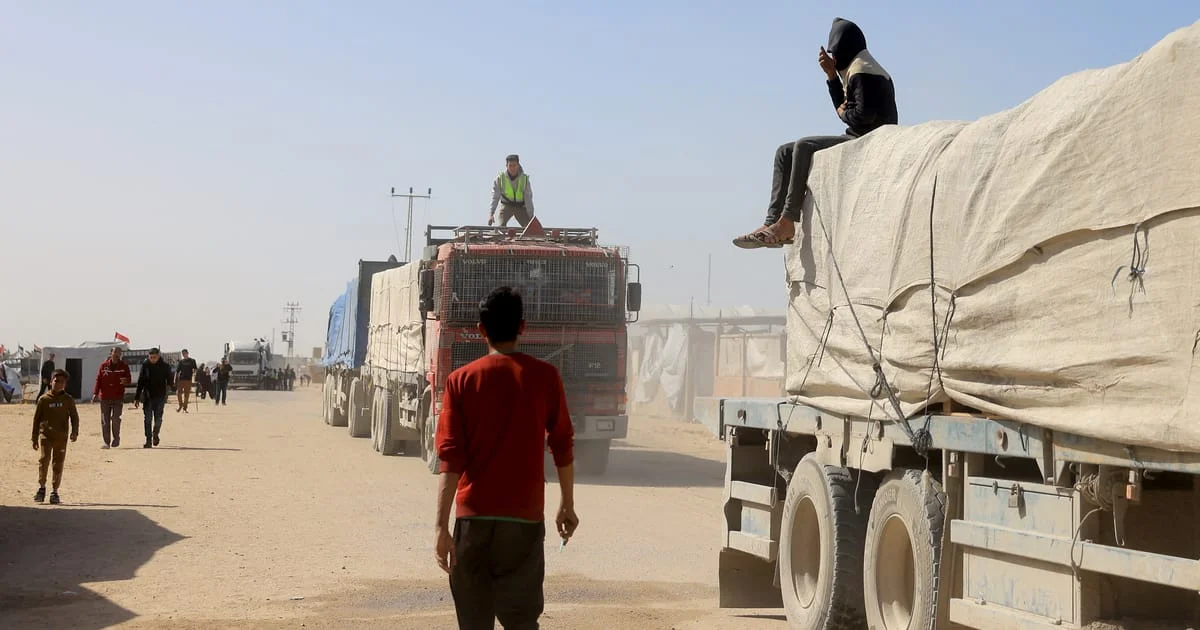
Israel has limited aid and kept the Rafah crossing with Egypt closed in response to Hamas withholding the remains of Israeli hostages, despite a fragile ceasefire and planned aid surge, leading to increased tensions and delays in humanitarian aid delivery in Gaza.
Egypt is mediating a ceasefire-prisoner swap deal between Israel and Hamas, proposing a committee to oversee a 60-day transition. The deal includes Israel supervising the Rafah Crossing via security cameras in exchange for allowing merchandise through. Disagreements persist over security arrangements, particularly Israel's unilateral actions along the Philadelphi Corridor. Hamas shows flexibility, agreeing not to rule Gaza or influence Rafah operations during the transition, and will provide a list of hostages for a prisoner swap. Humanitarian aid will also enter Gaza through Rafah.
Talks are ongoing to reopen the Rafah border crossing to allow humanitarian aid into Gaza, where rising temperatures and lack of clean water are exacerbating the crisis. The U.N. warns of worsening conditions, with diseases spreading among displaced Palestinians. The crossing, crucial for aid and evacuations, has been closed due to Israeli military actions and subsequent Egyptian closure. International discussions, including U.S. involvement, are focused on reopening the crossing amidst ongoing conflict and humanitarian concerns.
Egypt demands Israel withdraw from the Palestinian side of the Rafah crossing for it to operate again, following Israel's recent seizure of the crossing during its offensive in Rafah. Despite a positive meeting in Cairo with U.S. and Israeli officials, no agreement was reached. Egypt is open to European monitors overseeing the crossing's operation by Palestinian authorities. The reopening of Rafah is critical as humanitarian agencies warn of a looming famine in Gaza.
An Egyptian soldier was killed in an exchange of fire with Israeli forces at the Rafah crossing on the Egypt-Gaza border. The incident, which left other Egyptians wounded, is under investigation by both countries. Tensions have risen since Israel seized the Rafah crossing earlier this month, straining the 45-year peace between Egypt and Israel. Reports conflict on who fired first, with Egypt denying initiating the exchange.
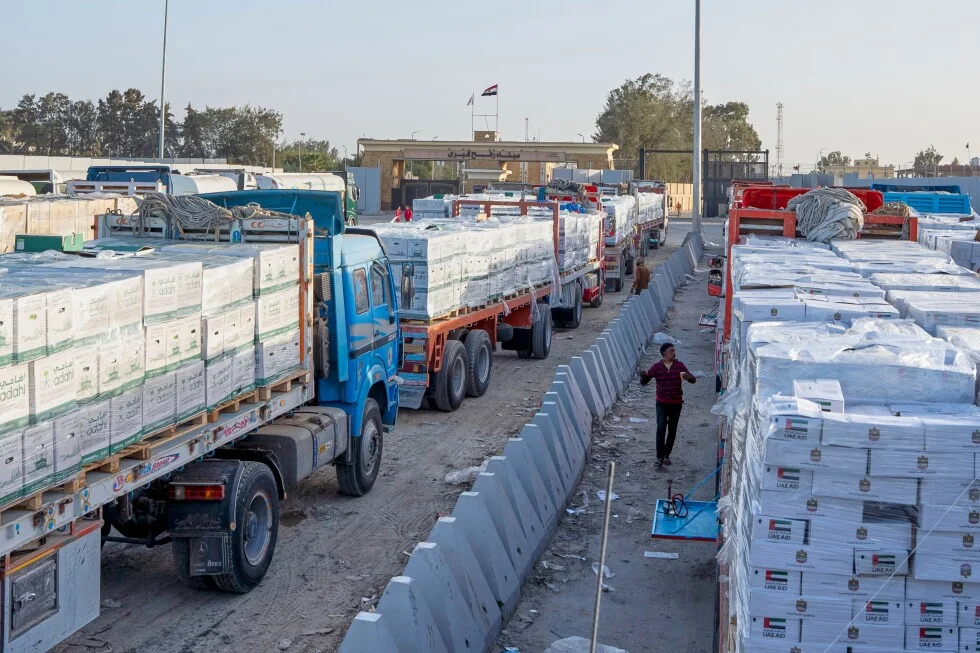
About 200 aid trucks, including four fuel trucks, are expected to enter Gaza through the Kerem Shalom border crossing on Sunday, as the Rafah crossing remains closed due to Israeli military control. This comes after Egypt and the U.S. agreed to send aid via Israel's Kerem Shalom crossing to address the imminent famine threat in Gaza.
Egypt has agreed to facilitate United Nations humanitarian aid trucks through Israel's main crossing into Gaza, but the situation remains uncertain as Israel intensifies its offensive against Hamas militants. The Rafah crossing into Egypt has been seized by Israeli troops and is currently inoperative, while the Kerem Shalom crossing remains open but dangerous due to ongoing fighting. The International Court of Justice has called for Israel to cease its operations in Rafah and allow unhindered humanitarian aid, but enforcement remains unclear.
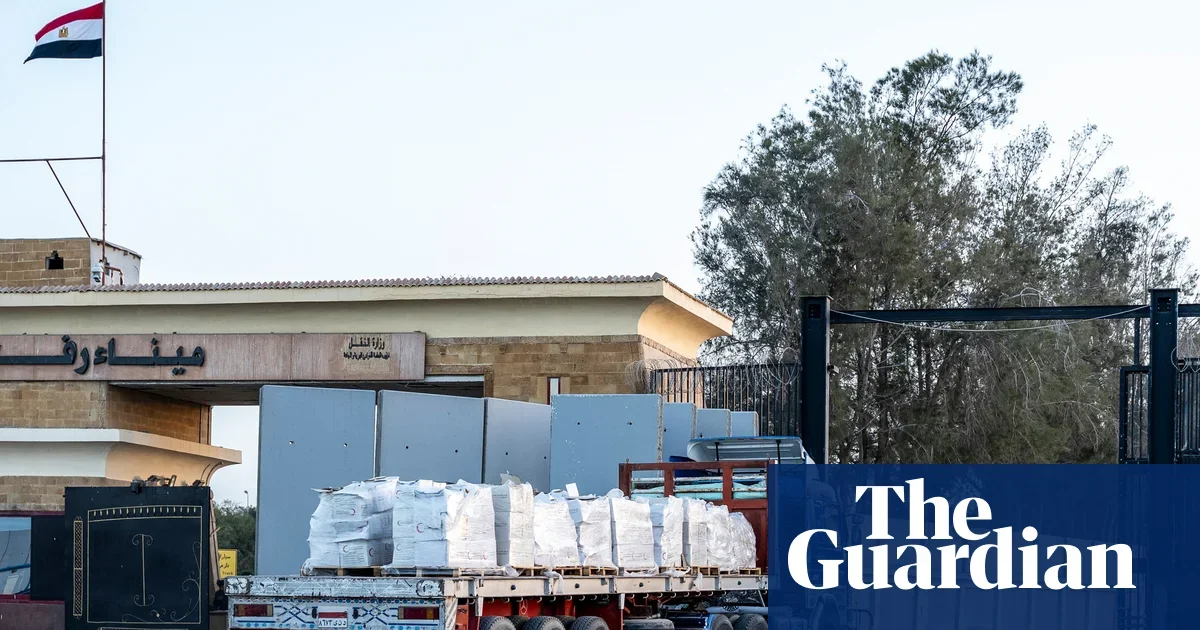
The Rafah border crossing between Egypt and the Gaza Strip has become crucial for aid to enter Gaza, which has been under an Israeli blockade for over 16 years. The crossing is also the only exit for foreigners and critically wounded individuals seeking medical treatment outside of Gaza. However, the scale of Gaza's humanitarian crisis overwhelms the capacity of the crossing, with limited supplies of drinking water and delays in aid distribution. Egypt has been sending aid through Rafah, but it is insufficient to meet the needs of the 2.3 million Palestinians trapped in Gaza. The United Nations has called on Israel to open one of its border crossings to allow more aid to reach Gaza.
The Israel-Hamas war continues to escalate, with foreign nationals being allowed to leave Gaza through the Rafah crossing, which has faced delays and frustrations. The Israeli military denies firing at Al-Shifa Hospital in Gaza and claims it is not under siege, while the Hamas-controlled health ministry says the hospital is surrounded and staff and patients are unable to evacuate. Pro-Palestinian demonstrations are taking place worldwide, including a massive rally in London with an estimated 300,000 attendees. Arab and Muslim leaders at a summit in Riyadh call for a ceasefire and condemn Israeli aggression, while Hezbollah leader Hassan Nasrallah vows to keep pressure on Israel. The head of the UN relief agency warns that the people of Gaza are being "choked" by the bombardment and siege, and the Iranian president attends the summit in Saudi Arabia to "save the Palestinians."