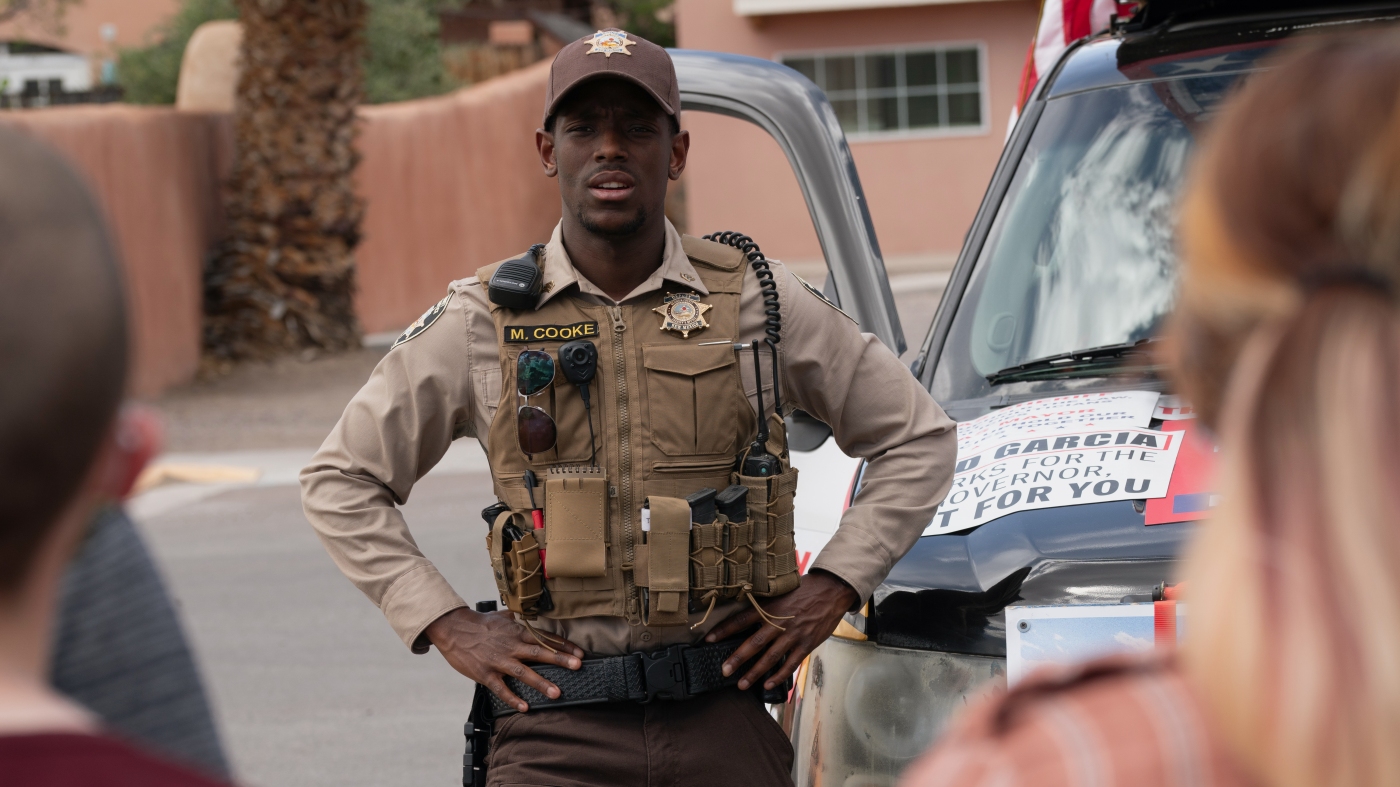
The article critiques Ari Aster's film 'Eddington' for its superficial portrayal of racial issues, particularly highlighting the underdeveloped character of Michael Ward, the sole Black character, and the film's tendency to mimic real-life chaos without deeper exploration, ultimately viewing it as a shallow attempt at social commentary.
The recent legal dispute between former NFL player Michael Oher and the Tuohy family, whose story inspired the film "The Blind Side," has reignited the debate around the white savior trope in Hollywood. The film, which earned over $250 million at the box office and won Sandra Bullock an Oscar, tells the story of a wealthy white woman who helps a homeless Black teen escape poverty. Critics argue that such films perpetuate racial stereotypes and undermine the agency of marginalized characters. While Hollywood has faced backlash for its use of the white savior trope, it continues to be a popular narrative choice, with recent examples including "Green Book" and "The Help." However, increased scrutiny and changing cultural mores may lead to more accountability in the industry.
Lawmakers in Mississippi, who are mostly GOP and white, are introducing new crime-fighting laws that the NAACP alleges single out a black-majority city and could have implications on racial representation.