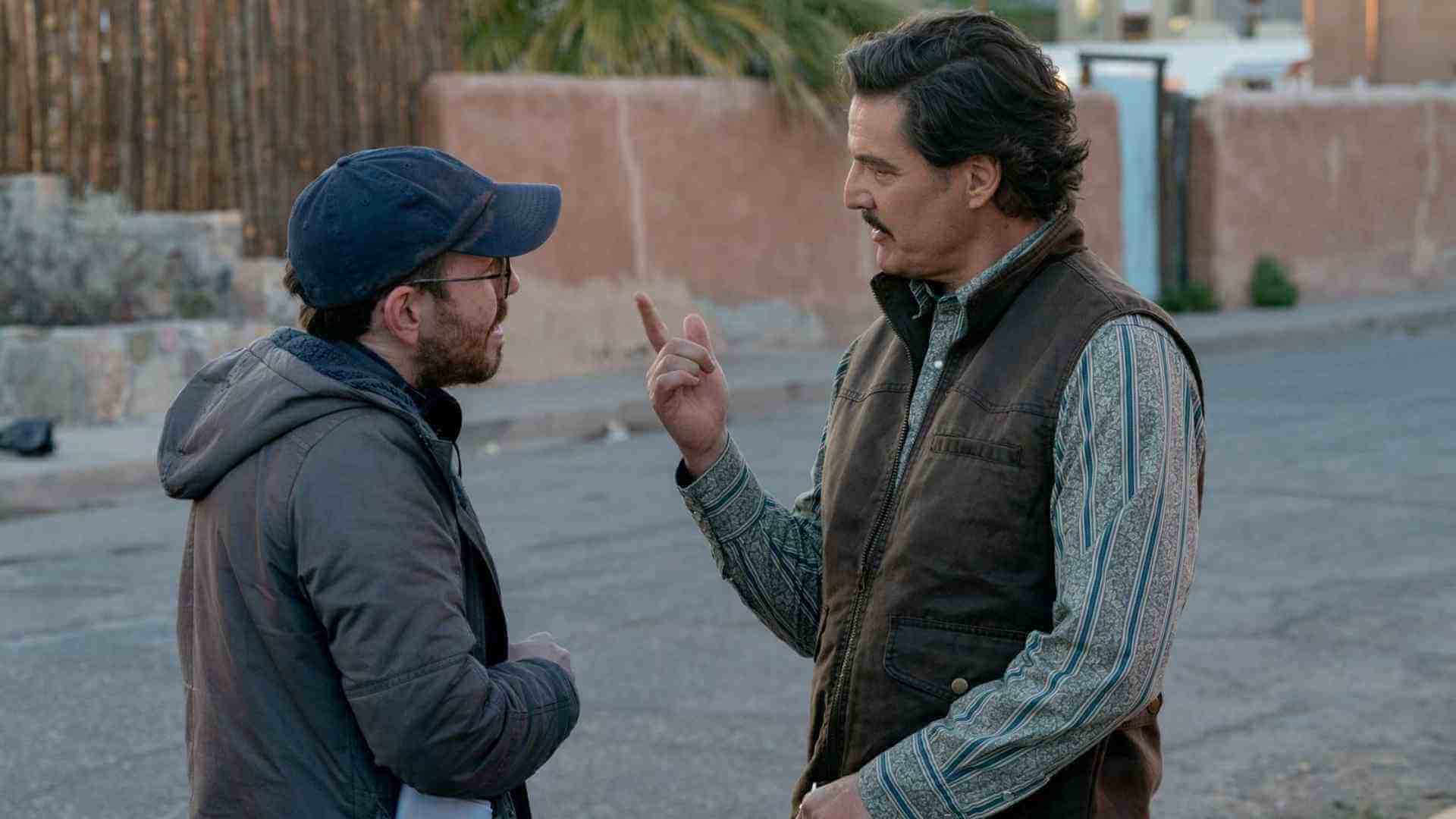
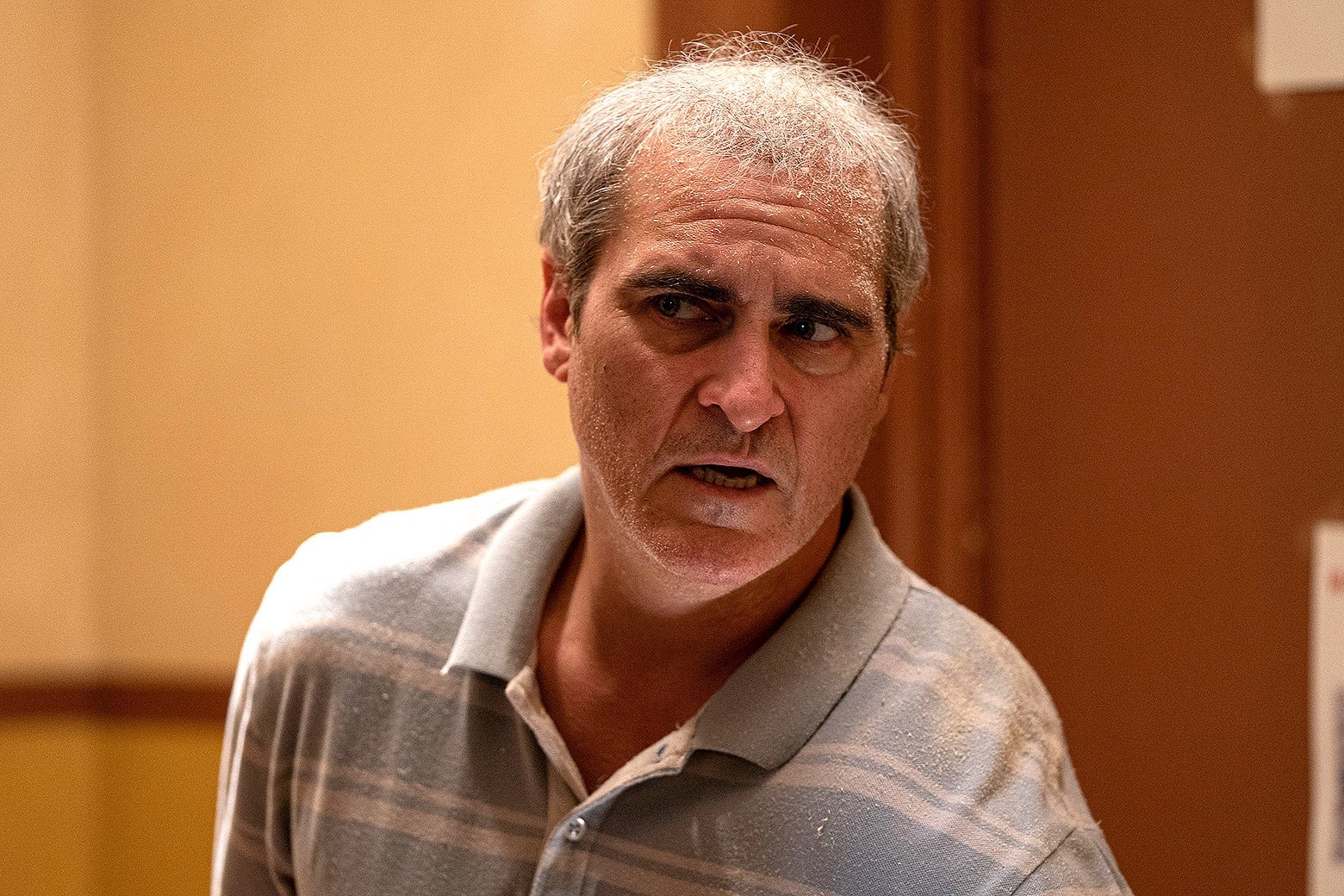
Ari Aster praises Martin Scorsese's work as a liberating influence and finds watching a documentary about him soothing, especially given the divisive reception of his own films. The documentary, based on extensive conversations with Scorsese, highlights his fearless filmmaking and serves as an inspiration for Aster, who values challenging and authentic art.
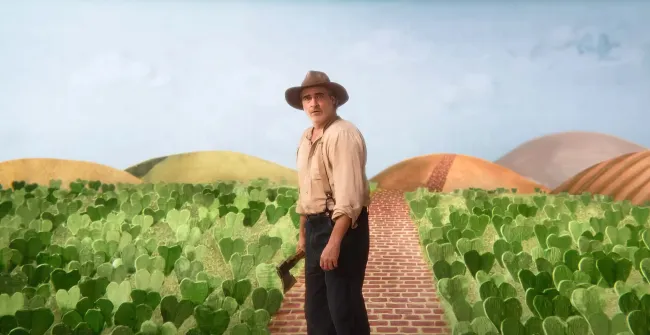
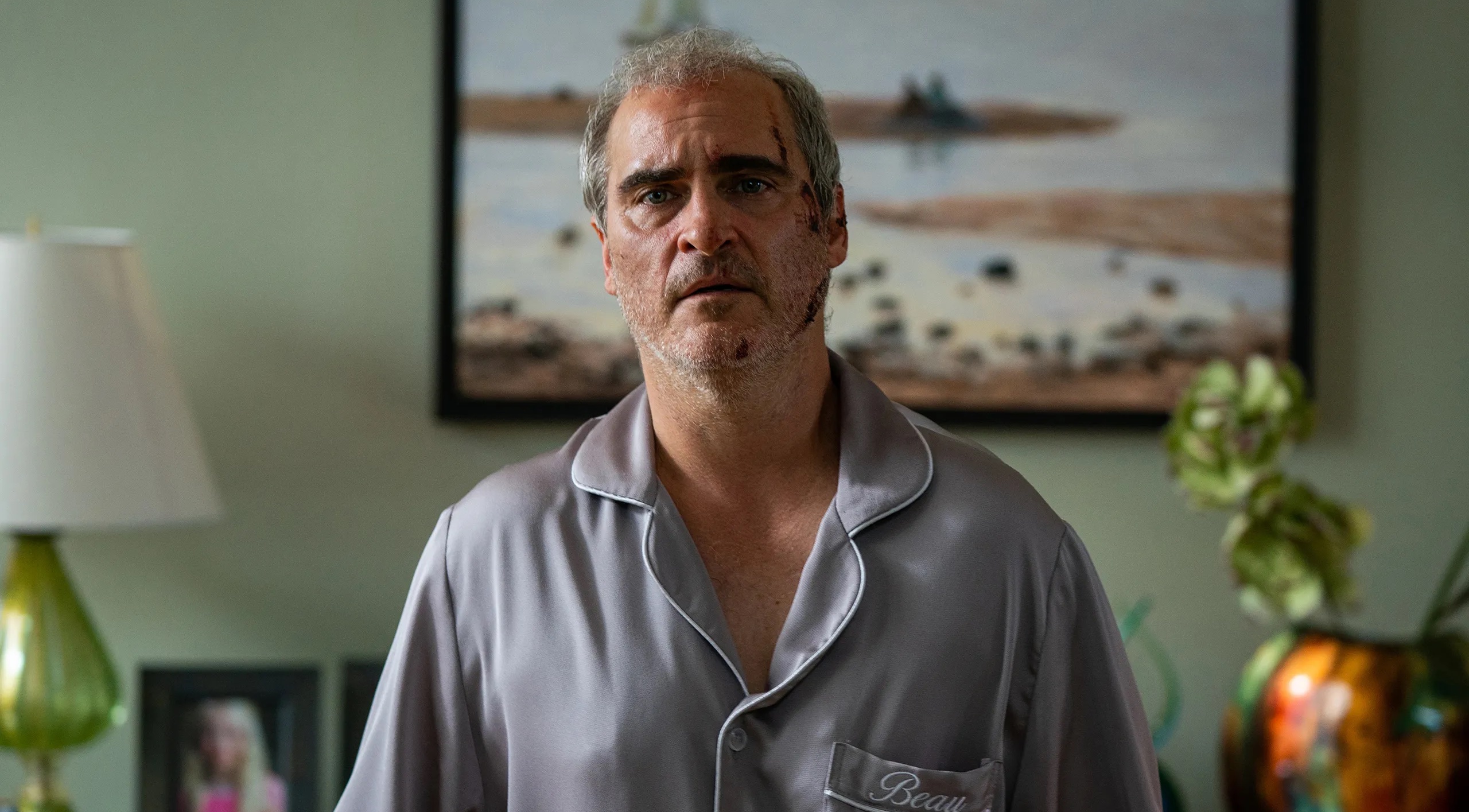
Ari Aster's father advised him not to write his own movies after 'Beau Is Afraid,' which, despite critical acclaim, did not resonate with audiences, leading Aster to reflect on his father's advice.
Ari Aster's film 'Eddington' is a complex, surreal exploration of the chaos and conspiracy theories that emerged during the early COVID-19 pandemic, blending horror, satire, and social critique to depict a town unraveling amidst societal fractures and misinformation, ultimately questioning the nature of truth and reality.
Ari Aster's film 'Eddington' revisits the chaos and trauma of May 2020 during the COVID pandemic, offering a bleak portrayal of societal hysteria and distrust without providing solutions, serving more as a reflection than a call to action.
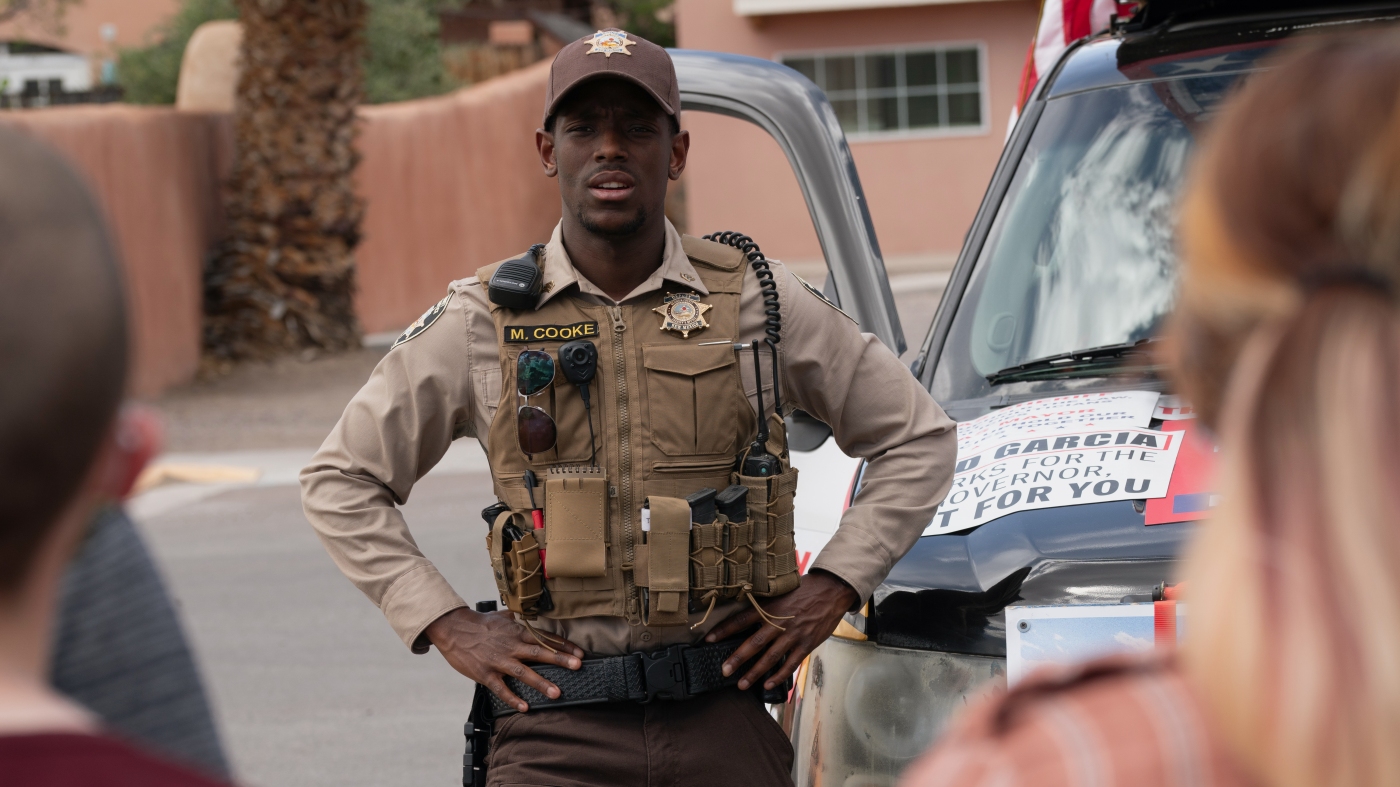
The article critiques Ari Aster's film 'Eddington' for its superficial portrayal of racial issues, particularly highlighting the underdeveloped character of Michael Ward, the sole Black character, and the film's tendency to mimic real-life chaos without deeper exploration, ultimately viewing it as a shallow attempt at social commentary.
Ari Aster, the director of 'Eddington,' wrote the film during the 2020 pandemic and BLM protests, inspired by his negative experiences with social media, which he depicts as having explosive consequences through his characters' conspiracy-driven online diets.
Ari Aster's film 'Eddington' offers a chaotic, visceral social commentary on modern existence during the COVID era, exploring manipulation, political conflict, and societal divisions through a small-town setting and complex characters, with a focus on themes of control, inheritance, and digital influence.
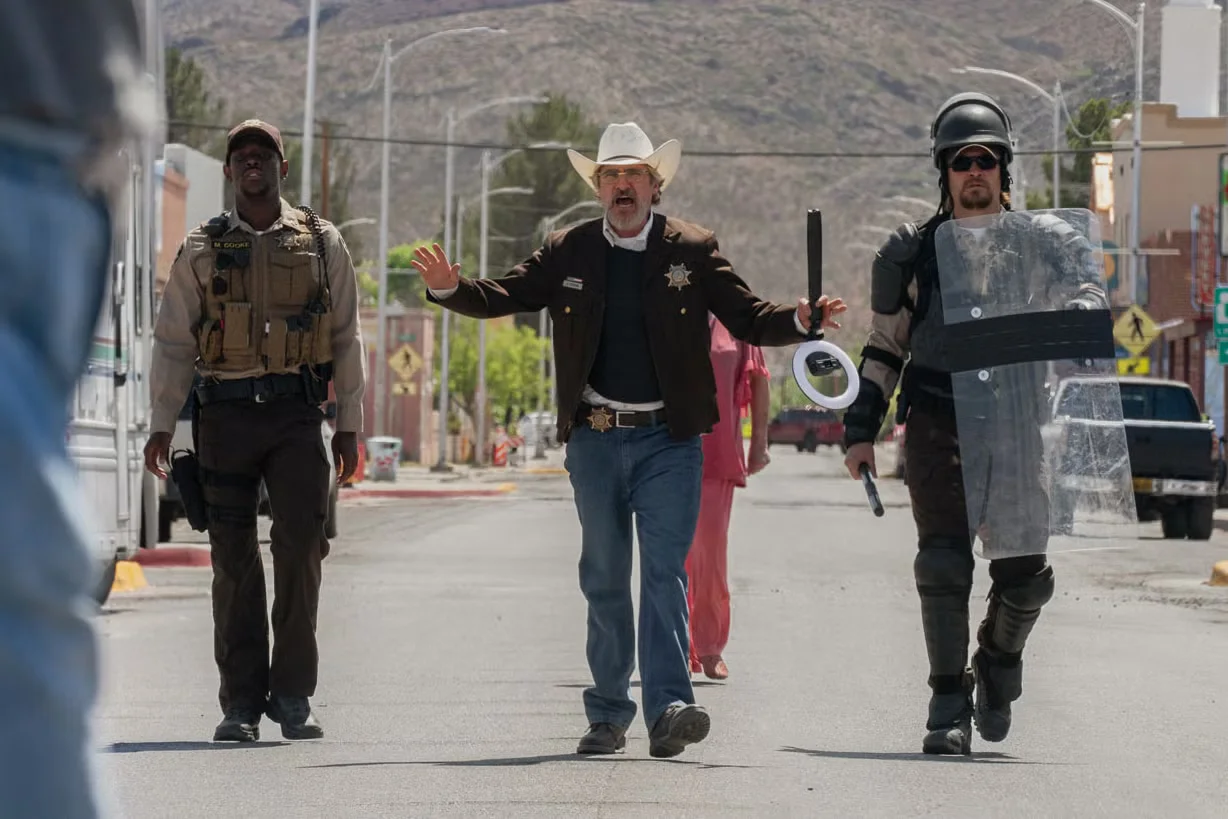
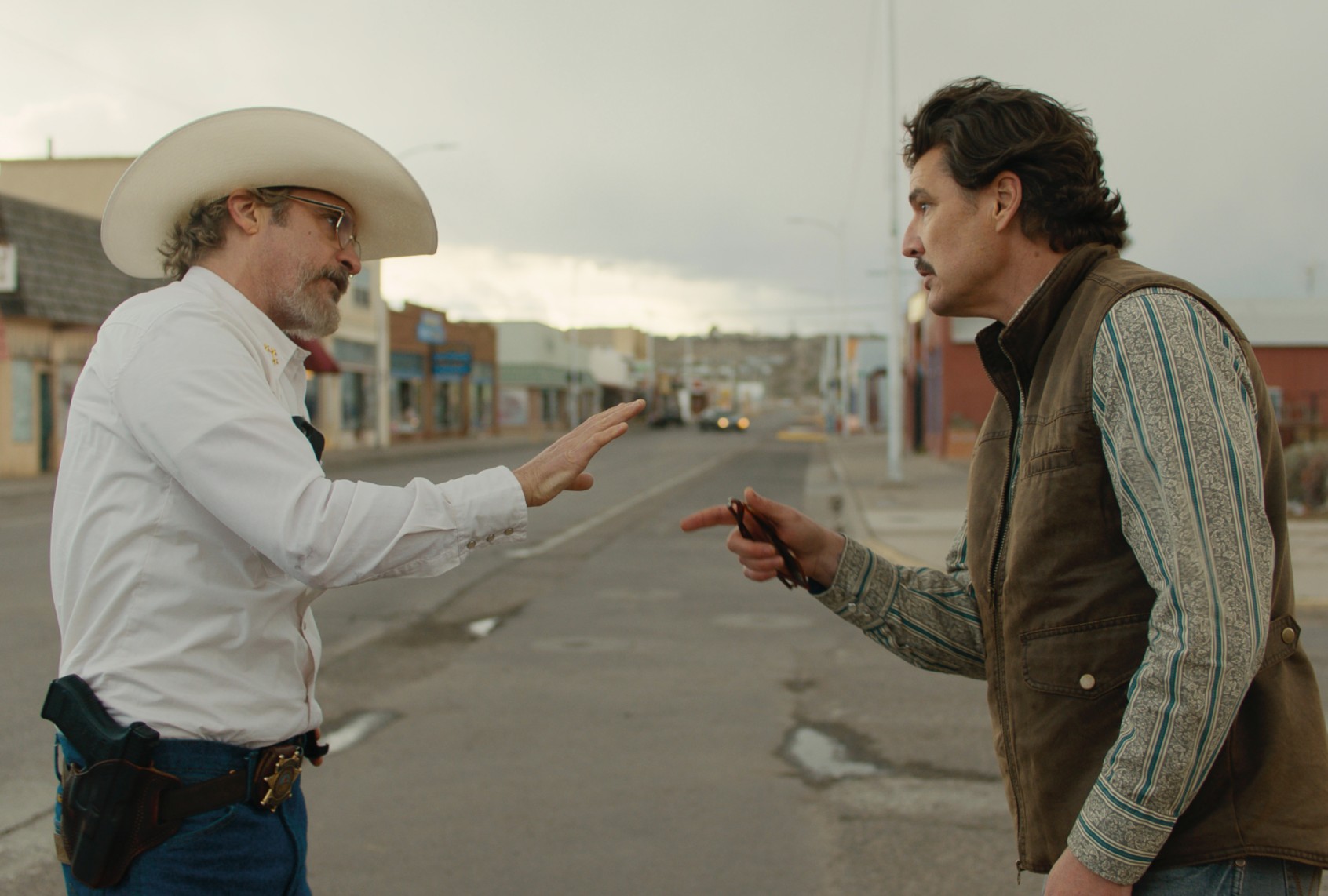
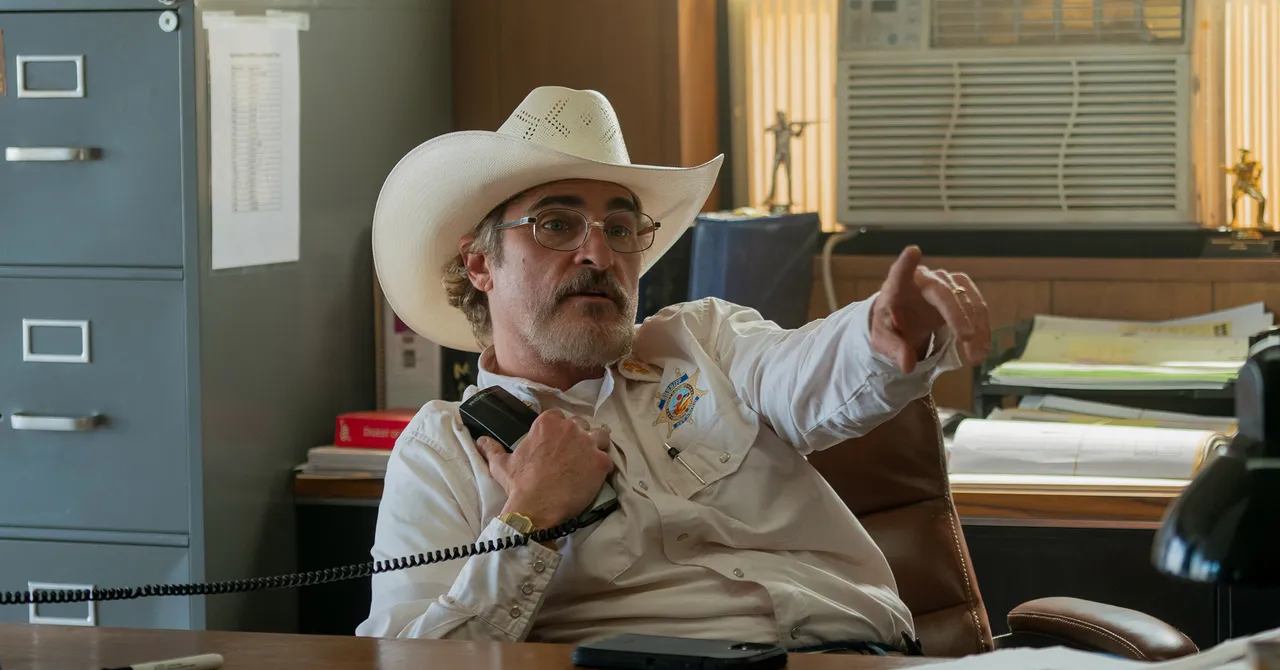
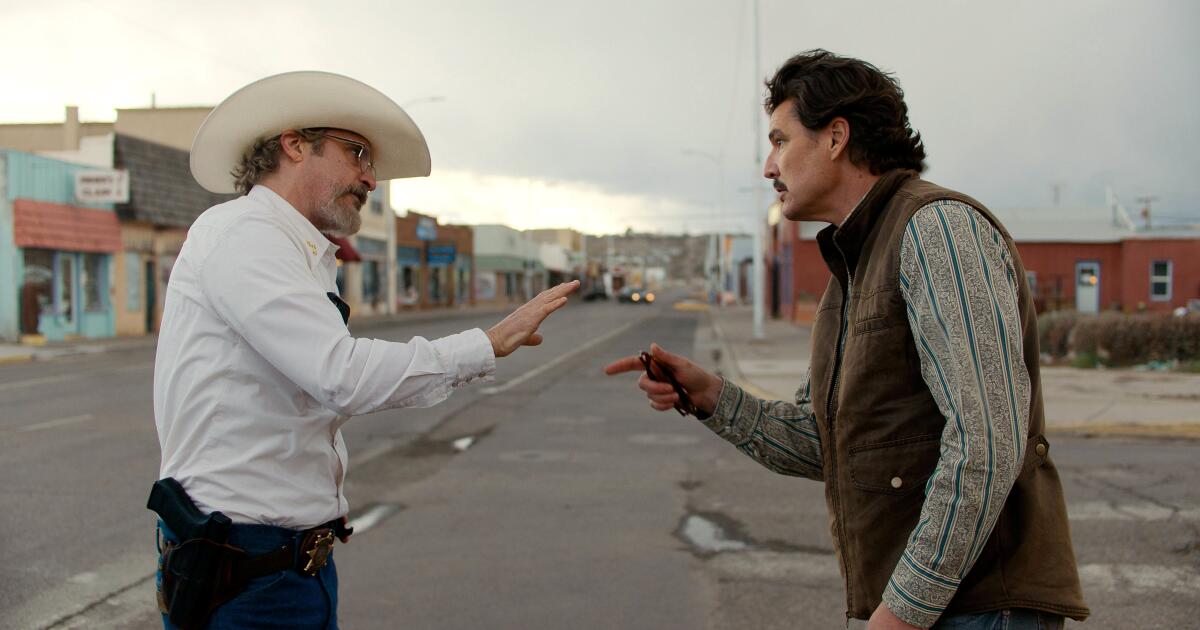
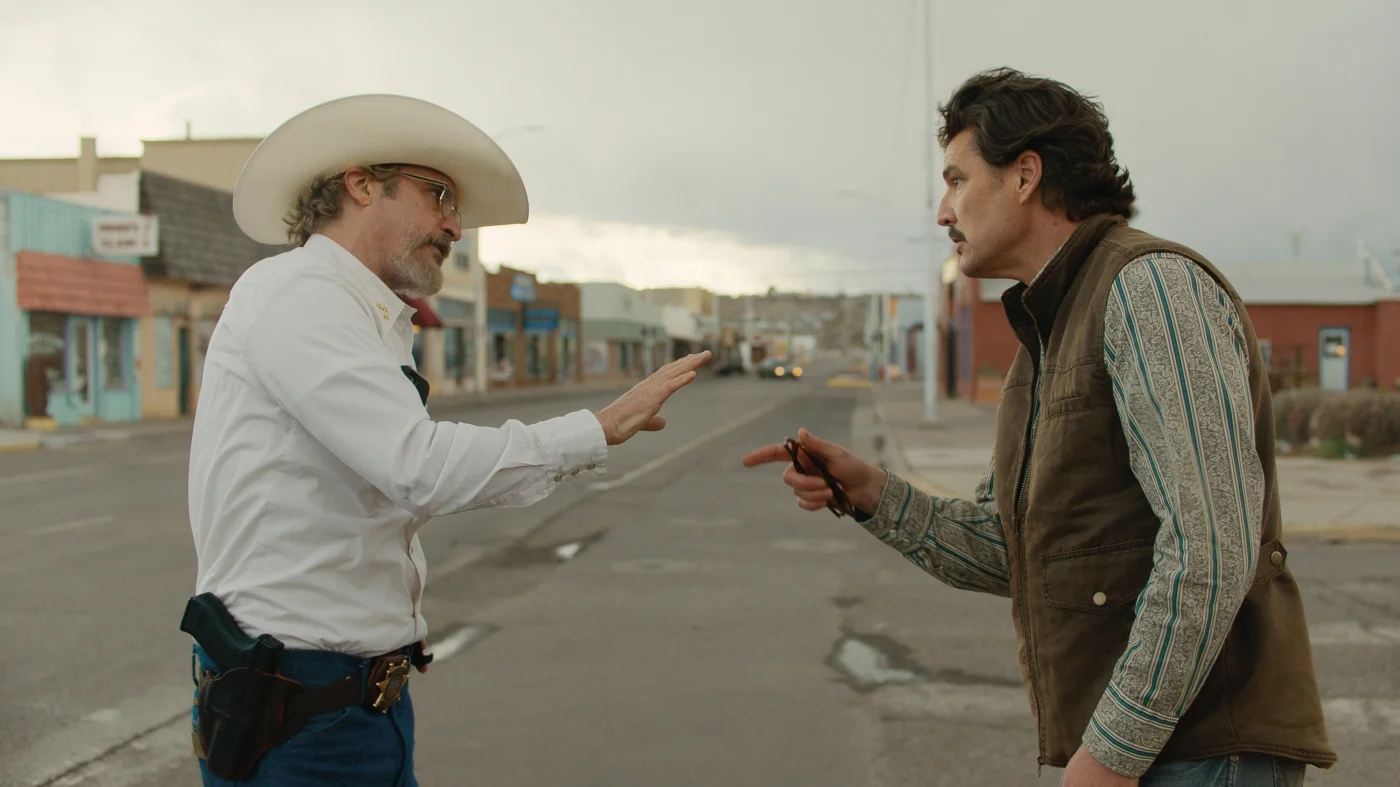
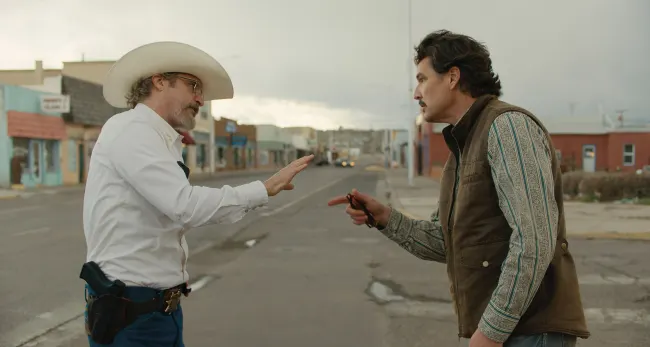
Eddington, directed by Ari Aster and starring Joaquin Phoenix, is a darkly comic social satire set in a fictional New Mexico town during the early COVID pandemic, exploring themes of misinformation, social media influence, and societal division through exaggerated characters and bleak humor.
Ari Aster's film 'Eddington' is a tense, satirical portrayal of a small New Mexico town during the COVID-19 pandemic, exploring themes of division, paranoia, and violence amid cultural conflicts, with a hopeful message about understanding and change.
Ari Aster discusses his film Eddington, highlighting its themes of societal dread, the influence of current crises like COVID and political unrest, and the challenge of representing diverse voices and truths. He emphasizes the film's satirical nature, its reflection on collective insanity, and the broader questions about human values and the future shaped by technocapitalism and AI. The interview explores how Aster's personal experiences and societal observations influence his filmmaking, aiming to provoke thought and dialogue.
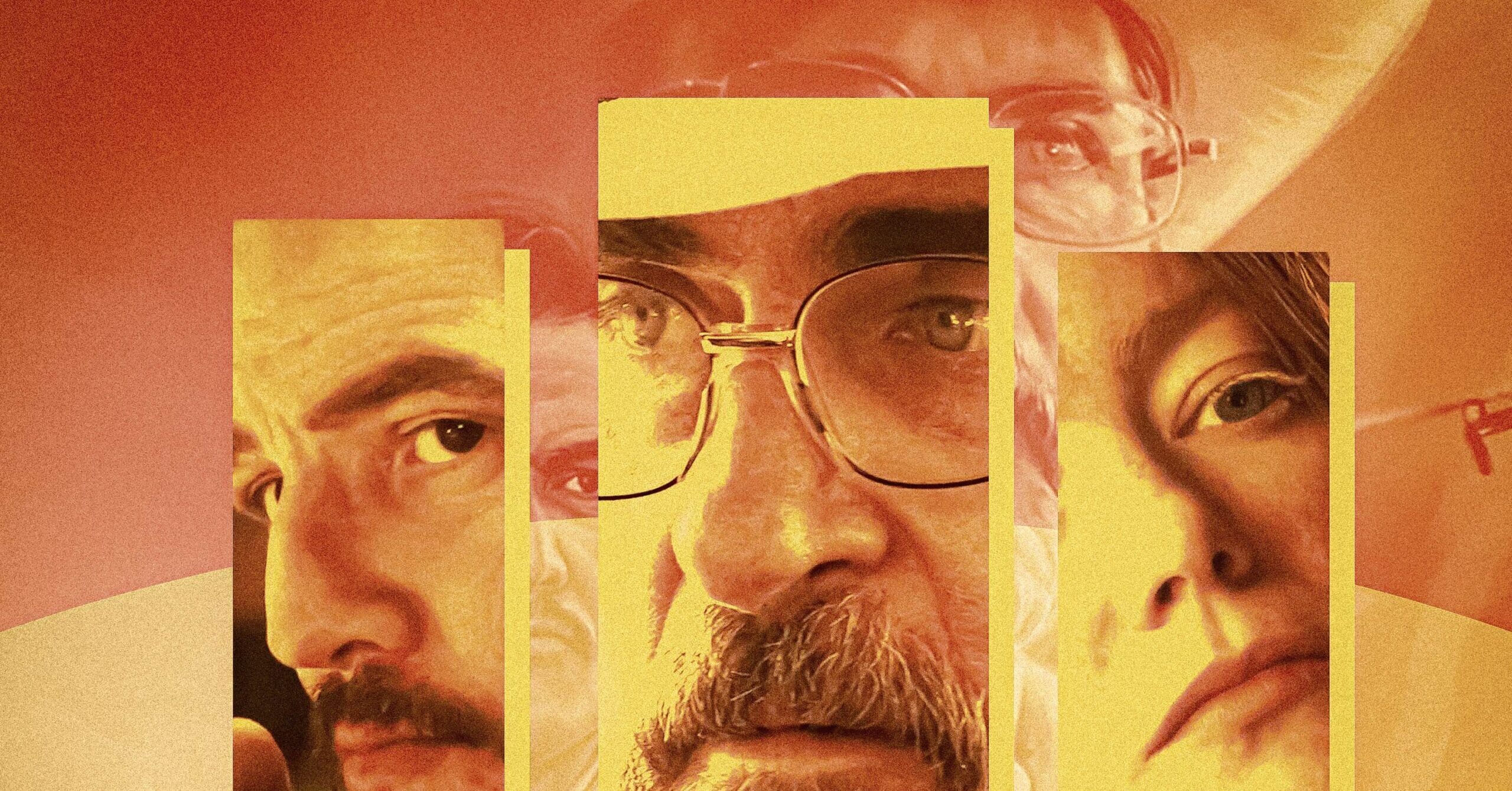
The trailer for 'Eddington', directed by Ari Aster and starring Joaquin Phoenix, Emma Stone, Pedro Pascal, and Austin Butler, showcases a Western film set during the pandemic, scheduled for release in July after its Cannes debut.
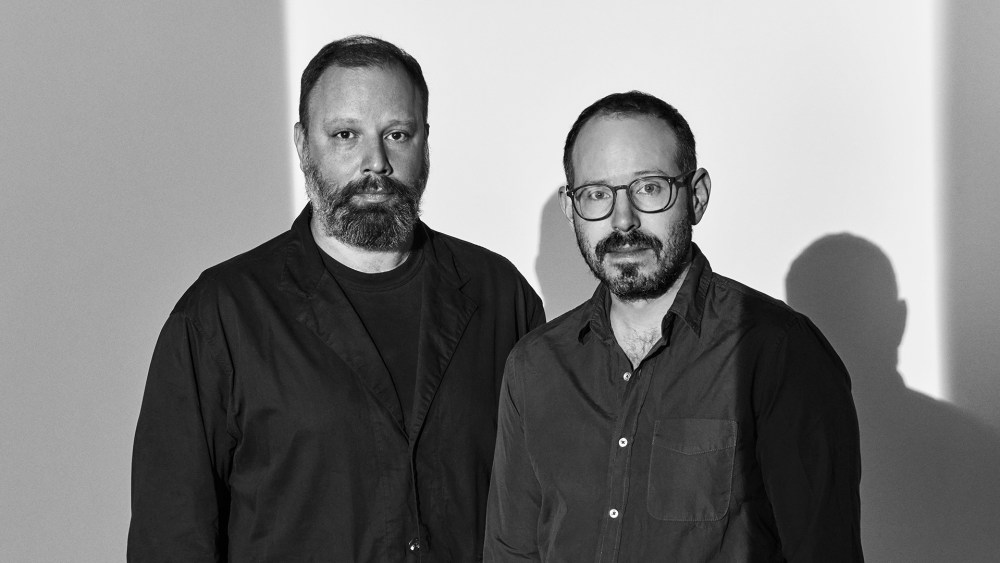
Directors Yorgos Lanthimos and Ari Aster discuss their latest films, "Poor Things" and "Beau Is Afraid," respectively, as well as their collaboration with actors Emma Stone and Joaquin Phoenix. They also touch on the use of intimacy coordinators for sex scenes and the challenges of creating expansive visual worlds in their movies.
Director Ari Aster expresses disappointment with the reception of his film "Beau Is Afraid," stating that the audience was indifferent and failed to fully engage with the divisive movie. Aster highlights the buried elements and Easter eggs in the film that have yet to be discussed, expressing frustration that they went unnoticed. Despite the polarizing nature of the film, Aster hoped for a more enthusiastic response and regrets that it may have deterred people from watching it. He remains proud of the film and is reuniting with actor Joaquin Phoenix for his next project, a Western.
Prosthetic effects designer Steve Newburn created a 16-foot-tall animatronic penis monster for Ari Aster's latest film, "Beau Is Afraid." The creature, which features a large, circumcised penis with eyes and teeth on its head, two arachnid arms, two enormous and swollen testicles, and a sac with numerous smaller penises protruding like udders, is a metaphorical representation of the protagonist's fractured filial relationships. The effects team spent nine weeks constructing the monster, which was modular for easier transportation, and required five puppeteers to bring it to life. Despite dividing critics and audiences, the giant penis monster epitomizes the movie's existential debates and Aster's own dark and idiosyncratic mind.
Production designer Fiona Crombie discusses the intricate and deliberate use of signage in Ari Aster's new film, Beau Is Afraid. The film is packed with ominous signifiers, sight gags, and sight gags that ominously signify, creating a dense thicket of symbols that oppress the protagonist, Beau Wasserman. Crombie also talks about the creation of the world of Mona Wasserman's MW corporation, which seems to control Beau's life through its wild products. The film's impossibly dense deluge of signifiers is not merely generally oppressive but specifically oppressive.