
Unveiling Neutron Star Secrets and Quark-Gluon Plasma Shapes
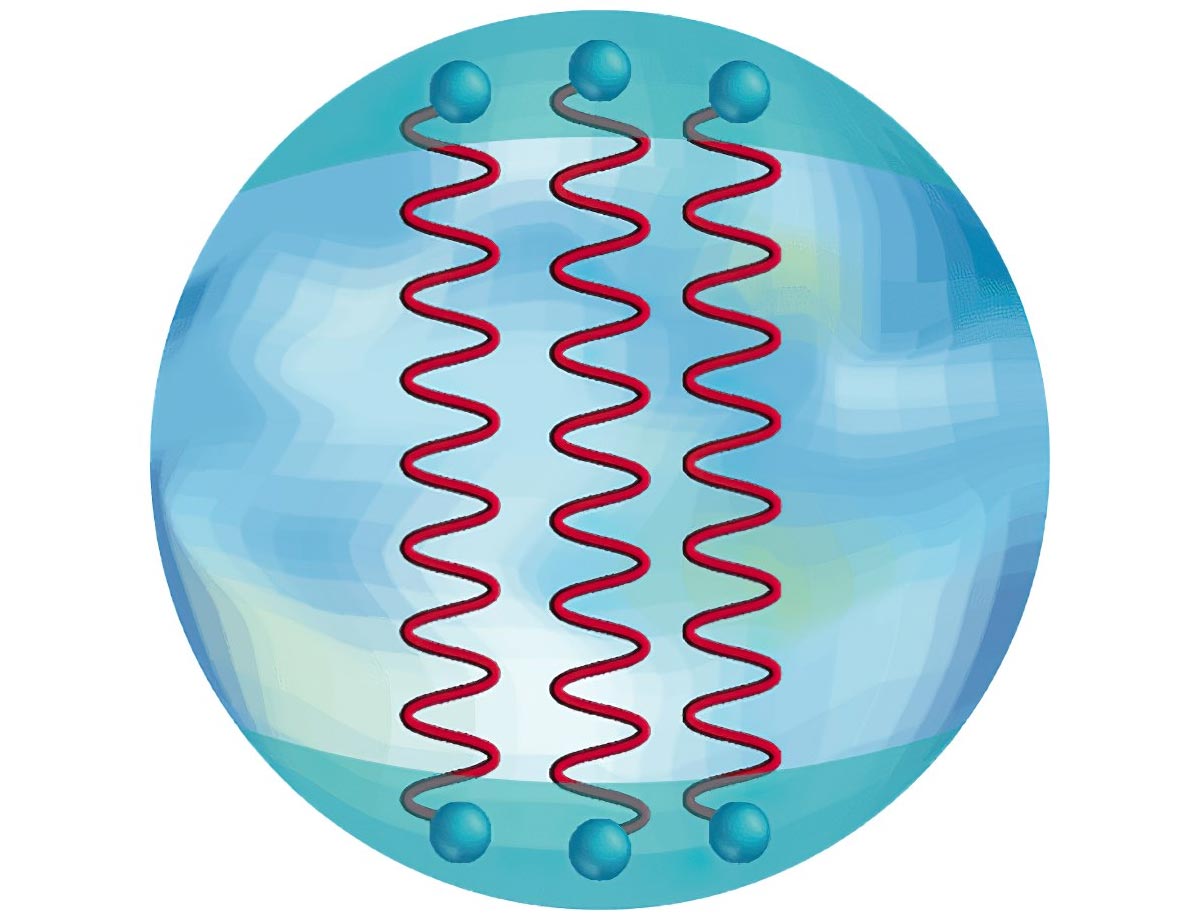
Scientists at Brookhaven National Laboratory have used two-dimensional condensed matter physics to understand the behavior of quark interactions in neutron stars, simplifying the study of these dense cosmic entities. By considering interactions in just one spatial dimension (plus time), researchers were able to solve complex equations describing low-energy excitations in dense nuclear matter. This approach provides new insights into the behavior of neutron stars and could lead to advancements in the study of these exotic celestial objects.