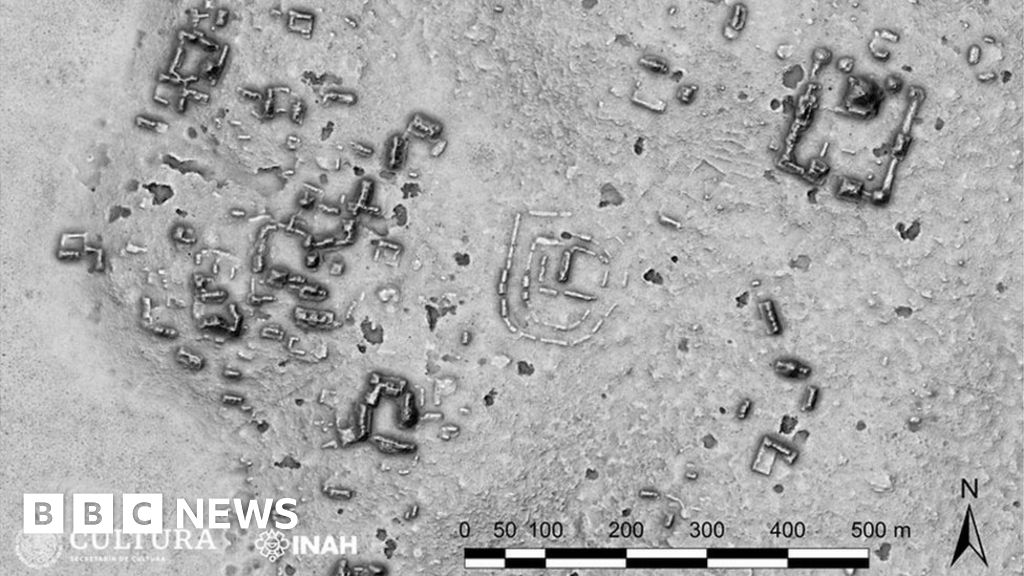
Archaeologists have discovered the remains of an ancient Maya city, named Ocomtún, in the Yucatán Peninsula. The site contains several pyramid-like structures, including cylindrical stone columns that were probably entrances to upper rooms. Pottery found at the site suggests it was inhabited between 600 and 800 AD. The discovery was made in an ecological reserve in the state of Campeche, an area so dense with vegetation that it has been little explored. The site is believed to have served as an important regional centre before falling victim to the collapse of the Lowland Maya civilisation in the 10th Century.
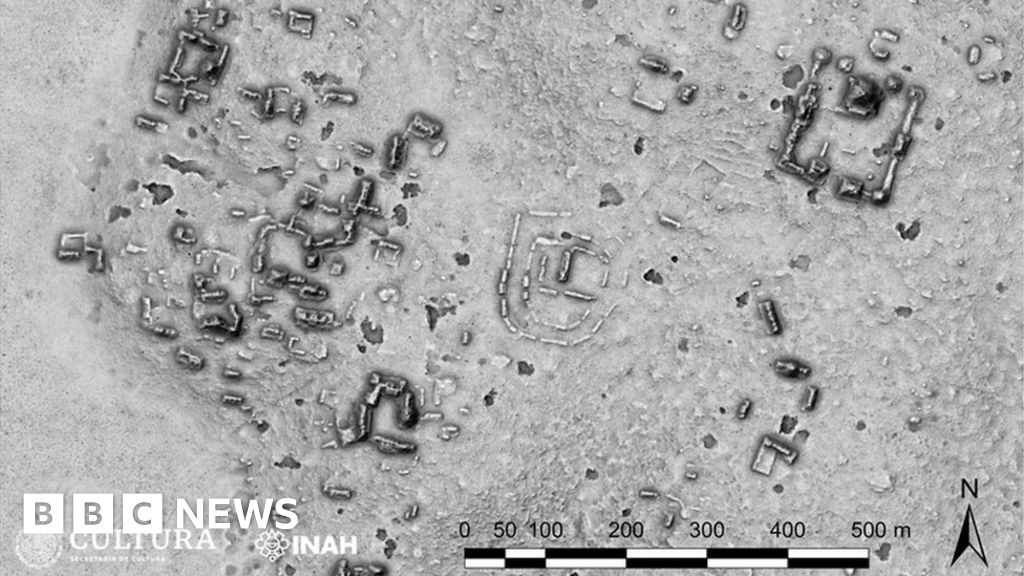
Archaeologists have discovered the remains of an ancient Maya city in the Yucatán Peninsula, Mexico. The site, named Ocomtún, contains several pyramid-like structures measuring over 15m in height and was inhabited between 600 and 800 AD during the Late Classic period. The discovery was made in an ecological reserve in the state of Campeche, an area dense with vegetation that has been little explored. The site is believed to have served as an important regional centre and probably underwent considerable changes between 800 and 1000 AD before falling victim to the collapse of the Lowland Maya civilisation in the 10th Century.