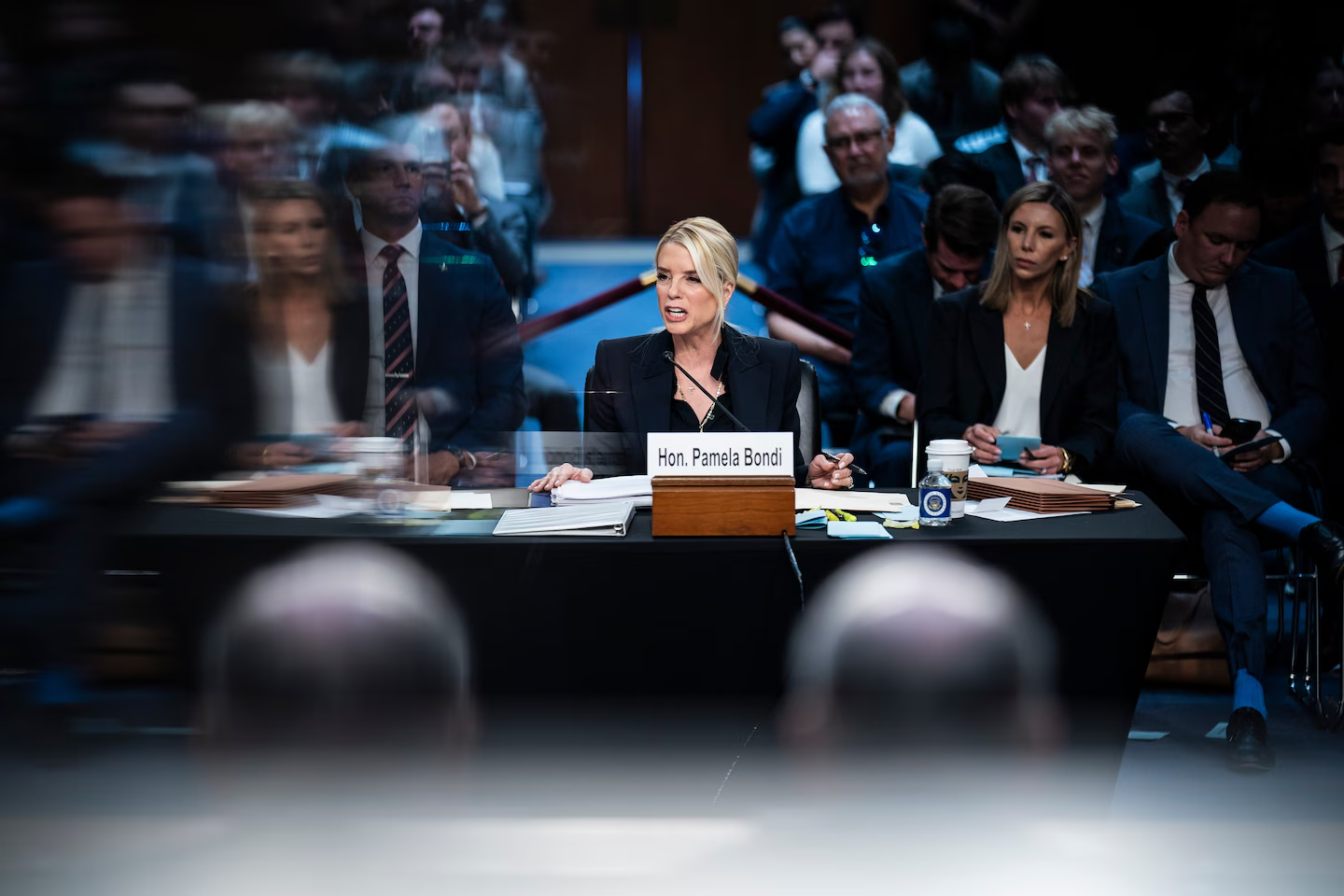
The Justice Department has begun releasing a large collection of documents related to Jeffrey Epstein, fulfilling legal obligations to make records public that have been long sought by his victims, amidst ongoing political controversy.
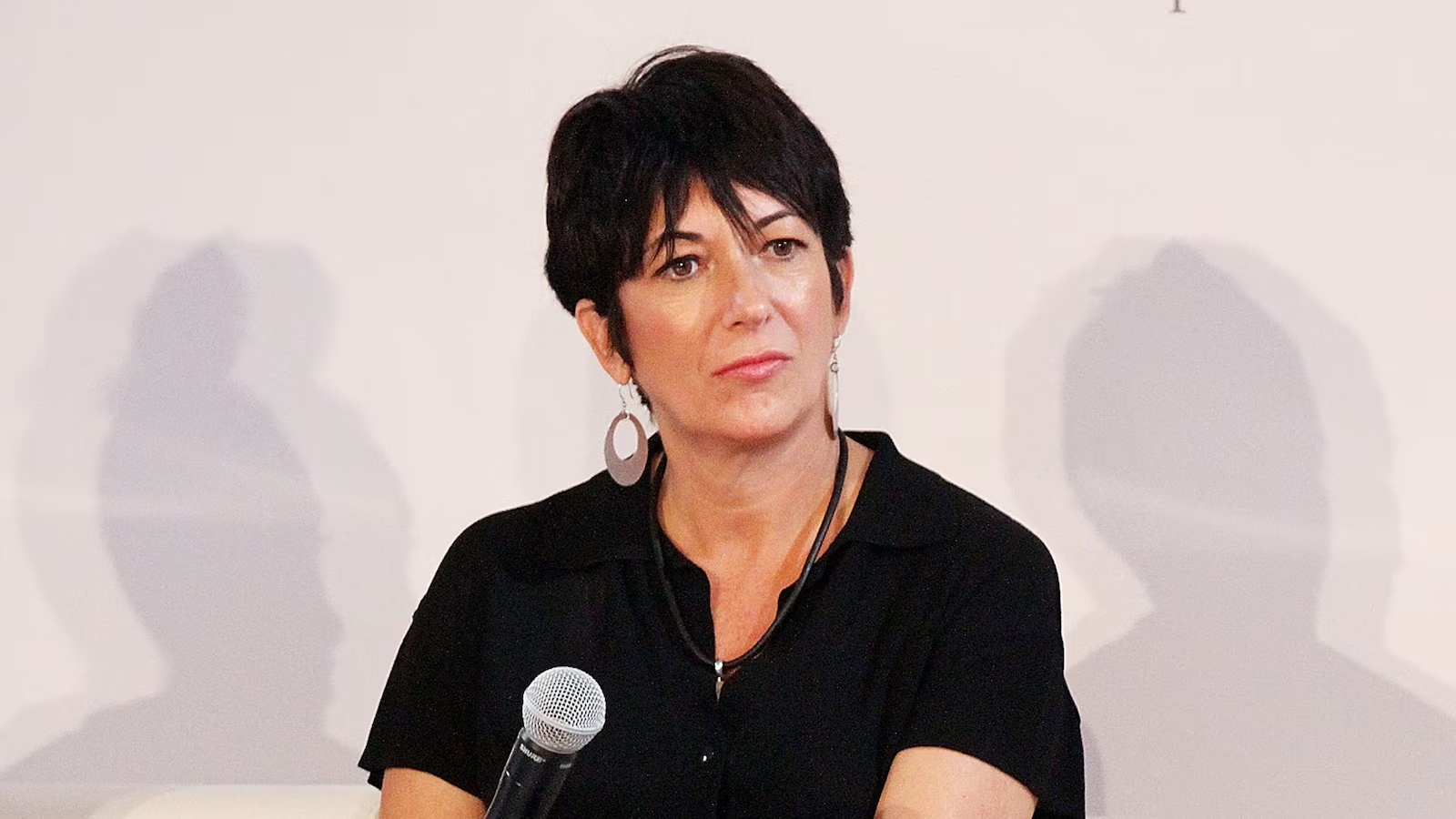
Ghislaine Maxwell, during a nine-hour DOJ interview, stated she saw no harmful actions by Trump and indicated the transcripts might be publicly released soon, amid ongoing legal and political discussions.
The article discusses the ongoing efforts and challenges faced by the Justice Department in releasing records related to Jeffrey Epstein and Ghislaine Maxwell, including grand jury transcripts, evidence from searches, and civil court documents, amid concerns over redactions and transparency, with many details already partially public through court cases and reports.
OpenAI has released a new set of videos generated by its Sora AI model, showcasing its capabilities such as a horse on rollerskates and a bubble dragon. The team has hinted at a public release, but safety research and video generation time are delaying its availability. Sora's unique architecture and diverse training data set set it apart from other AI video models, and the team is working on fine detail controls for future releases. Despite the anticipation, Sora is not yet a product, and there is no timeline for its public availability.
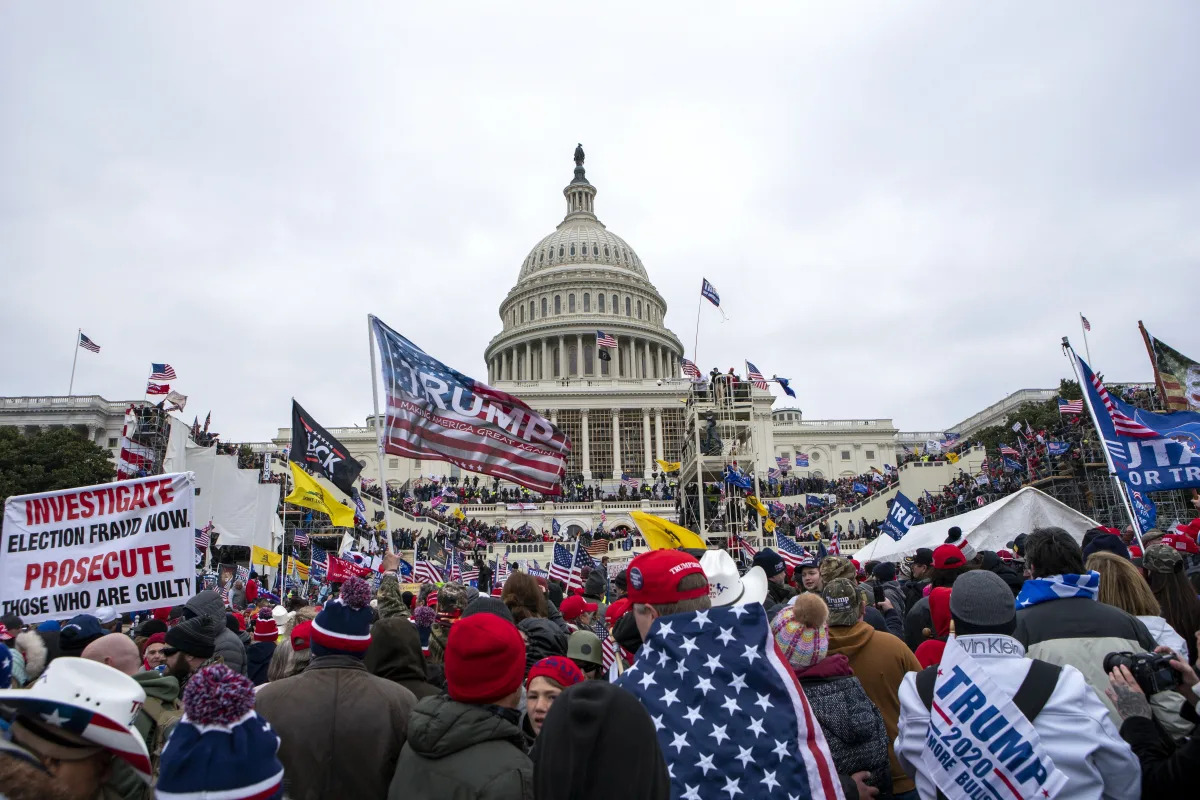
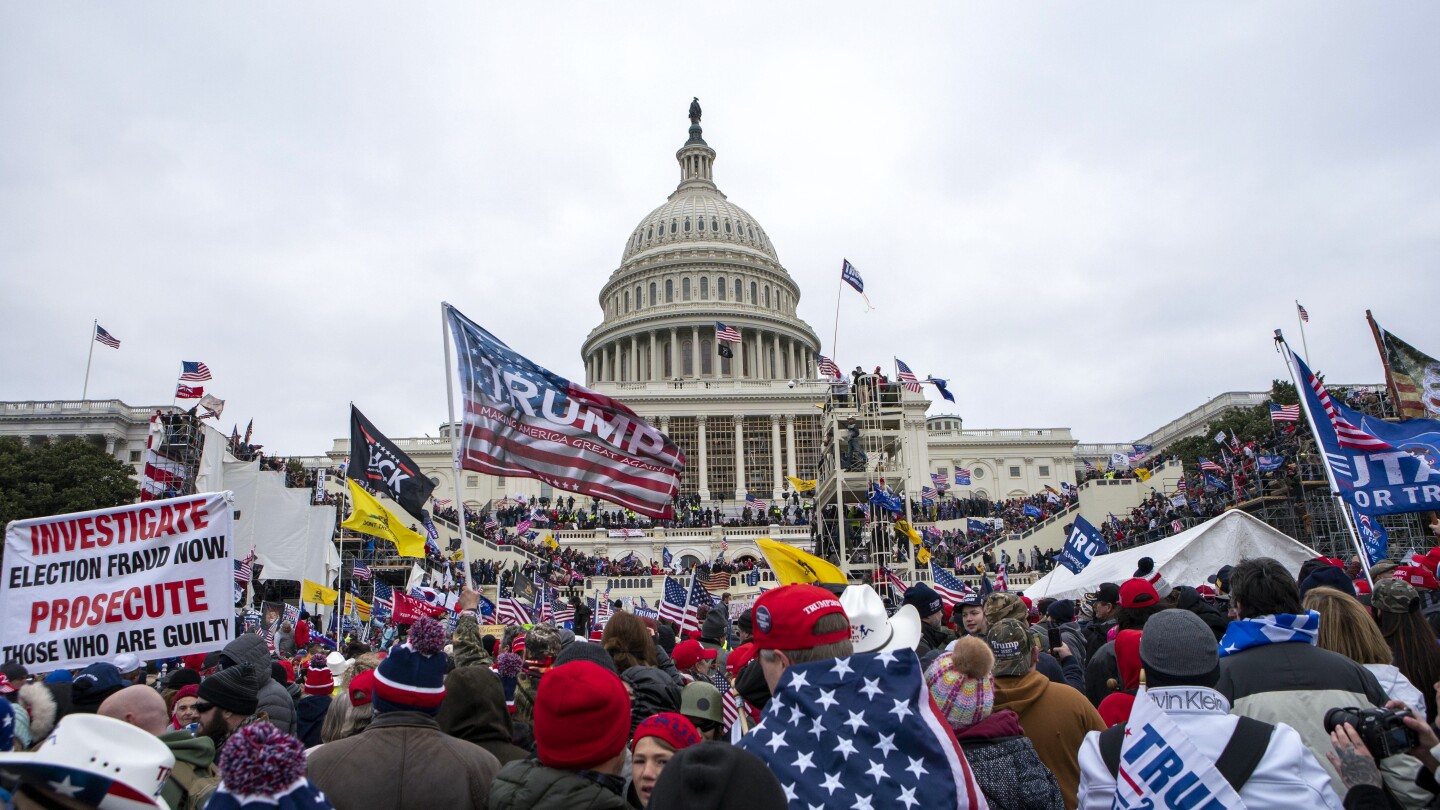
House speaker Mike Johnson has announced plans to publicly release 44,000 hours of footage from the January 6, 2021, attack on the US Capitol. The first tranche of security footage, around 90 hours, will be released on a public committee website, with the rest expected to be posted over the next several months. Johnson's decision fulfills a promise he made to far-right members of his party and grants the general public unprecedented access to the sensitive and explicit footage. The move has been applauded by former President Donald Trump and Representative Matt Gaetz, but critics have raised concerns about the potential safety risks. Johnson stated that faces will be blurred and sensitive security information will be withheld from public release.
The guilty plea and prison sentence of Samuel Lazar, a Pennsylvania man involved in the U.S. Capitol riot, have been kept under seal due to his cooperation with federal authorities. Prosecutors have acknowledged that Lazar provided information as part of a plea agreement, including naming individuals responsible for criminal conduct who have not been charged. The release of this information could interfere with ongoing investigations. While hundreds of individuals involved in the Capitol riot have pleaded guilty, it is rare for records to be sealed. A coalition of news outlets has requested the unsealing of Lazar's records, and prosecutors and Lazar's attorney are seeking 30 days to redact records of his cooperation before public release. U.S. District Judge Amy Berman Jackson has yet to rule on the requests.
Samuel Lazar, a Pennsylvania man charged in connection with the U.S. Capitol riot, had his guilty plea and prison sentence sealed due to his cooperation with federal authorities. Prosecutors argue that publicly releasing information about Lazar's cooperation could interfere with ongoing investigations. More than 1,100 people have been charged in relation to the January 6th events, but it is rare for records to be sealed, even in cases involving cooperation. Lazar, who was released from custody after serving a 30-month sentence, had his cooperation discussed at a closed sentencing hearing in March 2023. A coalition of news outlets has requested the unsealing of records, while the court is considering redacting them before public release.