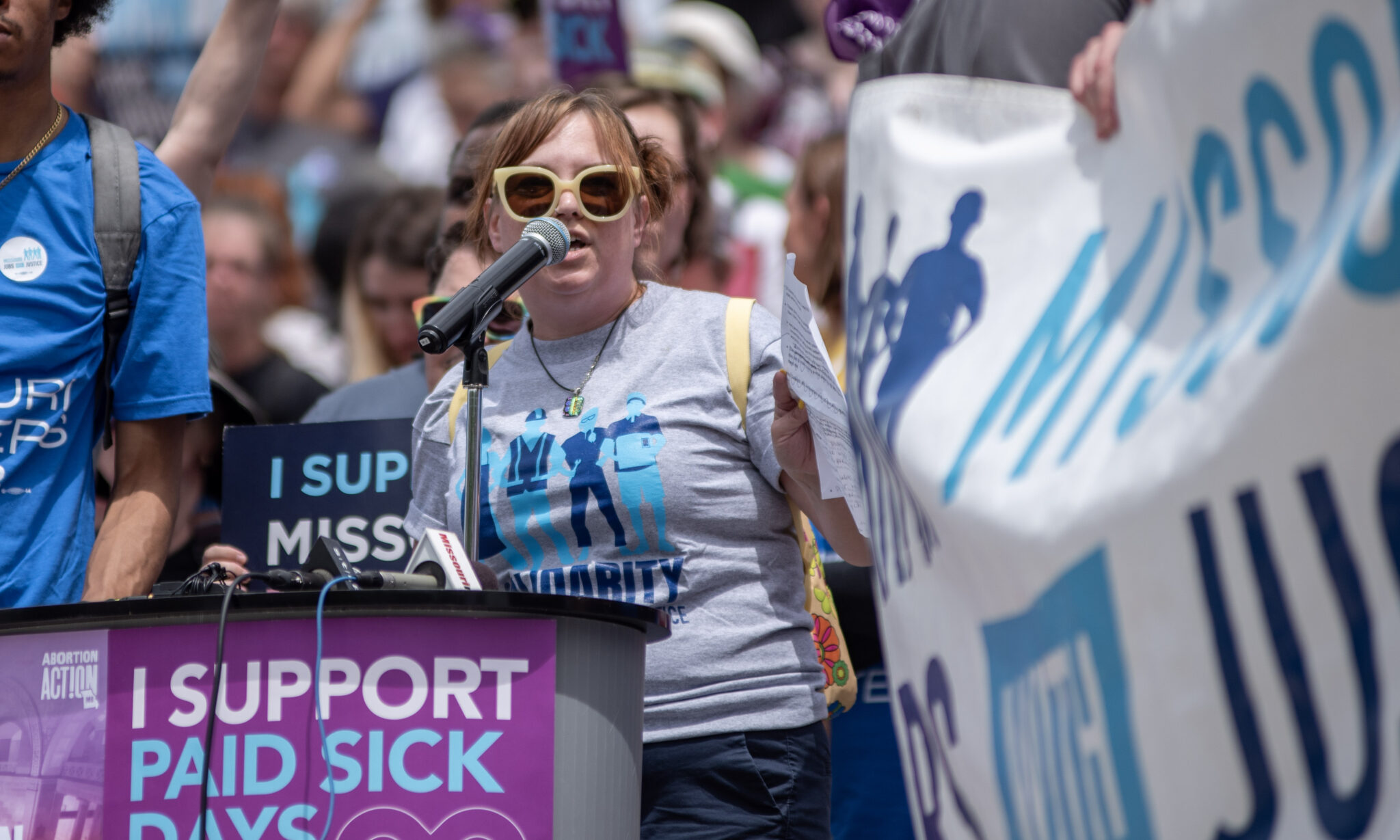
Missouri voters approved Proposition A to expand paid sick leave, benefiting over 700,000 workers, but the law was repealed by the GOP shortly after its implementation, sparking protests and discussions of constitutional measures to protect voter-approved laws.
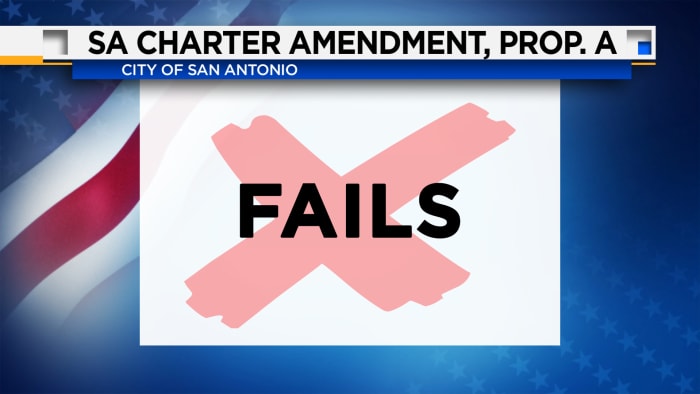
Proposition A, a criminal justice-focused ballot measure in San Antonio, has been overwhelmingly defeated by a margin of about 74% against to 26% for. The measure aimed to decriminalize marijuana possession and abortion, expand the city’s cite-and-release program, create a new “justice director” position, and embed bans on choke holds and no-knock warrants in the city charter. The cite-and-release expansion proved to be the most controversial element, with opponents arguing it would increase crime. The enforceability of the ballot initiative was also in doubt, and San Antonio’s city attorney said only the justice director position was enforceable.
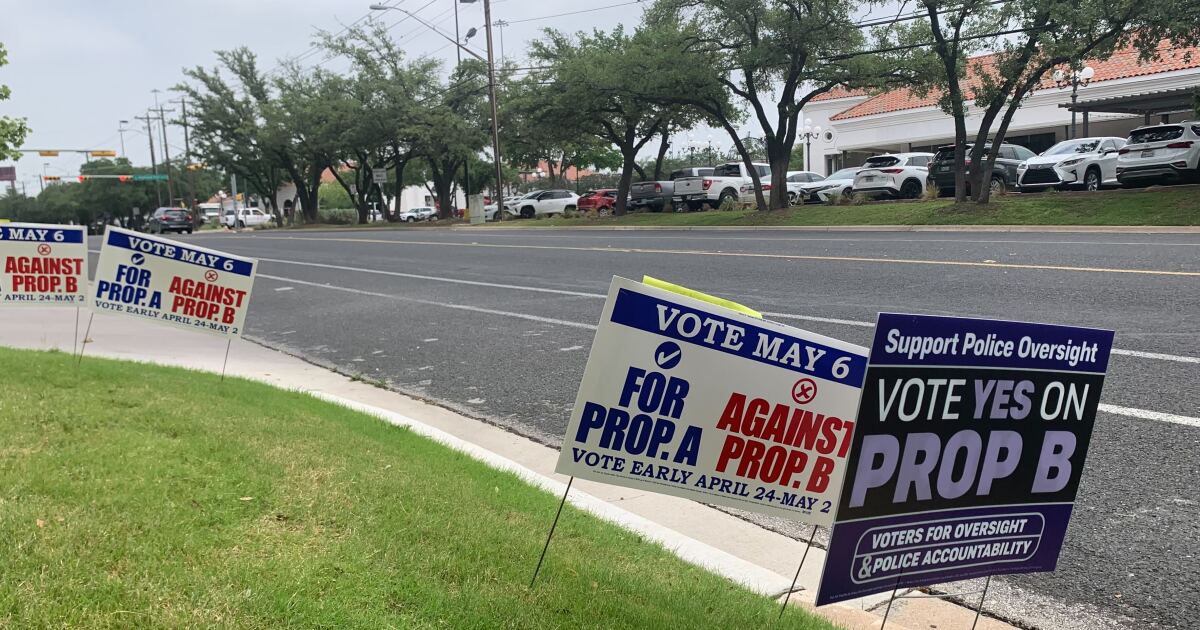
Early voting results show that 80% of Austin voters support Proposition A, which would expand civilian oversight of the police department, while 81% voted against Proposition B, which would curtail citizen oversight and was backed by the police union. Proposition A, backed by Equity Action, would give the citizen-led Office of Police Oversight more access to investigations and expand its role in fielding complaints and disciplinary decision-making. Just under 7% of voters cast a ballot during early voting.
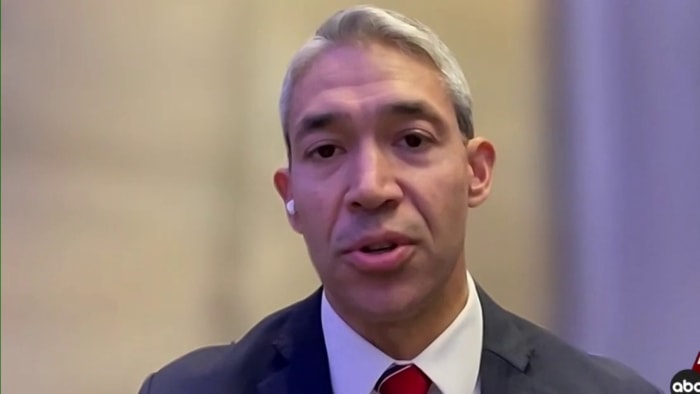
San Antonio Mayor Ron Nirenberg has urged voters to join him in voting against Proposition A in the May 6 election, which would decriminalize misdemeanor marijuana possession and prohibit SAPD officers from investigating, making arrests, or otherwise enforcing “any alleged criminal abortion.” Nirenberg said Prop A is trying to solve problems at the wrong levels of government and that the courts have had success with diversionary programs that help low-level offenders avoid jail time. He added that the San Antonio City Council recently passed a resolution supporting women’s reproductive rights and that they need to work at the state level to get those rights restored.