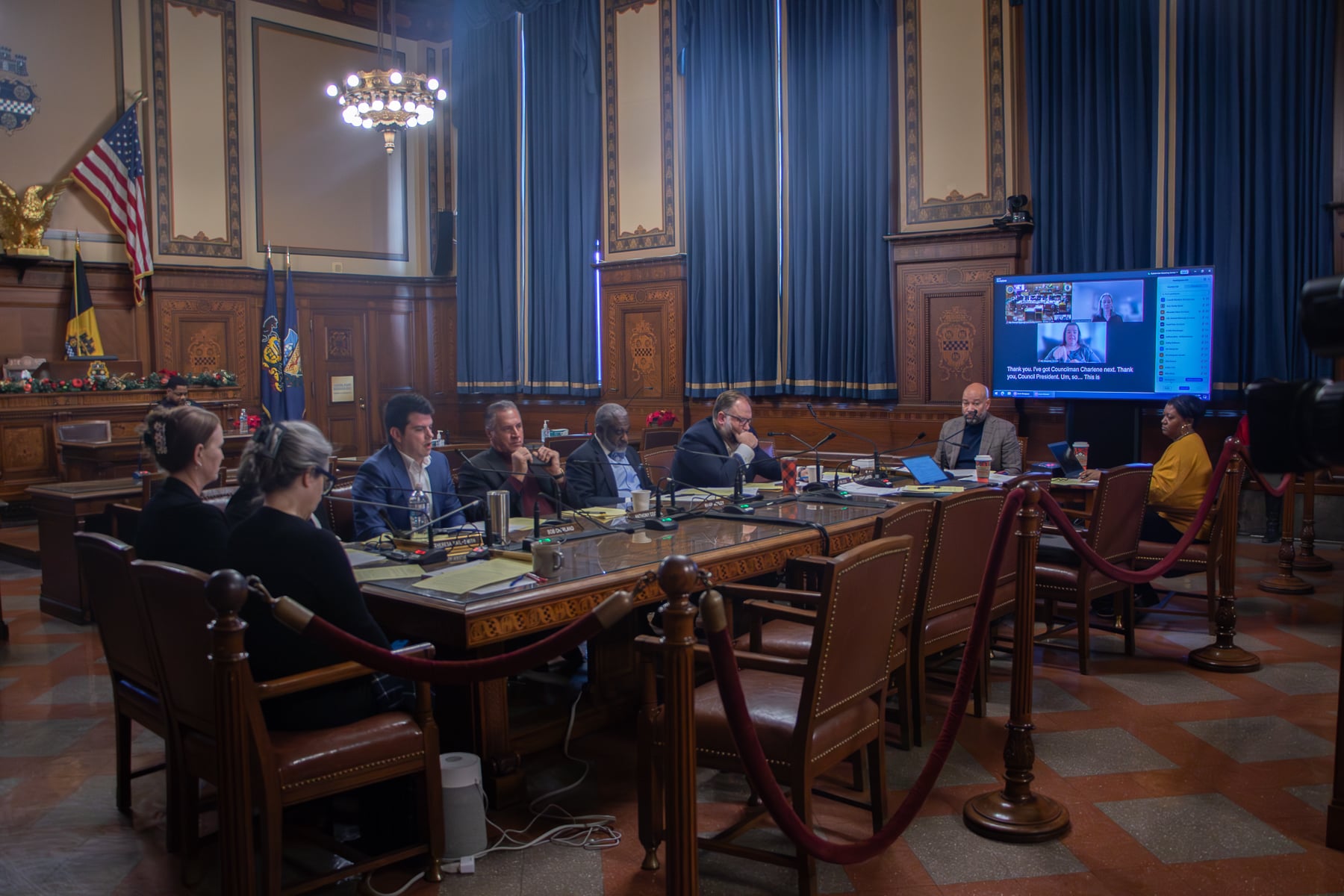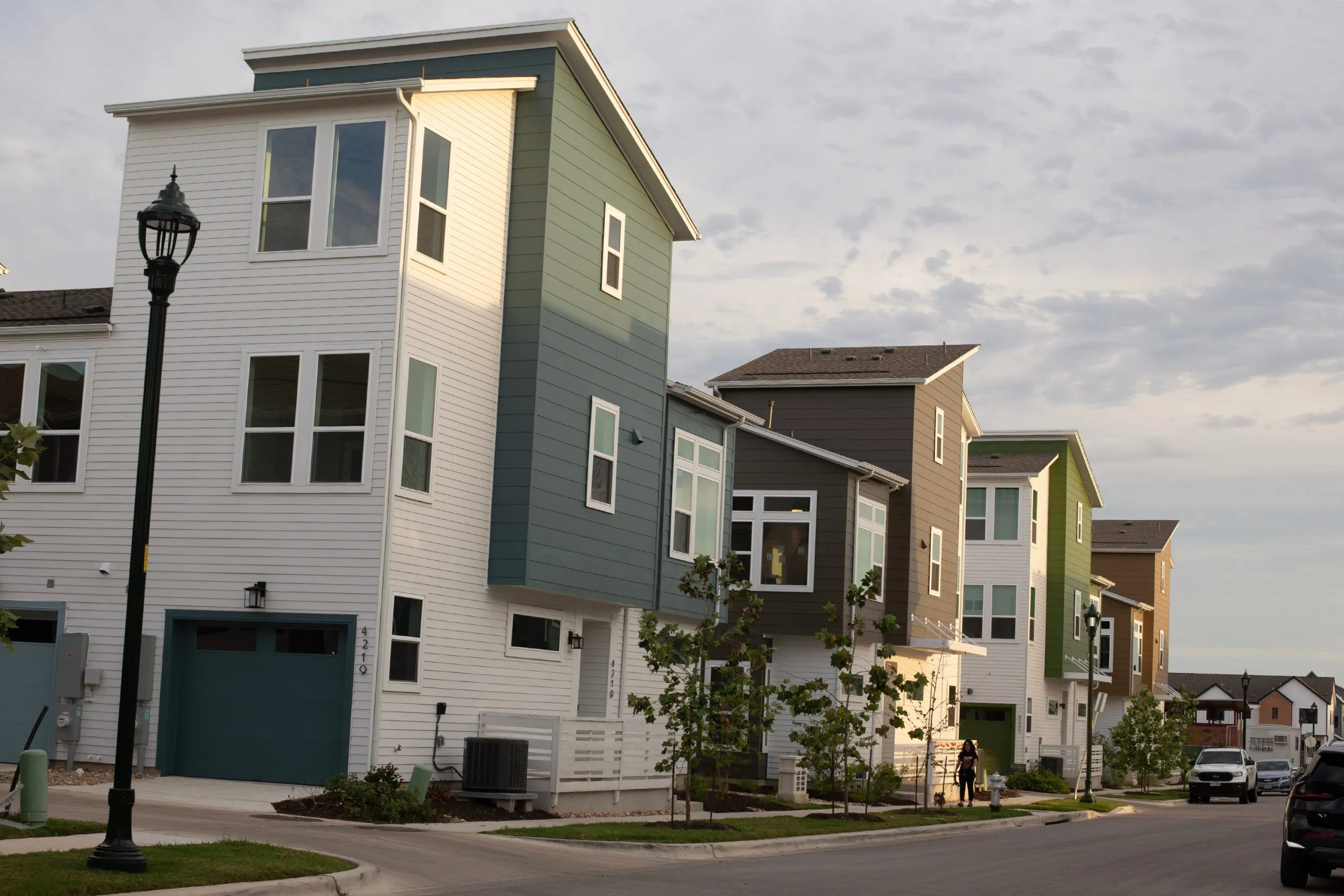
Pittsburgh City Council approved a 20% property tax increase to address a $20-30 million budget shortfall, raising the millage rate from 8.06 to 9.67, amidst opposition from some council members and residents who criticized the hike and suggested alternative revenue sources like taxing nonprofits.
Texas voters approved measures to increase the homestead exemption from $100,000 to $140,000, providing property tax relief to homeowners, especially seniors and disabled residents, and also approved an exemption for business inventory, aiming to reduce overall property tax burdens in the state.
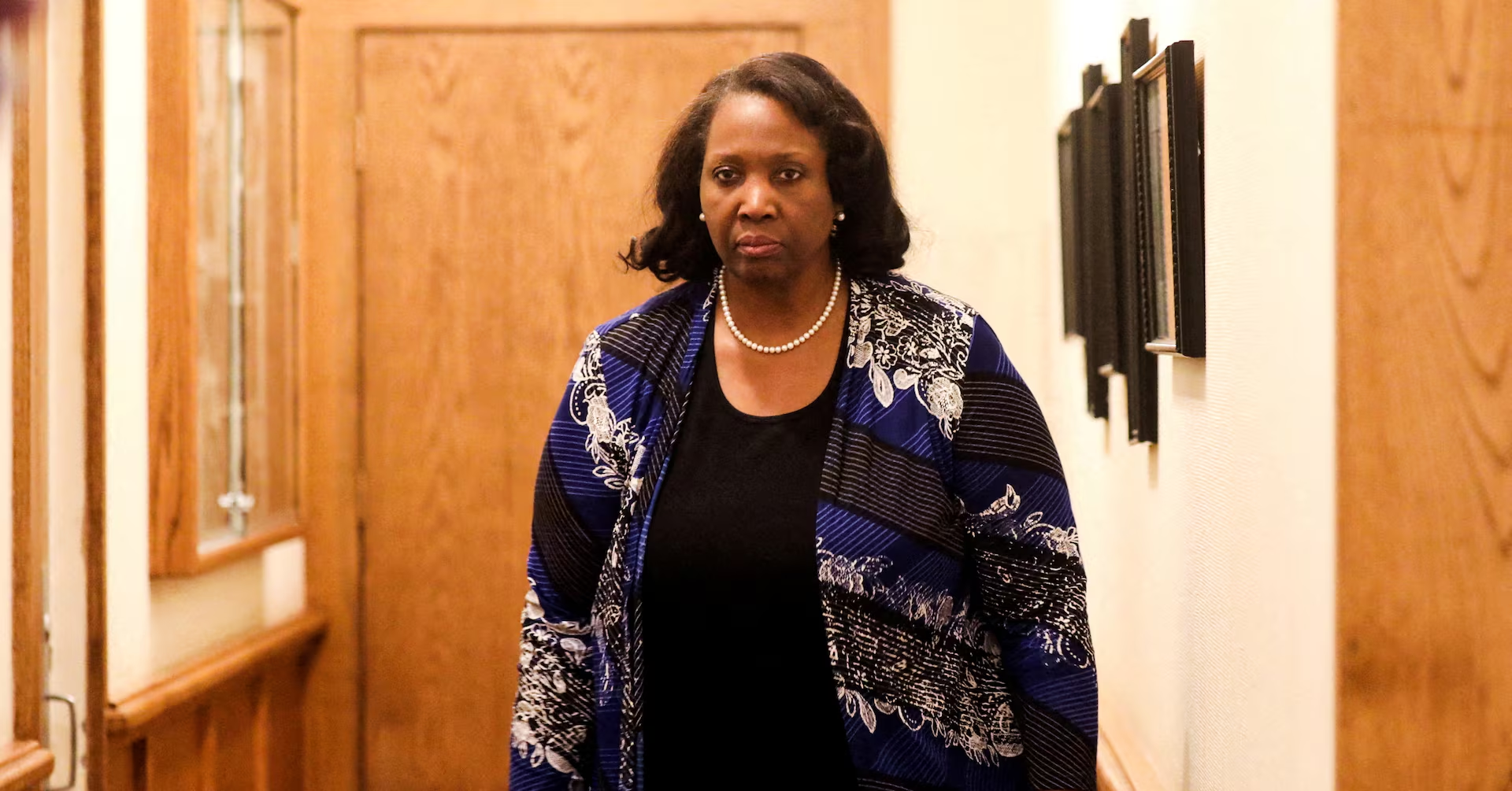
Ann Arbor officials found no evidence that Federal Reserve Governor Lisa Cook violated property tax rules or engaged in mortgage fraud related to her homes, despite political efforts to remove her from the Fed board. Cook's property records and mortgage disclosures do not support allegations of wrongdoing, and her legal team denies any misconduct, highlighting the political nature of the accusations.
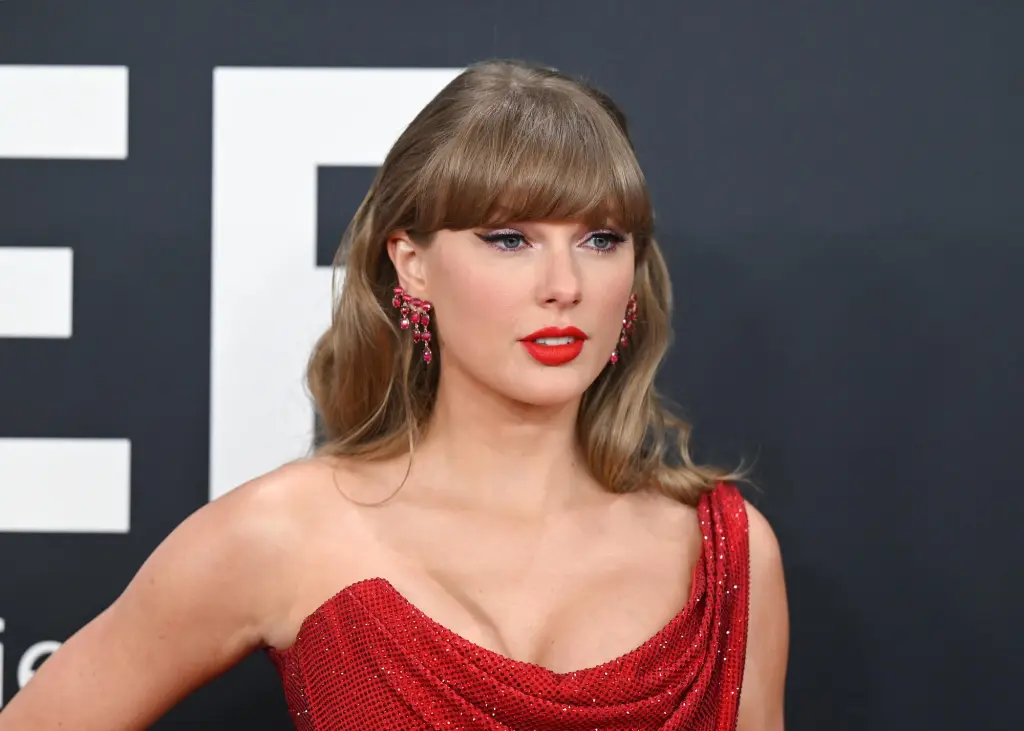
Rhode Island has introduced a new tax targeting luxury second homes valued over $1 million that are unoccupied for more than half the year, which will significantly increase the property tax bill for Taylor Swift's $28 million estate, adding approximately $136,000 annually. The law aims to fund local services but has faced criticism for penalizing wealthy homeowners and potentially discouraging luxury tourism.
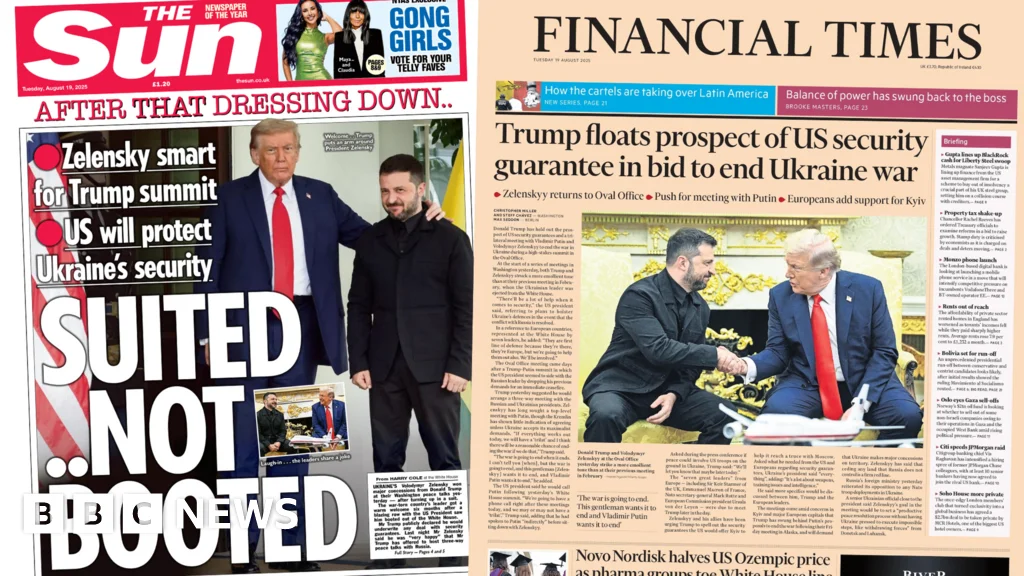
Ukrainian President Zelensky attended a White House summit with Donald Trump, with headlines highlighting his change in attire and the positive tone of the talks, which focused on security aid for Ukraine. The summit's coverage also includes discussions on potential new property taxes in the UK, ongoing Ukraine conflict tensions, and political developments in the UK, all amid a backdrop of international and domestic political maneuvering.
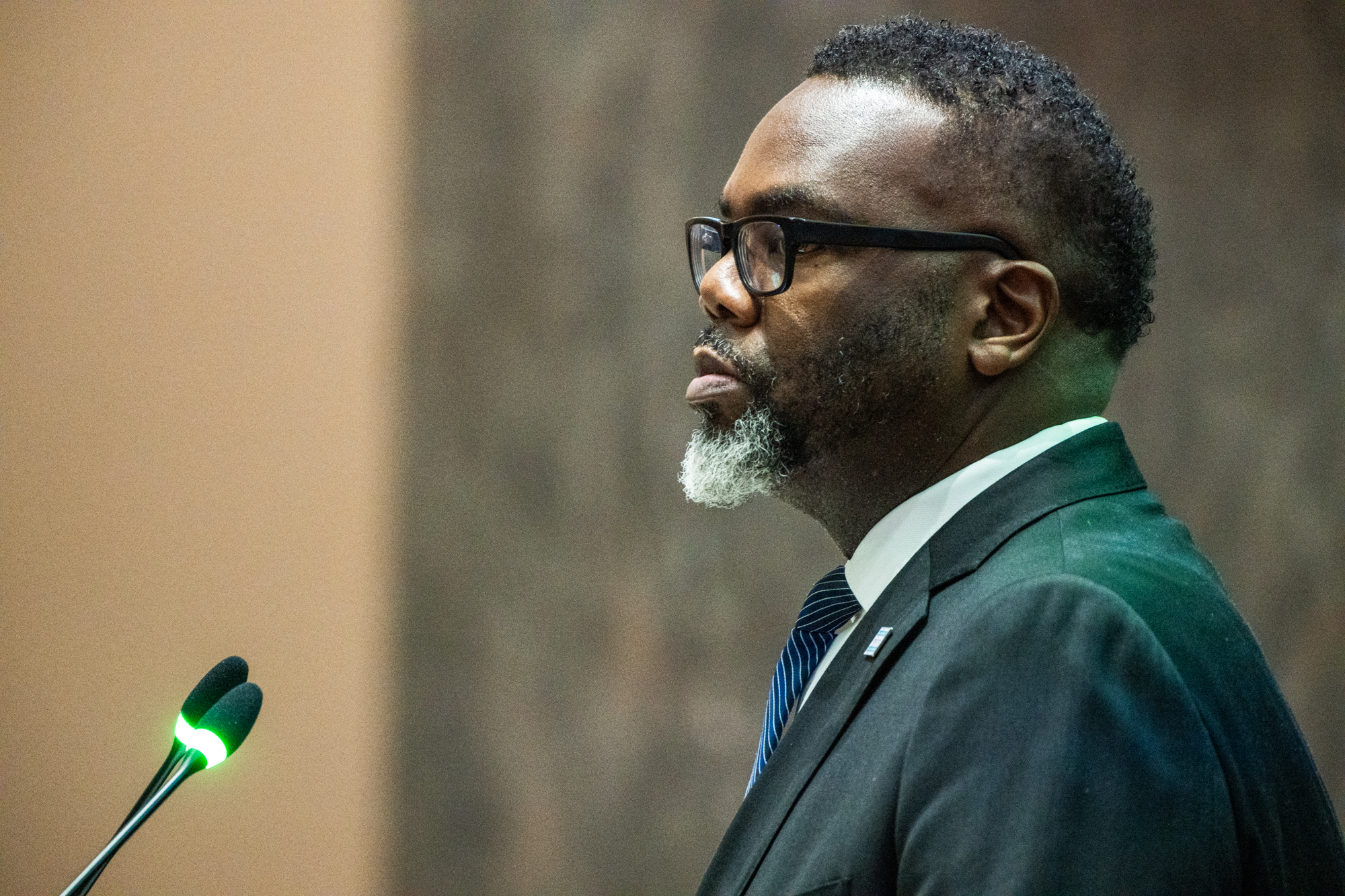
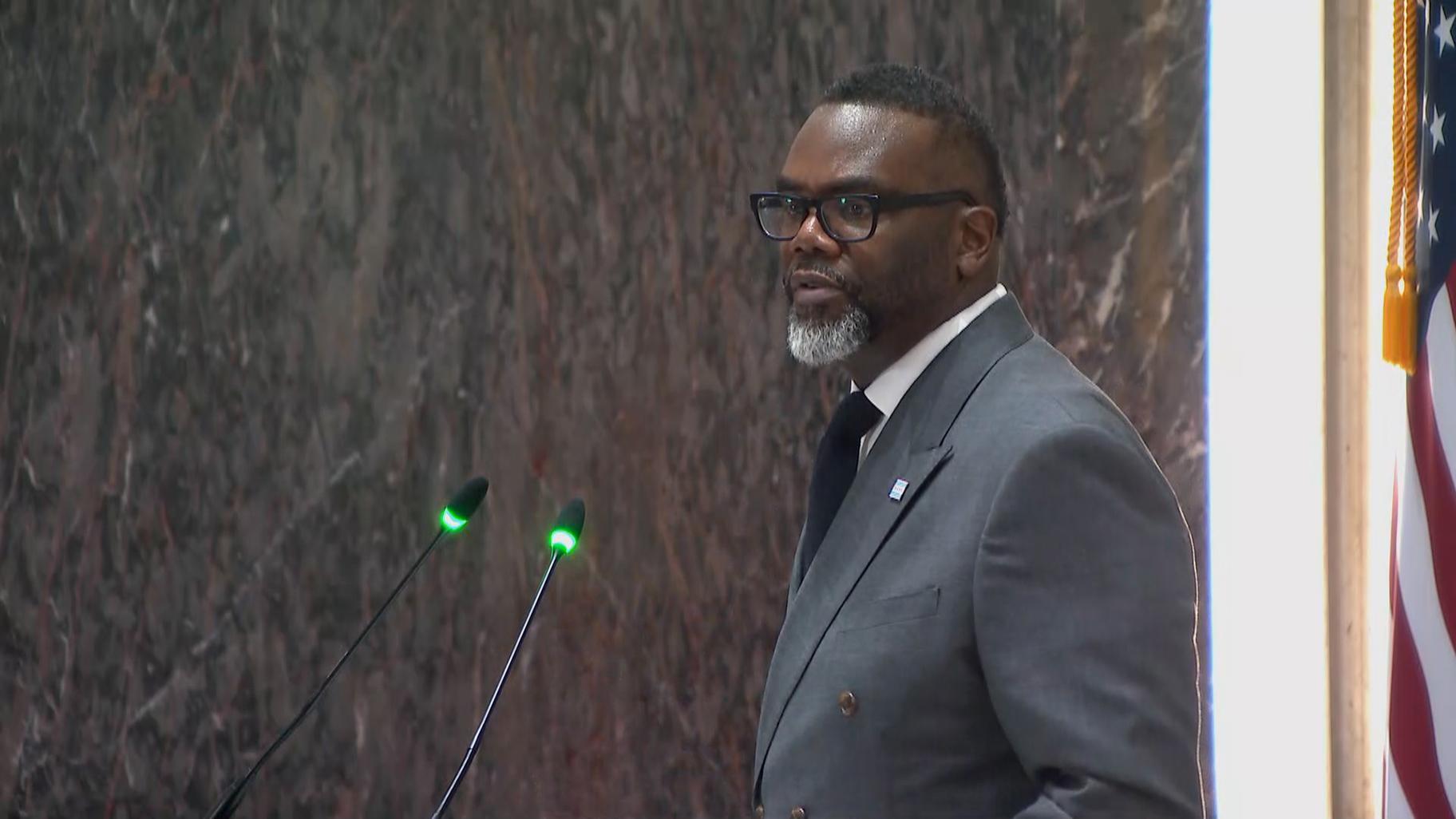
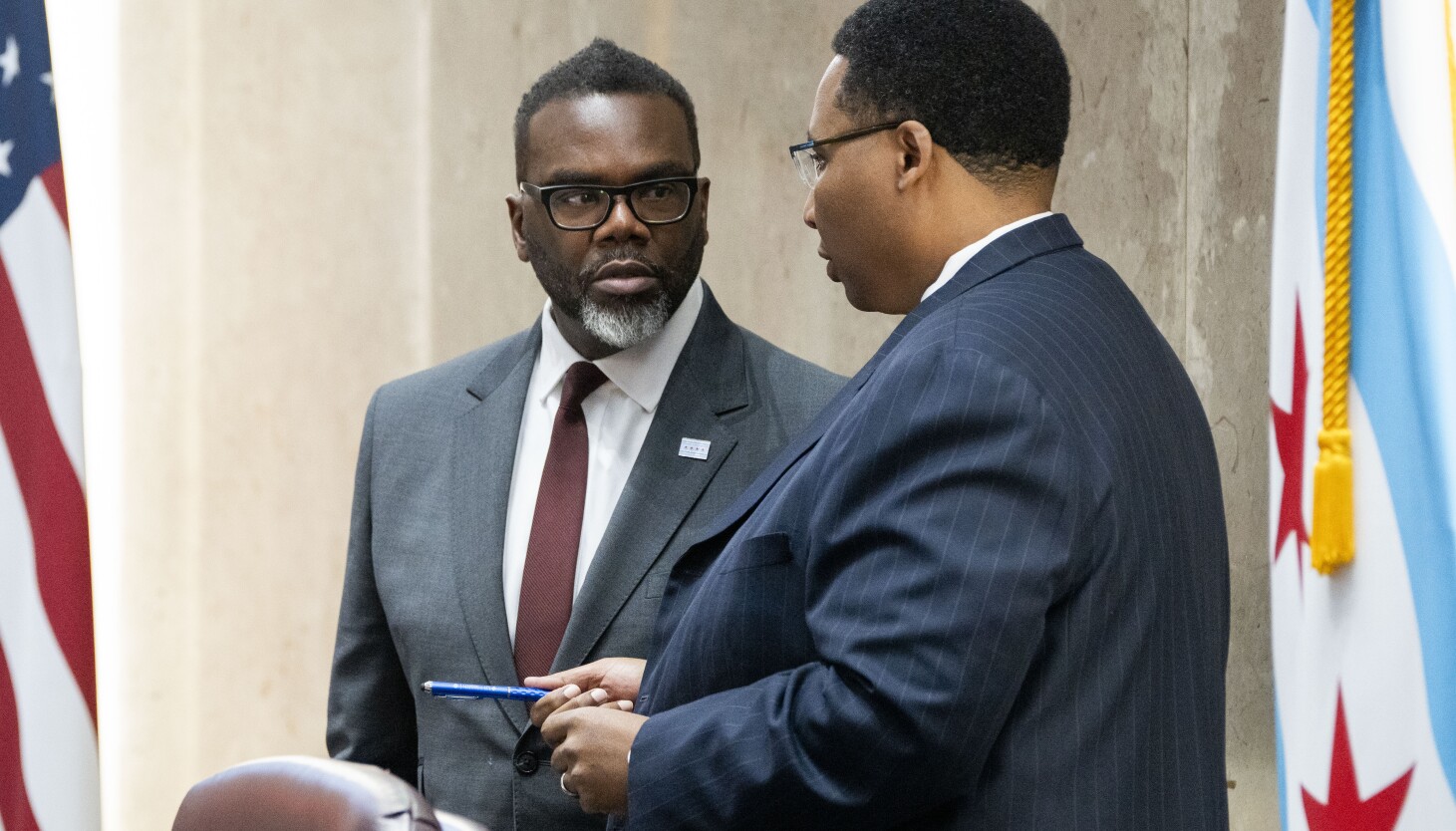
Chicago Mayor Brandon Johnson has delayed the final vote on the 2025 budget to Monday, as his proposal, which includes a $68.5 million property tax hike and other fee increases, lacks sufficient support in the City Council. The budget aims to address a $982 million spending gap but has faced opposition due to its tax hikes. Johnson's administration must pass a budget by the end of the year to avoid financial disruptions, but some alderpeople are pushing for workforce cuts instead of tax increases.
Mayor Brandon Johnson plans to delay the vote on Chicago's $17.3 billion 2025 budget due to insufficient support in the City Council, risking a potential city government shutdown. The budget proposal includes a $68.5 million property tax increase and additional taxes and fees totaling $165.5 million, but fails to address a $337.4 million budget gap. Johnson's approach has faced criticism from both progressive and conservative council members, and if a budget deal isn't reached by December 31, the city could face an unprecedented crisis.
Chicago Mayor Brandon Johnson is negotiating a budget deal to reduce a proposed property tax increase to $68.1 million, down from an initially proposed $300 million. The compromise involves eliminating certain programs funded by federal pandemic relief, such as guaranteed basic income and small business assistance, and restoring police vacancies to comply with a federal consent decree. The plan also includes maintaining a garbage collection fee freeze and scrapping a proposed liquor tax increase. The budget aims to secure 26 City Council votes for passage, with discussions ongoing about alternative revenue sources and budget reforms.
Chicago Mayor Brandon Johnson's proposed 2025 budget, which included a $300 million property tax hike, faced immediate backlash from the City Council, including from his allies, leading to its rejection. The proposal's failure has raised questions about the ability of progressives to govern effectively and has left the city scrambling to find a budget solution before the year's end. The situation is further complicated by internal city government issues and the need to address a significant budget gap without resorting to layoffs or service cuts.
Chicago Mayor Brandon Johnson faced intense backlash from residents and a unanimous city council vote against his proposed $300 million property tax hike intended to address the city's migrant crisis. Residents accused Johnson of prioritizing undocumented migrants over local citizens, expressing their anger during a heated council meeting. The tax increase, aimed at covering a nearly $1 billion budget deficit, was rejected by all 50 council members, highlighting the growing tension over the city's handling of the migrant influx and budgetary challenges.
Arlington Heights reaffirms the Chicago Bears' interest in Arlington Park despite the team's commitment to building a new stadium in Chicago. The village emphasizes the potential benefits of the Arlington Park property and its commitment to ensuring any development provides broad community benefits. Meanwhile, the Bears have shifted focus to a publicly-owned domed stadium near Soldier Field in Chicago, citing a desire to contribute over $2 billion to build the stadium and improve open spaces. The team's ownership of Arlington Park and ongoing property tax negotiations with local school districts have played a role in the stadium decision.
New Jersey Gov. Phil Murphy has proposed maintaining the ANCHOR property tax benefit at the same payment levels for another year, offering up to $1,750 for homeowners and $700 for renters in his seventh state budget address. Murphy emphasized the program's effectiveness in lowering property taxes and providing financial relief to families, particularly during a time of rising prices.
The Missouri Attorney General and State Tax Commission have filed a lawsuit against Jackson County over the 2023 property assessment, seeking to stop tax collection and declare property increases as void. The lawsuit alleges that the assessments were unlawful and points to failures in physical inspections and proper notice. It also demands monetary damages on behalf of homeowners. The lawsuit comes after the Missouri State Auditor found that Jackson County did not comply with state law in conducting the assessment. Jackson County denies any wrongdoing and is reviewing the preliminary findings.
The Missouri State Auditor has found that the Jackson County Assessment Department violated state law in their property assessments, and homeowners are advised to pay their tax bills "under protest" if they disagree with the assessment. To do so, property owners must pay the full tax bill by the December 31 deadline, file a written statement explaining the grounds for protest, and file a petition in court within 90 days to recover the amount protested. Paying under protest is not required for property owners with an ongoing appeal, but it may delay the issuance of a refund.
The Gallatin County Commission in Montana is informing homeowners that an additional $12.3 million in property taxes will need to be collected following a ruling by the Montana Supreme Court. The court ruled that counties must levy the amount determined by the Montana Department of Revenue, overturning the county's attempt to save taxpayers money while ensuring adequate school funding. The commission is now working on how to comply with the mandate and collect the additional funds from property owners.