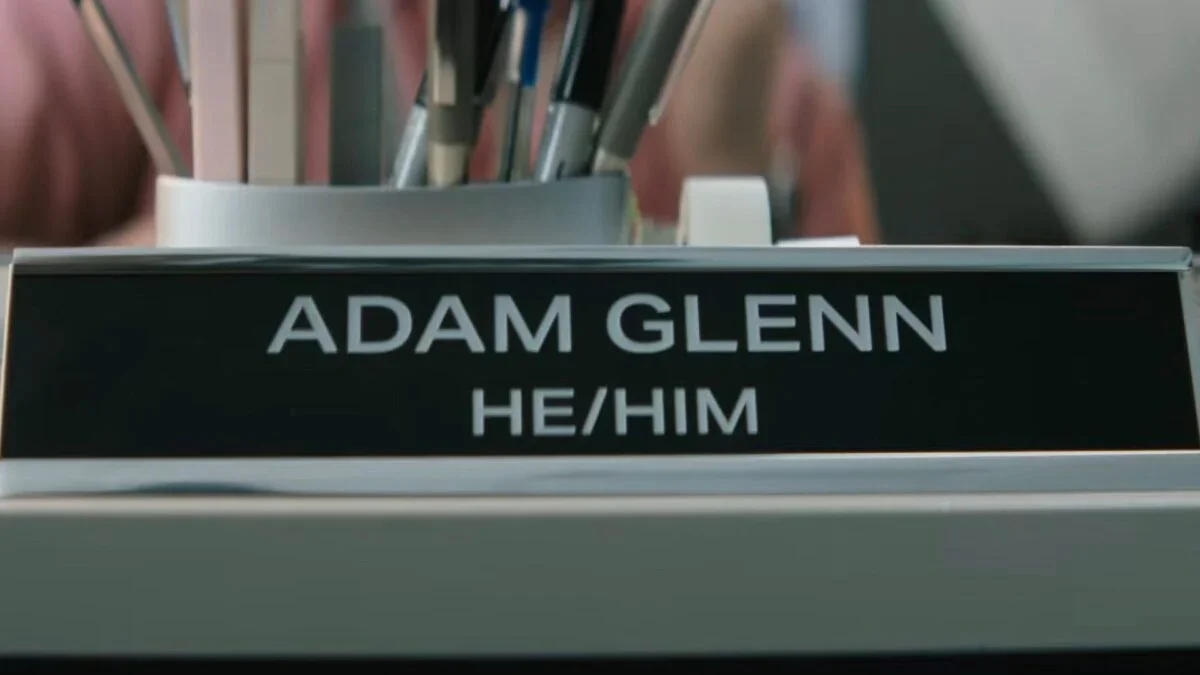
The new Masters of the Universe trailer shows Prince Adam with he/him pronouns on his Earth nameplate, a wink at He-Man’s identity that has sparked online backlash and a meta-grift about woke culture, framed as an obvious, humorous jab rather than a serious plot point.
Ahead of Landman’s season 2 finale, Tommy is fired by Cami for not backing her risky plans, while Ainsley’s dorm life spirals into a pronoun showdown with nonbinary roommate Paigyn—sparking misgendering debates and a push for Ainsley to move off campus as Angela intervenes and the drama unfolds on Paramount+.
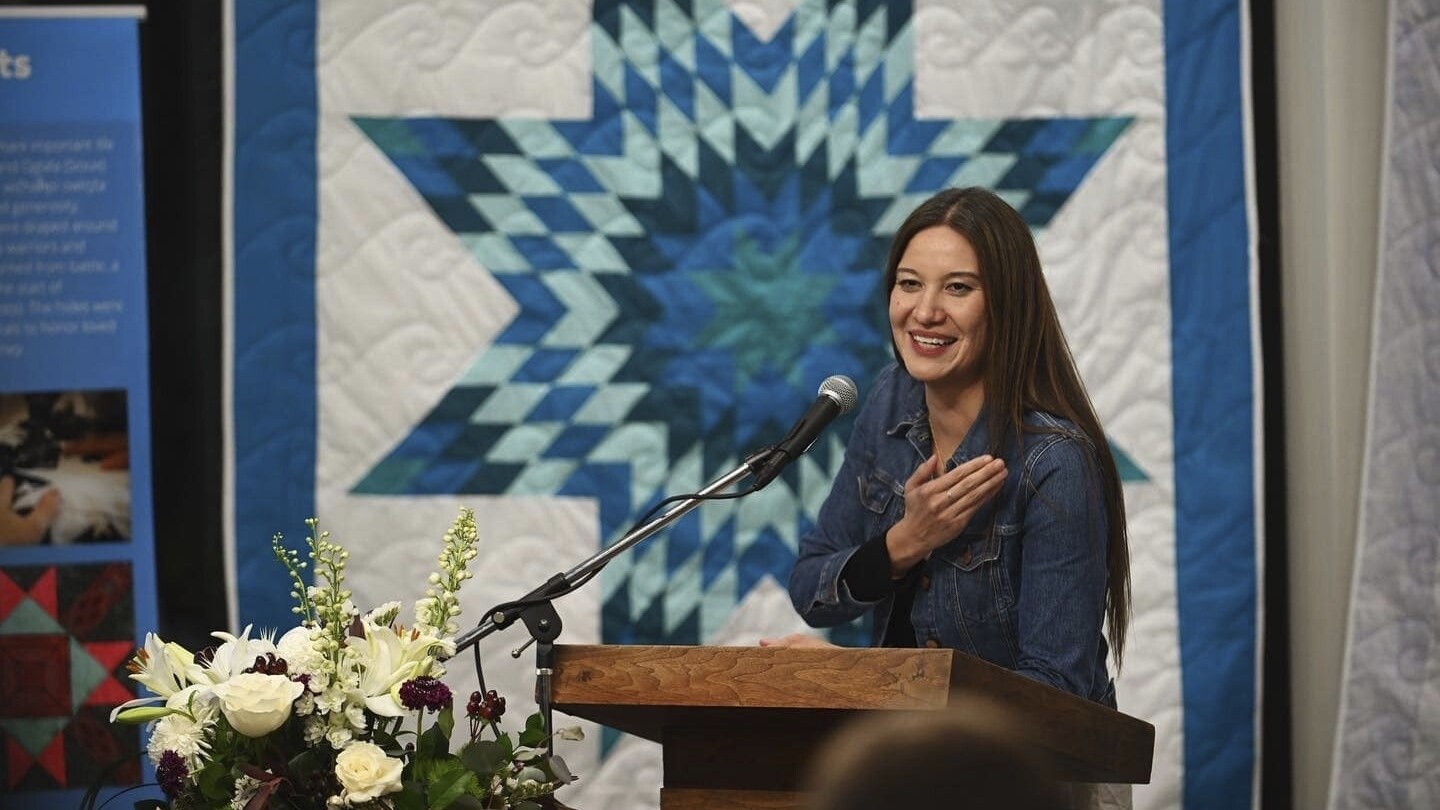
A new South Dakota policy prohibits public university employees from using gender pronouns and tribal affiliations in official emails, sparking controversy and concerns about erasure of Native American identities and suppression of free speech. The policy, seen as part of a broader conservative push against diversity initiatives, has led to warnings for faculty members and criticism from advocacy groups like the ACLU.
A Michigan school district canceled a planned elementary classroom lesson on gender identity and pronouns after facing backlash from community members, including inappropriate and threatening communications towards staff. The lesson was intended to promote understanding and compassion, but the district decided to cancel it due to safety concerns and disruptions to the learning environment. The decision sparked mixed reactions from community members, with some emphasizing the importance of inclusion and others expressing concerns about the age-appropriateness of the lesson.
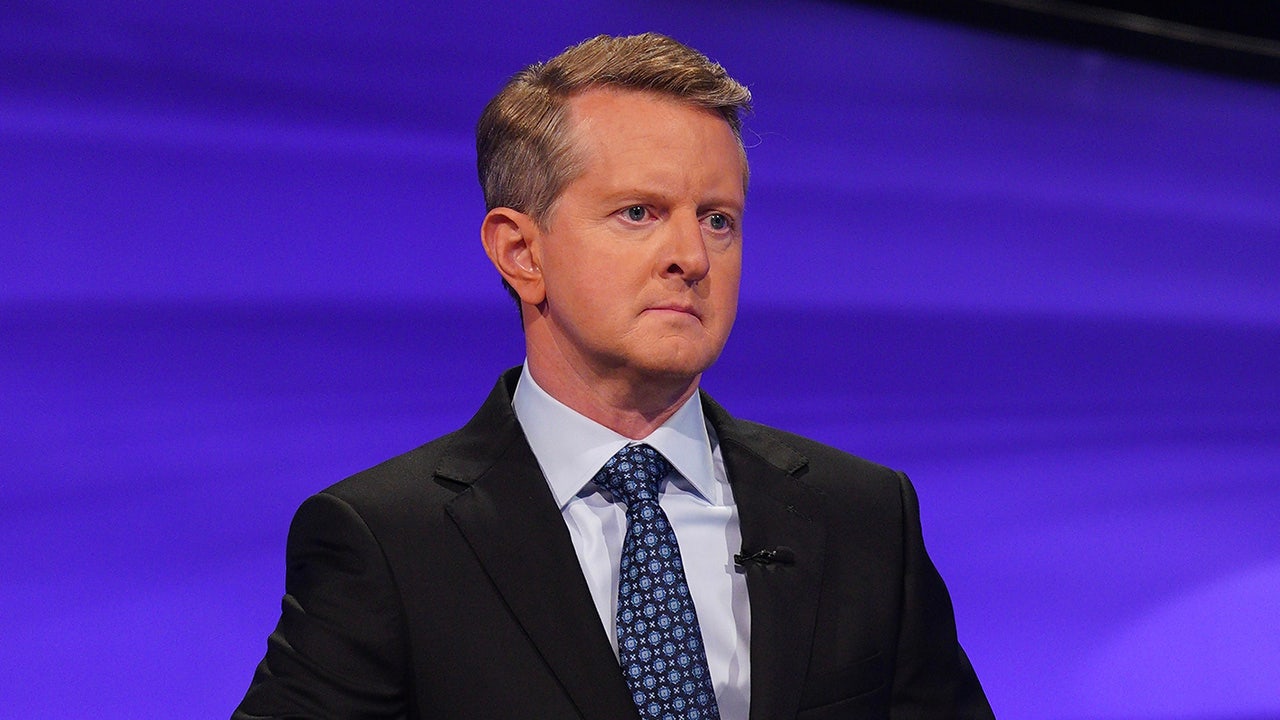
'Jeopardy!' faced backlash after a contestant answered a clue about neopronouns, sparking outrage among some fans who criticized the show for being "woke." Many viewers expressed disappointment and vowed to stop watching, while others defended the question as a valid and educational topic. The controversy comes amid ongoing changes to the show, including Ken Jennings hosting solo and a recent viral moment involving a contestant mistaking a photo of Scott Hamilton for Mary Lou Retton.
Fran Itkoff, a 90-year-old volunteer at the National Multiple Sclerosis Society, was dismissed from her 60-year volunteer position for not understanding the use of pronouns in an email signature, despite her dedicated service and awards. Itkoff's daughter expressed concern that the organization is prioritizing pronouns over its mission to support MS patients, while Itkoff herself was shocked and saddened by the dismissal after asking a simple question about pronouns.
A 90-year-old volunteer for the National Multiple Sclerosis (MS) Society in California was asked to step down from her position because she didn't understand pronouns and failed to comply with the organization's Diversity, Equity, and Inclusion guidelines. Fran Itkoff, who had been volunteering for 60 years, was confused by the request to incorporate pronouns into her email signature and was subsequently dismissed, despite her long-standing dedication to the cause.
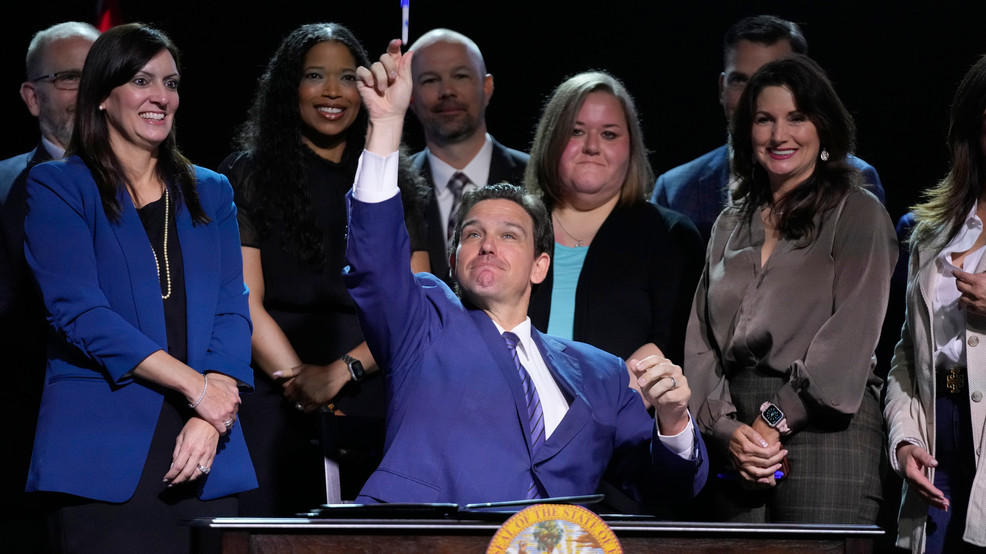
Three teachers in Florida have filed a federal lawsuit challenging a state law on titles and pronouns in schools, while a trial is underway over a law restricting treatment for transgender individuals with puberty blockers and hormone therapy. The trial includes the testimony of a mother whose 12-year-old transgender daughter was diagnosed with gender dysphoria at age 4, stating that it would be devastating if her child could not receive treatment. The lawsuit by the teachers argues that the state discriminates against transgender and nonbinary educators. Florida Governor Ron DeSantis and the Republican-controlled legislature passed the law, claiming that the treatments are unproven and risky for minors.
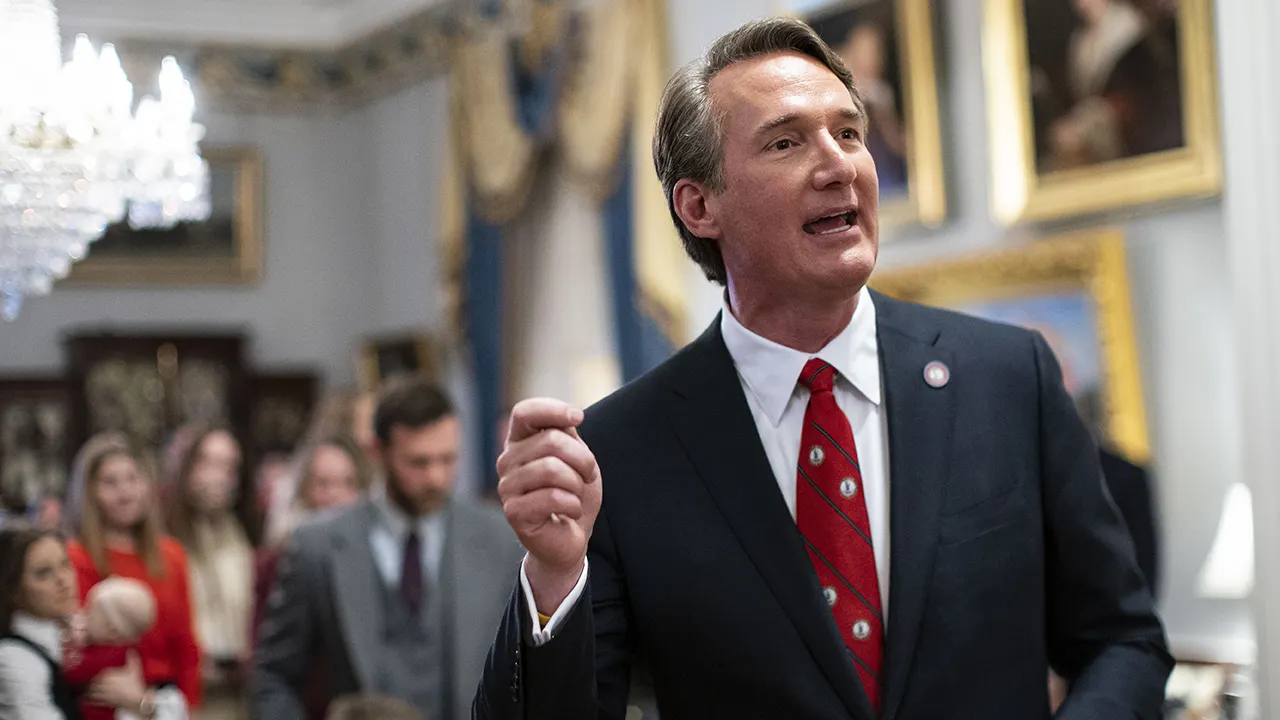
Fairfax County Public Schools in Virginia will defy Governor Glenn Youngkin's new guidance on bathrooms and pronouns. The district's superintendent, Michelle Reid, stated that their current policies are consistent with federal and state anti-discrimination laws. The new policies require school activities to be separated by sex and restrict student participation based on their assigned sex at birth rather than their gender identity. The Virginia Department of Education updated its guidelines for the treatment of transgender students, emphasizing parental rights and the 14th Amendment. Despite the requirement for local school boards to adopt policies consistent with the new guidelines, Fairfax County Public Schools is pushing back and will continue to support transgender and gender-expansive students and staff.
A cisgender coworker at an architecture, engineering, and construction firm has added "she/her" to her email signature, which has made the letter writer feel uncomfortable and like she is copying their transgender colleagues' experiences. However, Dear Prudence explains that this is a common practice to show support for trans and gender diverse individuals and normalize discussions about gender in the workplace. While there is no consensus among trans people about the helpfulness of cis people sharing their pronouns, the letter writer is advised to follow the lead of their transgender colleague who finds the practice strange and not do it themselves.
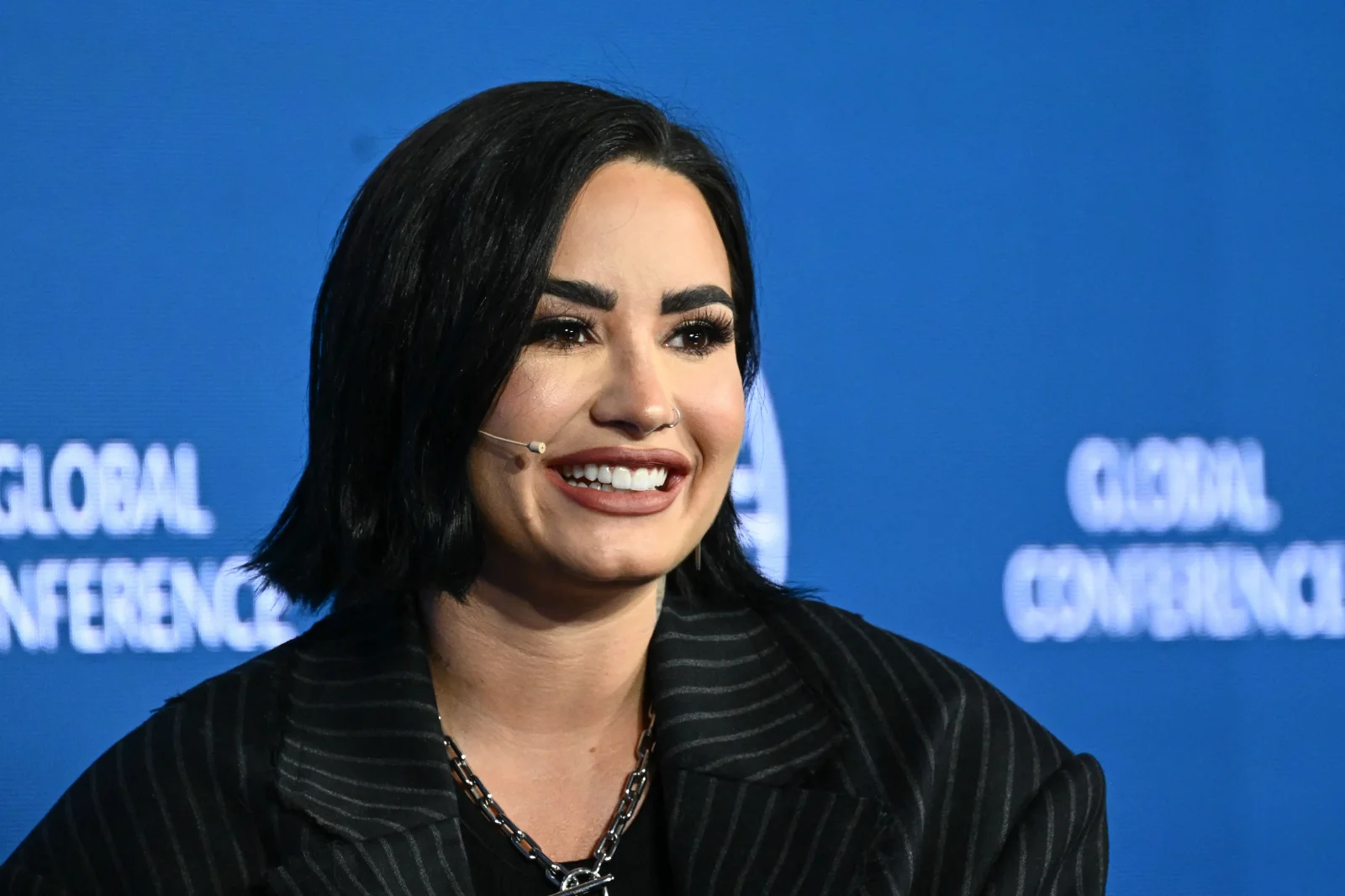
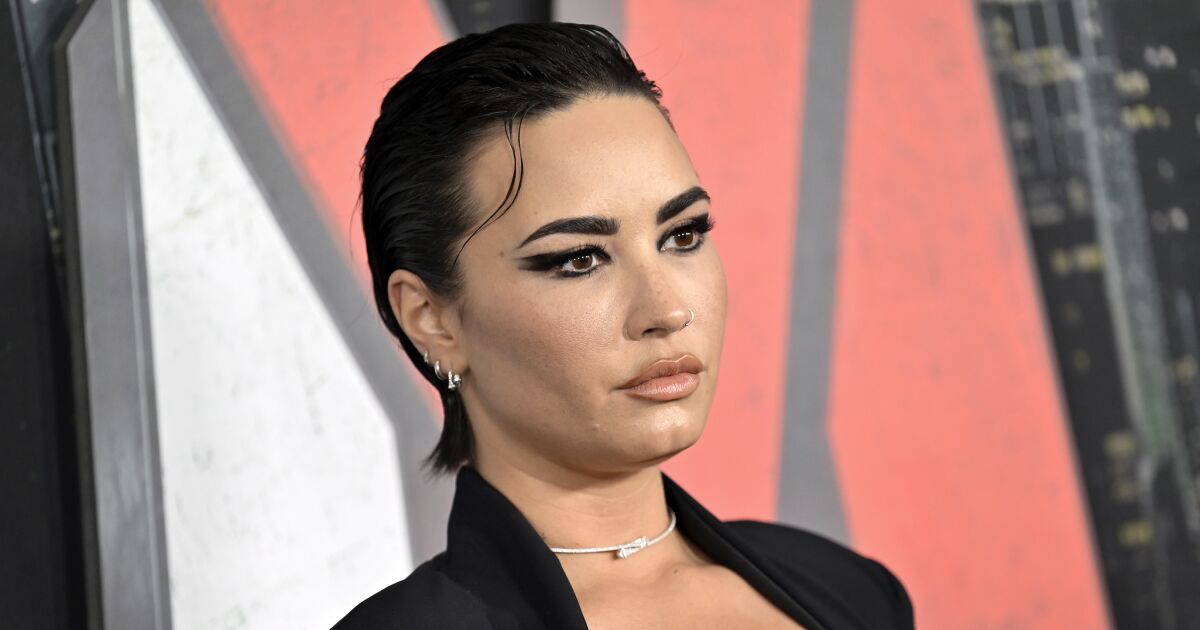
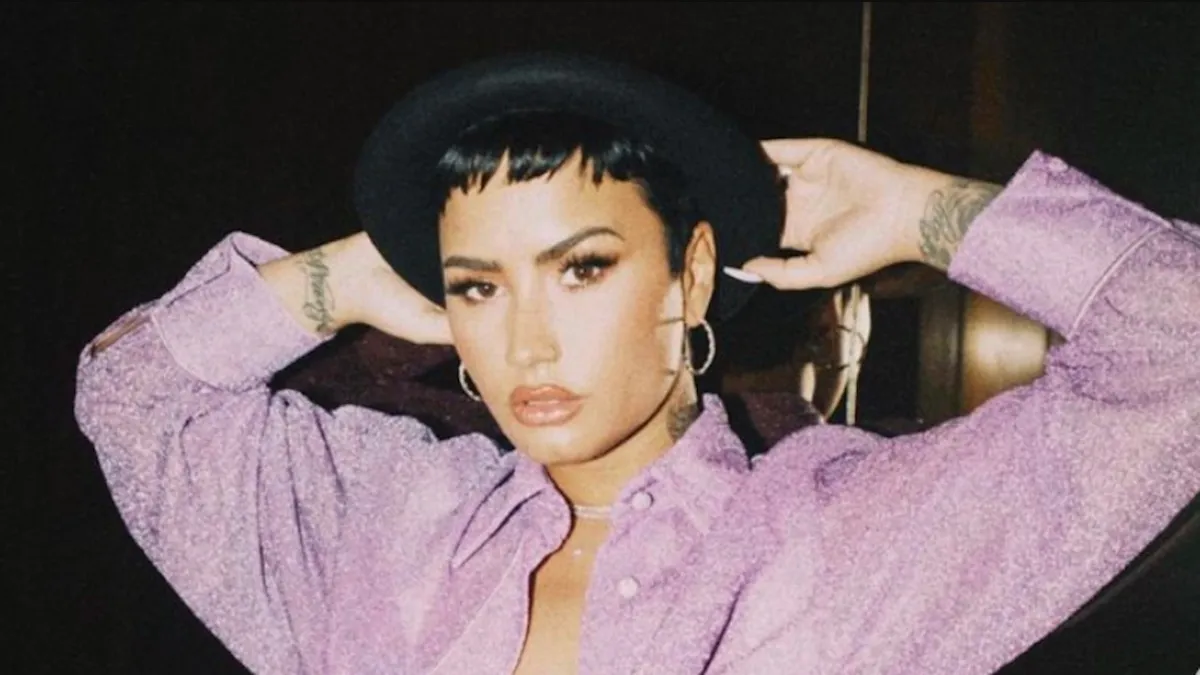
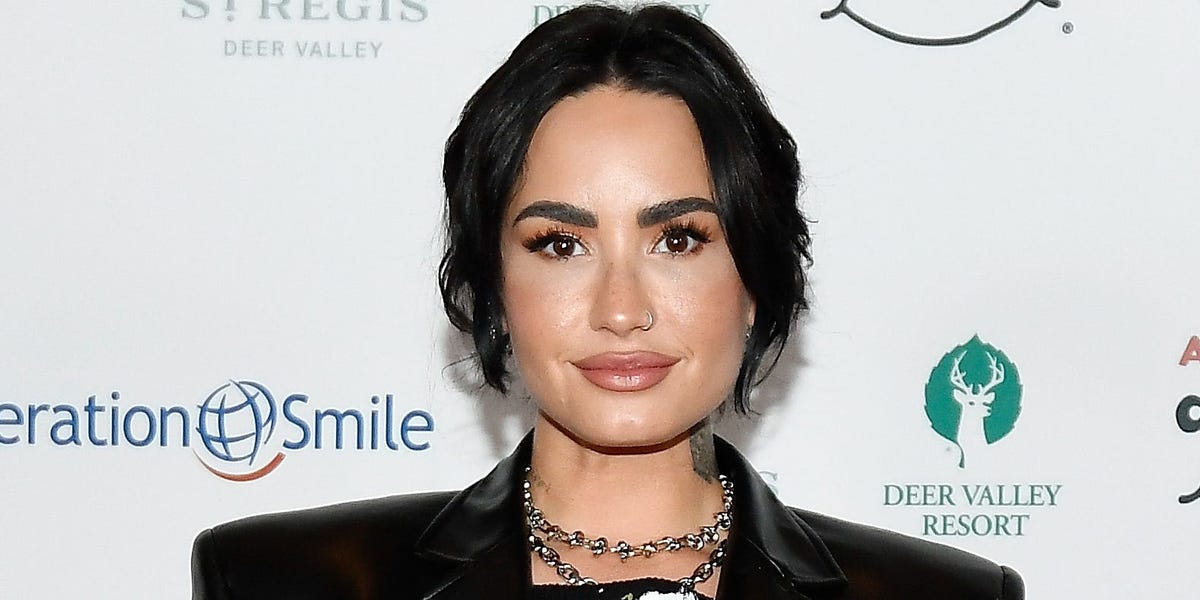
Demi Lovato explained in an interview with GQ Hype Spain why she added back "she/her" pronouns in addition to "they/them" pronouns, saying that constantly educating people about her identity was "absolutely exhausting." Lovato, who announced she was non-binary in 2021, also expressed the need for more neutral options for people when it comes to choosing between male and female. She emphasized the importance of respect and acknowledged that nobody's perfect when it comes to using pronouns.
Demi Lovato has opened up about using she/her pronouns again in addition to they/them pronouns after coming out as nonbinary two years ago. The singer reflected on her gender identity and said she had decided to reincorporate she/her pronouns after constantly having to educate people and explain why she used they/them pronouns. Lovato also spoke about certain limitations placed on nonbinary people in society, such as gendered bathrooms or government paperwork that doesn’t include gender-neutral identifiers.
Demi Lovato has revealed that they re-adopted she/her pronouns because educating people on they/them pronouns became "absolutely exhausting." Lovato explained that they are comfortable with either she/her or they/them, but using solely they/them grew to be too much of a burden at times. Lovato's decision to re-adopt she/her doesn't mean that their advocacy work will end any time soon.
Demi Lovato finds it "exhausting" to identify as non-binary and deal with pronouns, saying it's difficult to use women's restrooms and fill out forms with only two gender options. Lovato hopes for more gender-neutral public spaces in the future. The singer initially came out as non-binary in May 2021 and changed her pronouns to "they/them," but later readopted she/her pronouns in August 2022. Despite the challenges, Lovato believes going public was the right decision and hopes to inspire and help others feel more comfortable in their skin.
Demi Lovato spoke about their decision to use both she/her and they/them pronouns, saying that constantly having to explain their nonbinary identity was exhausting. They also discussed the difficulties of binary gender categories in everyday life, such as filling out forms and using public restrooms. Despite facing anti-LGBTQ bias, Demi chooses to focus on the positive impact of their activism, including inspiring queer couples to get engaged at their concerts.