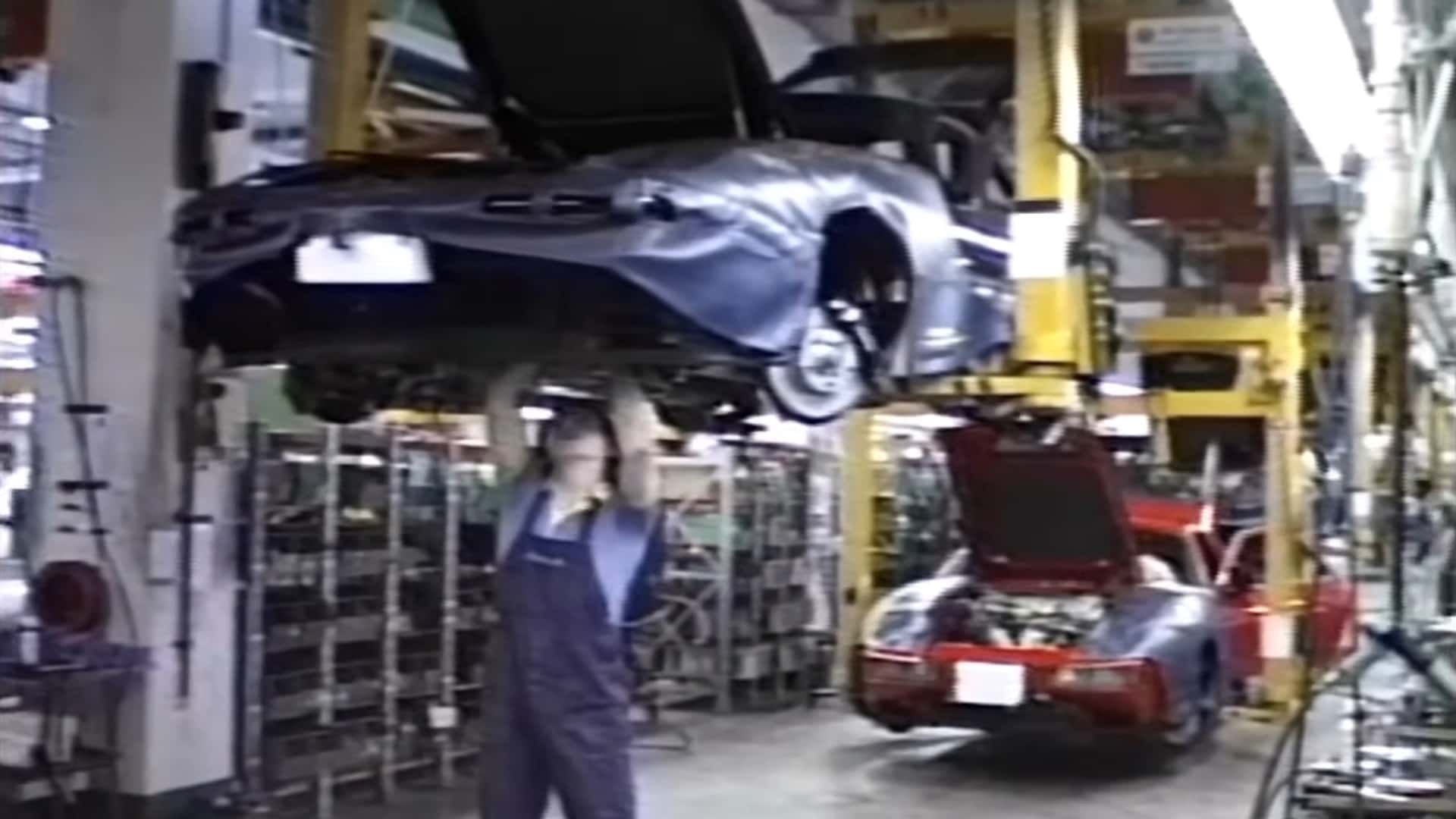
A homemade video from 1986 provides a fascinating look at how Porsche hand-built its cars, showcasing the personnel-heavy production process from engine assembly to body assembly and dyno testing. While this method was a selling point, the high costs contributed to the company's financial struggles. The switch to using more machines in later generations helped drive costs down.

Apple has placed two microscopic QR codes on the reverse side of iPhone displays to track production and detect defective screens. The codes, etched at different stages of production, help Apple monitor the number of glass cover units produced by its suppliers and identify any attempts to hide defective screens. By implementing this system, Apple has significantly reduced the number of discarded displays, saving the company a substantial amount of money each year.
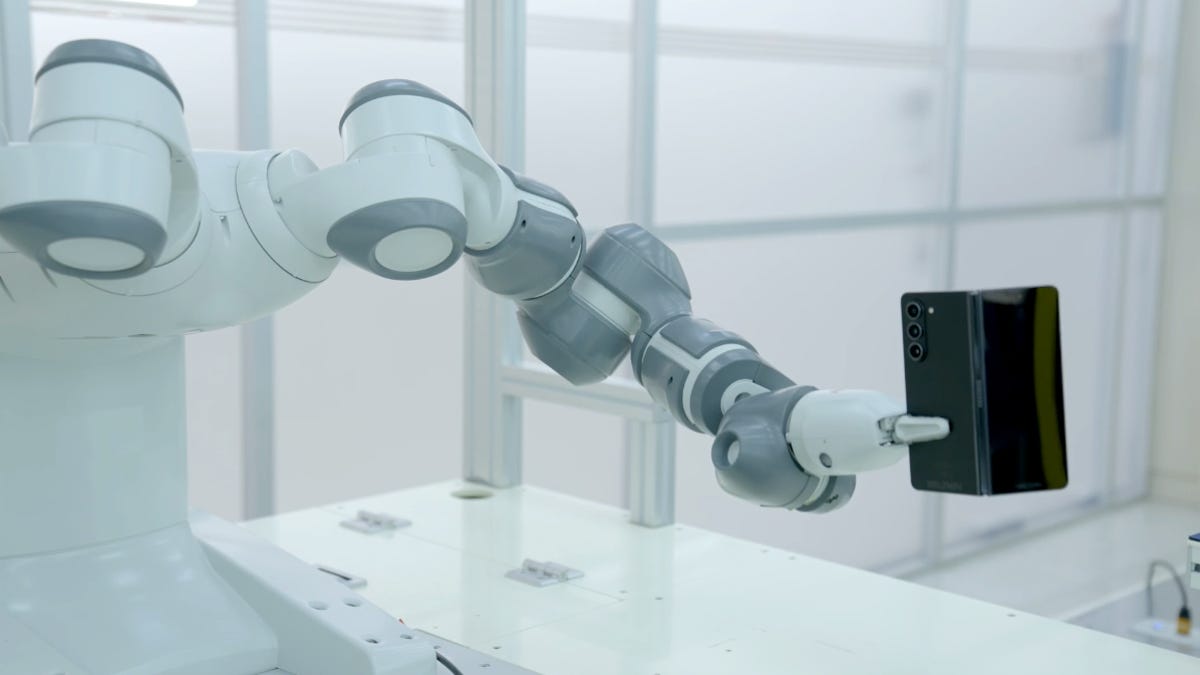
Samsung's mobile-device factory in Gumi, South Korea, is highly automated, with robots and automated guided vehicles (AGVs) handling various tasks in the production process. The factory produces over a million flagship phones per month and has dedicated quality checks for components like fingerprint sensors and cameras. The facility also includes an automation lab where devices are tested under normal use conditions. Samsung's extensive testing processes help ensure product reliability, but the company has faced controversies in the past, such as the Galaxy Note 7 recall and delayed launch of the Galaxy Fold. Samsung continues to explore new concepts, including slidable displays and a potential health-tracking smart ring.
Chinese electric vehicle stocks, including XPeng, Nio, and Li Auto, rose after XPeng announced its new production process, SEPA 2.0, which will lower costs by optimizing research and development cycles by 20%. The upgrade will cut powertrain systems costs, including batteries, by a minimum of 25%, covering a wide range of models. XPeng's deliveries have dropped for four straight quarters, and the company hopes SEPA 2.0 will help reduce costs across its lineup. The G6 Ultra Smart Coupe SUV, built with SEPA 2.0, will debut at Auto Shanghai 2023 on Tuesday.