Jack Fisk, a renowned production designer, collaborated with director Josh Safdie to authentically recreate 1950s New York for the film 'Marty Supreme,' meticulously researching locations, architecture, and period-specific details to bring the era to life, including iconic sites like Lawrence’s Broadway Table Tennis Club and Orchard Street, with special attention to color and authenticity.
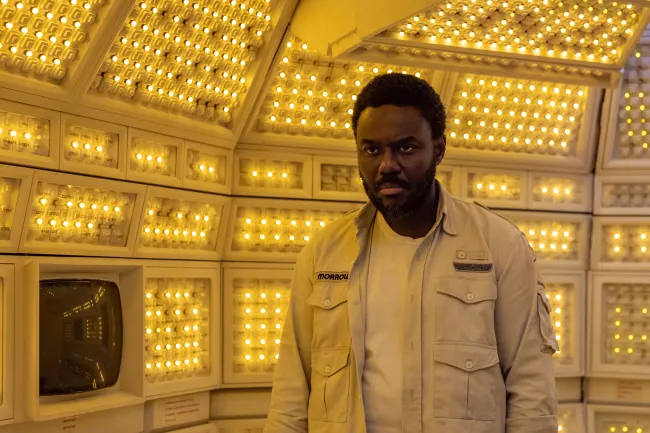
The article discusses the production design of the film 'Bugonia,' highlighting how the sets for the characters' homes and the spaceship were built to reflect their personalities and storylines, with hidden clues and symbolic elements integrated into the design to enhance the narrative and visual storytelling.
'Tron: Ares' features lightcycles inspired by scrapped concepts from the original 'Tron: Legacy' sequel, with practical, real bikes designed for the film, blending high-speed aesthetics with military elements, and revisiting ideas from earlier production stages.
The article details the extensive filming locations and production design for Paul Thomas Anderson's film 'One Battle After Another,' highlighting its diverse California settings, from deserts and border crossings to historic missions and border detention camps, as well as the challenges and creative processes involved in capturing these scenes.
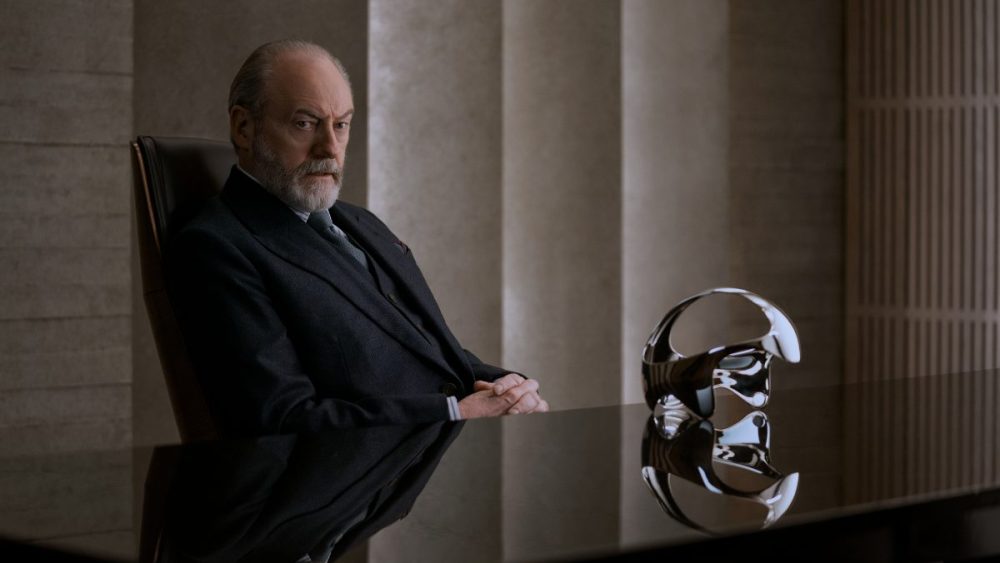
The article discusses the production design of 'Alien: Earth,' highlighting Andy Nicholson's role in expanding the visual universe of the franchise and how the design influences the depiction of the future setting.
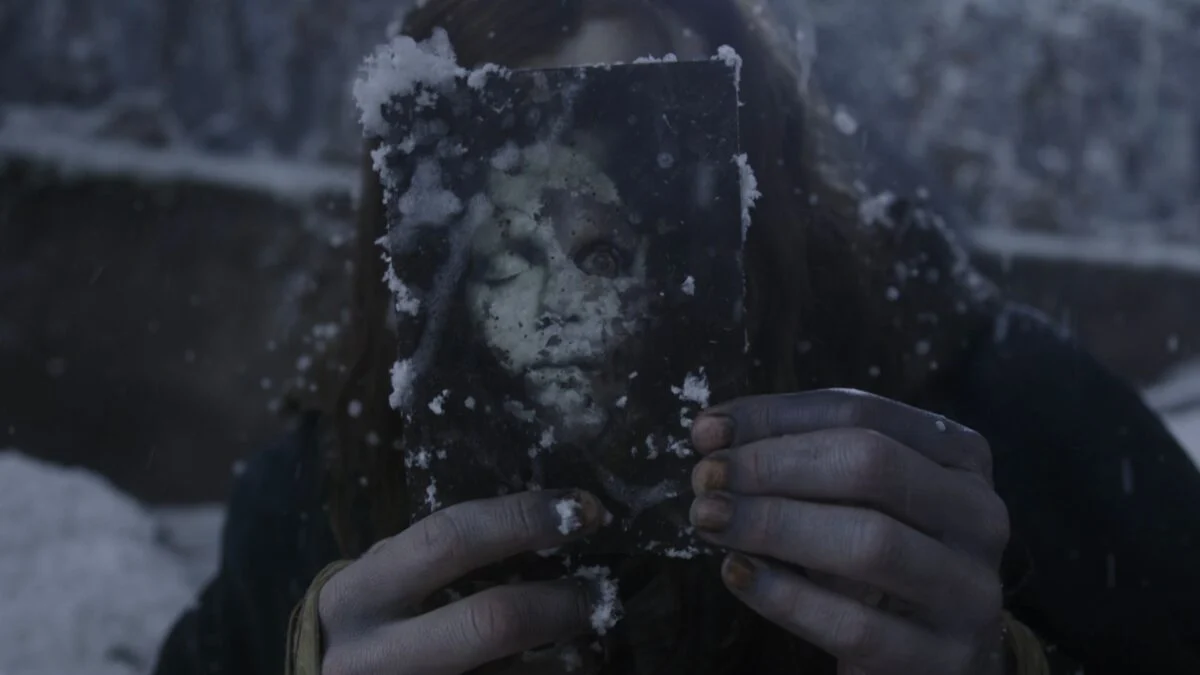
Guillermo del Toro's adaptation of Frankenstein for Netflix features stunning visuals, intricate costumes, and detailed character portrayals, with new images revealing key characters and scenes from the film set to release in November.
Originally Published 7 months ago — by Hacker News
The article discusses the cinematography and production techniques of 'Andor,' highlighting its use of real sets, CGI, and collaboration across teams, and compares it to other Star Wars media, emphasizing its high quality, storytelling depth, and the challenges of filming and lighting for streaming platforms. It also reflects on the franchise's history, fan reception, and the show's impact on the Star Wars universe.
Production designer Caty Maxey and the creative team behind "Civil War" created a dystopian America with bombed-out buildings and warring factions, featuring a battle sequence outside the White House shot in Georgia with real military vehicles. Composers Geoff Barrow and Ben Salisbury used a simple guitar cue to set the scene, while sound editor Glenn Freemantle focused on creating dynamic and realistic battle sounds. Costume designer Meghan Kasperlik sought authenticity, consulting former Navy SEAL Ray Mendoza and using unconventional materials to create practical and realistic outfits for the characters.
Deborah Riley, the production designer for "3 Body Problem," discusses the challenges of creating ancient Mongolian and virtual reality environments for the Netflix series, as well as the design of futuristic VR headsets. The show, adapted from Cixin Liu's science-fiction saga, features a mix of historical and futuristic settings, with Riley drawing inspiration from Chinese art and architecture to authentically portray the Cultural Revolution and the 13th Century Mongolian empire. She also details the process of building practical sets and using visual effects to bring these worlds to life, while ensuring seamless integration of sound and vision in the design of the VR headsets.
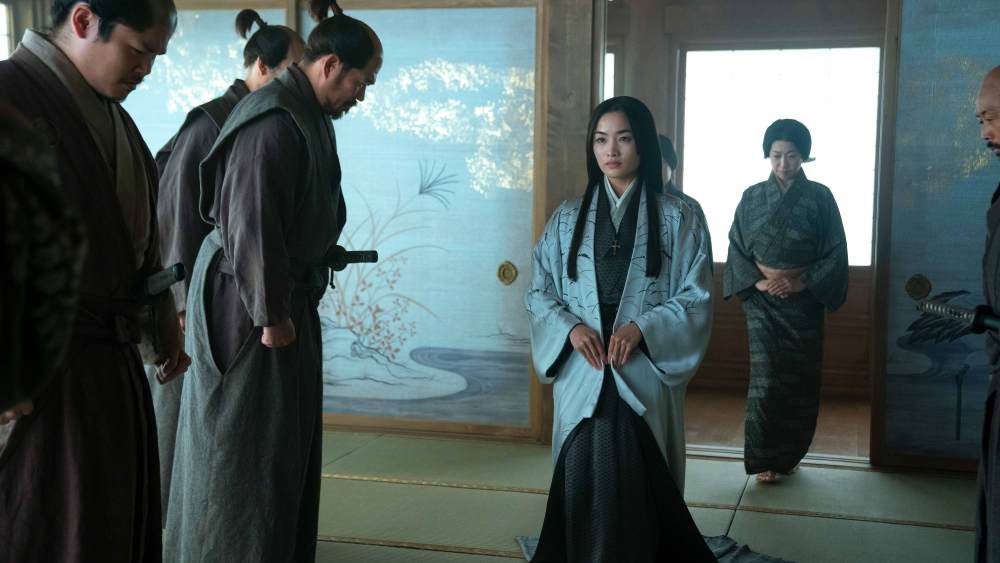
"Shōgun" production designer Helen Jarvis, despite having no prior experience with Japan or the source material, successfully recreated feudal Japan in 1600 for the FX show in Vancouver, British Columbia. Using backlots and soundstages, she built sets including a fishing village, harbor, royal palaces, and samurai houses, with attention to detail such as ship design and authentic thatching. Jarvis collaborated with experts and utilized digital printing for intricate designs, ultimately creating a visually stunning and authentic world for the series.
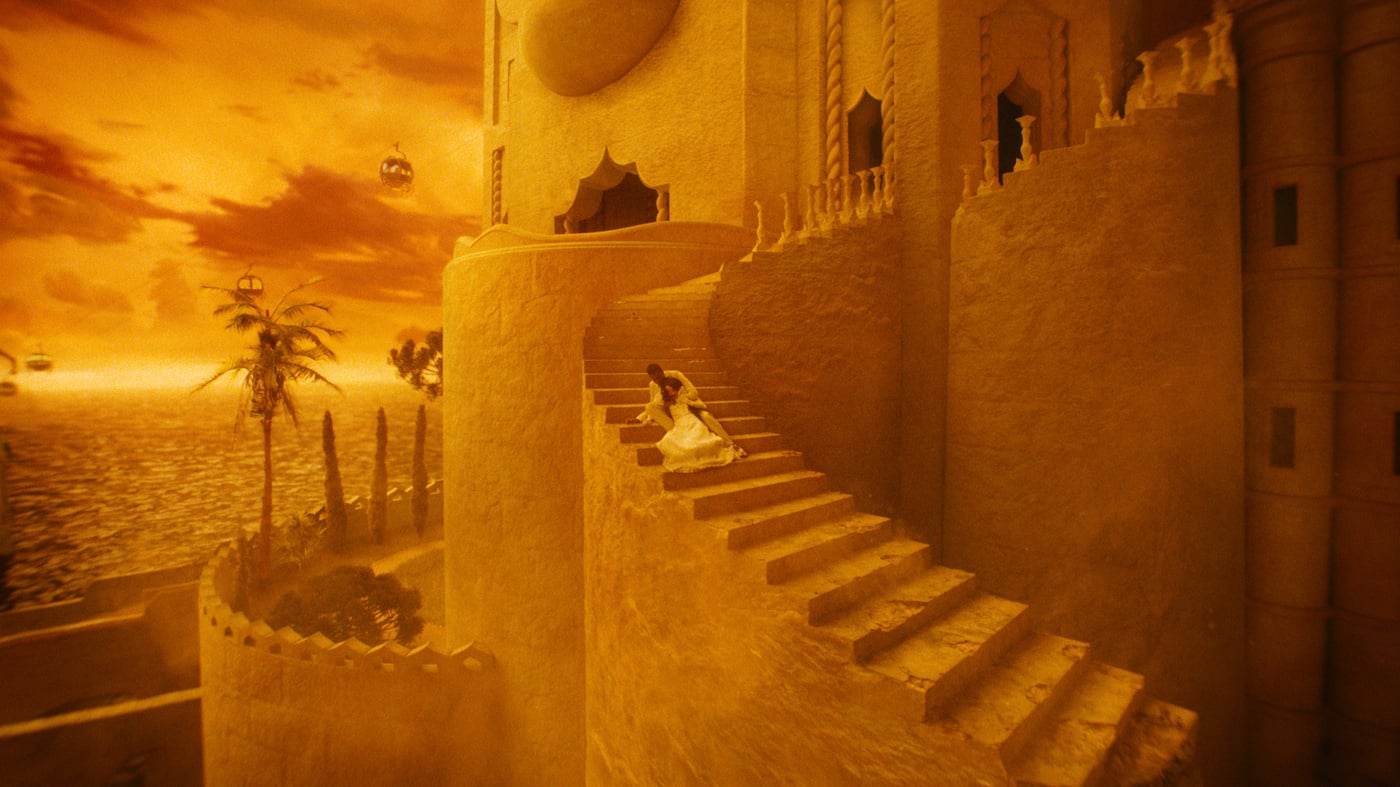
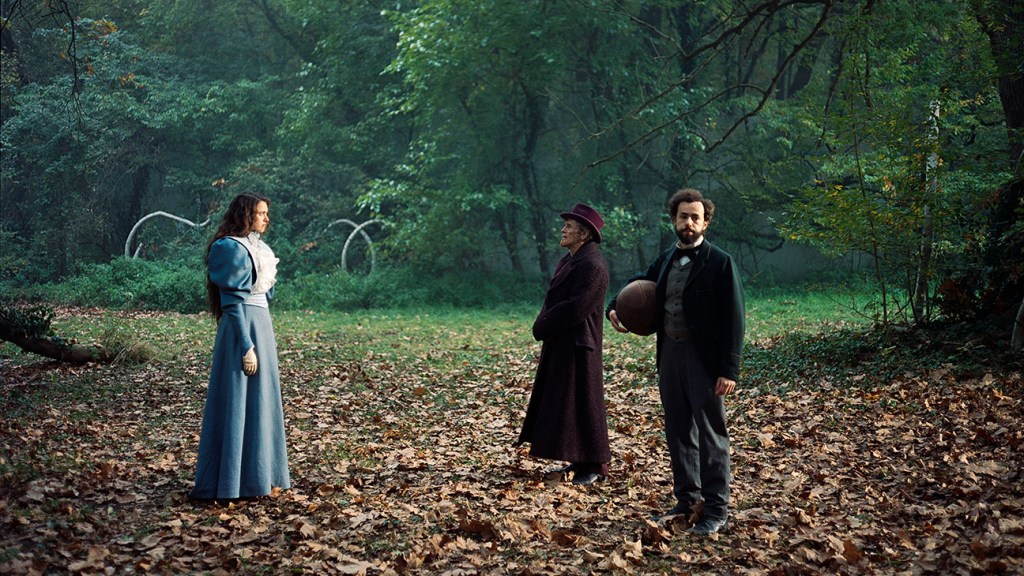
The film "Poor Things" presents a visually stunning and unique world, making a case for winning the production design Oscar. While historical epics and fantasy films are typically favored, "Poor Things" offers a bespoke visual language that reflects the protagonist's journey of self-discovery. The film's production design meticulously constructs distinct settings in London, Lisbon, an ocean liner, Alexandria, and Paris, each reflecting the protagonist's evolving experiences and emotions. This attention to detail and visual storytelling sets "Poor Things" apart as a strong contender for the production design award at the Oscars.
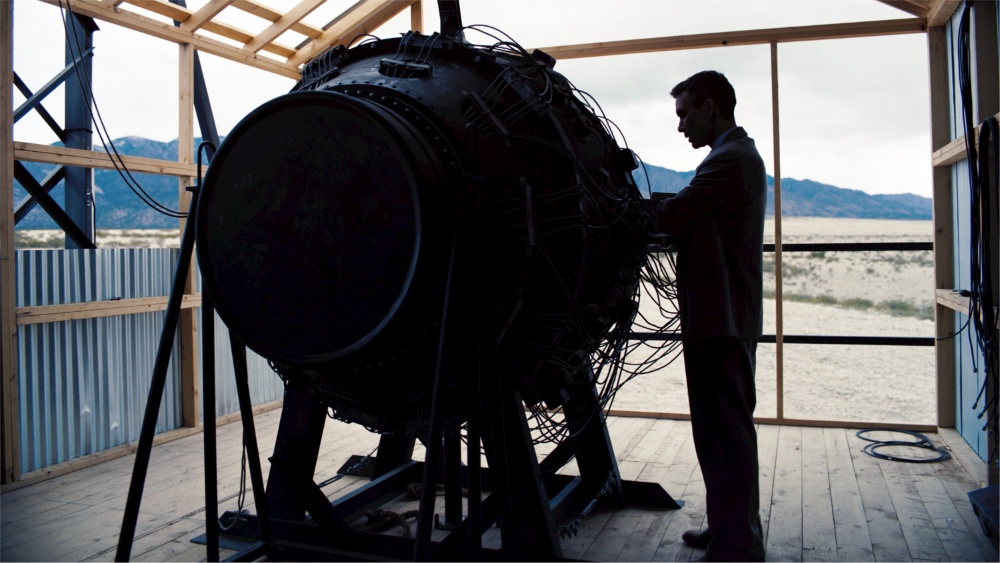
Poor Things, Oppenheimer, and Saltburn were among the winners at the 28th Art Directors Guild Awards, with Poor Things and Oppenheimer also nominated for the Oscar in production design. The event also honored Mimi Leder with the Cinematic Imagery Award and presented Lifetime Achievement Awards to David Lowery, Greg Papalia, Wynn P. Thomas, and Francine West. Host Max Greenfield's segments included a tribute to Barbie and a list of winners for the 28th annual ADG Awards was also provided.
The 28th annual Art Directors Guild Awards saw Poor Things, Oppenheimer, and Saltburn take top film honors, with Ruth De Jong and Poor Things’ James Price and Shona Heath set to compete for Best Production Design at the Academy Awards. TV winners included Beef, Succession, Frasier, Reservation Dogs, The Great, Squid Game: The Challenge, and the 80th Golden Globe Awards. The event also honored Mimi Leder and presented career honors to several industry professionals.
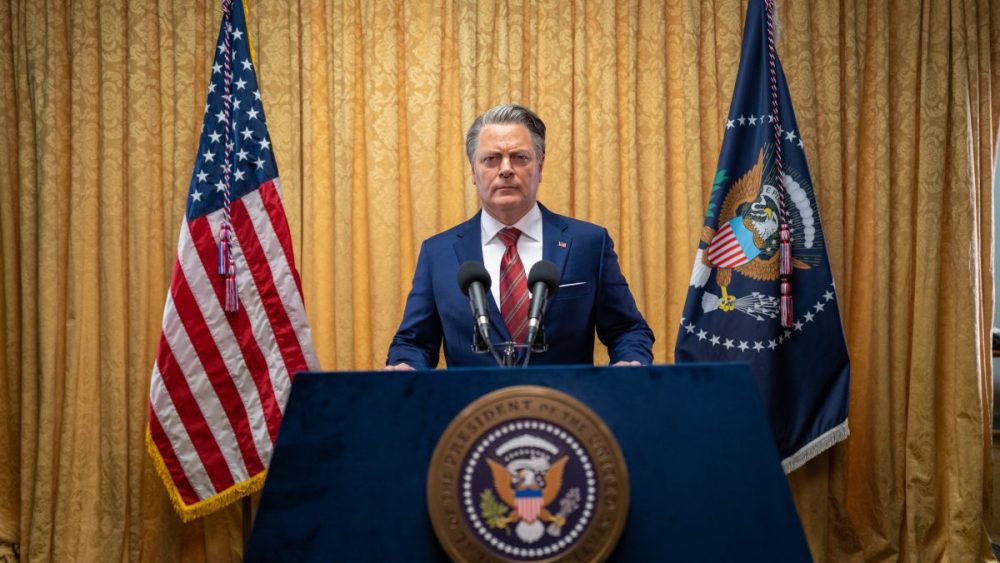
The 28th Annual Art Director’s Guild Awards honored outstanding production design in various categories, with "Oppenheimer" and "Poor Things" among the winners. Production designers Shona Heath and James Price drew visual references for "Poor Things," while Ruth De Jong faced challenges building sets for "Oppenheimer," including recreating the Oval Office. Legendary production designer Lawrence G. Paull was inducted into the ADG Hall of Fame, and director Mimi Leder received the cinematic imagery award. The event recognized winners in feature films, television, commercials, animated features, and music videos.
Kasra Farahani, the production designer turned director for Marvel Studios' "Loki," discusses his involvement in the show's storytelling, the creation of the 1893 World's Fair set, and the use of wide shots in filming. He also talks about Jonathan Majors' debut as Victor Timely, the historical inspiration for the character, and his experience working with Tom Hiddleston and the rest of the cast. Farahani shares his appreciation for being able to combine his roles as a production designer and director and expresses interest in pursuing more directing opportunities in the future.