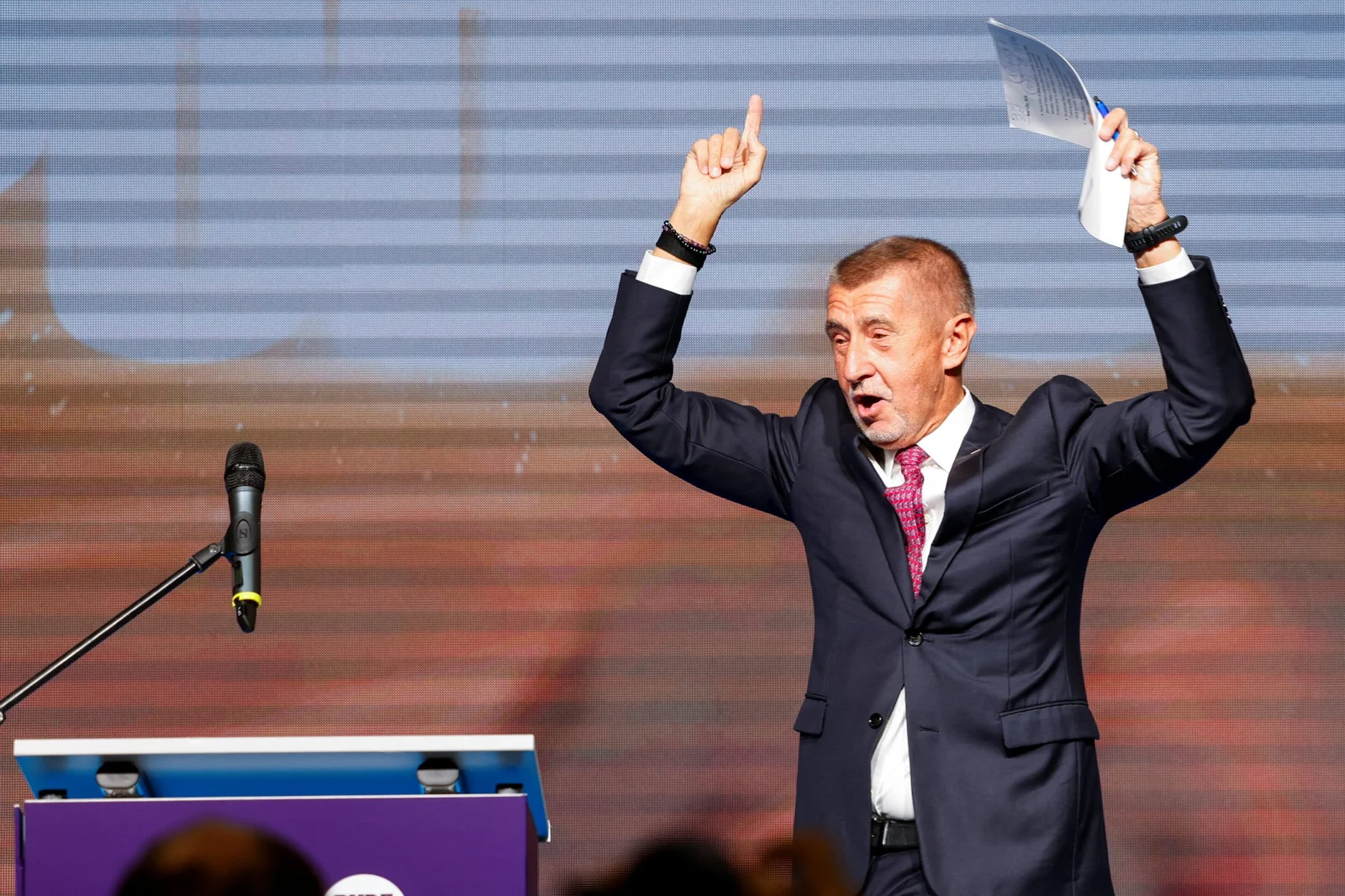
The Czech elections resulted in a shift away from pro-Ukrainian and pro-European parties, with ANO gaining significant support and forming a potential coalition, reflecting Czech voters' pragmatic and self-interested approach amid economic concerns and rural support, while the country's overall support for Ukraine remains limited.
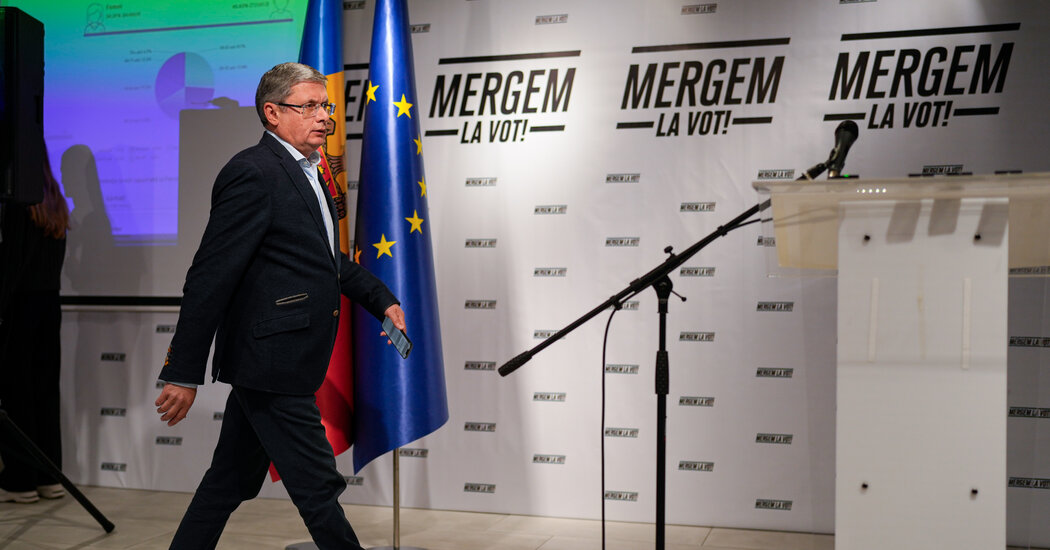
Moldova's recent parliamentary election resulted in a decisive victory for the pro-European Action and Solidarity (PAS) party, with over 50% of the vote, marking a significant defeat for pro-Russian forces and signaling a clear move towards European integration and away from Russian influence.
Moldova's pro-European party is projected to win the parliamentary election, likely maintaining its majority amid tensions with Russia and efforts to join the EU, marking a significant moment in the country's geopolitical alignment and internal divisions.
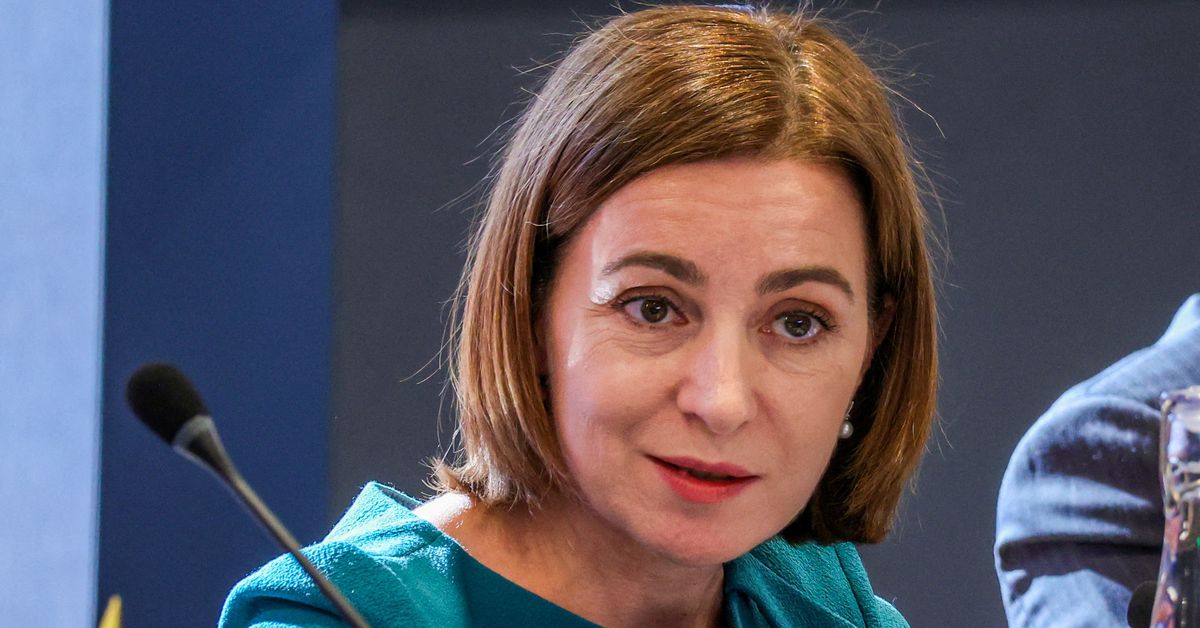
Moldova's pro-European ruling Party of Action and Solidarity (PAS), led by President Maia Sandu, emerged as the winner in hundreds of local elections but faced setbacks in big cities, failing to secure mayoral seats. The elections were marred by allegations of foreign meddling and the exclusion of a pro-Russian party. The Organization for Security and Cooperation in Europe (OSCE) reported distorted campaigning due to illicit and foreign funds influencing voters' choices. Moldovan authorities accused Russia of buying votes, while the OSCE criticized the decision to bar the Chance party, limiting voters' choices. Sandu's party won mayoral seats in rural areas but failed to gain control of major cities. The election outcome reaffirms Moldova's pro-European stance as it seeks to join the EU and distance itself from Russia.
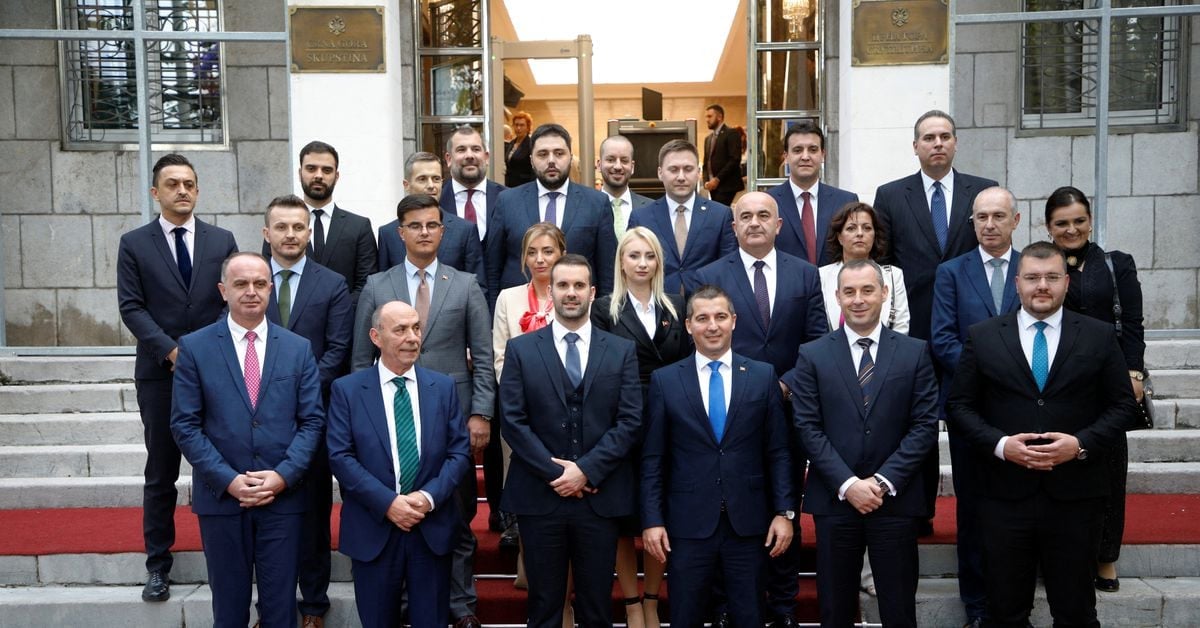
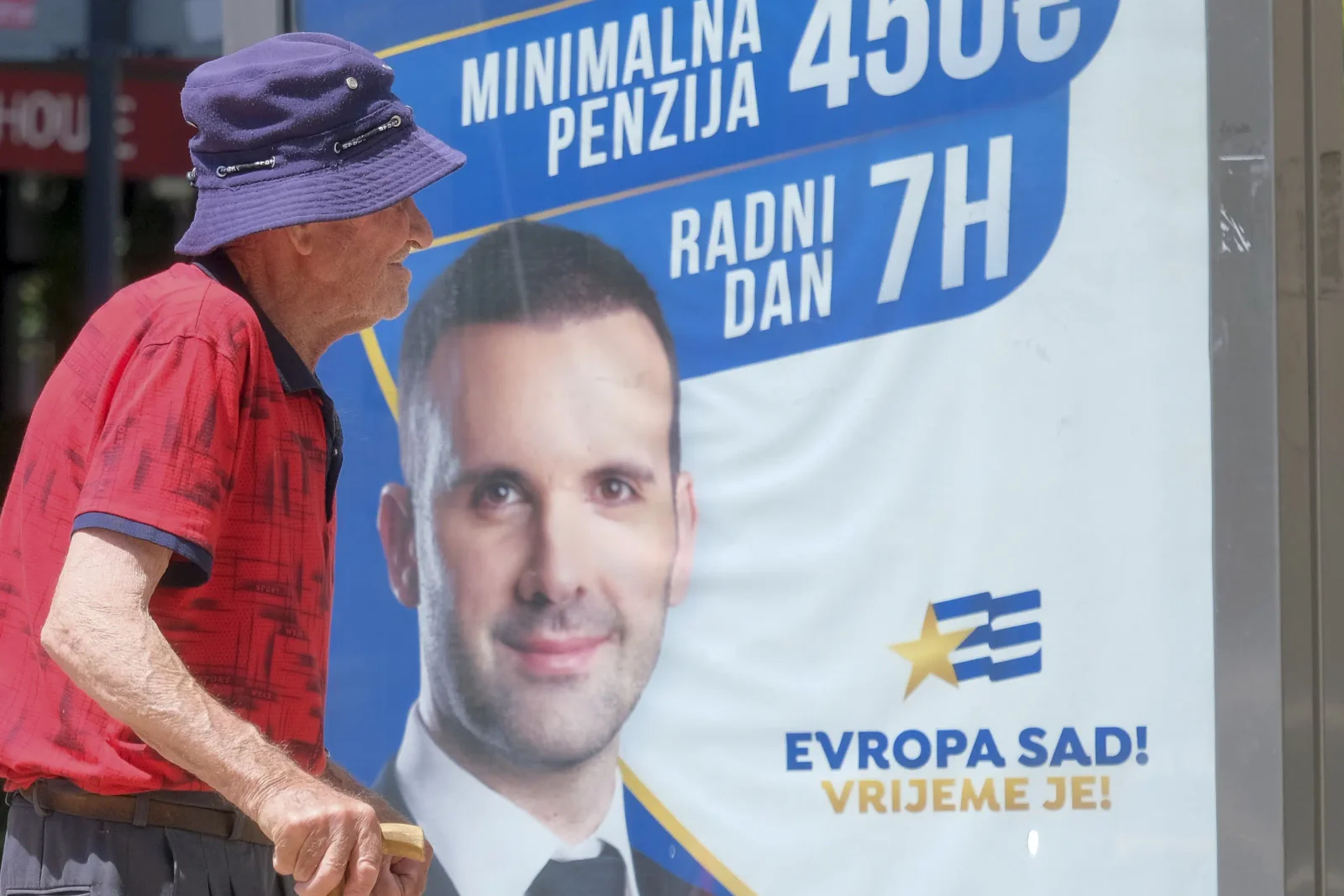
Montenegro's parliament has appointed a new government, a coalition of pro-European and pro-Serb parties, with economist Milojko Spajic as the Prime Minister. The government's main priorities include EU membership, NATO membership, improving relations with neighbors, and strengthening the country's role in multilateral organizations. The new government aims to improve the living standards of Montenegro's population through economic policies focused on fiscal revenue, investment, business climate, and judiciary reforms. The government also postponed a population and household census due to technical problems and opposition party boycott concerns. Montenegro's economy is expected to grow by 4.8% in 2023, mainly relying on revenues from tourism. Montenegro joined NATO in 2017 and has taken a pro-EU stance, joining EU sanctions against Russia and supporting Ukraine.
The Europe Now movement, a centrist group advocating for Montenegro to join the European Union, is projected to win the country's snap parliamentary election with 26% of the vote, but not enough to form a government on its own. The pro-Serb coalition For the Future of Montenegro has emerged as a kingmaker in the formation of a future coalition government by winning some 15% of the vote. The election is Montenegro's first in more than 30 years that does not feature former President Milo Djukanovic, who lost a presidential election in April.
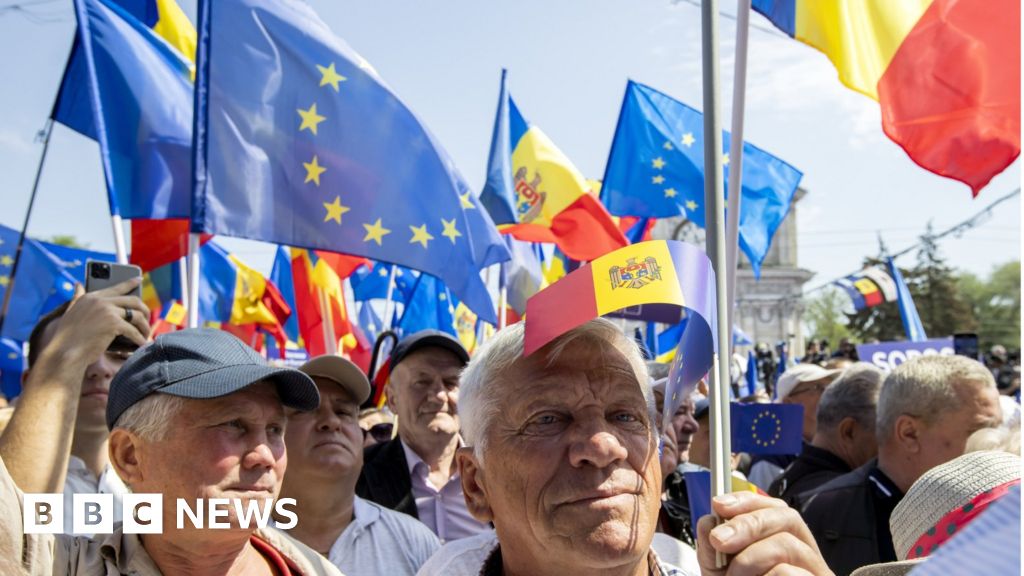
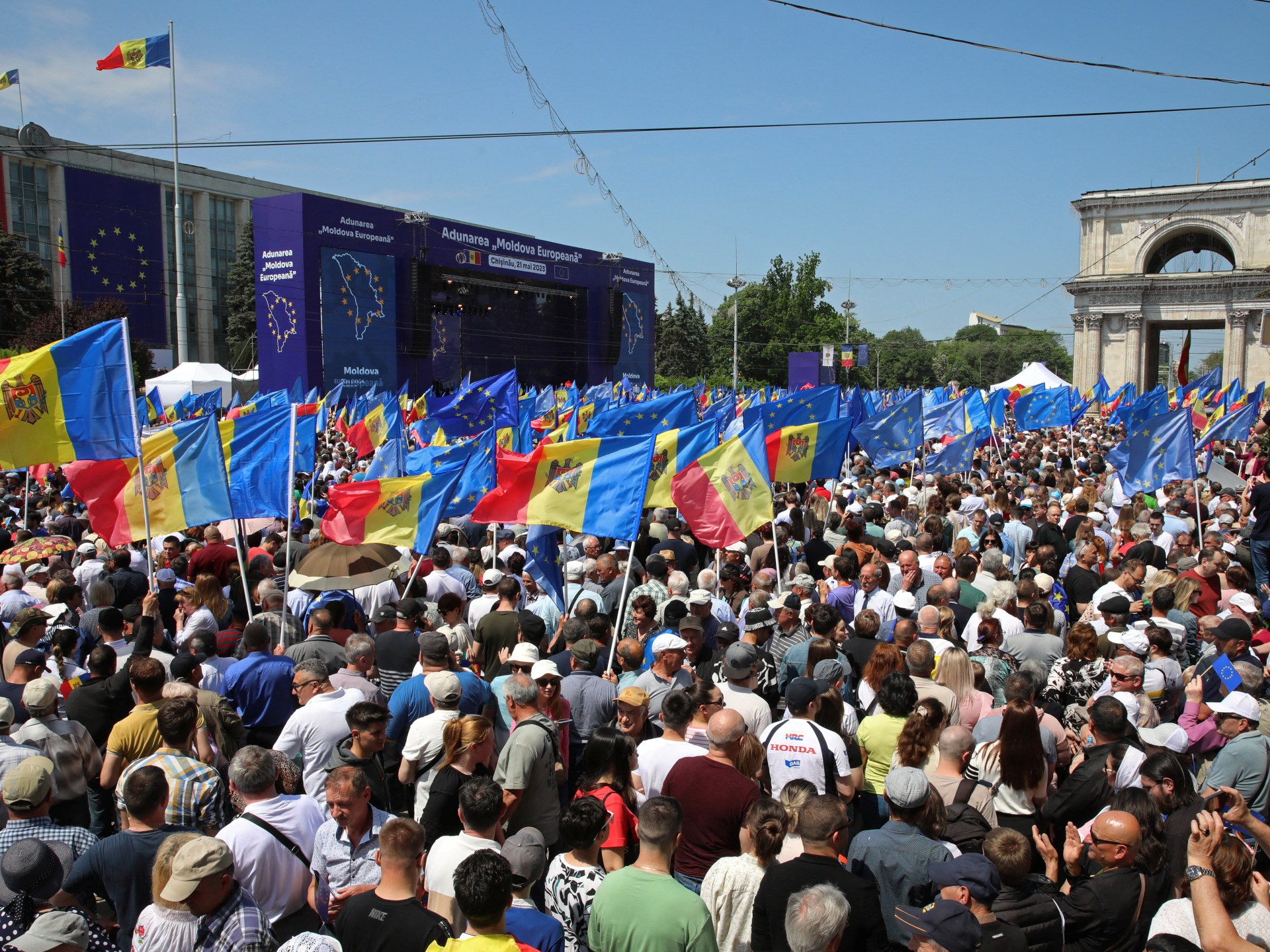
Thousands of Moldovans gathered in the capital, Chisinau, for a pro-EU rally organised by President Maia Sandu, who accused Russia of supporting Moldova's pro-Russian opposition Sor party. The country became an EU candidate country in June 2022 and aims to become a member nation by 2030. Moldova has been affected by the war in Ukraine, with Russian missiles crossing into its airspace on their way to Ukraine. The EU has praised Moldova's progress in implementing reforms, including amendments to the justice system and a commitment to fighting corruption at all levels.
Tens of thousands of Moldovans rallied in the capital Chisinau to support their pro-Western government's drive towards Europe amid what officials have said are Russian efforts to destabilise their country. They waved European Union flags and chanted pro-European slogans. President Maia Sandu said her country wanted to join the 27-nation EU by 2030. Demonstrators called on political leaders to amend the constitution to specifically mention the country's European orientation. The leader of the pro-Russian opposition Shor Party, exiled businessman Ilan Shor, told his supporters at rival protests in several cities via video link that he would seek a referendum on Moldova's foreign policy.