

Lee Child advocates for including thrillers in the UK school curriculum to boost children's interest in reading, emphasizing the importance of engaging literature to foster literacy and reduce reoffending through prison literacy programs. He is involved in literacy sessions at prisons, aiming to create a regional model to improve literacy and community safety.
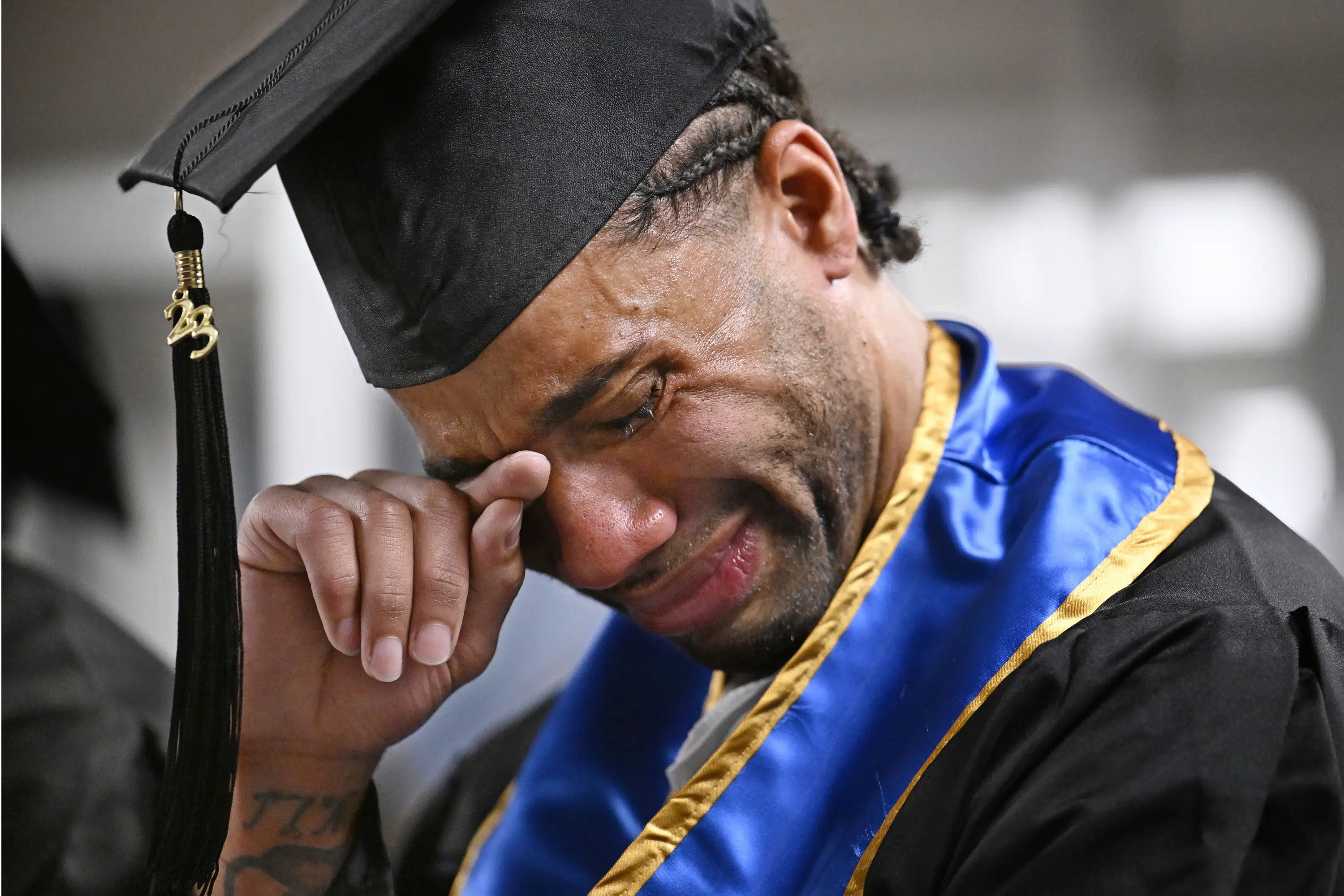
Thousands of prisoners across the United States will have the opportunity to receive free college education paid for by the government, thanks to the expansion of the federal Pell Grant program. The new rules, which overturn a 1994 ban on Pell Grants for prisoners, aim to address the mass incarceration and racial disparities in the prison population. College degrees obtained by prisoners can significantly increase their chances of finding employment and successfully reintegrating into society upon release. While there are concerns about racial imbalances and limited resources within prisons, advocates believe that providing education to incarcerated individuals can lead to redemption, rehabilitation, and reduced recidivism rates.
The University of New Haven and Yale Prison Education Initiative celebrated the first class of inmates to receive degrees through their partnership. The program offers classes at McDougall-Walker and the federal women’s prison in Danbury, and is part of a consortium that includes 15 schools and prison systems across the country. Studies have shown that inmates who receive higher education are less likely to have behavioral problems in prison and less likely to commit crimes once released.