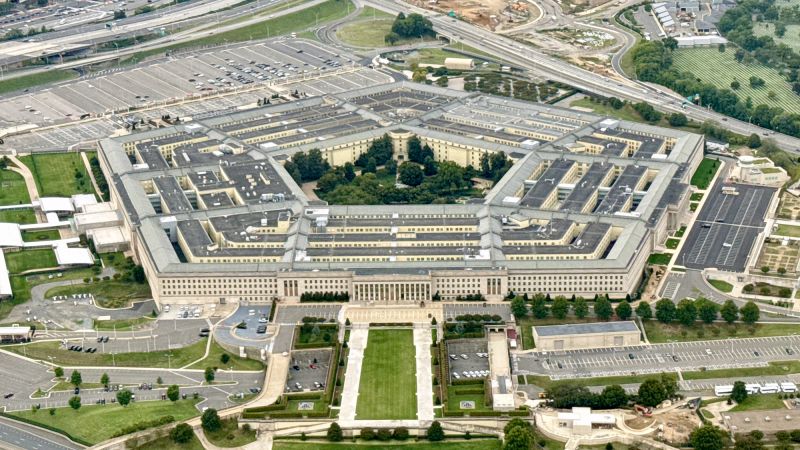
A surge of right-wing media outlets has gained access to the Pentagon under new restrictions that challenge traditional press freedoms, favoring outlets supportive of the current administration and reshaping the Pentagon press corps, while mainstream outlets protest the changes.
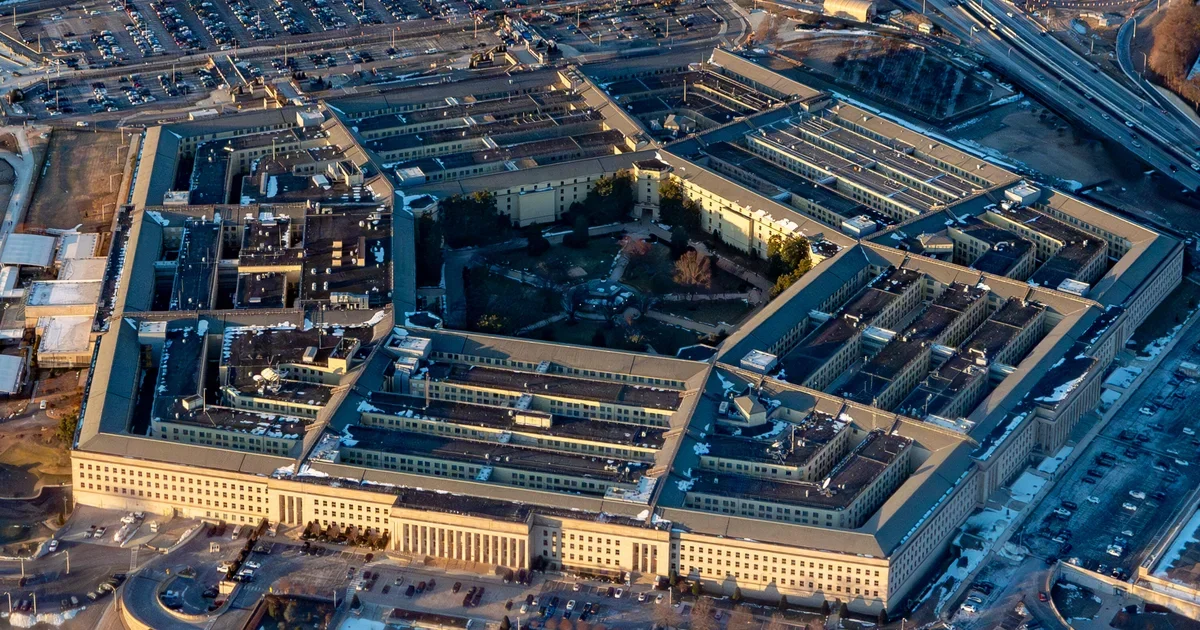
Multiple major news organizations, including CBS News, are refusing to sign new Pentagon press restrictions they claim violate the First Amendment, leading to potential loss of Pentagon access for reporters. The restrictions require prior approval for publishing classified or controlled information, which critics argue hampers journalistic independence and transparency. Some outlets, like OAN, have agreed to the restrictions, but most, including CBS, are standing firm, emphasizing their commitment to independent reporting despite potential access issues.
The Pentagon is tightening control over media access and public engagement, citing vetting processes to align with administration values, which may hinder transparency and public understanding of national security issues, reflecting a more closed-off, appearance-focused approach reminiscent of Trump-era tactics.
Media outlets are preparing to challenge a Pentagon policy that would require reporters with military credentials to sign a pledge not to use unauthorized material, which critics argue violates First Amendment rights and restricts press access, leading to potential legal battles and widespread criticism from news organizations and lawmakers.
The Pentagon announced new restrictions requiring reporters to pledge to limit their reporting, sparking widespread criticism from journalists and advocates for press freedom, who see it as an attack on independent journalism. President Trump made brief remarks on the issue, but it was unclear if he intended to comment further. Additionally, Trump made other statements praising Attorney General Pam Bondi and criticizing Letitia James, and expressed willingness to help defend NATO allies in Eastern Europe.