The White House has implemented new restrictions on media access, limiting journalists' ability to cover events and question officials, citing security concerns and allegations of misconduct by reporters, which has raised concerns about transparency and press freedom.
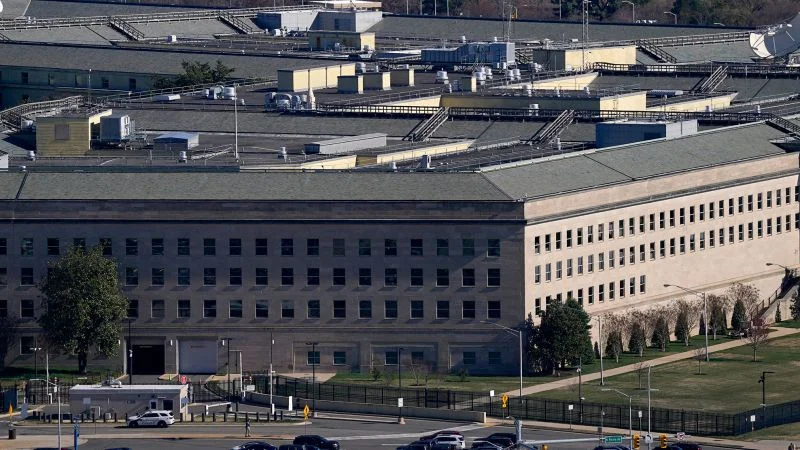
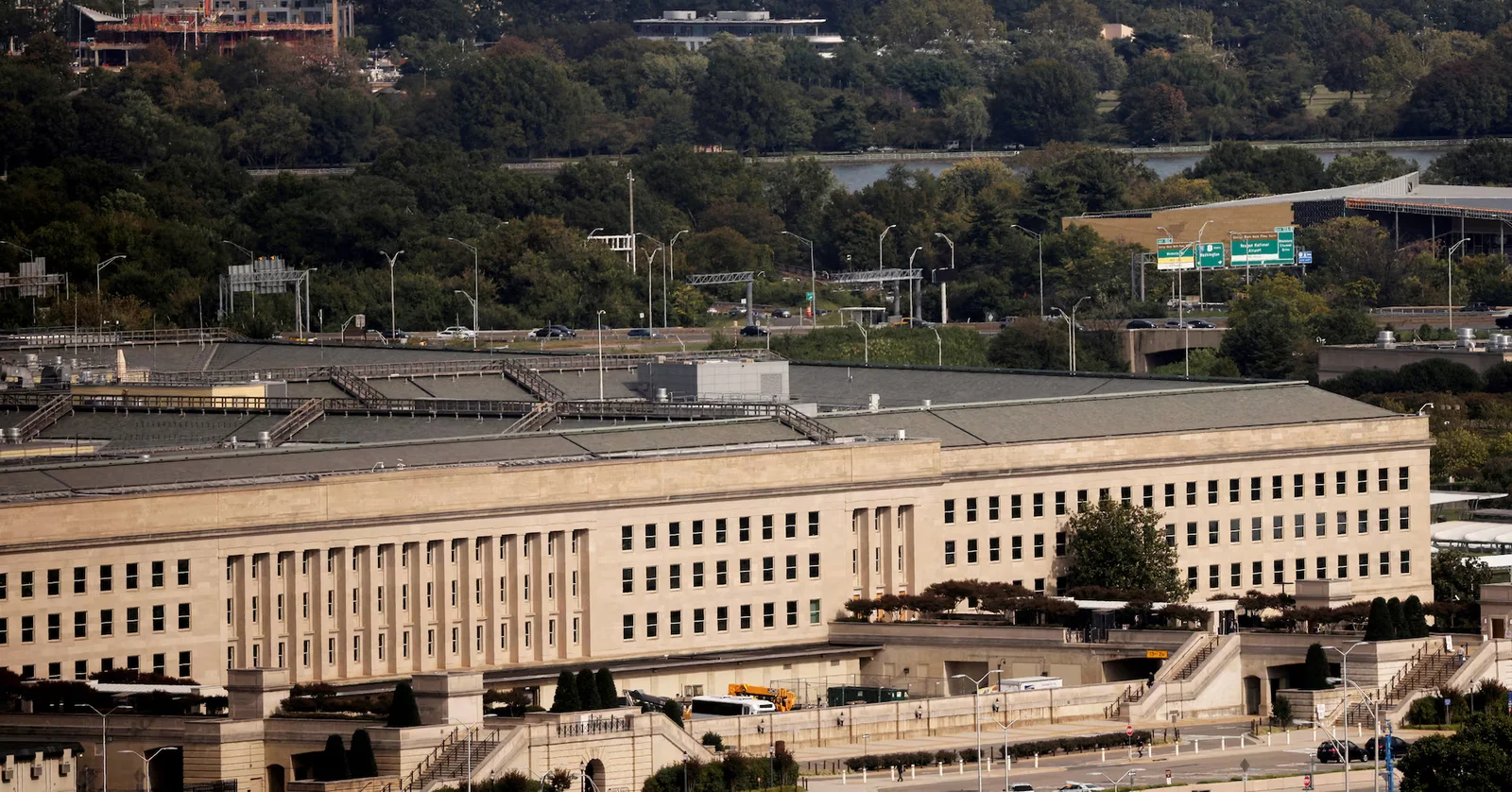
Journalists at the Pentagon are protesting a new policy by turning in their press passes, as it severely restricts media access and is seen as an attack on press freedom, with most outlets refusing to comply and continuing coverage from outside.
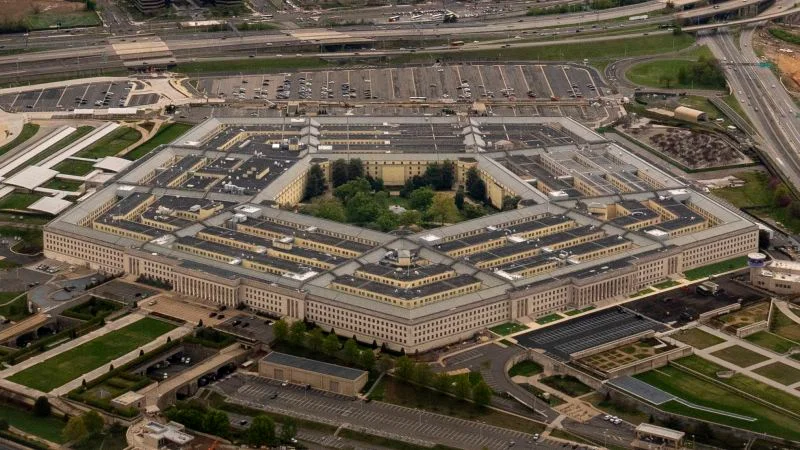
Over 30 major news outlets, including Reuters and The New York Times, have refused to accept a new Pentagon press access policy that could restrict journalists' ability to report on sensitive military information, citing concerns over press freedoms and transparency. The policy requires acknowledgment of restrictions and could lead to revoking press badges for seeking unapproved information, prompting a standoff ahead of a Tuesday deadline.
Major media outlets, including POLITICO and The Washington Post, have declined to sign new Pentagon reporting rules that would restrict journalists' access and potentially limit transparency, citing concerns over First Amendment rights and independent reporting. Only One America News Network has agreed to the rules, which aim to control the release of sensitive information, but have faced criticism for infringing on press freedoms.
Many major news organizations, including CNN, The New York Times, and Newsmax, are refusing to sign new Pentagon press access rules that they consider restrictive and potentially violating the First Amendment, leading to a standoff over Pentagon media coverage and access.
The Pentagon is implementing new restrictions on media access and reporting, requiring journalists to sign agreements not to disclose unauthorized information and limiting their movement within the facility, sparking concerns over press independence and transparency.
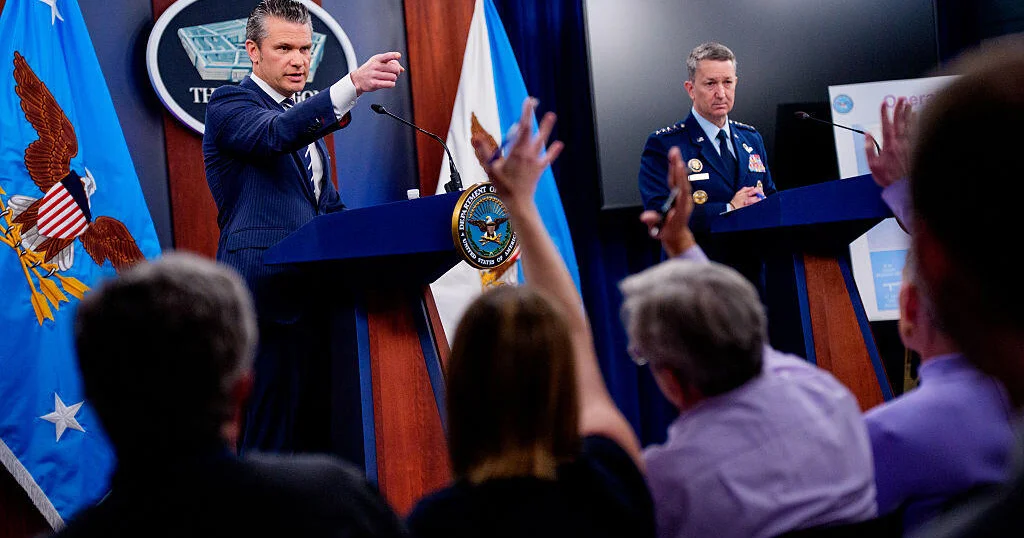
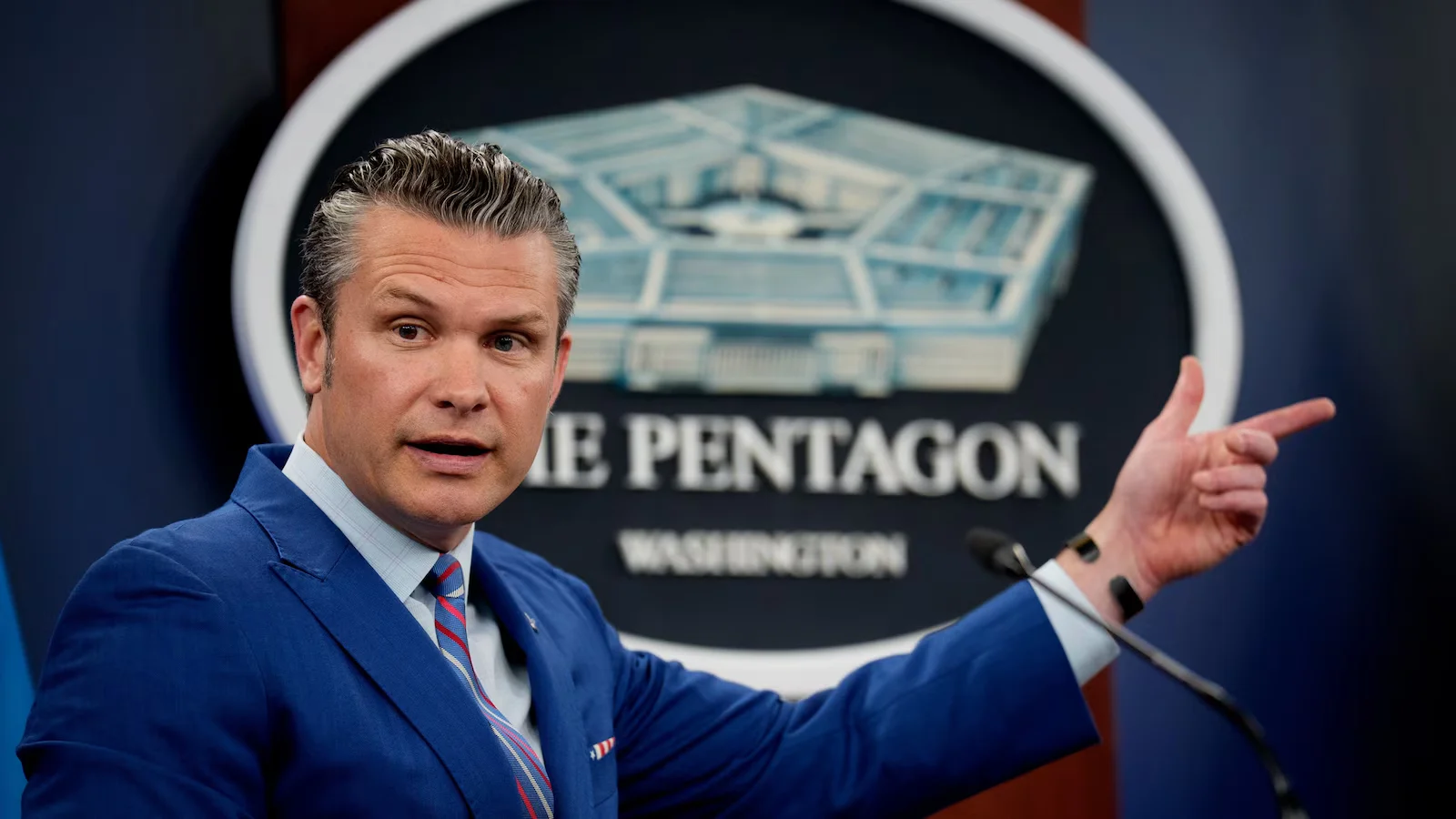
Defense Secretary Pete Hegseth announced new restrictions on Pentagon press access, including rules against unprofessional conduct and attempts to obtain classified information, which could lead to reporters losing their access if violated, raising concerns about transparency and media independence.
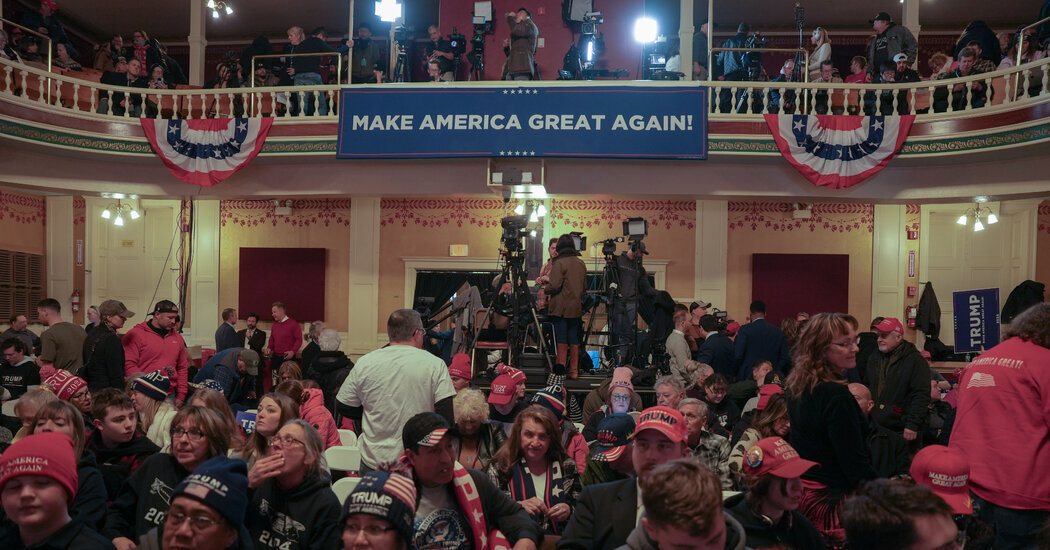
The Trump campaign barred NBC News correspondent Vaughn Hillyard from covering a New Hampshire event, where the former president was expected to make his first in-person remarks after Gov. Ron DeSantis dropped out of the race. Hillyard, representing a pool of five major TV networks, was told by the Trump team that the pool would not be allowed to travel with Trump that day. The campaign spokesman acknowledged that the network pool did not attend the event but stated that the campaign does not bar reporters based on their reporting, and that the pooling system for presidential candidates is less formal than that for covering the president at the White House.
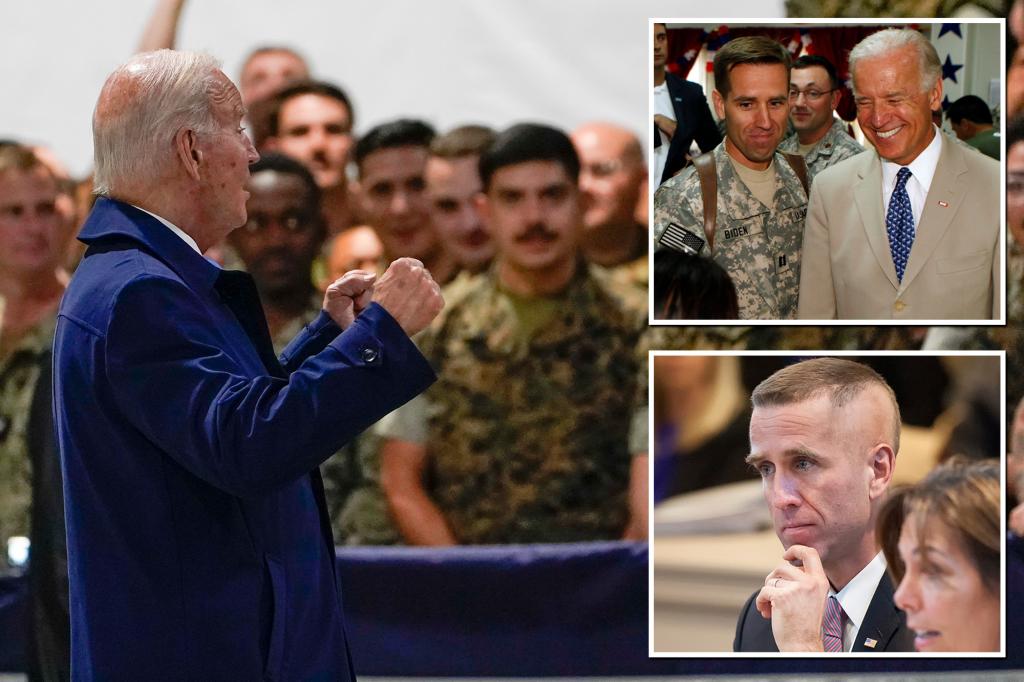
President Biden incorrectly claimed that his son Beau died in the Iraq War while speaking to US forces stationed in Japan. Beau Biden actually died of brain cancer in 2015. This is not the first time Biden has made factually incorrect claims, leading to concerns about his mental fitness for office. The White House press office has implemented severe restrictions on journalistic access during Biden's time in office, including pre-screening reporters allowed to attend indoor events with the president.