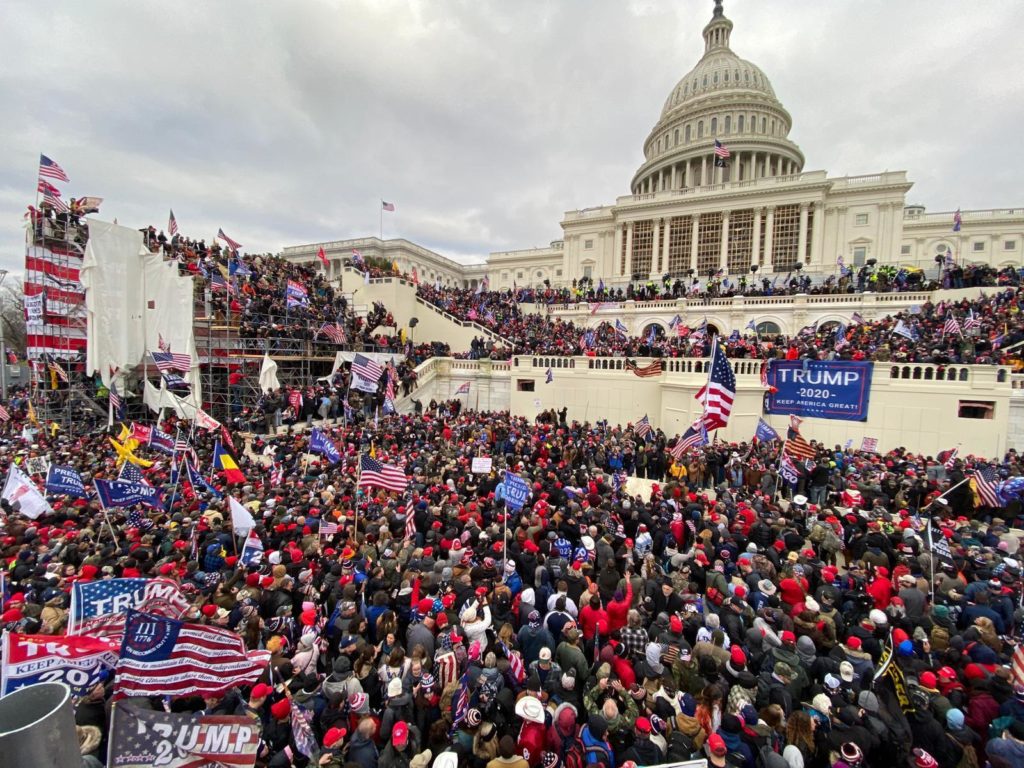
A federal judge is considering whether Donald Trump is entitled to presidential immunity from civil lawsuits related to the January 6 Capitol attack, with arguments focusing on whether his conduct was within his official capacity. The judge has not yet ruled, and the case involves claims from Democratic lawmakers alleging Trump incited the riot.
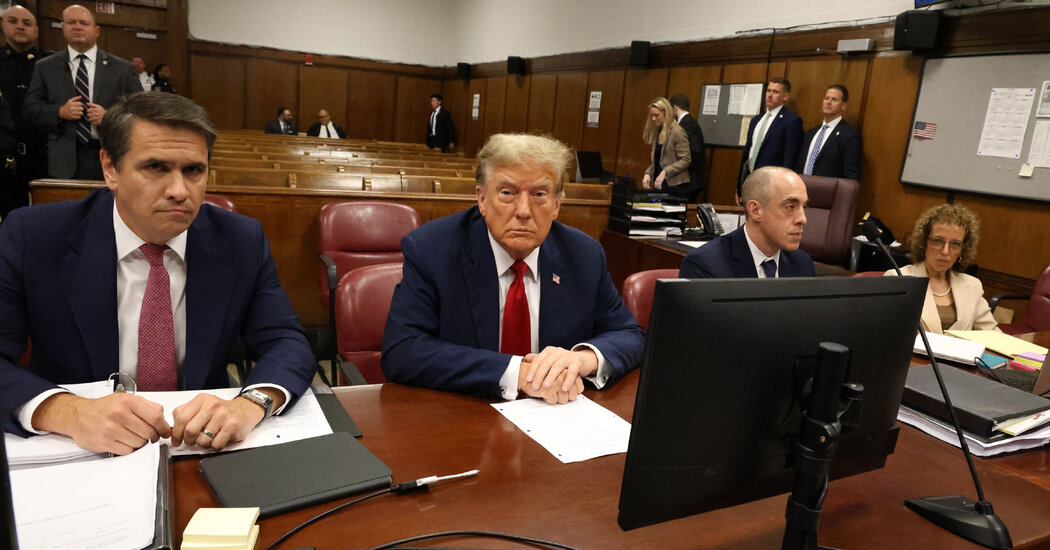
Trump's lawyers are appealing his 34-count criminal conviction, claiming presidential immunity and arguing that the case should be dismissed, with Sullivan & Cromwell seeking to personally argue the appeal in court.
Trump's lawyers are requesting a federal appeals court to transfer his Manhattan criminal case to federal court, aiming to potentially challenge his conviction on presidential immunity grounds and seek to erase his felon status, amidst ongoing legal battles following his 2024 conviction for business fraud related to hush money payments.
President Trump is contesting his 34-felony conviction in Manhattan, arguing for the case to be moved from state to federal court based on a recent Supreme Court ruling on presidential immunity, with ongoing legal debates about jurisdiction and the implications of his presidential actions.
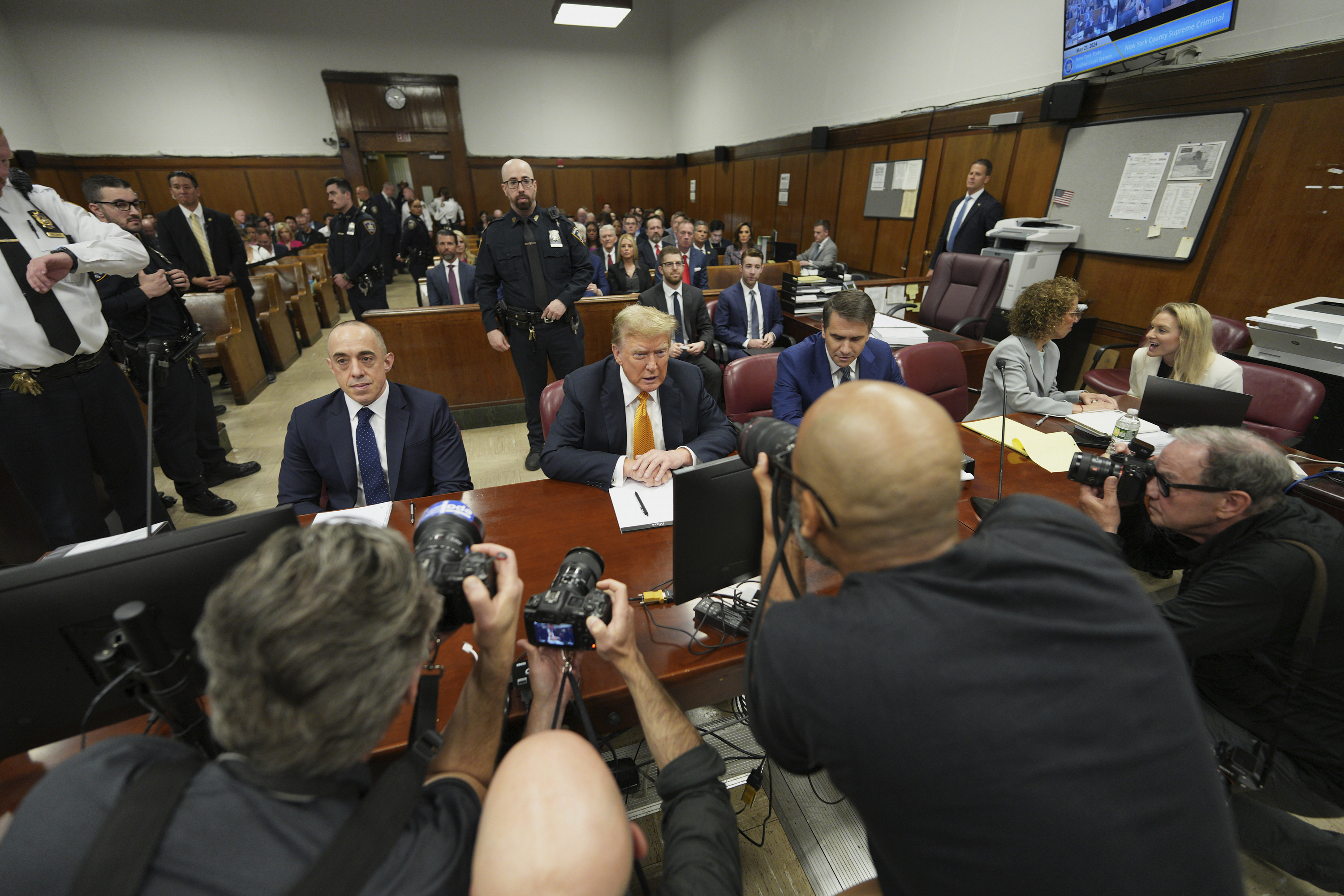
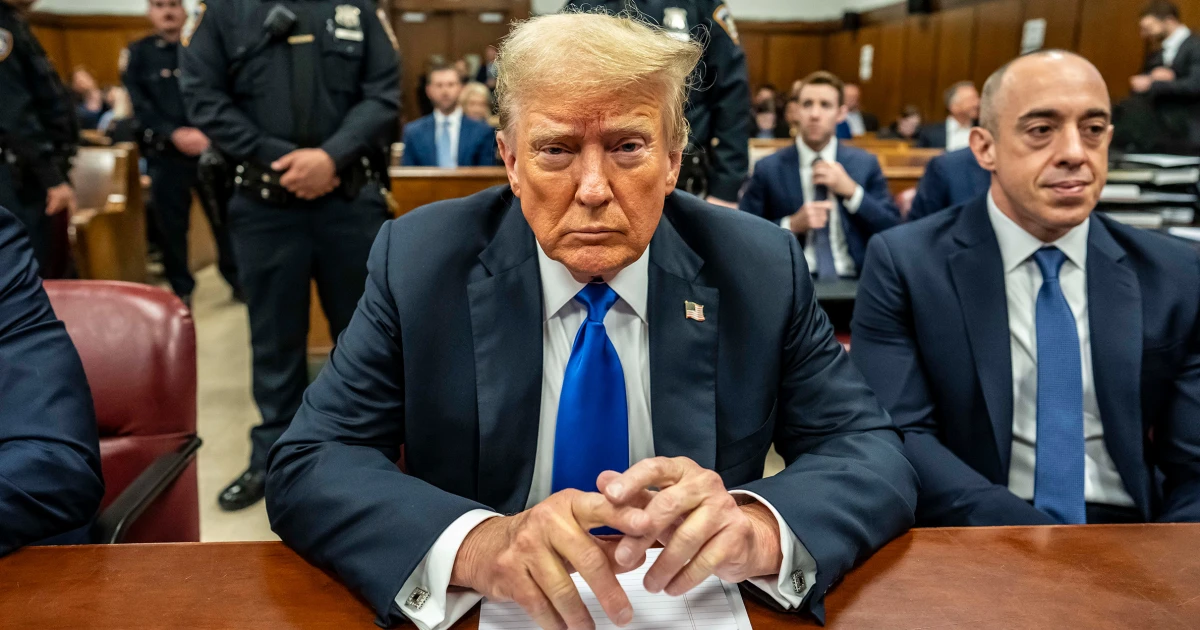
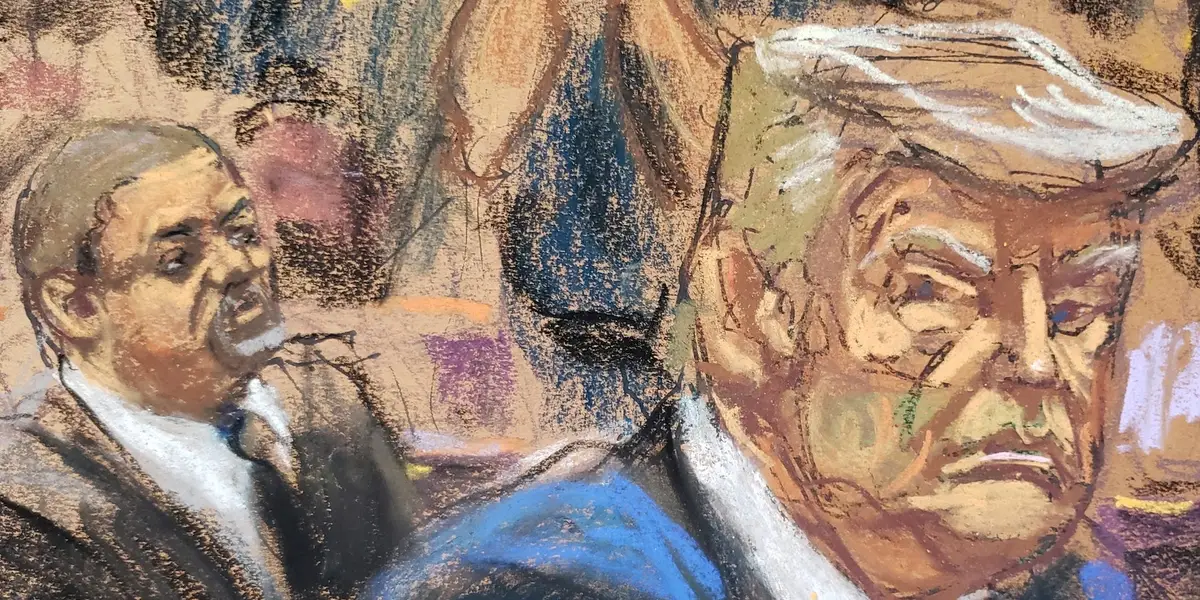
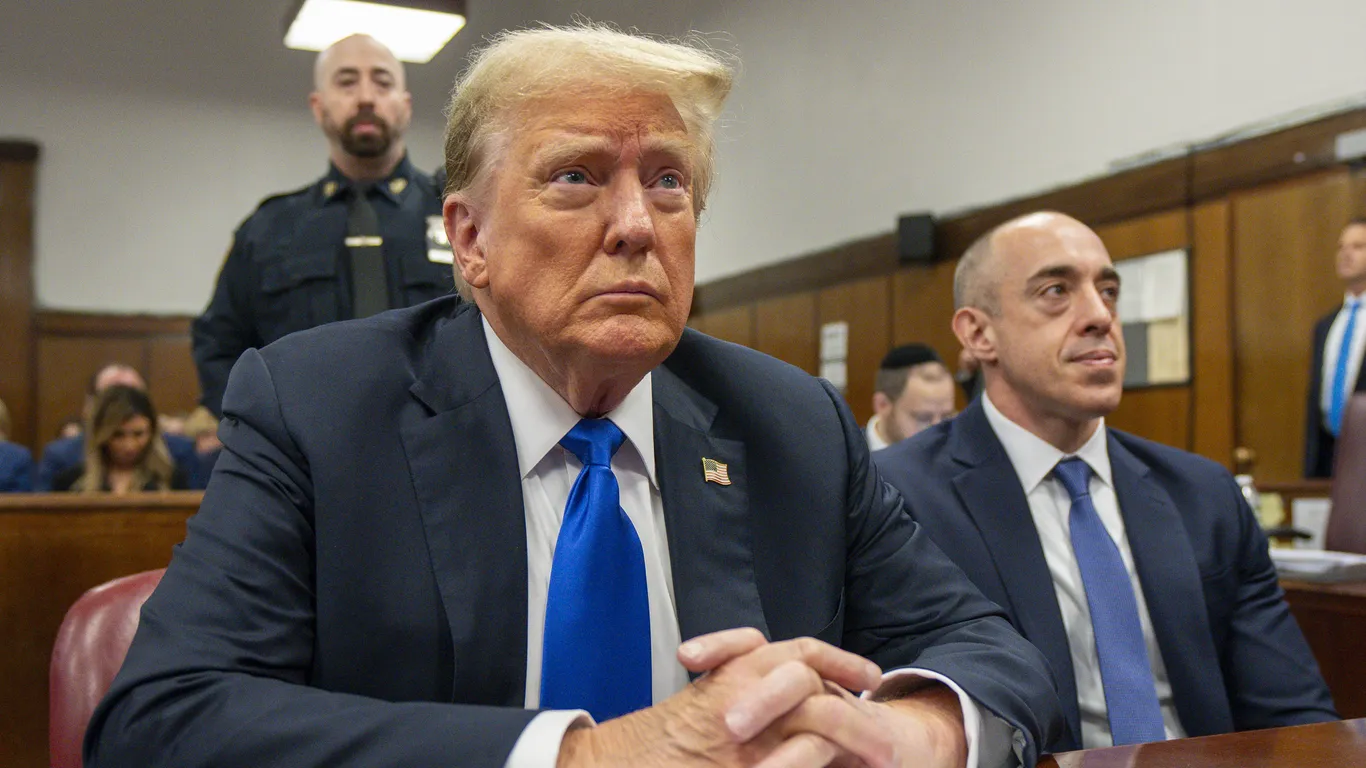
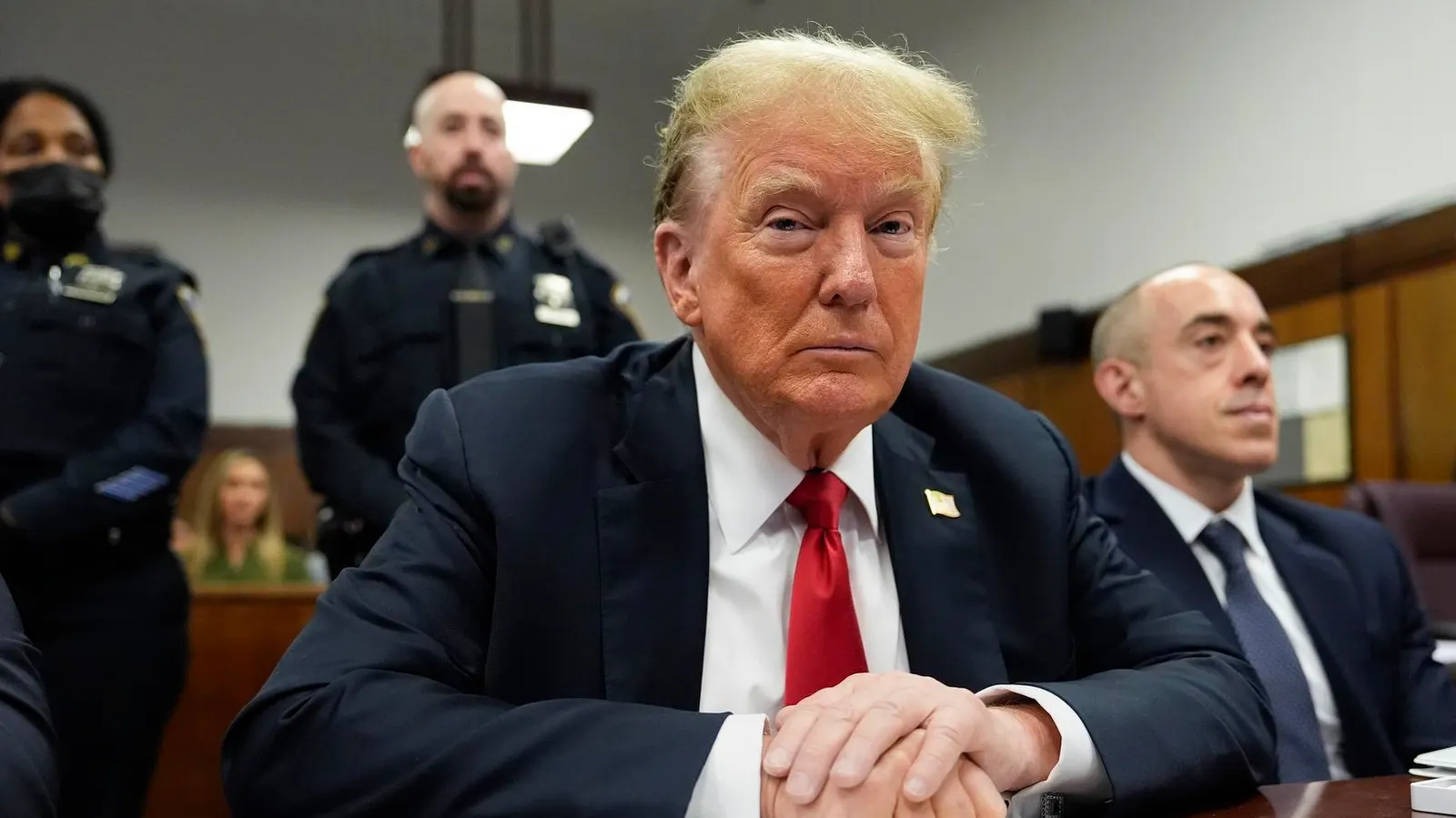
Prosecutors from the Manhattan district attorney's office have urged a New York judge not to dismiss Donald Trump's conviction in a hush money case, arguing that presidential immunity does not apply and suggesting alternatives to accommodate his presidential duties. They propose deferring sentencing until after his term or ensuring no jail time, while maintaining the conviction to uphold public confidence in the justice system. Trump's team argues for dismissal based on immunity, but prosecutors highlight the importance of preserving the jury's verdict.
Manhattan DA Alvin Bragg has filed an 82-page motion opposing Donald Trump's attempt to dismiss his hush-money case, citing Trump's "history of malicious conduct" as too serious to ignore. Bragg argues against Trump's claim of presidential-elect immunity, stating it does not exist. The case involves Trump's alleged falsification of business records to conceal a payment to Stormy Daniels before the 2016 election. Bragg highlights Trump's history of threatening and attacking legal participants, which weighs against dismissal. The DA requests sentencing before inauguration or a case hold until after a potential second term.
Manhattan District Attorney Alvin Bragg argues that President-elect Trump's conviction in the hush money case should not be dismissed due to his election victory, asserting that presidential immunity does not apply. Despite Trump's legal team's efforts to halt the case, New York prosecutors maintain that the conviction should stand, although they are open to delaying sentencing until after Trump's term. This stance contrasts with the federal cases against Trump, which have been paused following his election win.
Manhattan prosecutors have proposed delaying or potentially ending the sentencing of Donald Trump in his hush money case without overturning his conviction, citing his upcoming presidency. While they oppose dismissing the 34 felony counts against him, they suggest postponing sentencing until after his presidency or using a legal precedent for cases where defendants die before sentencing. This approach would maintain the guilty verdict without disrupting Trump's presidency. The decision now rests with Judge Juan Merchan, who is considering Trump's requests to dismiss the conviction.
The Manhattan District Attorney and New York Attorney General have stated that Donald Trump's criminal and civil cases in New York should not be dismissed despite his reelection as president. Manhattan DA Alvin Bragg argues that Trump's conviction on 34 felony counts of falsifying business records should stand, and suggests delaying sentencing until after his presidency or imposing a non-incarceratory sentence. The New York AG's office also maintains that Trump's appeal of a $454 million civil fraud judgment does not impede his presidency. Trump's legal team argues that ongoing proceedings could interfere with his presidential duties, but prosecutors assert that presidential immunity does not apply to unofficial conduct.
Manhattan prosecutors are opposing Donald Trump's attempt to dismiss his criminal hush-money case, arguing that his status as president-elect does not grant him immunity from prosecution. They contend that Trump's presidency does not shield him from criminal charges related to actions taken before his term. Trump's legal team has cited presidential immunity and compared his case to Joe Biden's pardon of his son, Hunter. Prosecutors suggest deferring proceedings until after Trump's presidency rather than dismissing the case, which involves falsifying business records related to a payment to Stormy Daniels.
Donald Trump faces eight civil lawsuits related to the Jan. 6 Capitol riot, despite the collapse of criminal cases against him. These lawsuits, filed by members of Congress and injured police officers, seek accountability for Trump's alleged role in inciting the violence. A key issue is whether Trump is immune from these suits due to his presidential role. The cases could proceed during his potential second term, with significant financial liabilities at stake. Trump's legal battles extend beyond Jan. 6, including defamation and fraud cases, adding to his legal challenges.
Donald Trump has requested a Georgia court to dismiss the criminal case against him concerning efforts to overturn the 2020 election results, arguing that a sitting president is immune from prosecution. Trump's legal team claims the Georgia Court of Appeals lacks jurisdiction and should dismiss the indictment. The case is currently on hold as the court considers whether Fulton County DA Fani Willis can remain on the case, amid questions about her impartiality. Meanwhile, Kenneth Chesebro, involved in the fake electors plot, is challenging his guilty plea in the same case.
Donald Trump's attorneys have filed a motion to dismiss his criminal hush money case in New York, arguing that the prosecution disrupts the presidential transition and violates Department of Justice policy against prosecuting a sitting president. They cited President Biden's recent pardon of Hunter Biden and claimed the case is politically motivated. The Manhattan DA has until December 9 to respond to the motion, while Trump's other legal challenges, including election interference cases, are also ongoing.
Donald Trump's lawyers have requested the dismissal of his conviction for falsifying business records, citing President Joe Biden's pardon of his son, Hunter Biden, as evidence of selective prosecution. They argue that the case against Trump is politically motivated and violates presidential immunity. The filing criticizes the Justice Department and suggests that the prosecution disrupts the presidency's functioning. Trump's legal team also highlights his contributions to the nation and requests a stay if sentencing is scheduled. The Manhattan DA's office has until December 9 to respond.
Special Counsel Jack Smith has dropped the federal criminal cases against President-elect Donald Trump, citing the Justice Department's policy of not prosecuting sitting presidents. Trump's legal strategy to delay proceedings has led to the postponement or dismissal of multiple cases, including those in Georgia and New York. While Trump's New York conviction remains, his sentencing is delayed, and his legal team is expected to seek further dismissals based on his presidential status. Civil cases against Trump, however, are not affected by his election.