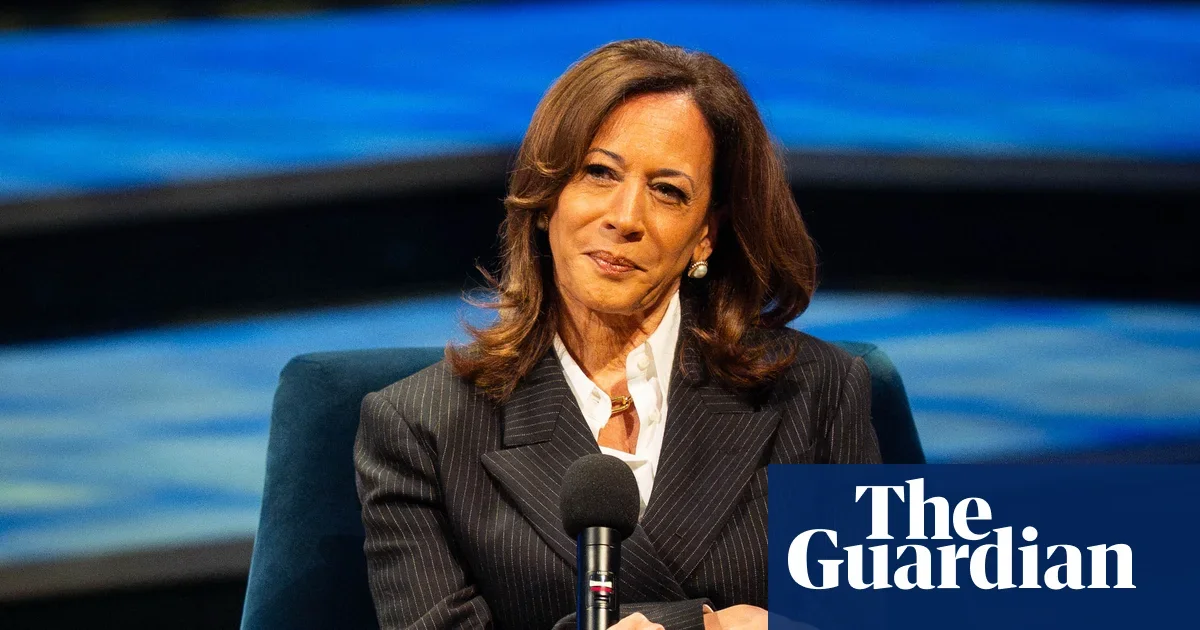
Kamala Harris indicates she is not finished with politics and is considering running for president again in 2028, despite current polling challenges and her recent election loss. She remains confident about the future of women in the White House and criticizes Donald Trump’s authoritarian tendencies, while also reflecting on her own political journey and recent campaign struggles.
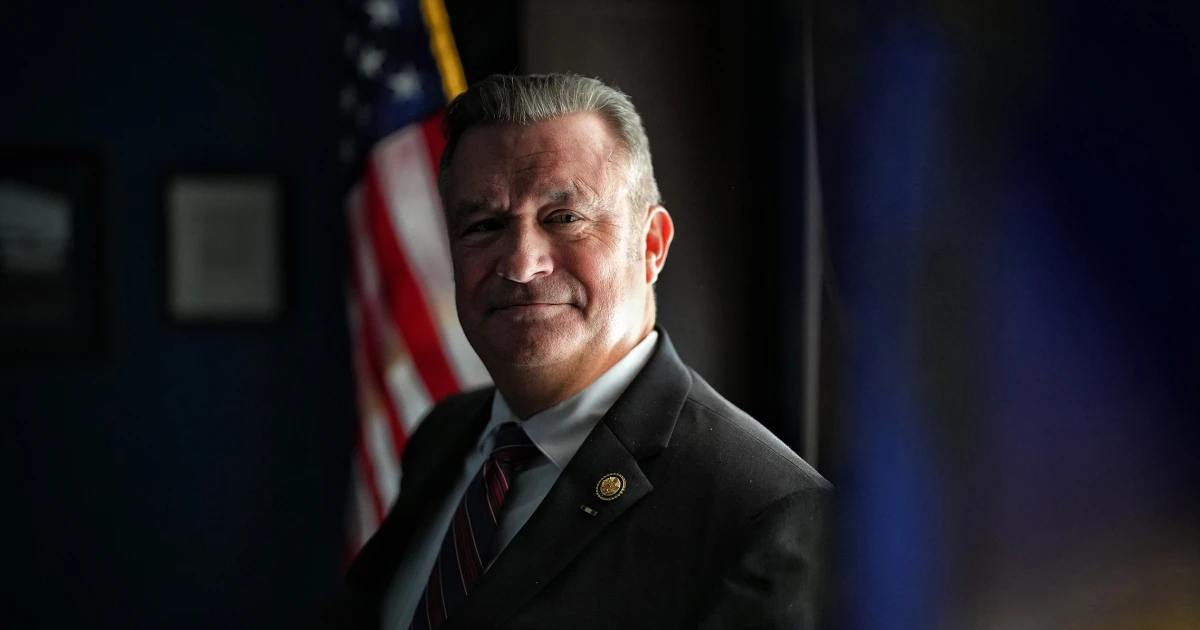
Rep. Don Bacon, a vulnerable Republican and critic of Trump, announced he will not seek re-election in 2024, expressing interest in executive roles such as governor or president, and highlighting his desire to serve the country in a different capacity while enjoying more personal time.
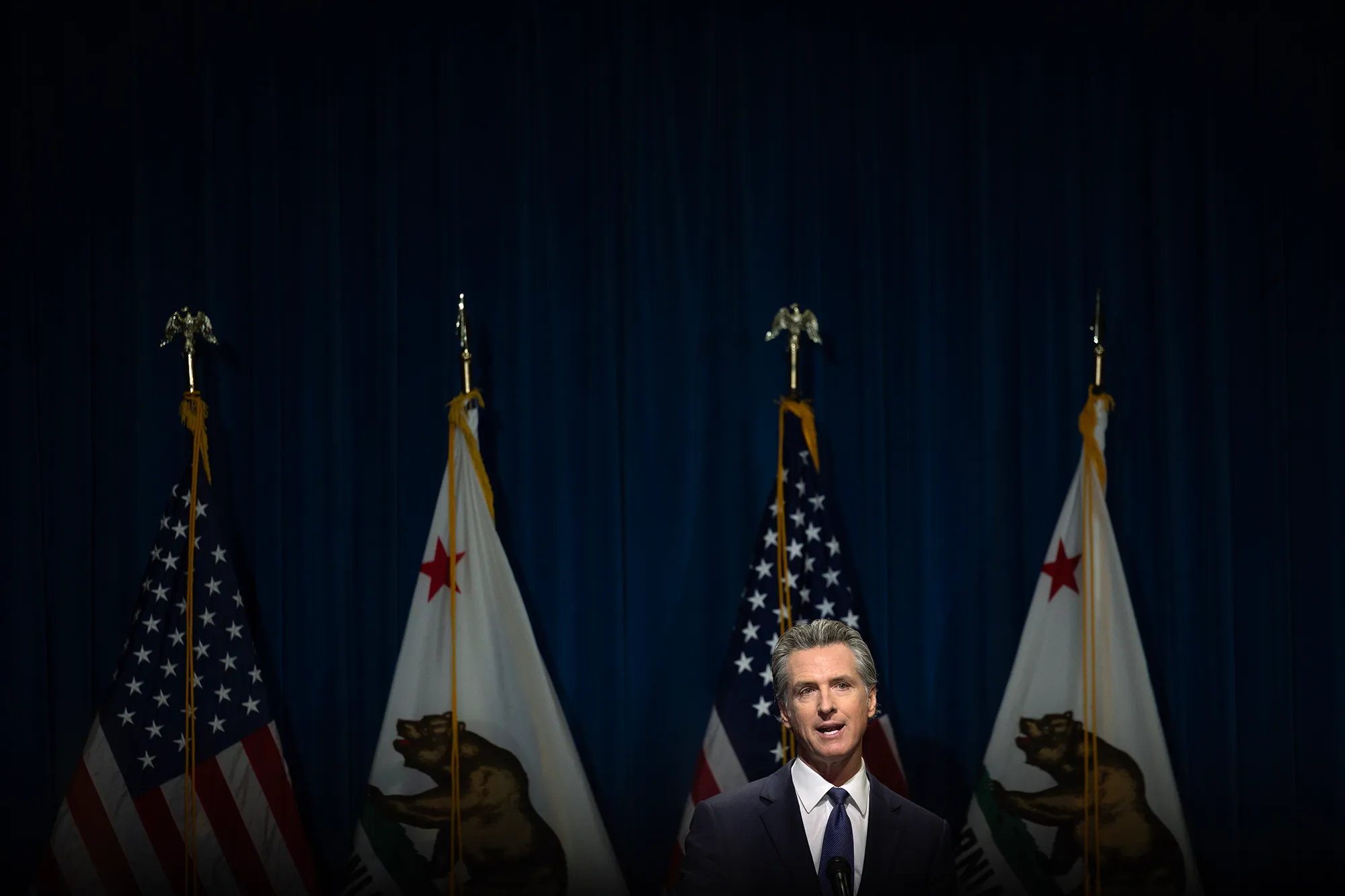
Gavin Newsom, previously denying interest in running for president, has recently acknowledged the possibility, amid his active opposition to Trump and rising national profile, suggesting he may be considering a future presidential campaign.
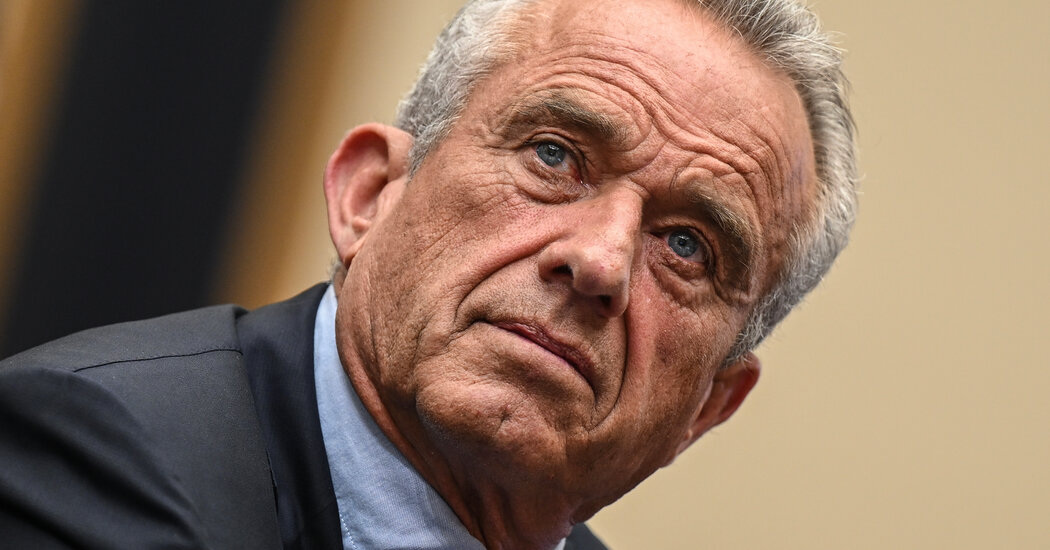
Nearly 50 environmental leaders and activists who worked with Robert F. Kennedy Jr. at the Natural Resources Defense Council are urging him to drop his independent presidential bid, citing concerns that his candidacy could siphon votes away from President Biden and potentially help elect former President Donald J. Trump. They have taken out full-page advertisements in six swing states calling on him to "Honor our planet, drop out," while a dozen national environmental organizations have labeled him a "dangerous conspiracy theorist and a science denier."
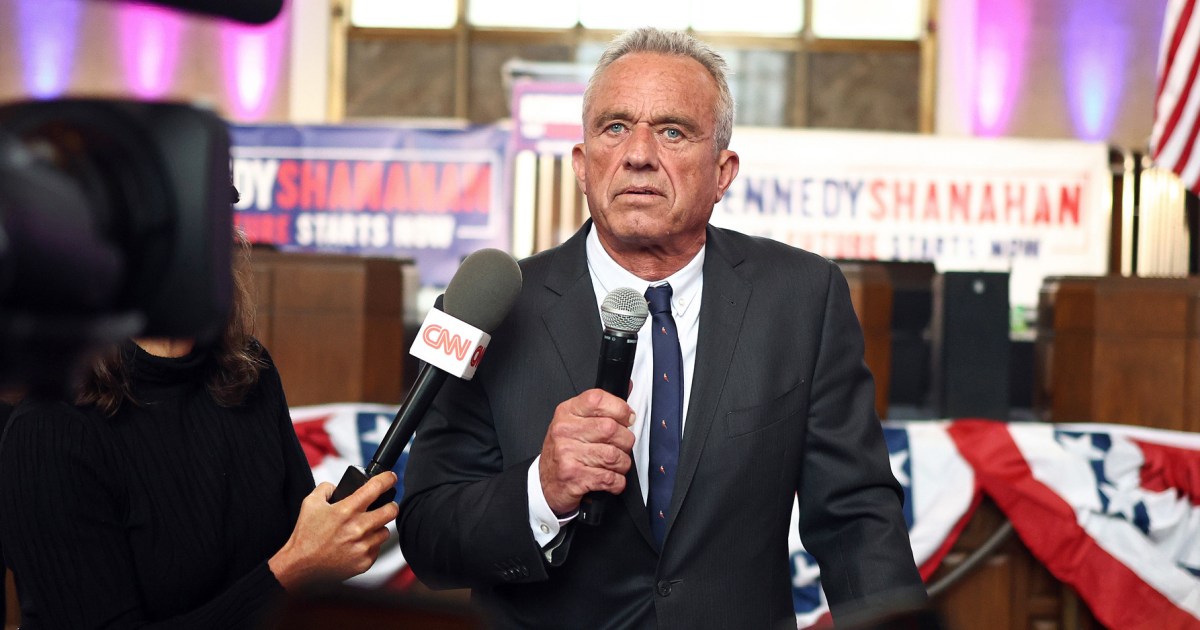
A campaign staffer for Robert F. Kennedy Jr.’s independent presidential bid, Rita Palma, was fired after a video surfaced of her discussing efforts to prevent President Joe Biden’s re-election and potentially elect former President Donald Trump. Palma, who had claimed to be the campaign’s New York state director, was actually a “ballot access consultant” uninvolved in electoral strategy. In the video, she expressed her opposition to Biden and suggested a strategy to deprive him of victories in Democratic strongholds, aiming to send the election to the GOP-led House.
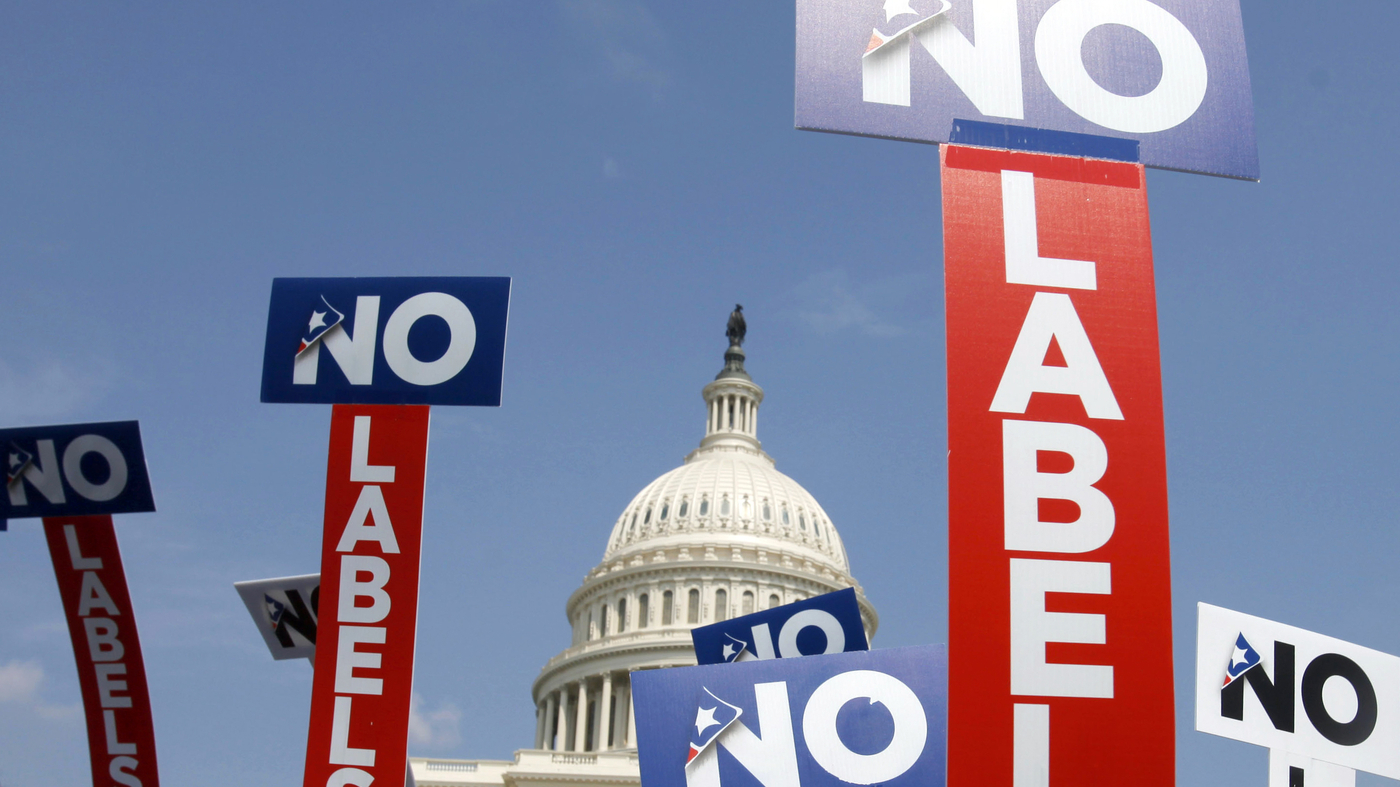
No Labels, a bipartisan political organization, has decided to drop its presidential bid, which is seen as a boost to Joe Biden's campaign. The group's decision not to endorse a candidate in the 2020 election is seen as a positive development for Biden, as it could help consolidate support from moderate and independent voters.
No Labels, a bipartisan organization, has announced that it will not field a presidential candidate in the 2024 election after failing to attract suitable candidates to challenge the dissatisfaction with President Joe Biden and Donald Trump. The group had been pursuing a "unity ticket" featuring centrist candidates but faced challenges in finding interested politicians. This decision comes after several potential candidates, including Joe Manchin, Kyrsten Sinema, and Nikki Haley, expressed disinterest. The group had raised concerns among top Democrats, who feared that a No Labels candidate could draw votes away from Biden and help Trump win.
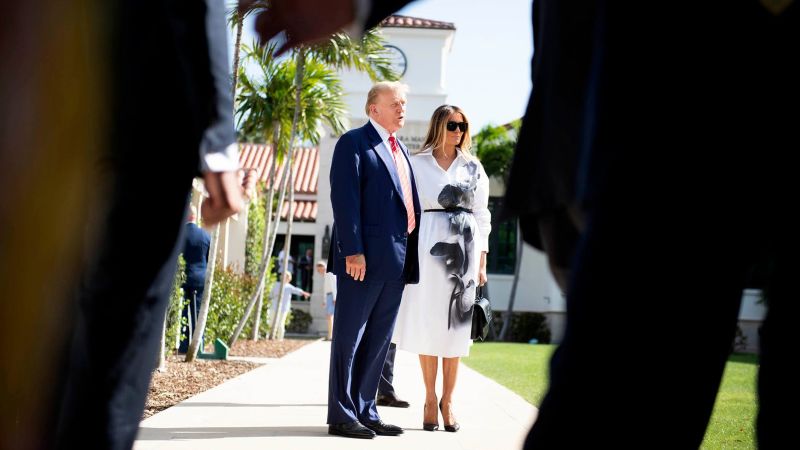
Melania Trump made a rare public appearance alongside her husband, Donald Trump, and hinted at a potential return to the campaign trail as the former president seeks a return to the White House. She has been absent from politicking since attending his campaign launch event in November 2022 and has largely avoided the public eye since leaving Washington in January 2021, focusing on their son, Barron, who is expected to graduate high school in Florida this spring.
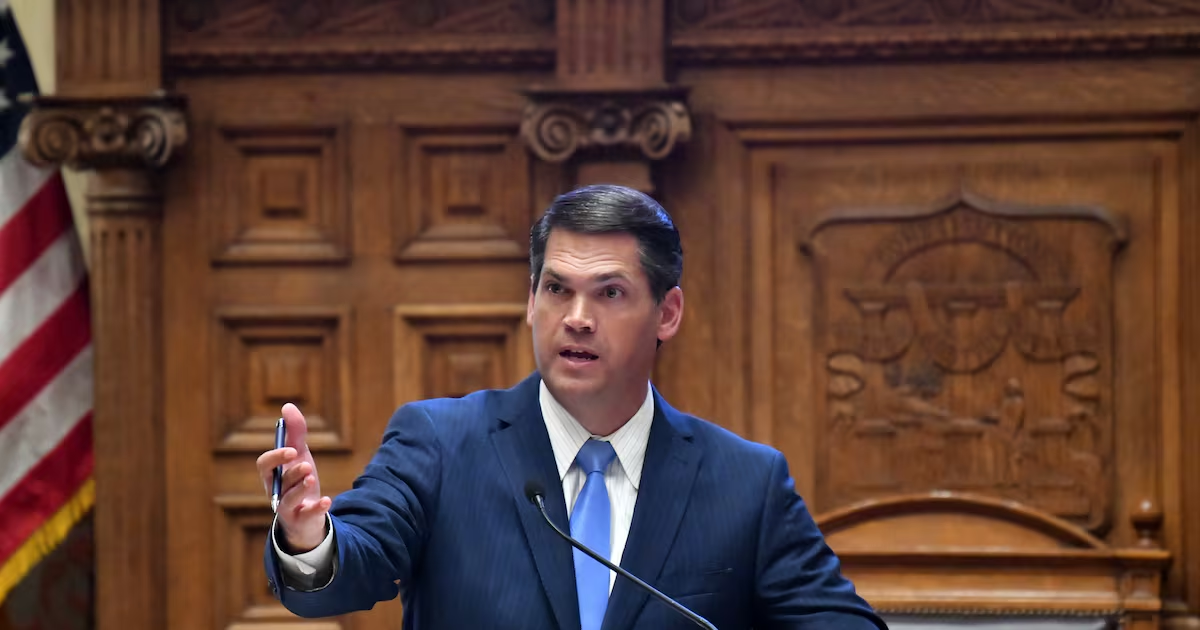
Former Georgia Lt. Gov. Geoff Duncan is being considered as a potential presidential candidate for the third-party movement No Labels, which aims to field an independent candidate for the 2024 election. Duncan, a Republican, has been an outspoken critic of former President Donald Trump and his allies, and his potential candidacy comes as the group seeks to offer an alternative to voters disenchanted with both major parties. However, concerns have been raised about the impact of a third-party bid on the electoral landscape, particularly in battleground states like Georgia.
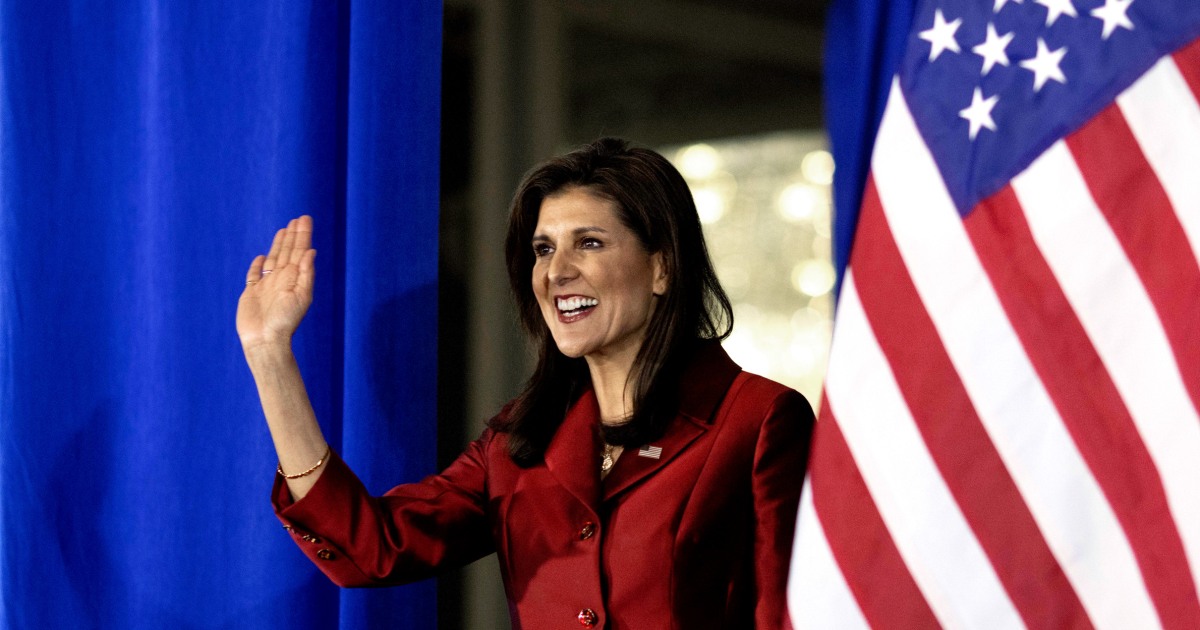
The Koch network, funded by billionaire Charles Koch, has announced it will cease funding Nikki Haley's presidential bid following her loss in South Carolina to Donald Trump. The decision comes after the group had previously endorsed Haley as a potential Trump alternative. Despite the setback, Haley's campaign remains determined, citing new fundraising numbers and grassroots support, while the Koch network shifts its focus to House and Senate races.
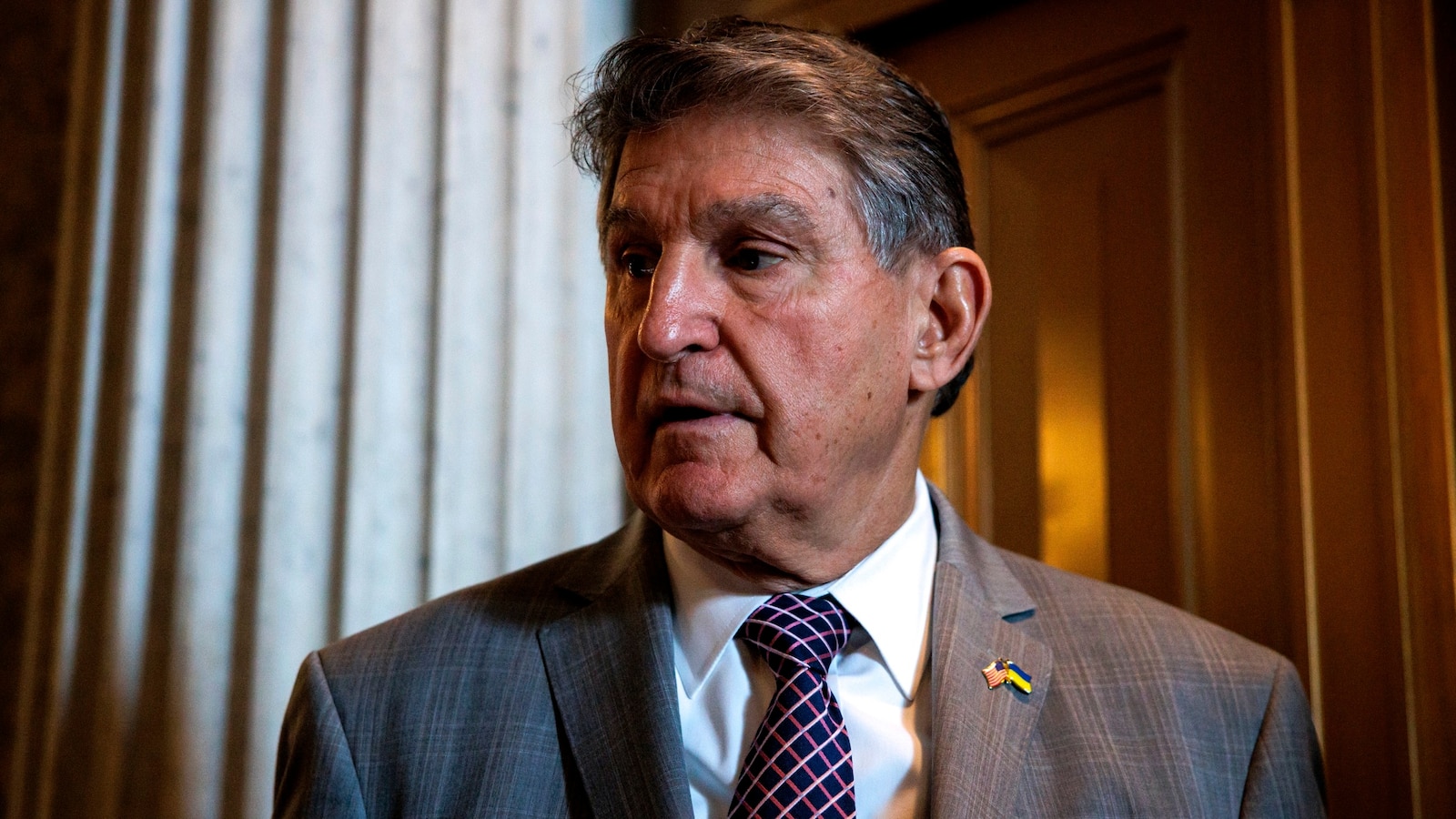
Senator Joe Manchin of West Virginia announced that he will not run for president in 2024 as an independent, opting to focus on supporting his daughter's Super PAC "Americans Together" and working to secure a president who can unite the country. His decision removes a potential challenge for President Joe Biden's reelection campaign and comes after speculation over a third-party White House bid. Manchin cited the challenging nature of the current system for third-party candidates and indicated that he will not be endorsing Biden at this time.
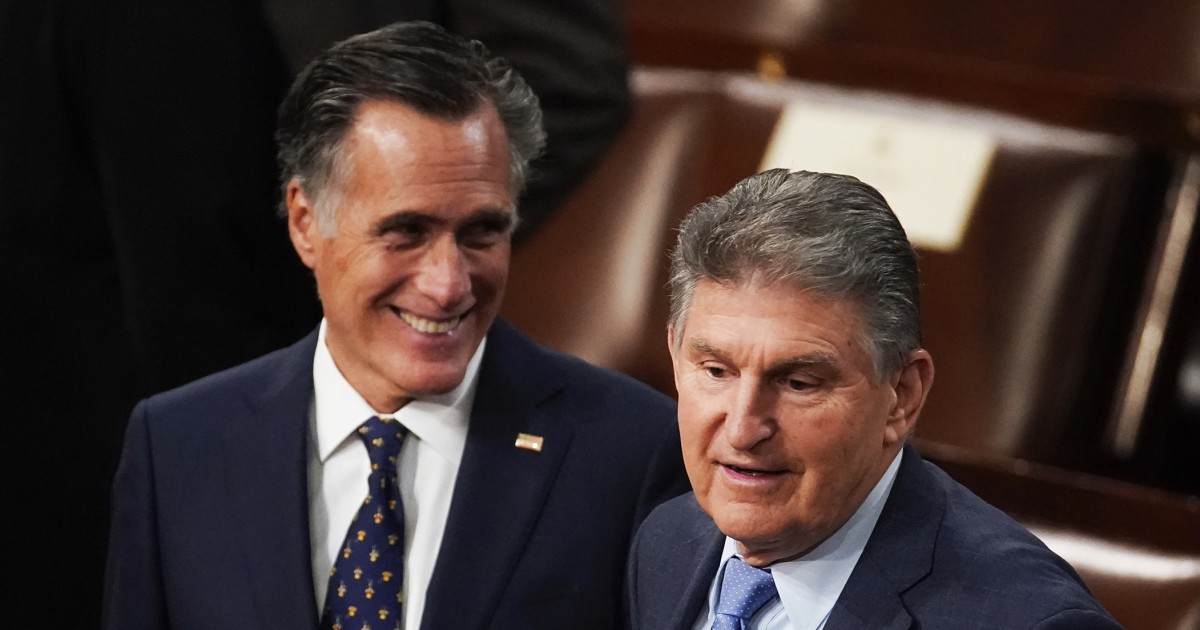
Senator Joe Manchin hinted at a potential third-party presidential bid and suggested Mitt Romney as a running mate during a visit to Cleveland. He also mentioned considering Rob Portman as a vice-presidential pick. Manchin criticized President Biden's policies and left the door open for a White House campaign, stating that "everything is on the table." The event drew a bipartisan audience, and Manchin took swipes at Biden's age and policies while also praising his character.
Russian election authorities have disqualified pro-peace presidential hopeful Boris Nadezhdin from the March election, citing errors in his endorsement signatures. Nadezhdin's campaign, which presented a rare challenge to the tightly controlled election, garnered significant support, but the Kremlin ordered his rejection. Despite plans to appeal, experts believe Nadezhdin's chances in court are slim. The move to disqualify him highlights the challenges faced by would-be candidates in Russia's election process, which provides ample opportunities for authorities to block them.
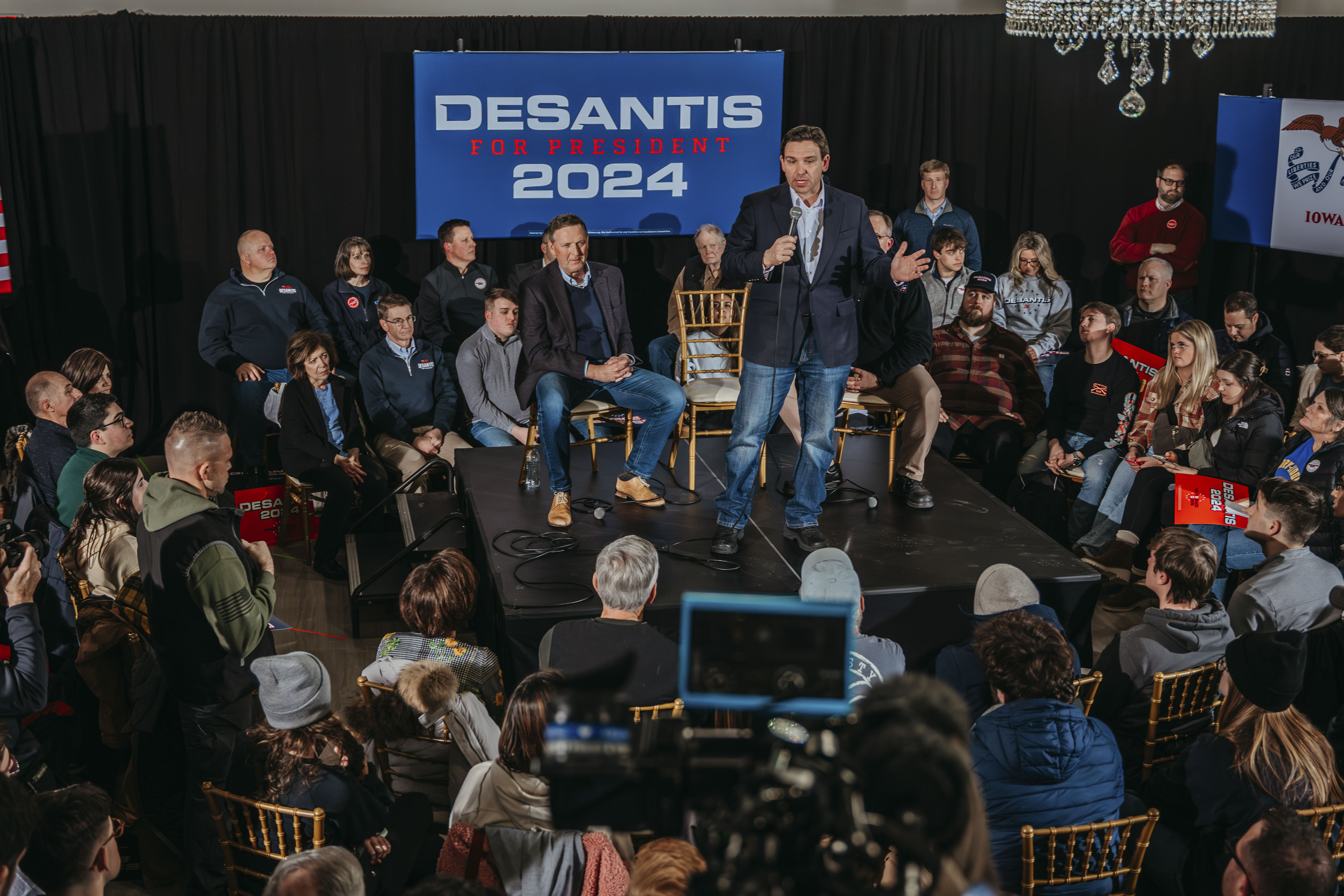
The super PAC supporting Ron DeSantis' 2024 presidential bid, Never Back Down, spent over $130 million on various expenses including canvassing, travel, and media consulting, with a significant drop in donor interest as DeSantis' standing in the race declined. DeSantis' own campaign also saw a drop in fundraising, spending $9.3 million while raising $6.7 million, and ultimately ending his campaign after coming in 30 points behind Trump in the Iowa caucuses. The campaign outsourced traditional tasks to Never Back Down, and also revealed significant spending on travel, payroll, and advertising.
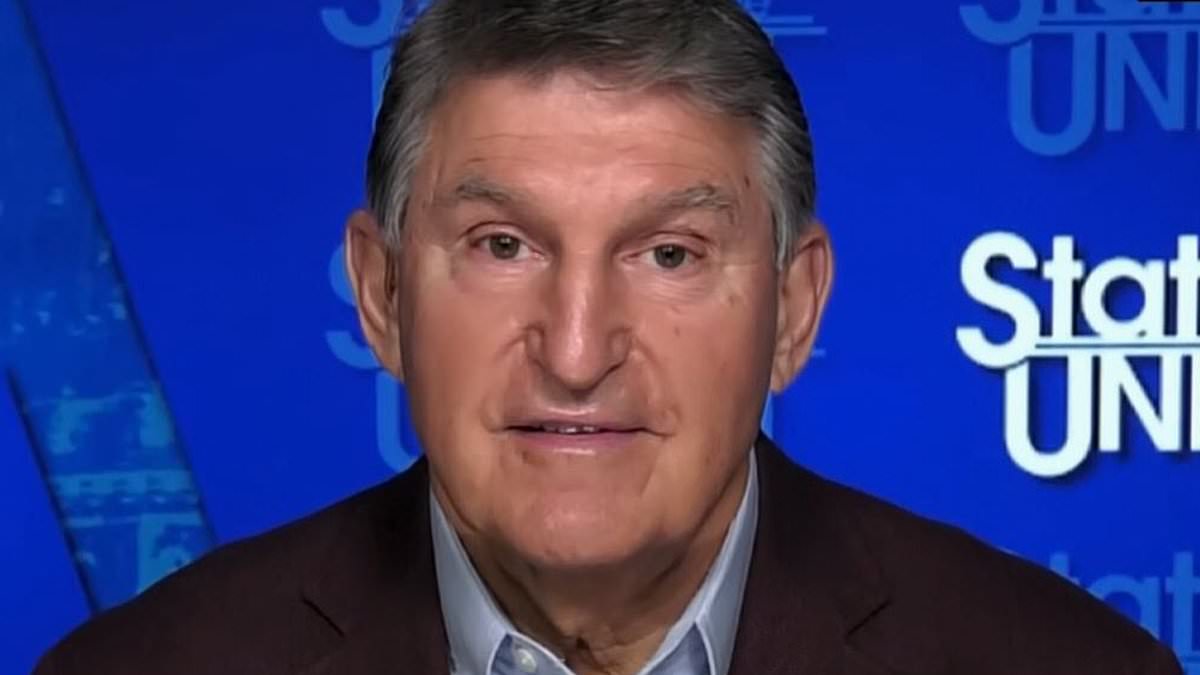
Democratic Senator Joe Manchin criticizes the Biden administration for being pulled to the extreme left and expresses concern about a second Biden term with a White House staff dominated by far-left liberals. Amid speculation about a potential presidential bid, Manchin admits he could "absolutely" see himself as president and has launched a tour to hear from Americans across the country. He warns that a Trump return to the White House should be concerning to every American and suggests that voters are displeased with the likely candidates for the 2024 election.