
Unveiling the Predictable Evolution of Human Cancers
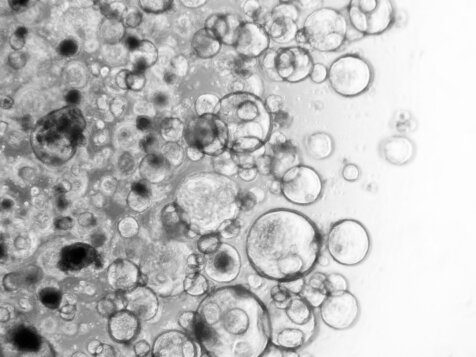
Researchers at Stanford Medicine have discovered that cancer cells accumulate specific genetic changes in a predictable and sequential manner years before they become pre-malignancies. These changes affect pathways controlling cell division, structure, and internal messaging, indicating that cells are poised to become cancerous long before visible signs or symptoms appear. Identifying these early genetic alterations could lead to earlier diagnosis and potential interventions to stop cancer progression. The study focused on human gastric organoids and found reproducible patterns of genetic changes that occur in biological pathways related to cell division, signaling networks, and cell structure. The researchers plan to expand their study to other cell types and initiating events to better understand the early genetic events in different organs.