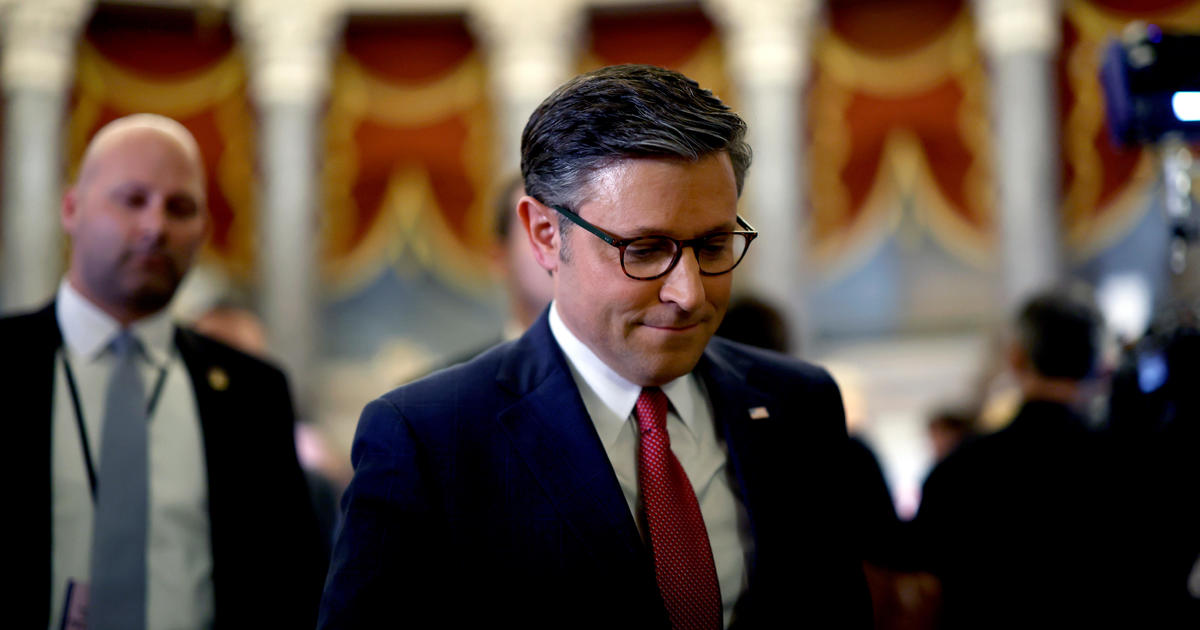
Congressional leaders have unveiled a $1.2 trillion government funding package, including six bills and spanning over 1,000 pages, to avert a partial government shutdown ahead of a Friday night deadline. The package features funding for various departments and includes provisions such as a ban on direct U.S. funding for the United Nations Relief and Works Agency for Palestine Refugees. Lawmakers are working to approve the legislation before the deadline, with the House expected to pass it under suspension of the rules, and the Senate requiring unanimity to move it along quickly.

Speaker Mike Johnson (R-LA) is facing pressure from conservatives in the House GOP over a government spending deal he struck with Democrats. Some Republicans are considering ousting him for agreeing to the deal, while others are urging him to stick to it. Johnson's decision will impact his ability to govern and negotiate with Democrats, as well as the potential for a government shutdown. The situation highlights the challenges of balancing the demands of conservative factions with the need to govern effectively.
US consumer confidence dropped to its lowest level in four months in September, as rising gas prices and high interest rates contributed to greater economic uncertainty. The Conference Board's Consumer Confidence Index fell for a second consecutive month, reflecting concerns about rising prices, the political situation, and higher interest rates. The decline in consumer confidence was evident across all age groups, and notably among consumers with household incomes of $50,000 or more. The business organization's "Expectations Index" also fell, indicating less confidence about future business conditions, job availability, and incomes. These factors, along with still-high inflation and mounting credit card debt, are expected to lead to a pullback in consumer spending in the fourth quarter.