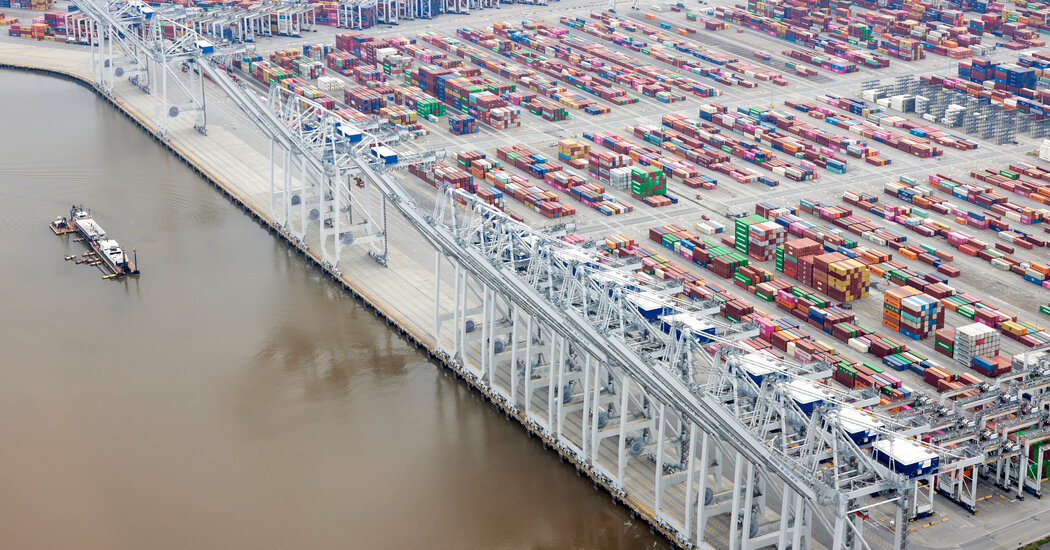
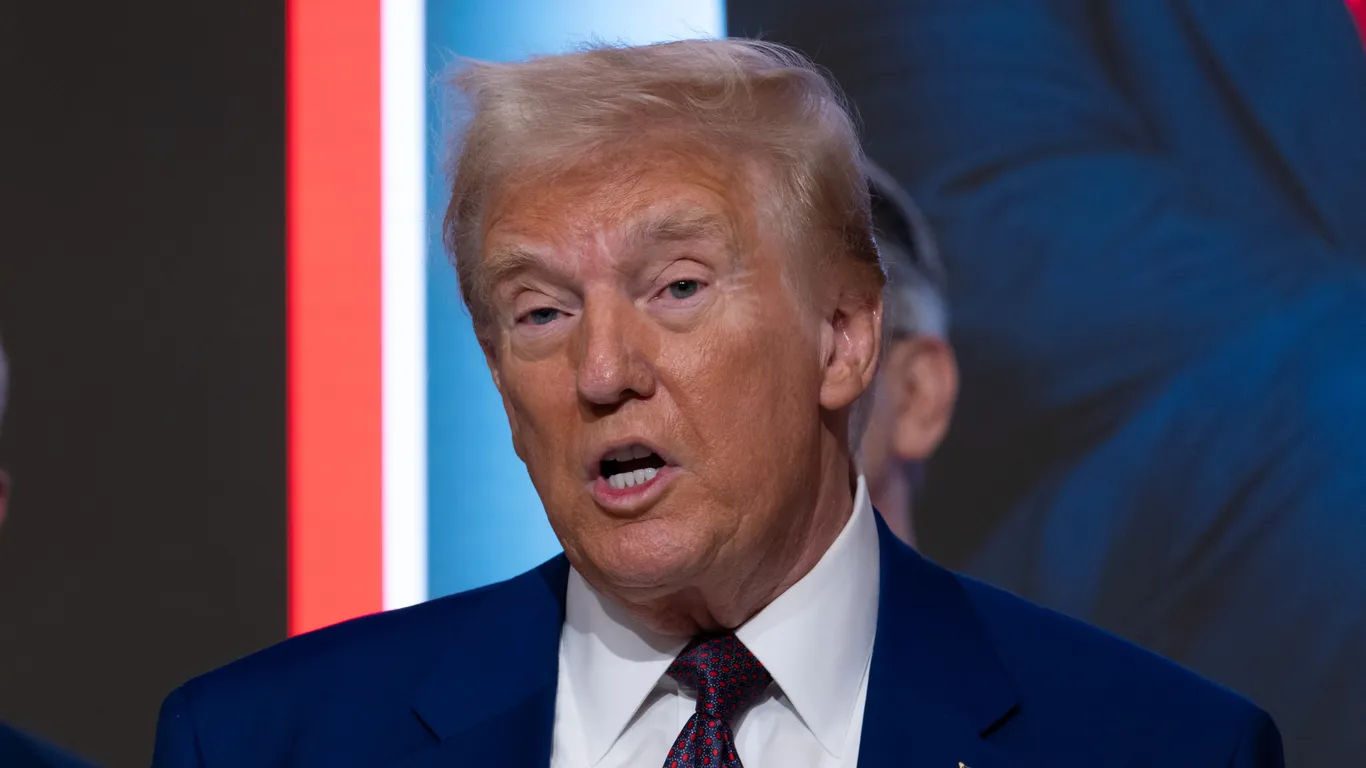
Former President Donald Trump has expressed support for the dockworkers union as they face the possibility of a new strike at U.S. ports. This backing comes amid ongoing labor disputes that could disrupt port operations and impact the supply chain.
President-elect Donald Trump has expressed support for the dockworkers union in its contract dispute with the United States Maritime Alliance, which previously led to a major strike at East Coast and Gulf ports. Trump criticized the impact of automation on American workers and suggested that foreign companies should invest in hiring American dockworkers rather than relying on machinery. This stance indicates a potentially more labor-friendly approach in his upcoming administration, aligning with his Labor Secretary pick, Rep. Lori Chavez-DeRemer, who also appears to support pro-union policies.
Companies are reassessing their inventory and supply chain strategies in response to President-elect Trump's tariff pledges and the potential for a second U.S. port strike. Businesses like Target have experienced increased costs from stockpiling inventory, while logistics firms like C.H. Robinson are advising clients on managing these uncertainties. The situation highlights the challenges of maintaining efficient supply chains amid unpredictable trade policies and potential disruptions.
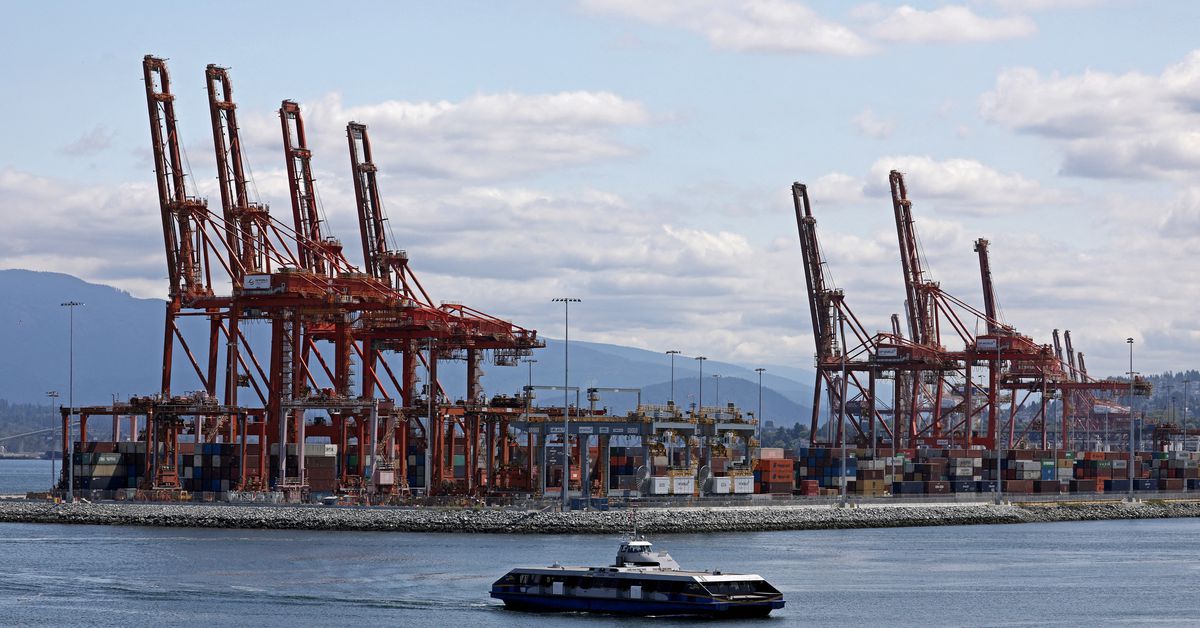
Dock workers at ports along Canada's Pacific coast have rejected a tentative four-year wage deal and resumed their strike after failing to reach a new work contract with the BCMEA. The International Longshore and Warehouse Union (ILWU), representing about 7,500 dock workers, stated that the recommended terms of settlement did not adequately protect their jobs. The strike at the Port of Vancouver and the Port of Prince Rupert, Canada's largest ports, could lead to further supply-chain disruptions and worsen inflation. The federal government mediators helped negotiate the deal, but the resumption of the strike has drawn criticism from opposition leader Pierre Poilievre.