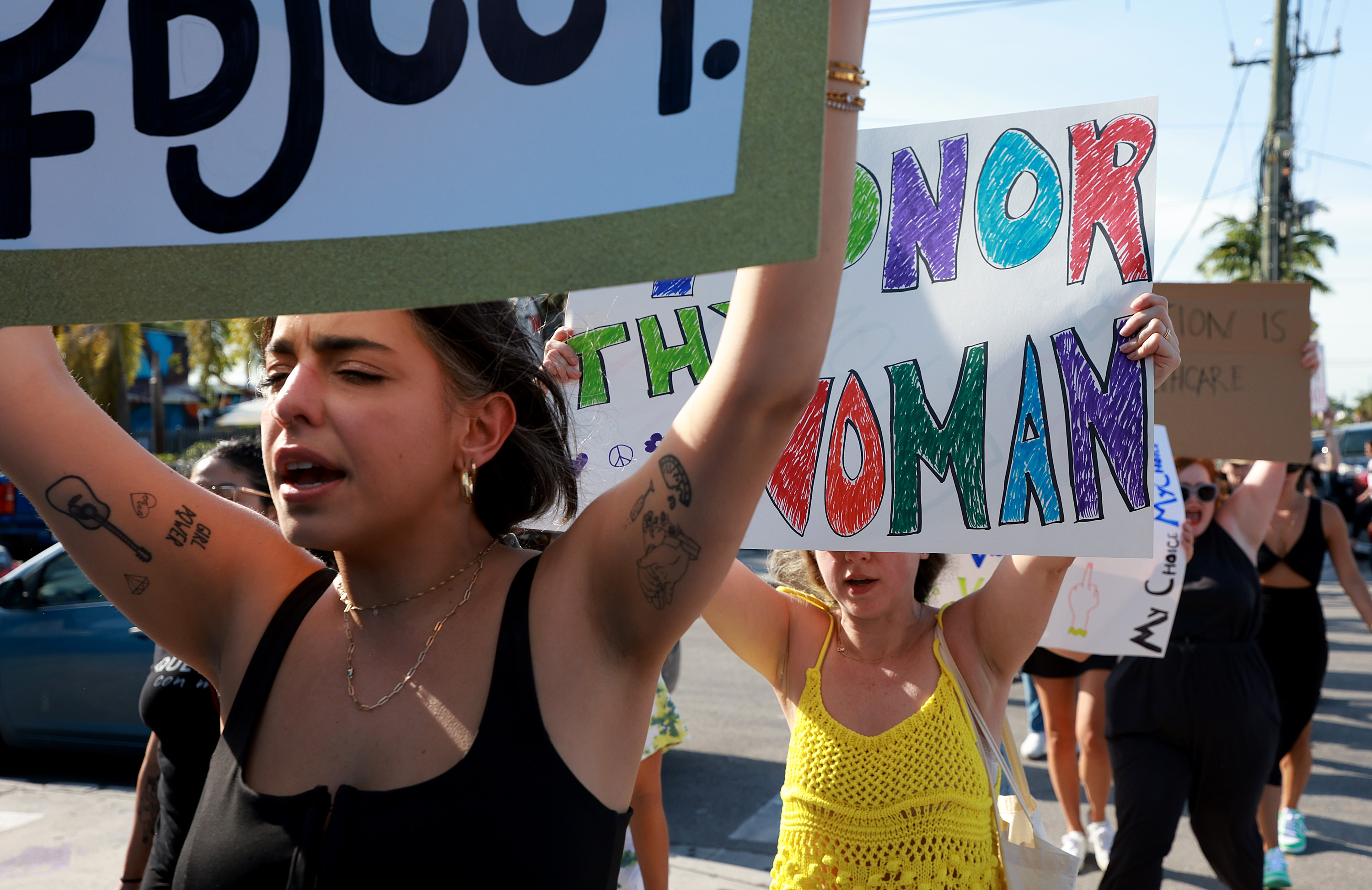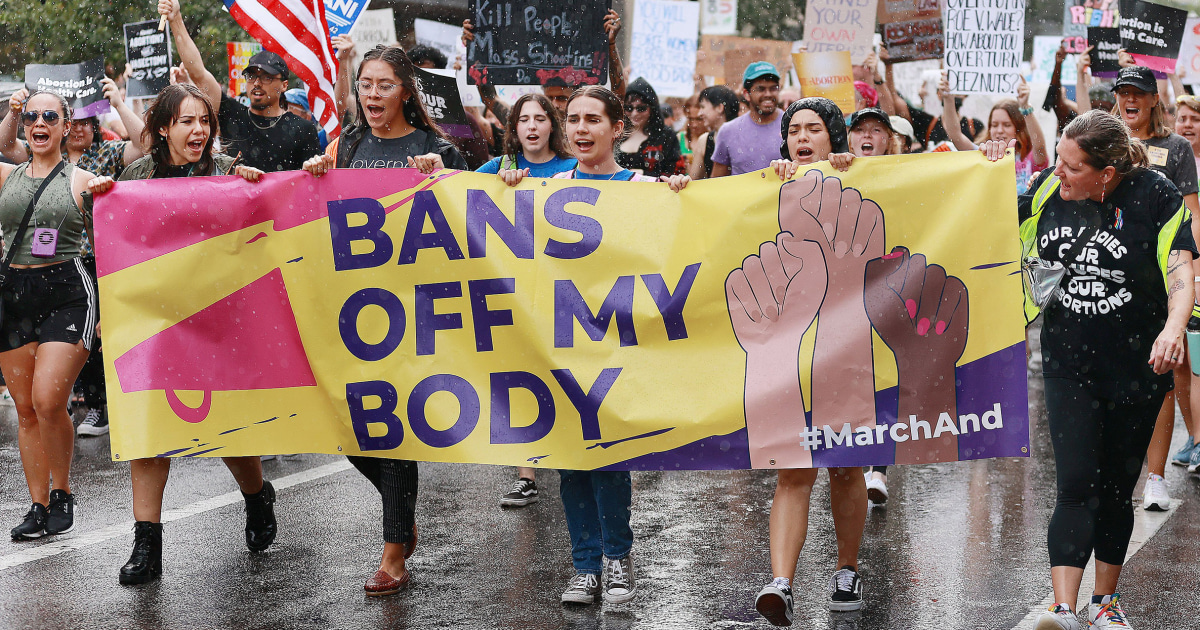
Florida's abortion rights activists have successfully gathered over 911,000 signatures, surpassing the required threshold to place an amendment on the ballot that would protect abortion rights in the state constitution. The amendment aims to allow abortions until fetal viability, around 24 weeks. Despite the collection of signatures, the initiative faces a challenge in the Florida Supreme Court, which leans conservative and will hear arguments next month regarding the amendment's language. The campaign has seen significant bipartisan support, with a notable percentage of signatures from Republicans and non-affiliated voters. This development comes after the fall of Roe v. Wade and reflects a trend where voters in various states have supported abortion rights on the ballot.

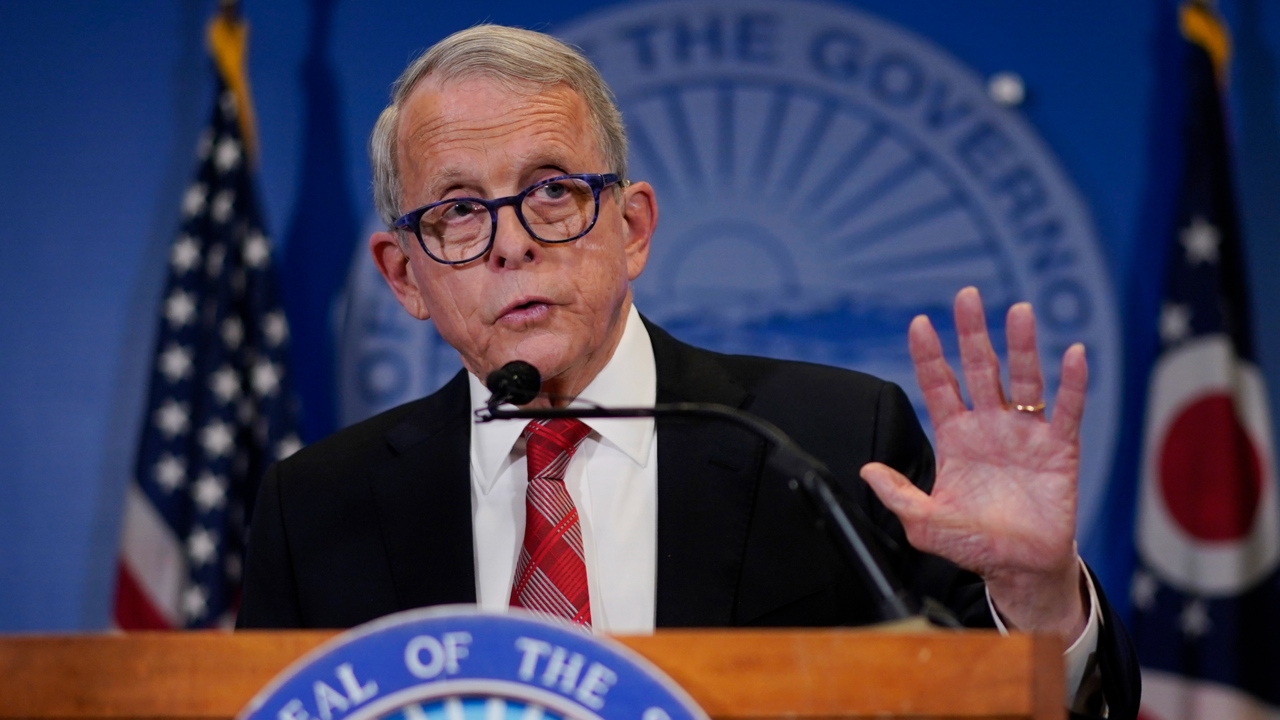
Ohio Governor Mike DeWine has signed an executive order banning gender transition surgeries for minors, citing conversations with families and a desire to save lives. The move comes amidst a backdrop of Republican lawmakers seeking to override DeWine's veto of House Bill 68, which is related to the same issue. While some families express cautious optimism, the transgender community, including a 16-year-old named Parker, feels unsupported and wishes to focus on typical teenage concerns rather than political battles over their rights. Lawmakers are scheduled to meet to consider overriding the veto, while DeWine emphasizes the role of parents in decision-making over the state.
Florida reproductive rights advocates have successfully gathered over 910,000 signatures to advance a proposed constitutional amendment protecting abortion access, surpassing the required threshold. The amendment aims to prevent restrictions on abortion before 24 weeks of pregnancy. Despite this achievement, the Florida Supreme Court, with a conservative majority appointed by Gov. Ron DeSantis, will hear a challenge that could prevent the measure from reaching the ballot. The court's decision is pending, and the measure would need 60% voter approval to pass. This initiative is part of a broader national effort to secure abortion rights through voter referendums following the overturning of Roe v. Wade.
Florida abortion rights advocates have successfully gathered enough signatures to place a constitutional amendment on the 2024 ballot that would protect abortion until about 24 weeks of pregnancy. This initiative follows similar successful measures in other states like Ohio and comes as a challenge to recent restrictions imposed by Florida Republicans, including a 15-week abortion ban. The measure faces opposition from the state Attorney General and conservative groups, with a Supreme Court hearing set for February 7 to address claims that the ballot language is misleading. If passed, the amendment would require 60 percent voter approval and could significantly impact abortion access in the southern United States.
Whoopi Goldberg criticized Republicans on "The View" for their stance on abortion following a federal appeals court ruling that Texas doctors are not required to perform emergency abortions, even when the mother's life is at risk. This decision aligns with the Texas Supreme Court's action to block a judge's ruling that would have allowed an emergency abortion for a woman with a life-threatening pregnancy. Goldberg condemned the rulings as a power play over women's bodies, calling it torture, and co-hosts expressed their concerns about the implications of such decisions.
Ohio Governor Mike DeWine vetoed House Bill 68, which would have banned transgender girls from female sports and restricted gender-affirming medical care for trans minors. DeWine emphasized the importance of parental judgment over state mandates in medical decisions for their children. This move goes against a wave of anti-trans legislation across the United States, with the ACLU reporting over 500 anti-trans bills in 2023. DeWine's decision is seen as a moment of empathy and reason, highlighting the ongoing struggle for transgender rights and the importance of recognizing trans individuals as human beings deserving of respect and dignity.
Nebraska Governor Jim Pillen has reaffirmed his decision to reject $18 million in federal funding from the Summer Electronic Benefits Transfer for Children program, which would provide food assistance to children during the summer months. Despite criticism and a petition with over 6,100 signatures, Pillen argues that the state will continue to support food-insecure children through the Summer Food Service Program and believes that pandemic-era relief programs should end. Advocates argue that the on-site program is not accessible to all, especially in rural areas, and that the federal program's benefits far outweigh the administrative costs.
Ohio Governor Mike DeWine vetoed House Bill 68, which would have prohibited gender-affirming health care for transgender youth and their participation in school sports. DeWine emphasized the importance of parental rights and informed medical advice in making such decisions, although he plans to pursue regulations against gender-affirming surgery for minors. The veto has sparked criticism from some Republicans, who are urging the legislature to override it. DeWine joins a small group of Republican governors who have vetoed similar legislation, despite a trend in GOP-led states to pass laws restricting transgender youths' access to gender-affirming care and sports participation.