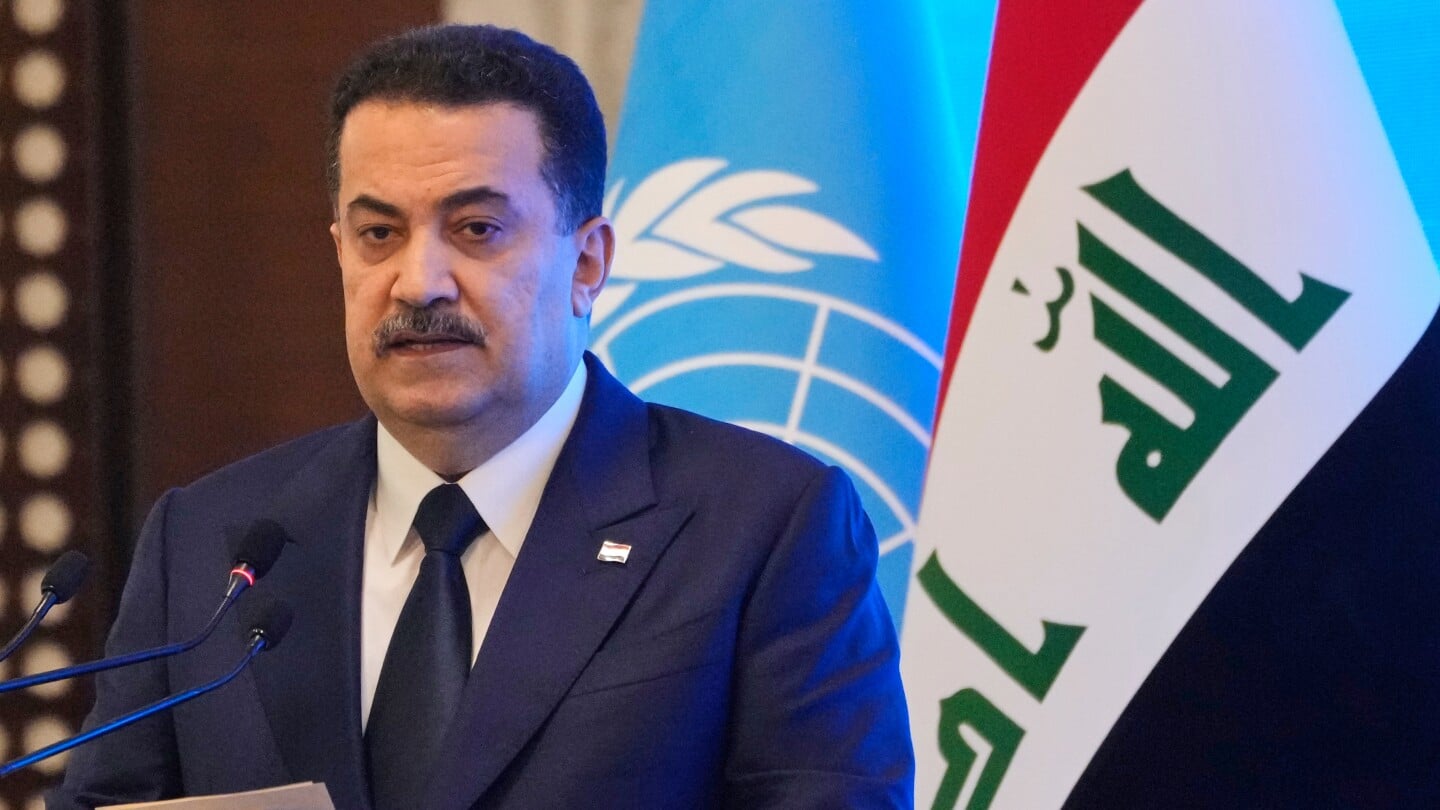
Iraq's political factions are negotiating alliances after a recent election that resulted in a fragmented parliament, with key issues including the future of armed militias, regional influences, and economic challenges, as the country prepares to form a new government.
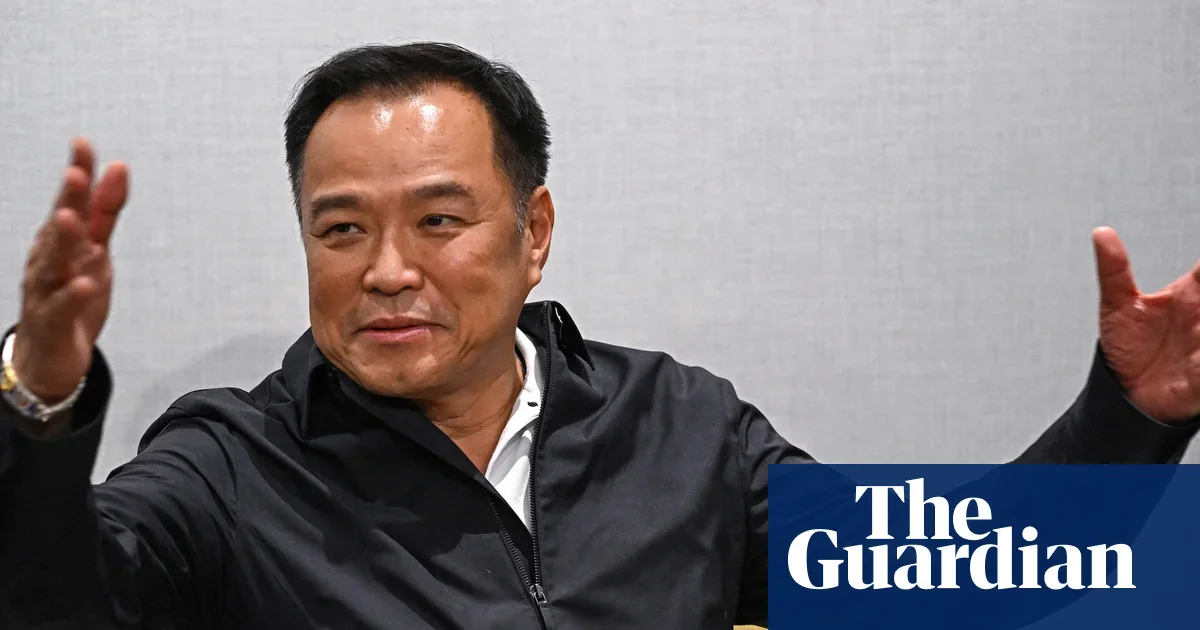
Anutin Charnvirakul, a conservative and eclectic politician known for his support of cannabis legalization and a casual persona, has been elected Thailand's next prime minister amid a complex political landscape marked by court bans and shifting alliances, with plans for an election within four months.
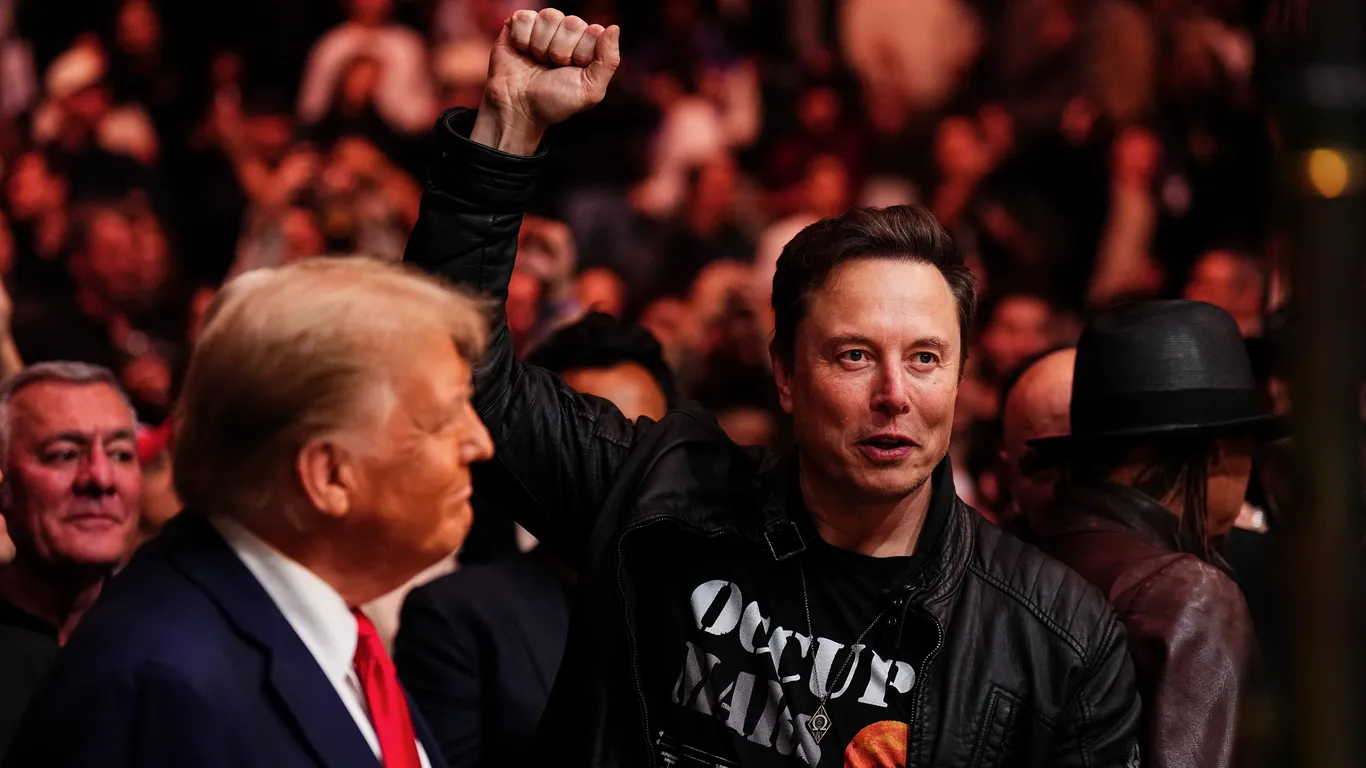
Elon Musk's alliance with President-elect Donald Trump, which played a significant role in the 2024 election, is showing signs of strain due to potential conflicts over Cabinet appointments and competing interests, such as Trump's trade policies with China that could impact Musk's Tesla operations. Despite Musk's significant influence in Trump's circle, tensions have arisen with other Trump advisers, highlighting the challenges of maintaining their partnership. Observers suggest that the egos and ambitions of both men could lead to a fallout.
Insiders reportedly urged Vice President Kamala Harris not to campaign alongside former Republican Congresswoman Liz Cheney, reflecting concerns about the political implications of such an alliance. The advice highlights the complexities of cross-party collaborations in the current polarized political climate.
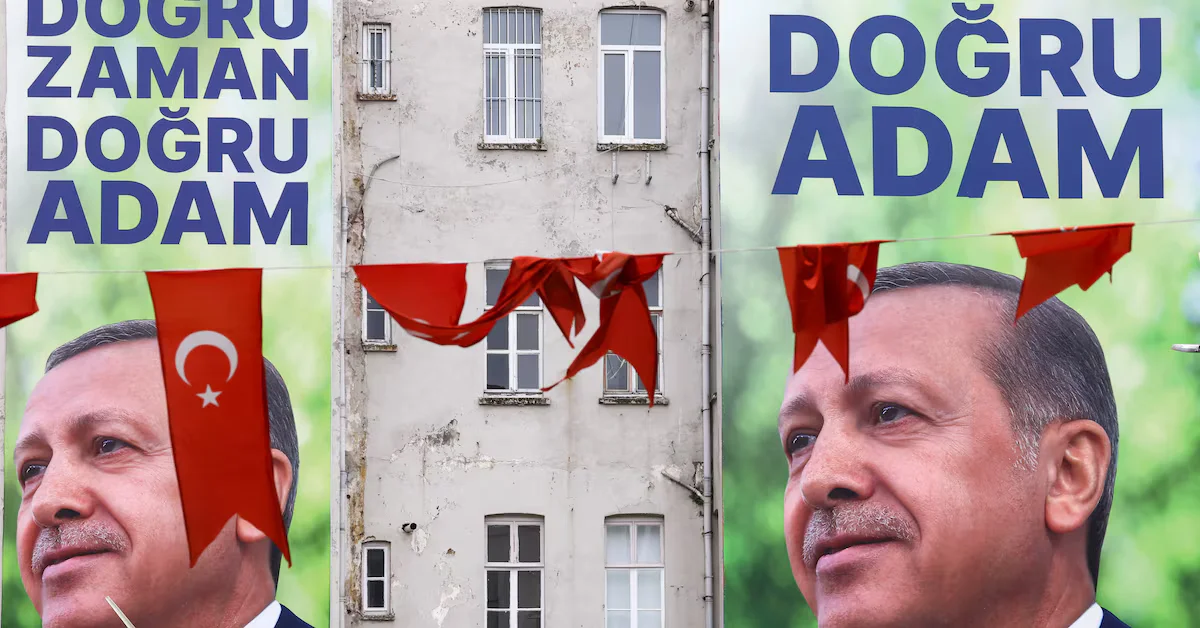
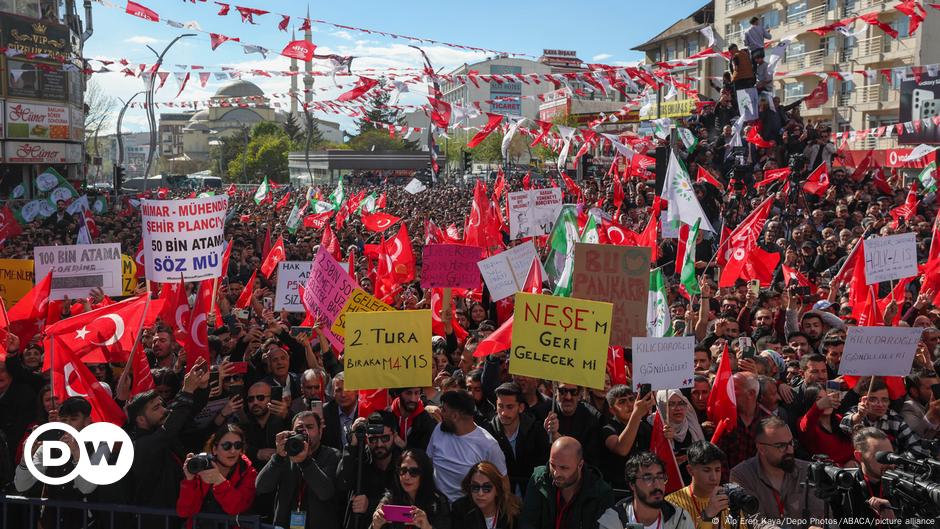
Turks will vote on May 14 in an election for both a president and parliament for a five-year term. President Tayyip Erdogan faces the biggest political challenge of his two-decade rule, with opposition leader Kemal Kilicdaroglu as his main rival. The election is seen as one of the most consequential in Turkey's modern history. Political parties have formed several electoral alliances, including the People's Alliance, the Nation Alliance, and the Labour and Freedom Alliance. The pro-Kurdish Peoples' Democratic Party (HDP) is seen as a potential kingmaker in the election.
Turkey will hold parliamentary and presidential elections on May 14, with incumbent President Recep Tayyip Erdogan facing a strong challenge from opposition candidate Kemal Kilicdaroglu. Erdogan's governing AKP party amended the constitution in 2017 to introduce an executive presidential system, giving the president wide-ranging powers. The parliament has been relegated to insignificance, with Erdogan's government blocking every opposition project. Three electoral alliances are playing a decisive role in the parliamentary elections: Erdogan's People's Alliance, the National Alliance of the biggest opposition block, and the Labor and Freedom Alliance, led by the pro-Kurdish People's Democratic Party, or HDP.