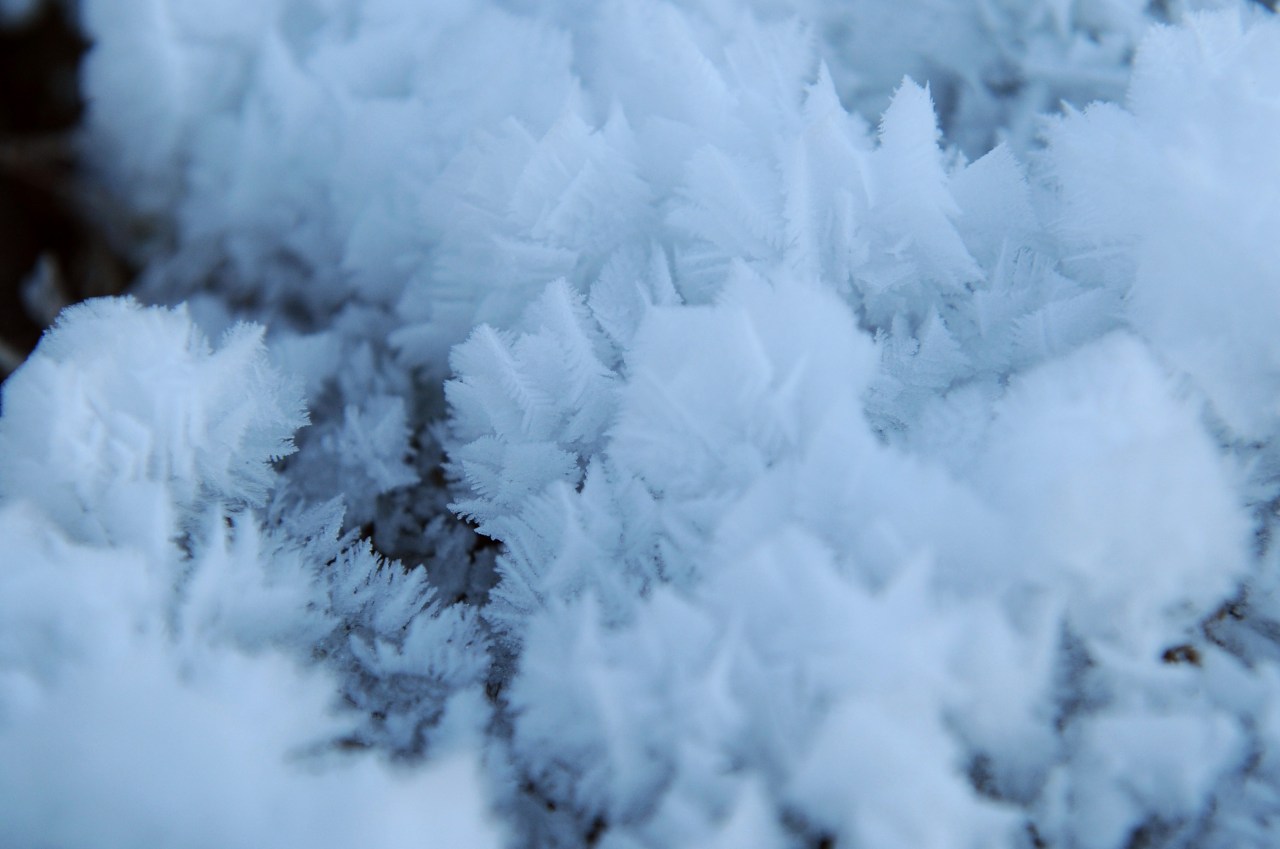
Frozen pipes can lead to costly damage, but prevention is key. Pipes can freeze around 20F, and unfreezing them can take around half an hour using methods like applying heat with a hair dryer or space heater. DIY methods can save money, but having a local plumber's number on hand is wise. Additionally, recommended winter purchases include a patio heater, generator, emergency blanket, multi-tool, ice scraper, portable battery pack, lightning cable, and car battery charger.
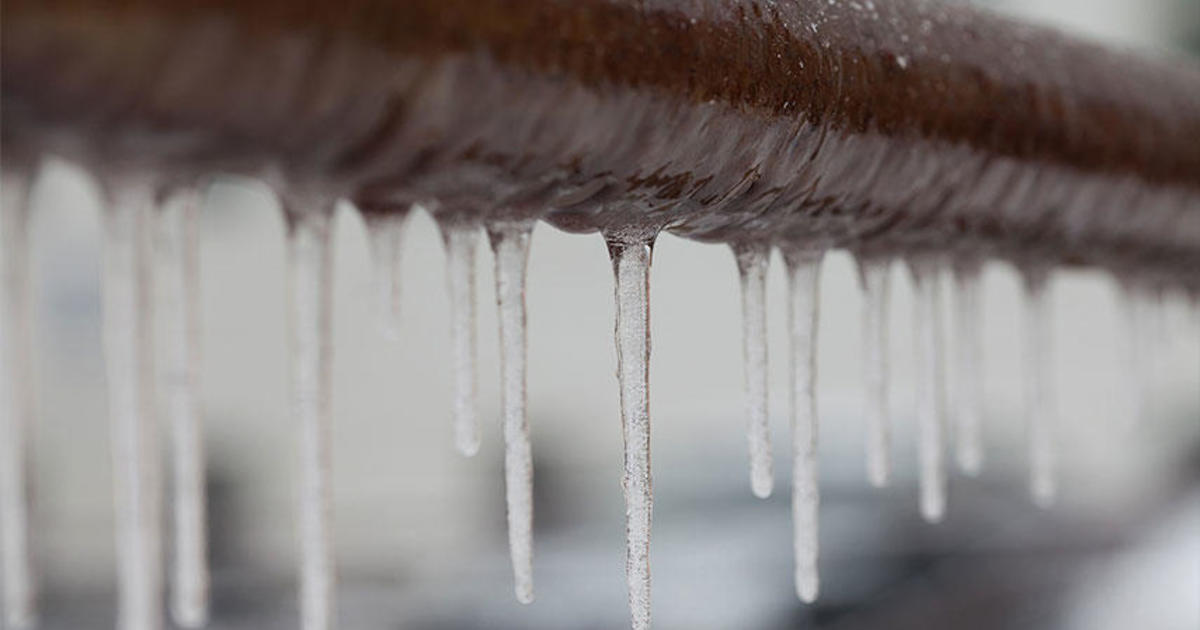
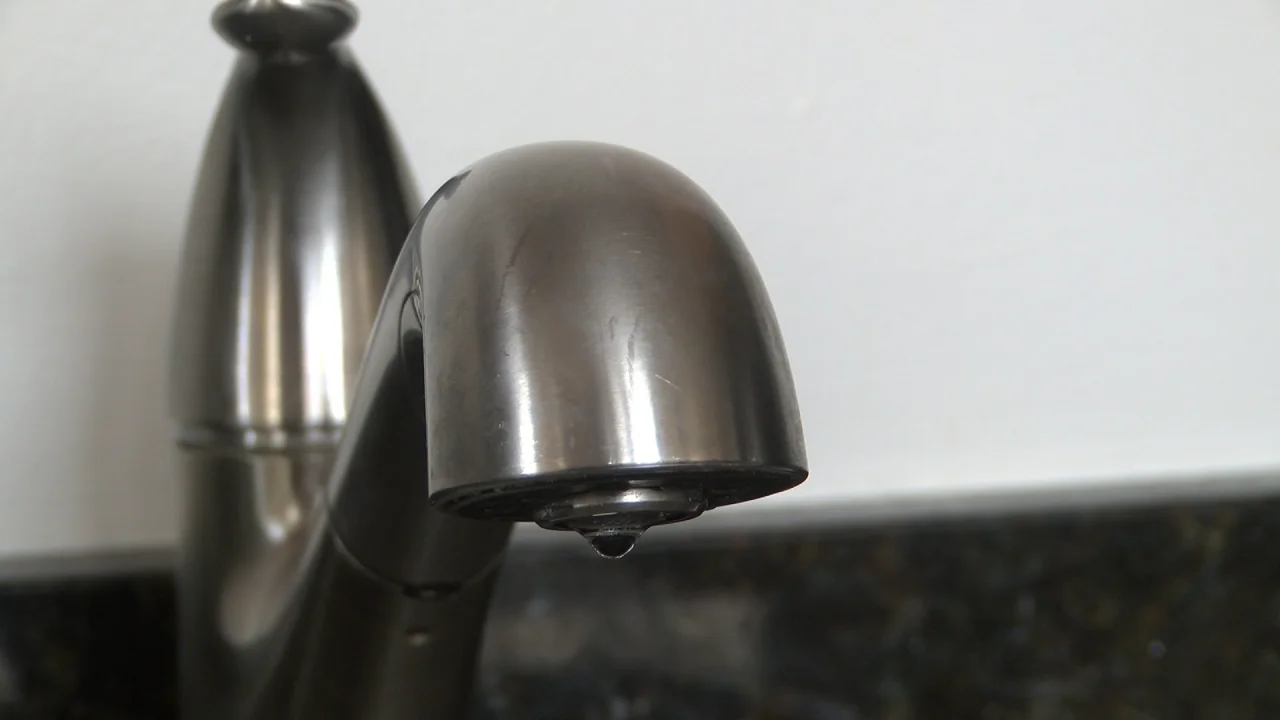
With frigid temperatures affecting millions of Americans, the risk of frozen pipes is a concern. To thaw frozen pipes, use heat sources like heating pads or hair dryers, but avoid open flames. Prevent freezing by allowing a trickle of water to run through faucets, keeping the home warm, and insulating pipes. If a pipe bursts, turn off the water at the main valve and call a plumber.
Denver Water issues an alert to prevent flooding as subzero temperatures approach, advising to keep pipes above freezing level, cover crawlspace vents, drain outside lines, and let faucets drip. Plumbing expert recommends extra insulation for copper pipes and suggests checking insurance coverage for burst pipe repairs, which can cost between $200 and $1,000. It's important to look for signs of pipe damage once temperatures rise.
With the risk of burst pipes rising due to power outages and colder weather, a local plumber recommends preventing frozen pipes by leaving faucets on a trickle or shutting off the water completely. Draining pipes, water heaters, and boiler systems if the water is shut off can also help avoid issues. In the event of a burst pipe, it's important to hire a licensed plumber, especially if filing a homeowners insurance claim.
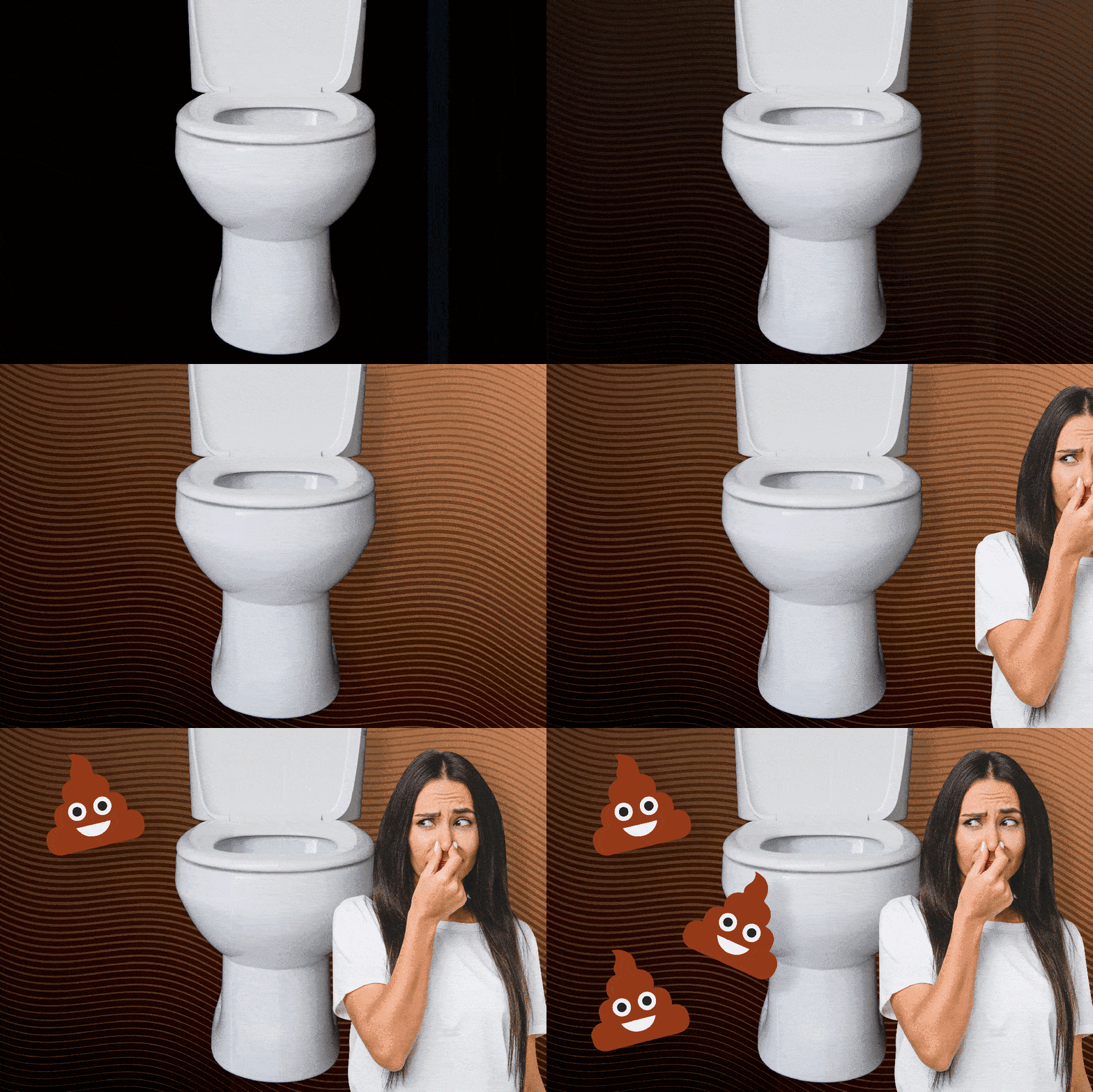
Plumbers are preparing for their busiest day of the year, known as "Brown Friday," which occurs the day after Thanksgiving. Yelp has reported a 99% increase in emergency plumbing service bookings on this day, with many people seeking help to unclog toilets and fix drains after Thanksgiving feasts. Portland, Oregon, ranked as the most clogged city, followed by Virginia Beach, Raleigh, Indianapolis, and Jacksonville. To prevent plumbing emergencies, homeowners are advised to get their pipes checked before Thanksgiving and remind guests about proper bathroom etiquette. Cleaning off plates and using sink strainers to catch food scraps can also help prevent clogged drains.
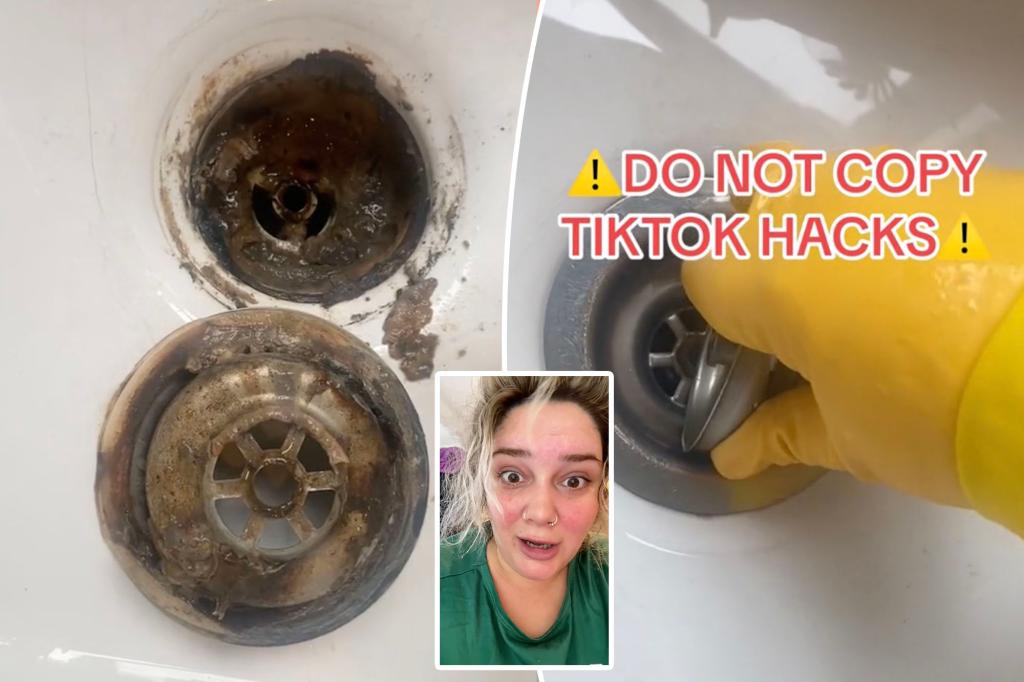
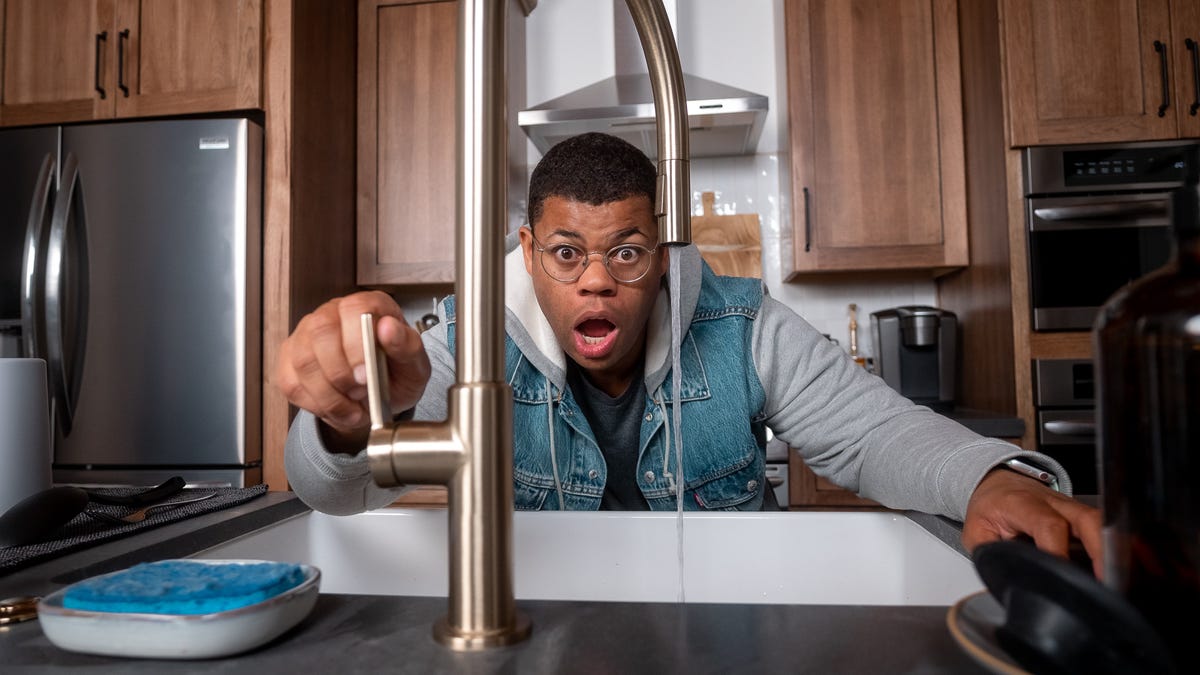
A TikTok user attempted a cleaning hack to scrub her sink drain but accidentally flooded her kitchen. In a video that gained over 5 million views, she unscrewed the drain and poured cleaning powder onto it, unknowingly disconnecting the pipe from the sink. When she ran the water, her kitchen began to flood. The incident serves as a warning to not believe everything seen on the internet, and a plumber recommended using gloves to remove grime instead of running water to prevent clogs.
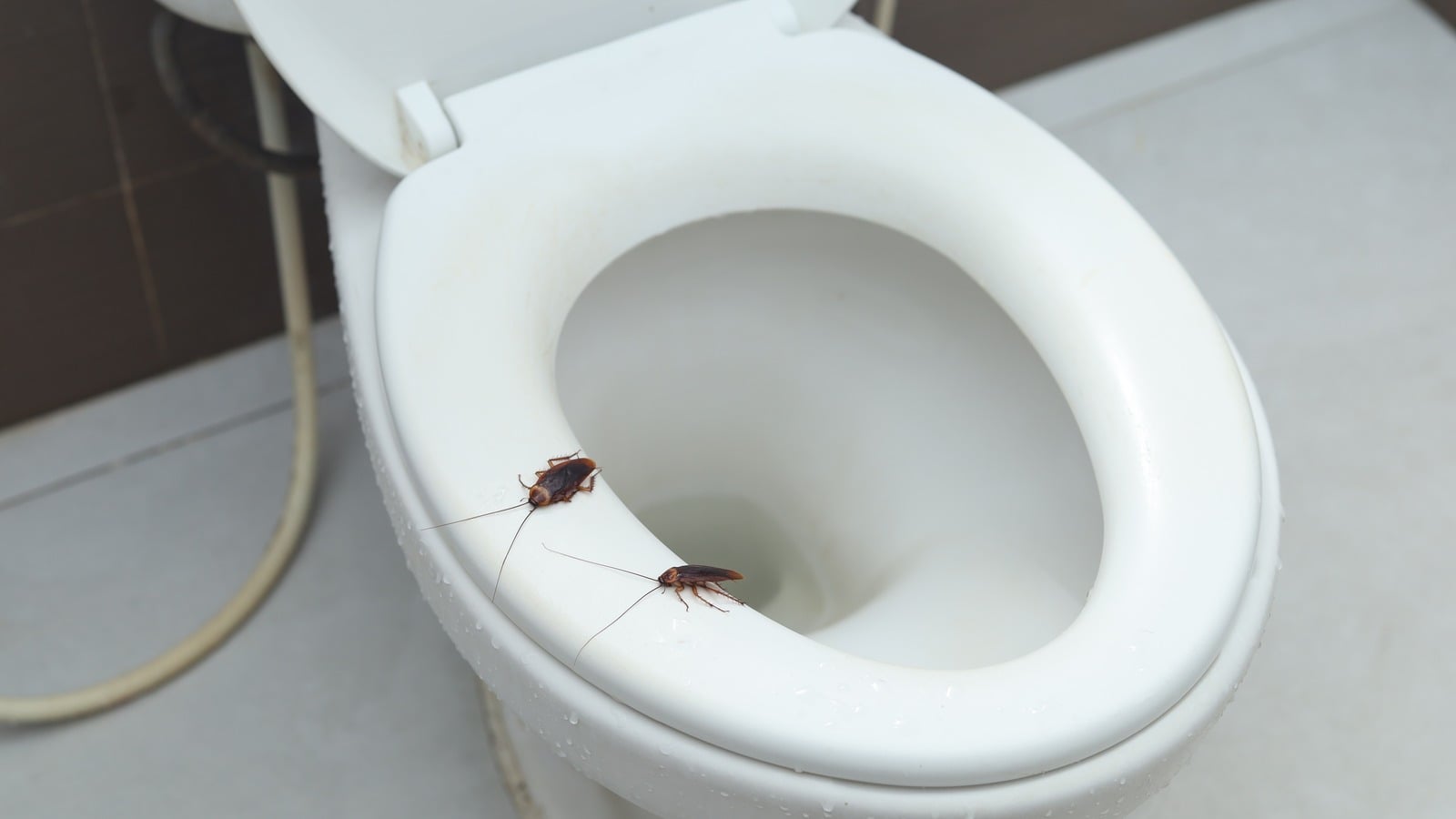
Various pests, including rats, mosquitoes, cockroaches, silverfish, drain flies, centipedes, ants, and spiders, can find their way into your toilet and bathroom through plumbing and structural vulnerabilities. These pests can compromise your health, damage your home, and cause discomfort. To prevent them, seal any gaps or holes in your plumbing, use baits or ultrasonic repellents for rats, eliminate standing water for mosquitoes, caulk gaps and keep your bathroom clean for cockroaches, use repellents or diatomaceous earth for silverfish, clean drains and use drain screens for drain flies, seal cracks and use repellents for centipedes, remove food and water sources for ants, and seal entry points and use spider-repelling plants or pesticides for spiders.
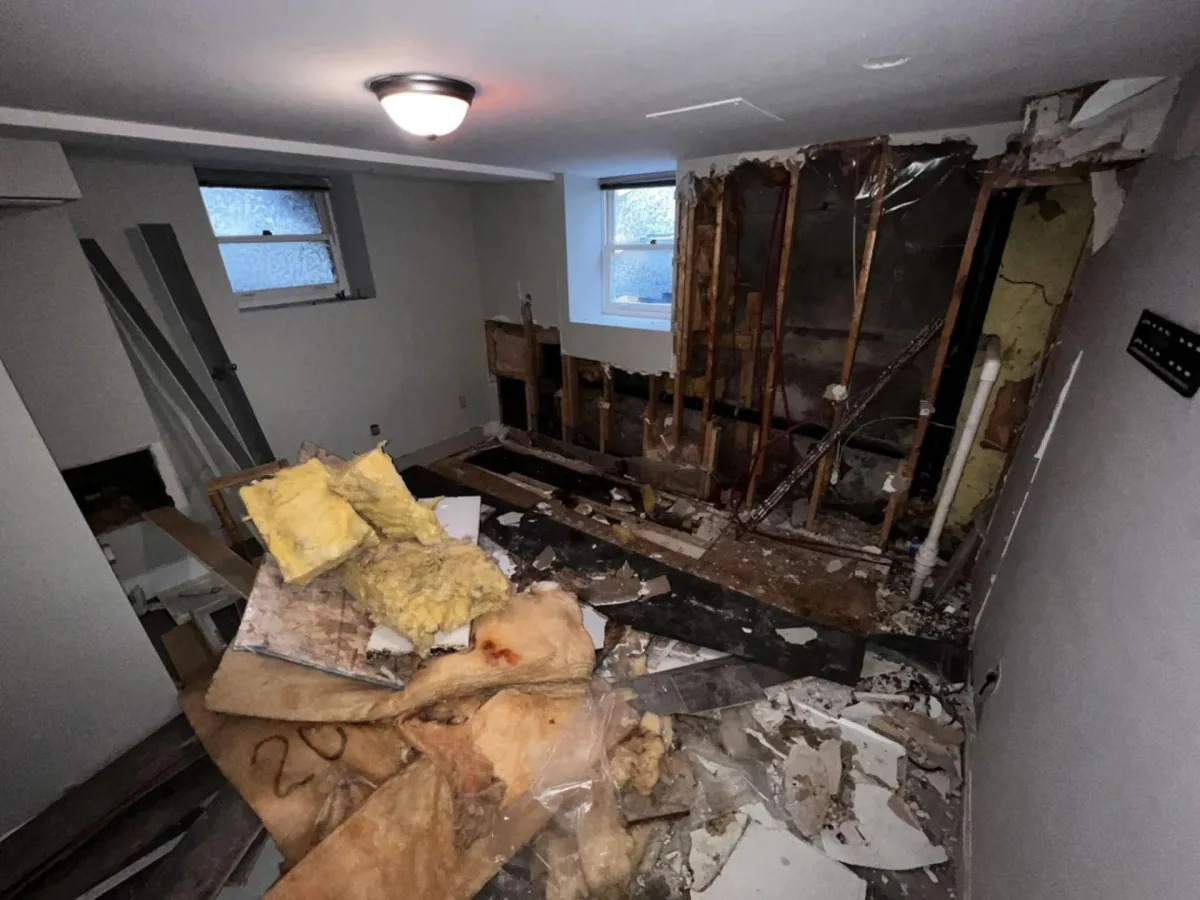
A tenant on Reddit shared photos of their home after dealing with a sewage leak that their landlord had dismissed. The tenant had to rip out the walls and floors of their room due to a rusted and clogged main sewer line. Commenters advised being cautious about what goes down the drain and suggested using bidets instead of relying solely on toilet paper. Insurance may cover some costs, but damage to sentimental items can be significant.