Advances in artificial intelligence have made it easier and faster to create convincing fake pornography, posing a significant challenge for Canadian policymakers. While eight provinces have enacted intimate image laws, only half of them refer to altered images. British Columbia recently implemented a law allowing people to seek civil resolution to remove intimate images, real or fake, from the internet and pursue damages. Experts emphasize the urgent need for comprehensive legislation to combat deepfakes on social media and address the creators of non-consensual images. The rise of AI-generated fake explicit images has prompted calls for legal recourse and content moderation by websites to protect individuals from the misuse of deepfake technology.

More than 30 state attorneys general are suing Meta, the parent company of Facebook and Instagram, for allegedly luring children under 13 onto their platforms and collecting their data in violation of federal children's privacy law. The states argue that Meta should implement stronger age verification methods to protect children from online sexual exploitation. Critics claim that age verification violates privacy rights, but the reality is that online privacy has been compromised for years through data collection and tracking technologies. Stricter age verification measures would help protect children from abuse and make it harder for predators to pose as minors. Some countries have already imposed age verification requirements on social media platforms, and several U.S. states have mandated age verification on porn sites. This issue is about prioritizing the safety of vulnerable children online rather than violating privacy rights.
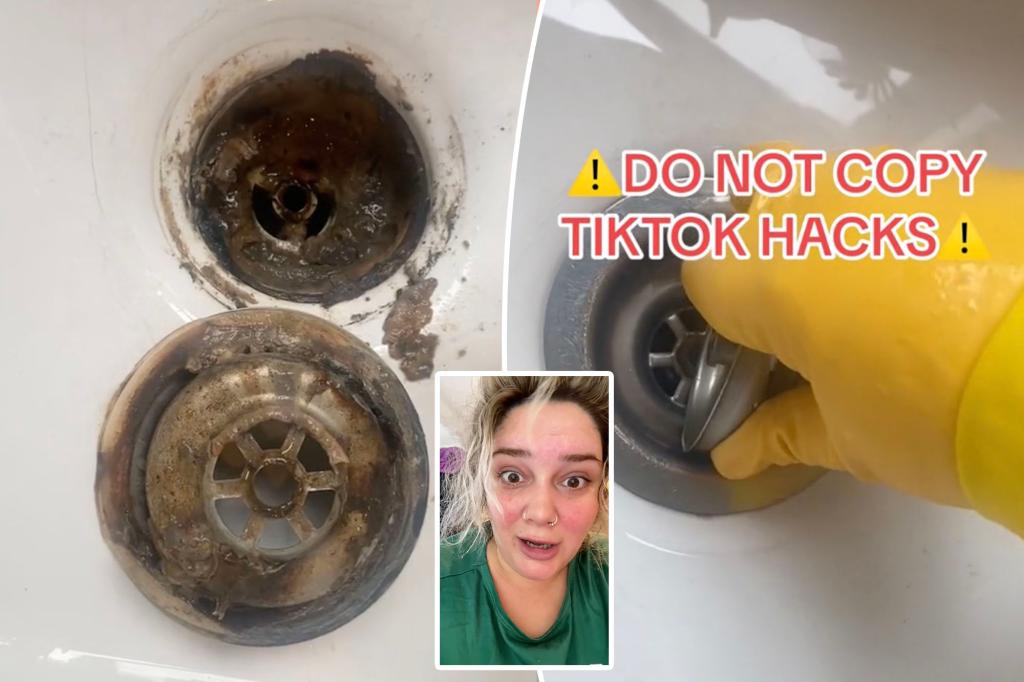
A TikTok user attempted a cleaning hack to scrub her sink drain but accidentally flooded her kitchen. In a video that gained over 5 million views, she unscrewed the drain and poured cleaning powder onto it, unknowingly disconnecting the pipe from the sink. When she ran the water, her kitchen began to flood. The incident serves as a warning to not believe everything seen on the internet, and a plumber recommended using gloves to remove grime instead of running water to prevent clogs.
A TikTok content creator has gained popularity by engaging in "consensual doxxing," where she helps people find personal information about themselves online. While she claims it's a fun activity and a way to educate people about their online presence, experts warn that it can also be a cautionary tale. Although the information is not used maliciously, it could potentially be picked up by individuals with harmful intent. The creator hopes that her videos will encourage people to be more cautious about their online privacy and take steps to protect themselves.
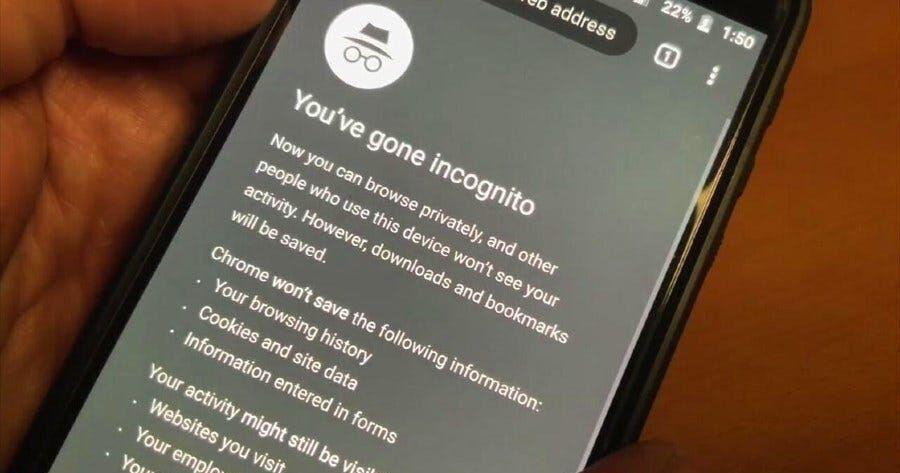
Kids are finding ways to bypass parental controls on their smartphones by using web browsers like Google Chrome or Safari to access apps and websites like Instagram, YouTube, and TikTok. By visiting these platforms in incognito or private mode, their activity won't be blocked or tracked by the "Screen Time" feature. Parents can prevent this by enabling "Content and Privacy Restrictions" in the settings and disabling incognito mode on iPhones, although this only applies to the Safari browser and not Google Chrome.
Google's Enhanced Safe Browsing is an optional feature for Chrome and Gmail users that provides proactive protection against risky websites, downloads, and Chrome extensions. It scans URLs, extensions, file downloads, system information, and a small sample of pages to improve security. While it offers better warnings about malware and phishing, there are privacy concerns as the data collected is temporarily linked to users' Google accounts. It may also cause inconveniences when downloading files or extensions from untrusted sources. Enhanced Safe Browsing is most beneficial for new or casual internet users, while technically savvy users may not need to enable it.
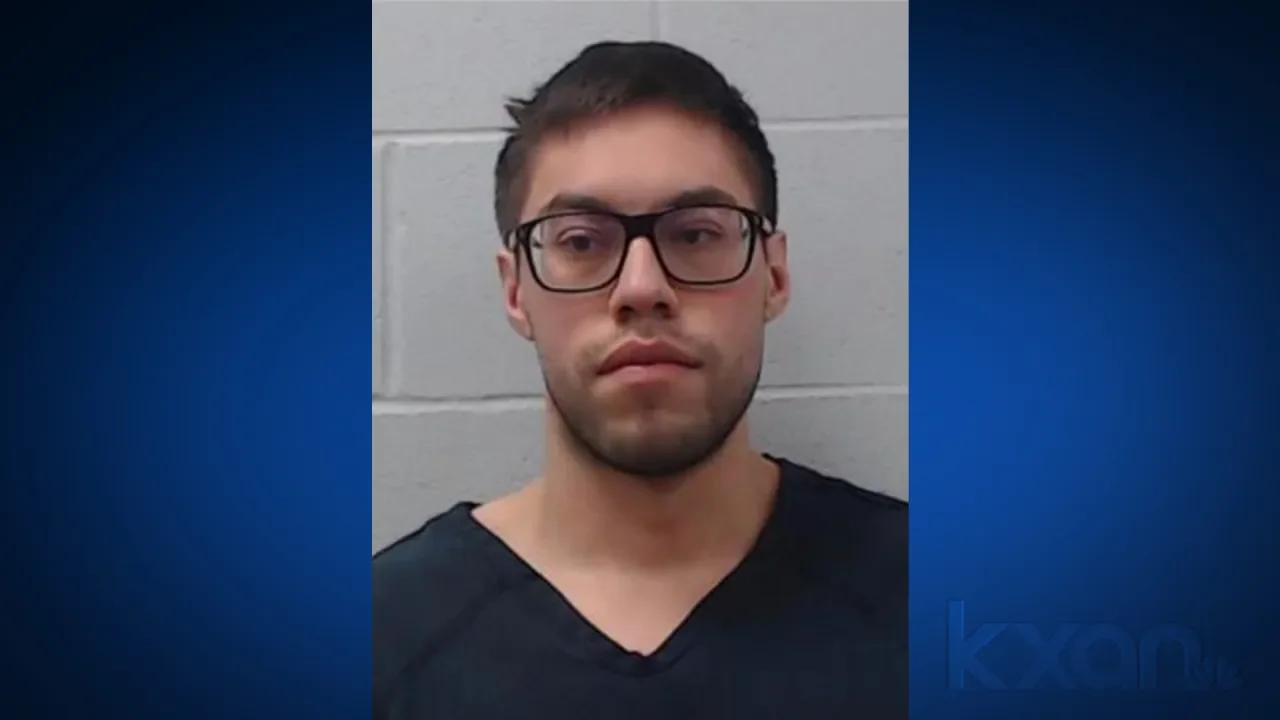
A registered sex offender, Diego Alejandro Cortez, was arrested in Hays County, Texas, for child sex trafficking. Cortez allegedly enticed a 10-year-old victim to leave her home and engaged in sexual conduct with her and other children in and around San Antonio. He used Snapchat to connect with potential victims, portraying himself as a young teen to gain their trust. The Hays County Sheriff's Office urged parents to monitor their children's social media and discuss internet safety with them.
Alicia Kozak, a survivor of kidnapping and abuse by an online predator, is using her traumatic experience to raise awareness about child safety and internet safety. Kozak was rescued by the FBI after four days of rape and torture in her captor's dungeon. She now works as a motivational speaker, missing persons advocate, and internet safety expert. Kozak is pushing for the passage of Alicia's Law in all 50 states, which provides funding to the Internet Crimes Against Children Task Force Program. She is also fighting to close a loophole in the American Data Privacy and Protection Act that could hinder law enforcement's efforts to find abducted children.