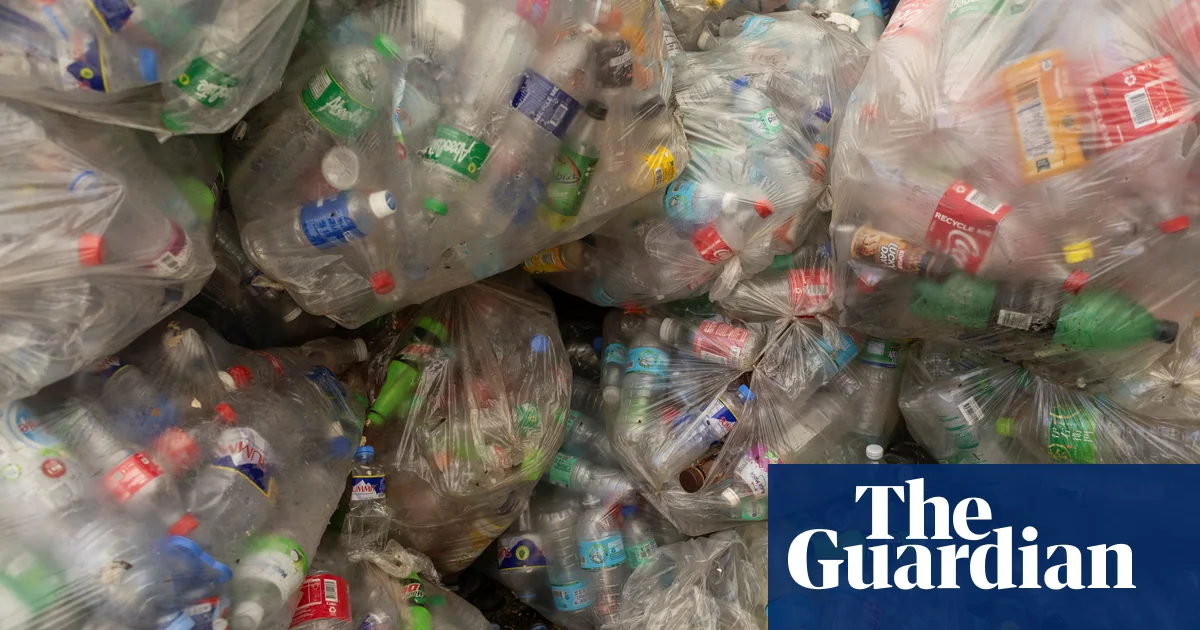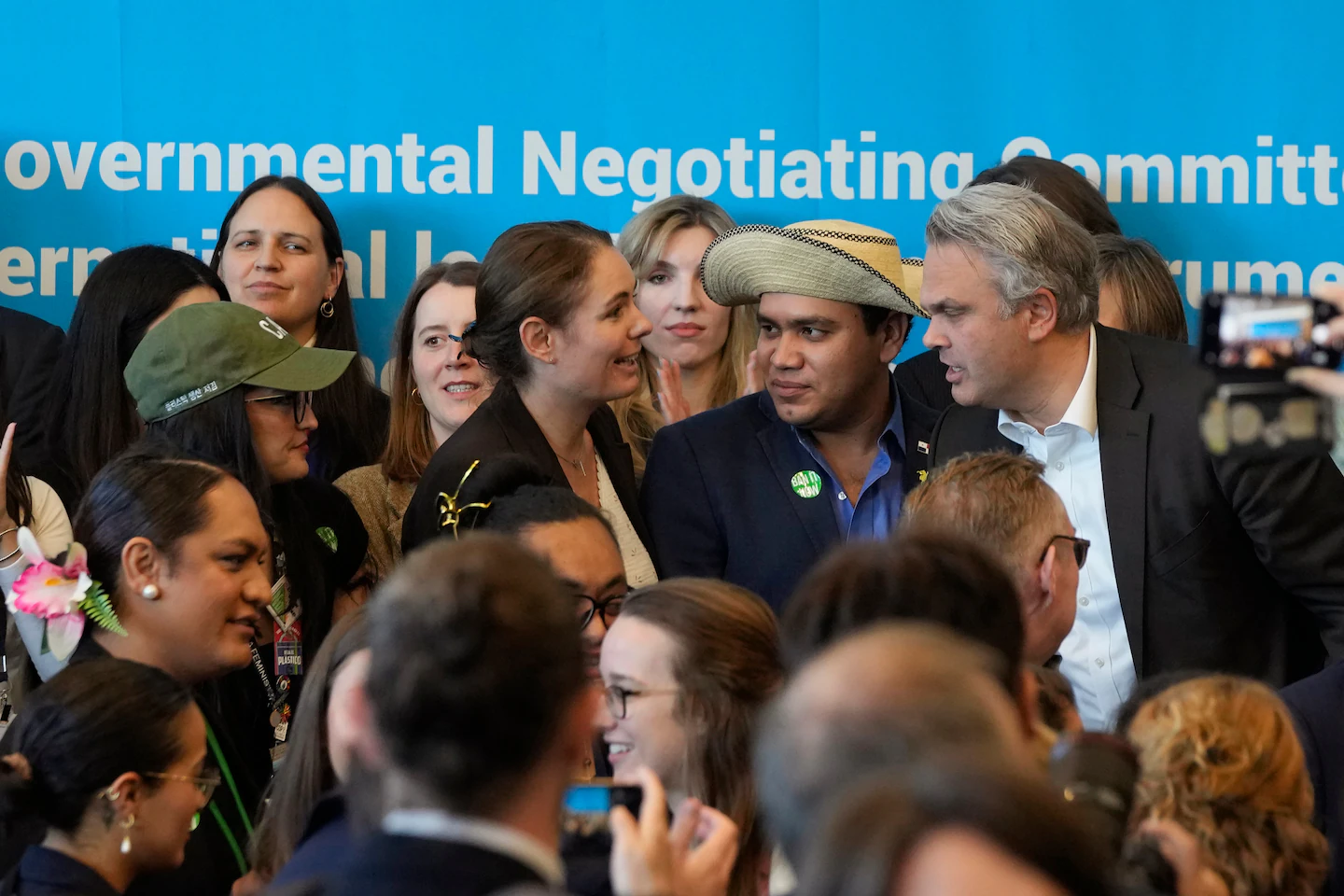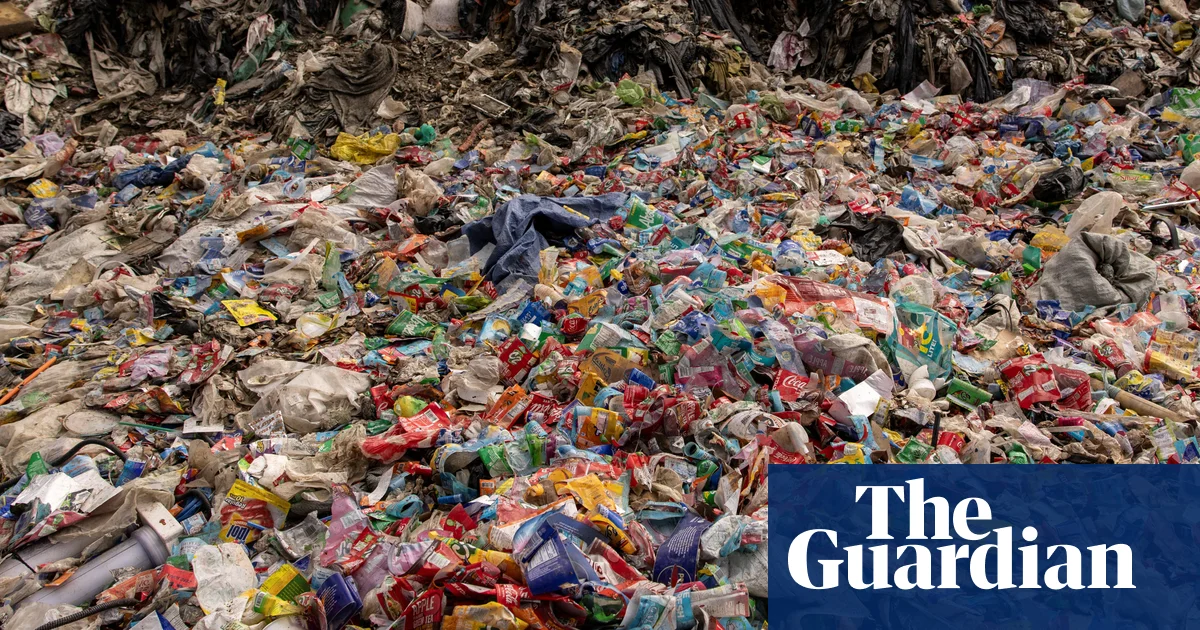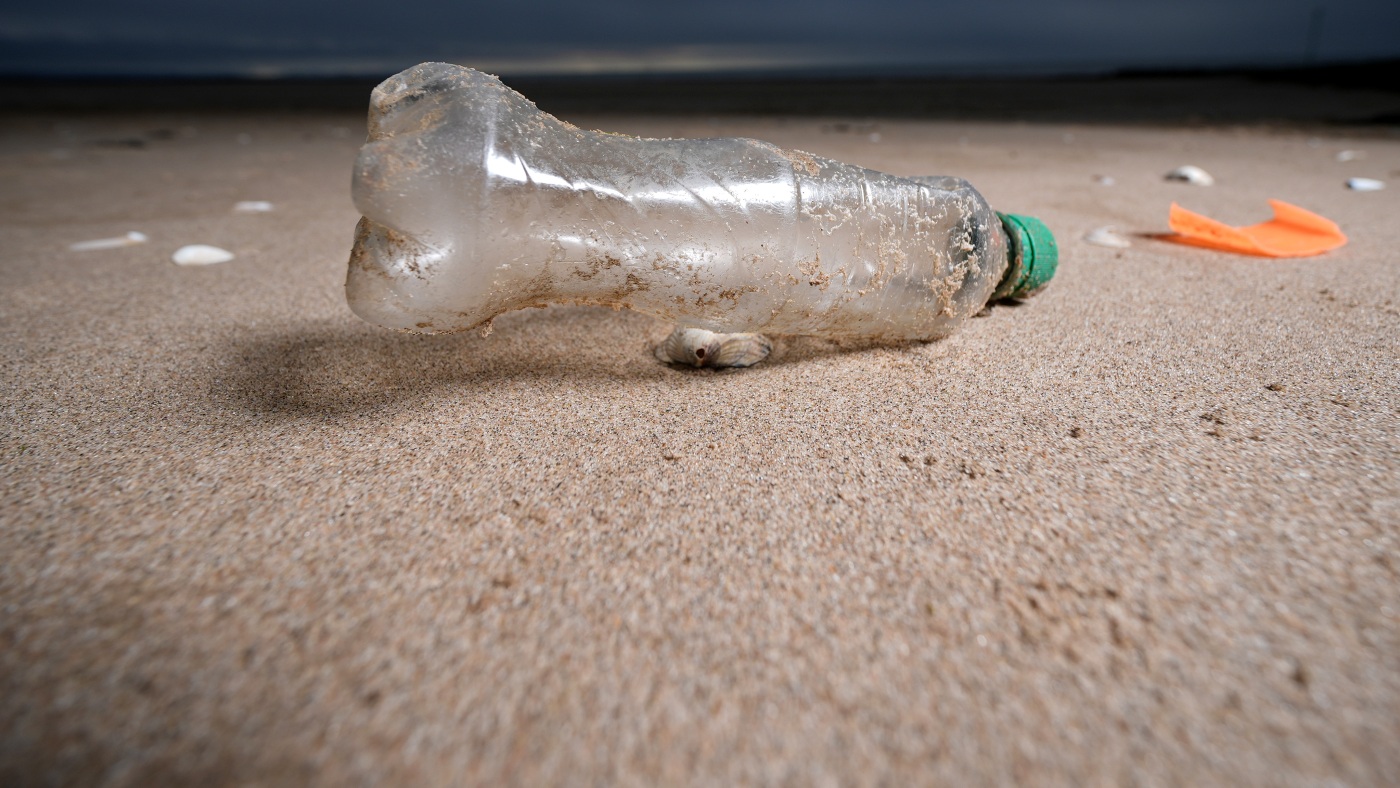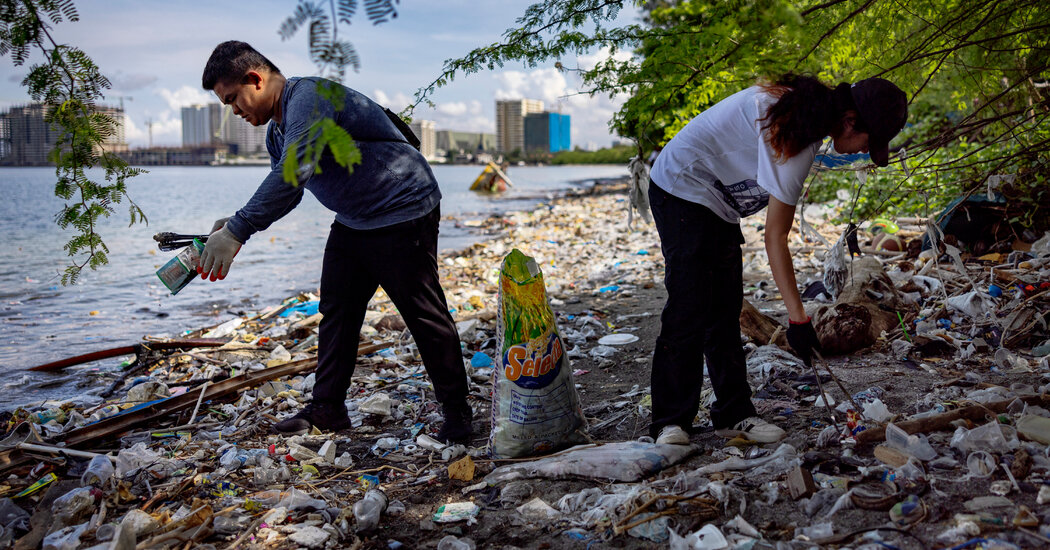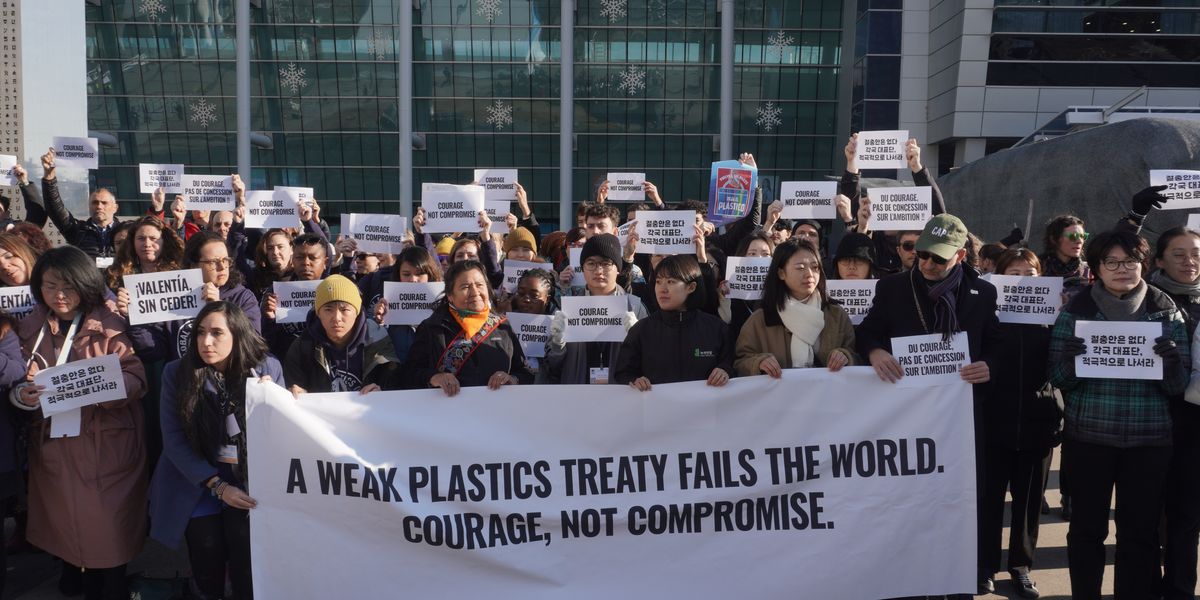
As the Global Plastics Treaty negotiations in Busan, South Korea, near their conclusion, environmental and human rights groups criticize the draft treaty for lacking enforceable measures to curb plastic production and eliminate hazardous plastics. Despite support from many nations for binding regulations, the draft relies on voluntary actions, which critics argue will be ineffective. A proposal from Panama to delay setting production caps has gained some support, but environmental advocates warn against compromising ambition for consensus. They urge nations to pursue a robust treaty or consider forming a separate agreement among willing countries.

A new analysis by the Silent Spring Institute suggests that a strong global plastic treaty could significantly reduce breast cancer rates by targeting chemicals in plastics linked to the disease. The study identifies 414 chemicals associated with breast cancer, with 175 posing the greatest risk due to their links to tumors and hormone disruption. Despite the potential health benefits, recent UN negotiations in South Korea failed to reach a consensus on reducing plastic pollution, with disagreements over whether to focus on limiting production or managing waste.
Talks in Busan, South Korea, aimed at establishing a global treaty to reduce plastic pollution ended without agreement, as 85 countries called for binding targets to cut plastic production. The negotiations stalled due to resistance from countries like Saudi Arabia, Iran, and Russia, which opposed production cuts. Despite support from over 100 countries for legally binding reductions, the talks failed to bridge divisions. The EU and other high-ambition countries expressed disappointment but remain committed to pursuing a treaty with binding provisions. No date has been set for further negotiations.
Negotiations among over 170 countries to establish a U.N. treaty aimed at reducing plastic pollution failed in Busan, South Korea, due to disagreements on how to address the issue. While more than 100 nations supported reducing plastic production, oil-rich countries opposed this approach, advocating instead for targeting plastic pollution directly.
After two years of deadlock, international talks on a plastic treaty show signs of progress as a large bloc of countries pushes for a production cap to reduce plastic pollution. A draft text includes options for a global target to cut plastic production, but opposition from a small group of nations could hinder ambitious outcomes. The treaty aims to address plastic pollution across its lifecycle, with a final decision expected soon. Environmental activists and supportive countries urge decisive action to protect the environment and human health.
Negotiators from various countries are meeting in Busan, South Korea, to finalize a global treaty aimed at reducing plastic pollution before an end-of-year deadline. The talks have been stalled due to resistance from the oil and gas industry, but recent signals from the Biden administration suggest potential U.S. support for stronger measures. Key issues include limiting plastic production, regulating hazardous chemicals, and creating a circular economy. With the U.S. election of Donald Trump, concerns arise about U.S. commitment, but global action remains crucial to address the escalating plastic waste crisis.
Global leaders and environmental experts are convening in South Korea to discuss strategies for ending plastic pollution. The talks aim to establish international agreements and policies to reduce plastic waste and promote sustainable practices.
Mardi Gras celebrations in New Orleans are contributing to a significant environmental concern due to the massive amounts of plastic beads and trinkets thrown during parades. These nonbiodegradable items end up as litter, clog drainage systems, and pose a threat to wildlife in the area. Efforts to address this issue include recycling programs, collection points for beads, and a push for parade riders to use sustainable, nonplastic items. Organizations are advocating for the adoption of biodegradable alternatives to reduce the environmental impact of this beloved tradition.
Mardi Gras celebrations in New Orleans are contributing to a plastic pollution problem as tons of nonbiodegradable beads end up in the city's drainage system and waterways. Efforts to address this issue include recycling and promoting the use of sustainable alternatives such as paper beads, acai seed beads, and locally-made consumable items. Organizations are collecting and repackaging beads for resale, while a nonprofit is marketing nonplastic, sustainable items for parade riders to throw. Advocates hope these initiatives will help mitigate the environmental impact of the beloved tradition.
Mardi Gras celebrations in New Orleans are contributing to a plastic pollution problem due to the massive amounts of nonbiodegradable beads and trinkets thrown during parades, which end up in the city's drainage system and waterways. Efforts to address this issue include recycling programs and a growing movement to introduce sustainable alternatives such as paper beads, recycled glass, and consumable items. Advocates hope that these initiatives will help reduce the environmental impact of the festivities.