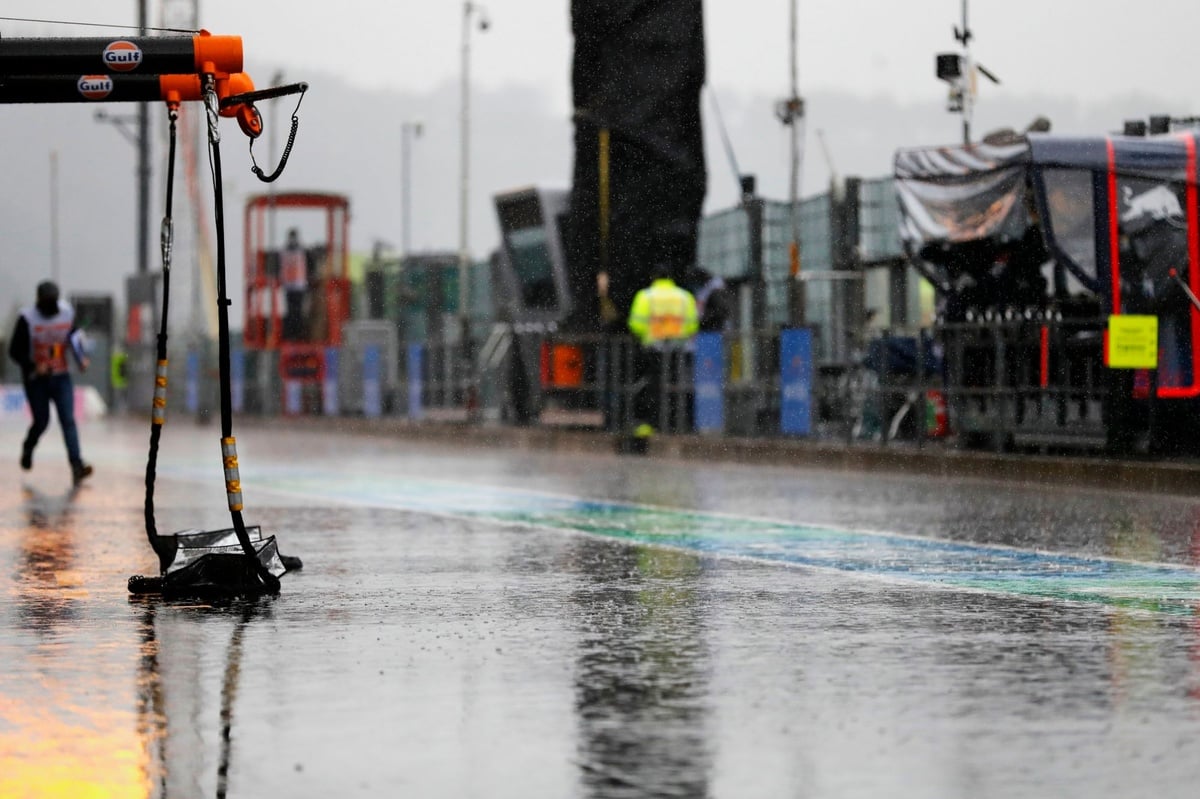
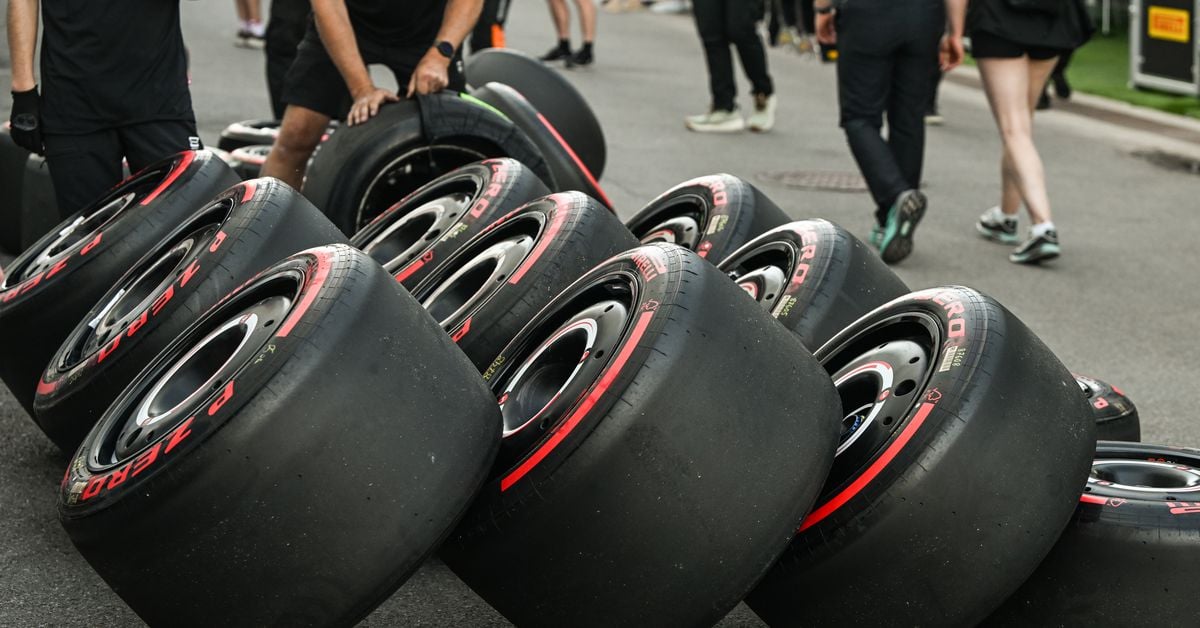
Pirelli's planned tyre strategy experiment for the Belgian Grand Prix, which involved using a different hard tyre compound to encourage varied race strategies, faces potential disruption due to forecasted heavy rain, complicating the team's efforts to introduce unpredictability and challenge the typical one-stop race approach.
The Belgian Grand Prix will feature a unique tire compound selection not seen since the 2022 Australian GP, with Pirelli offering a non-consecutive range of slick tires (C1, C3, C4), which is expected to influence race strategies, particularly favoring two-stop plans. This change follows a season of varied tire designations and comes after last year's notable one-stop strategy by George Russell, which was ultimately disqualified.
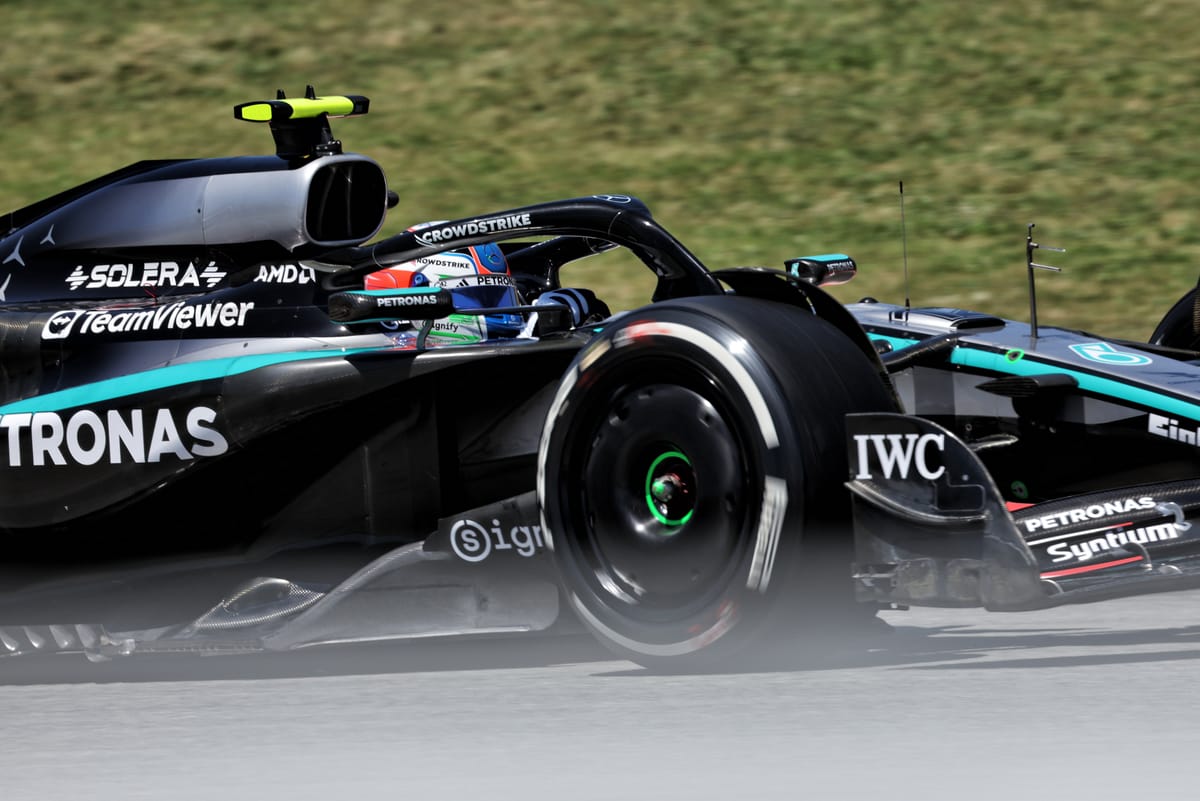
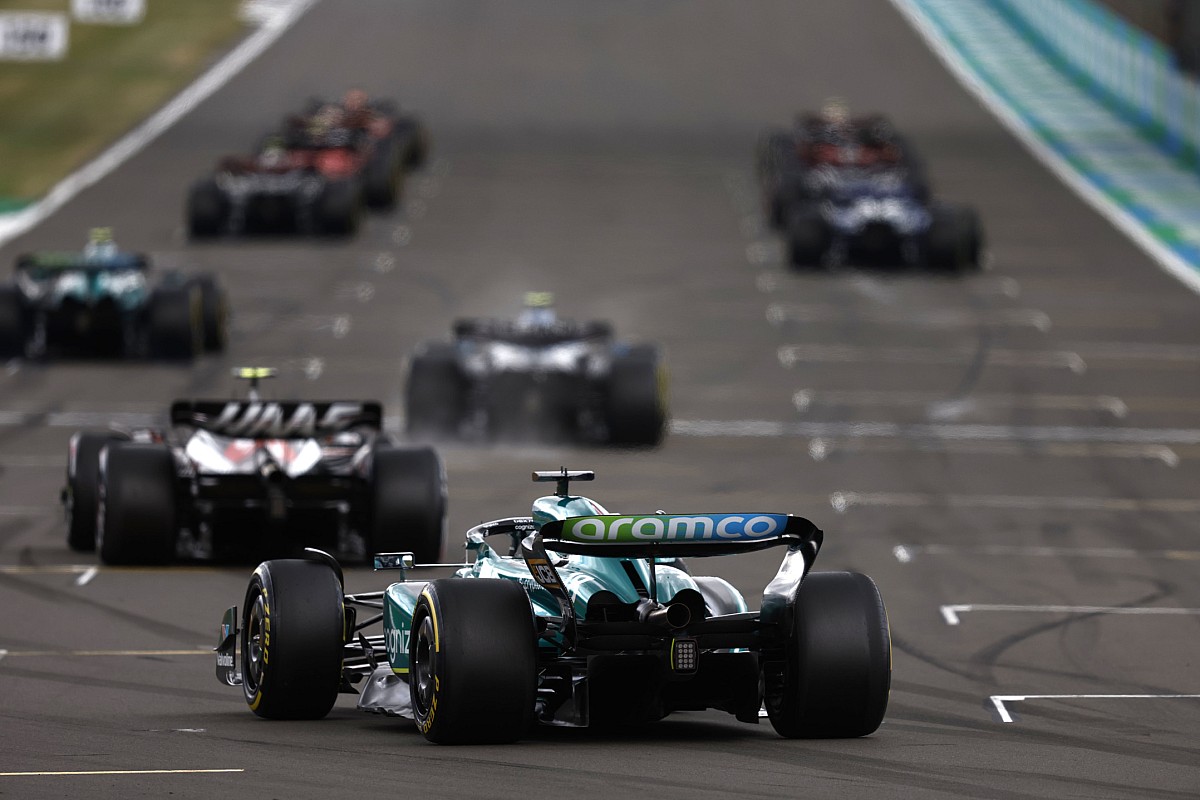
The Spanish Grand Prix is unlikely to see a one-stop strategy due to the high-speed, rough track surface and issues with the hard tyre compound (C1), leading teams to consider a two-stop approach with a soft/medium/soft strategy, influenced by tyre degradation and balance challenges.
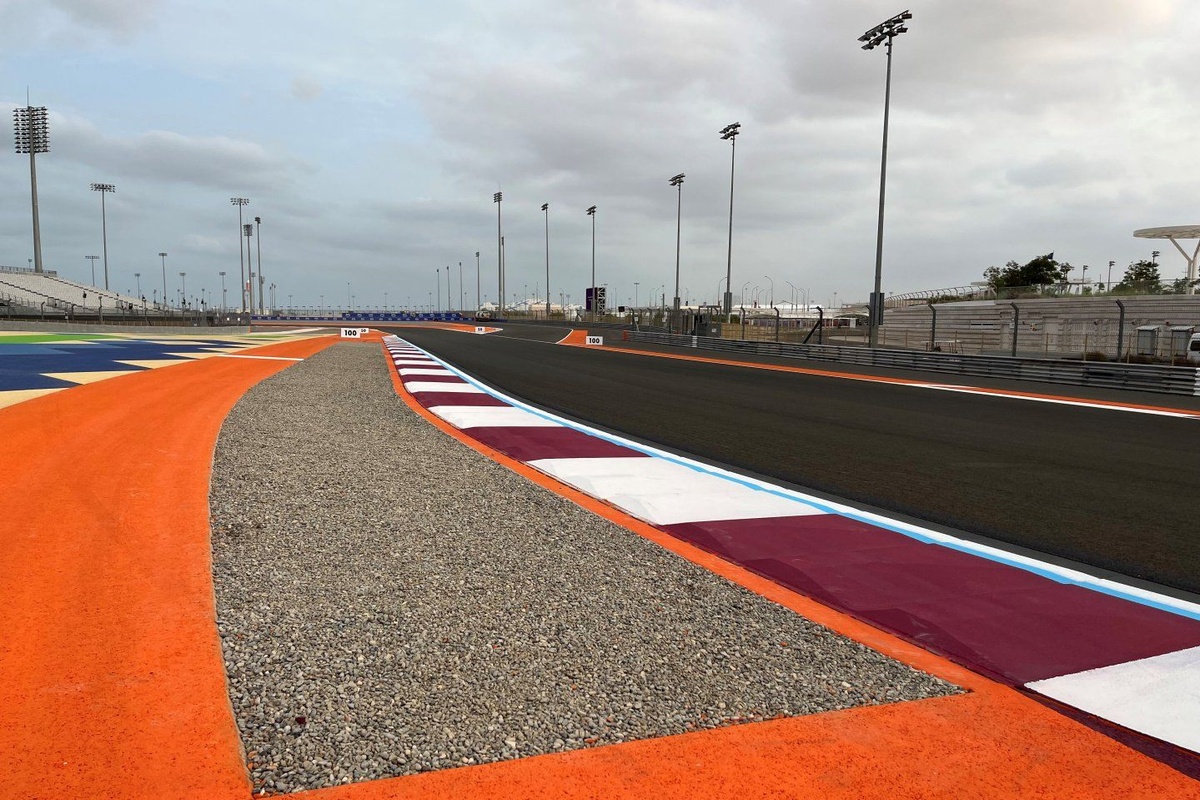
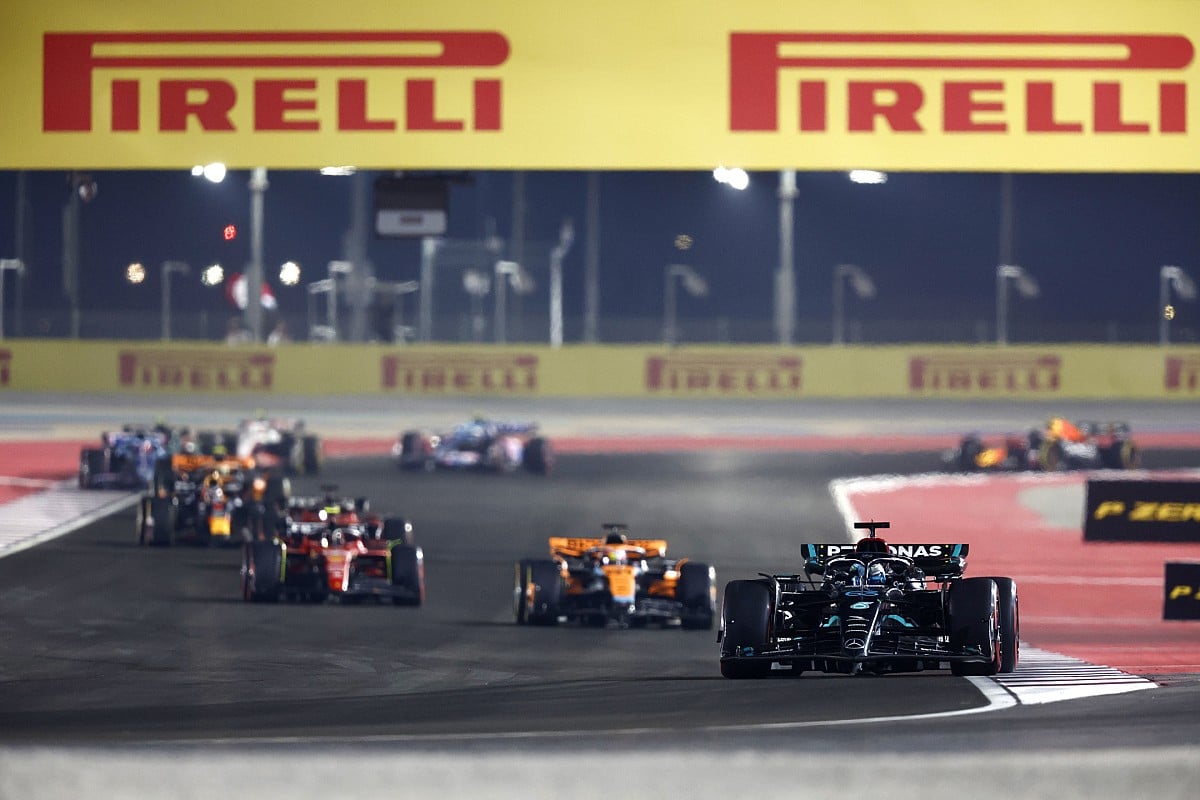
The Qatar Formula 1 circuit has modified seven of its 16 corners by flattening the kerb profiles to prevent tyre damage, which previously led to the FIA imposing maximum stint lengths during races. The original sharp kerbs caused microscopic tyre separations due to the high-speed nature of the track. Pirelli has tested the new kerb designs and is confident they will reduce tyre stress. Additionally, narrow gravel strips have been added to deter drivers from exceeding track limits.
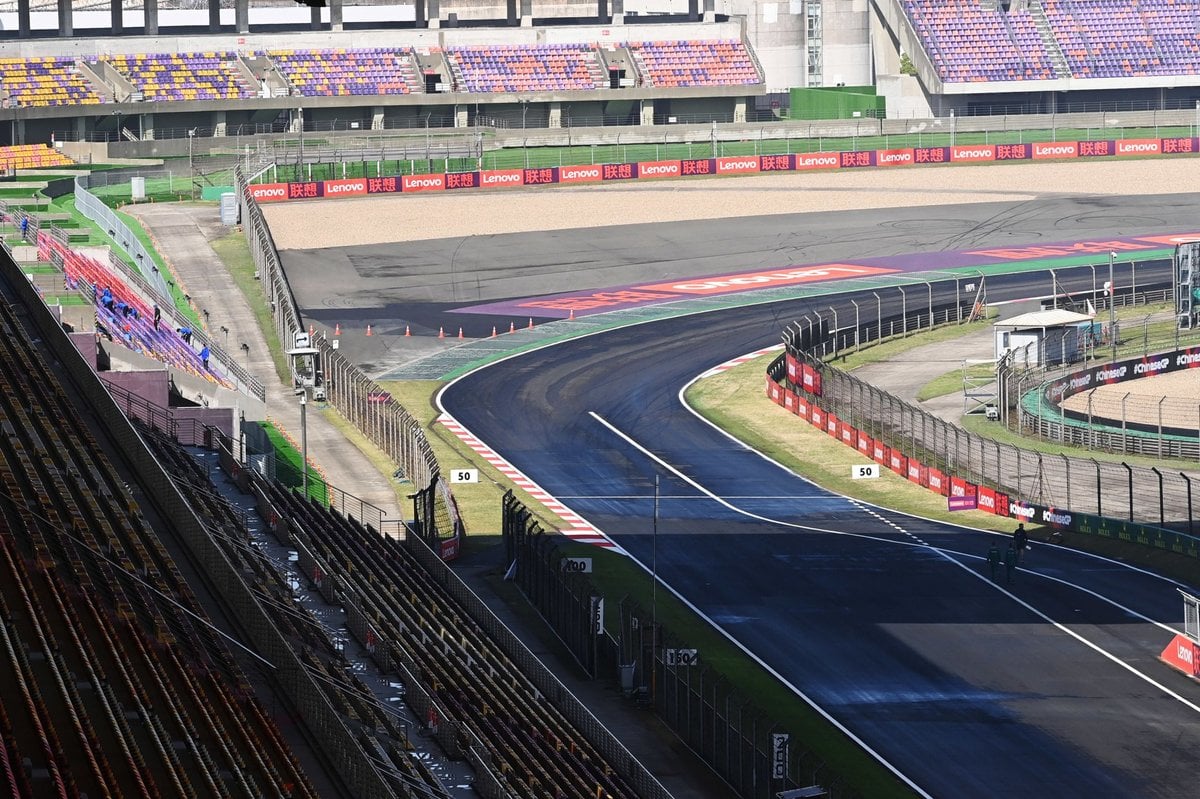
F1 teams and Pirelli were surprised to find a visibly different track surface at the Shanghai circuit, caused by a liquid bitumen treatment applied last year. The treatment impacted grip levels and was not communicated to teams or Pirelli by the FIA. While the grip changes were not extreme, F1 chief engineer Simone Berra emphasized the need for better communication and understanding of track changes in the future. The surface issue will be resolved with a complete resurfacing of the Shanghai circuit in 2025.
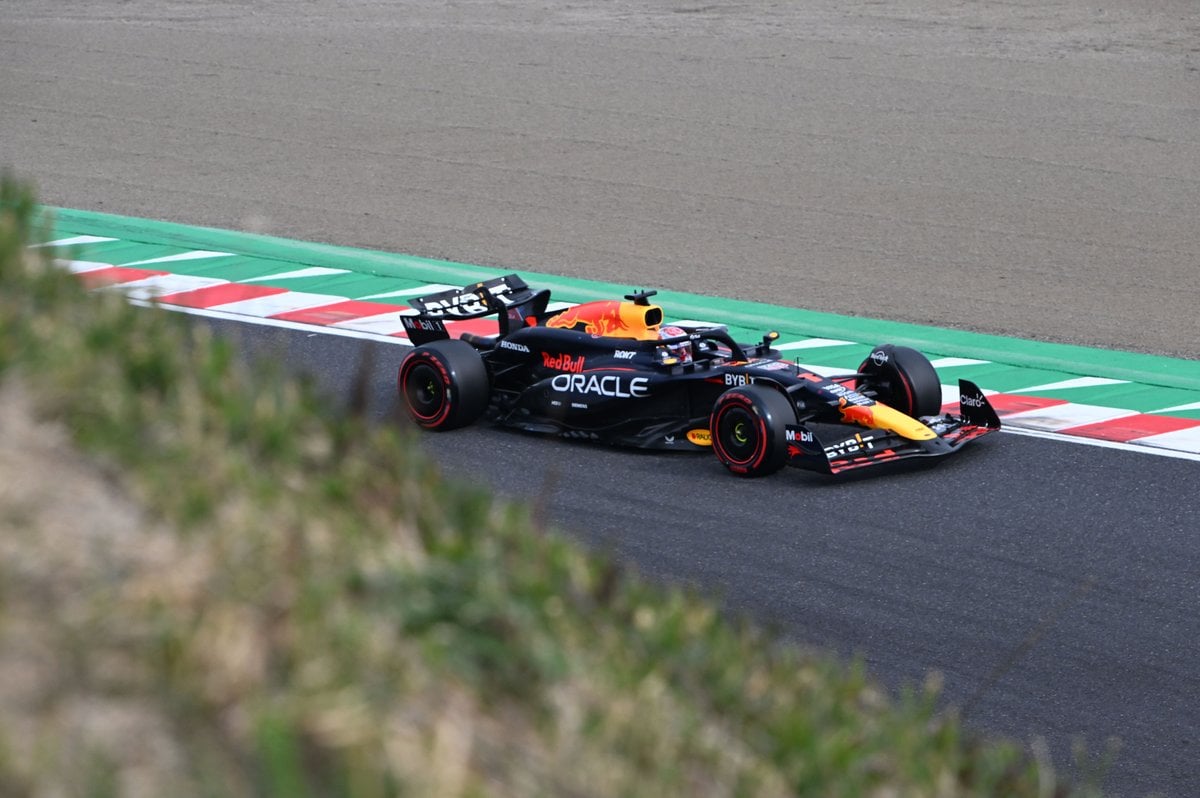
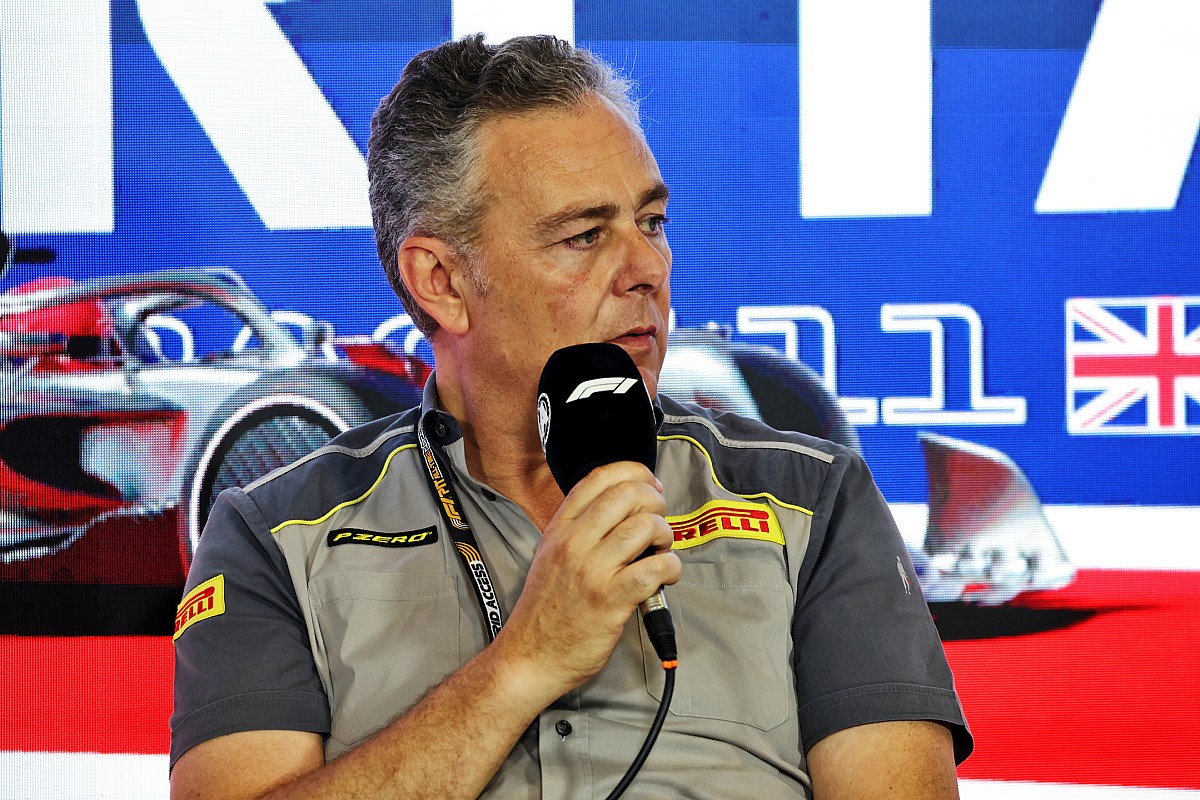
The upcoming Japanese Grand Prix at Suzuka has left F1 teams facing a strategic "headache" due to the high-degradation track and a wide range of tire options. The cooler temperatures and rough track surface have made the soft tire a viable option, complicating strategy planning. Teams with limited hard tire allocations may need to manage degradation, and the potential for light showers adds further uncertainty. Pirelli's Mario Isola believes there is no single best strategy, making for an intriguing and unpredictable race. McLaren could benefit from having two sets of hard tires, while Red Bull's dominance is expected at the front, leaving the battle for the rest of the positions wide open.
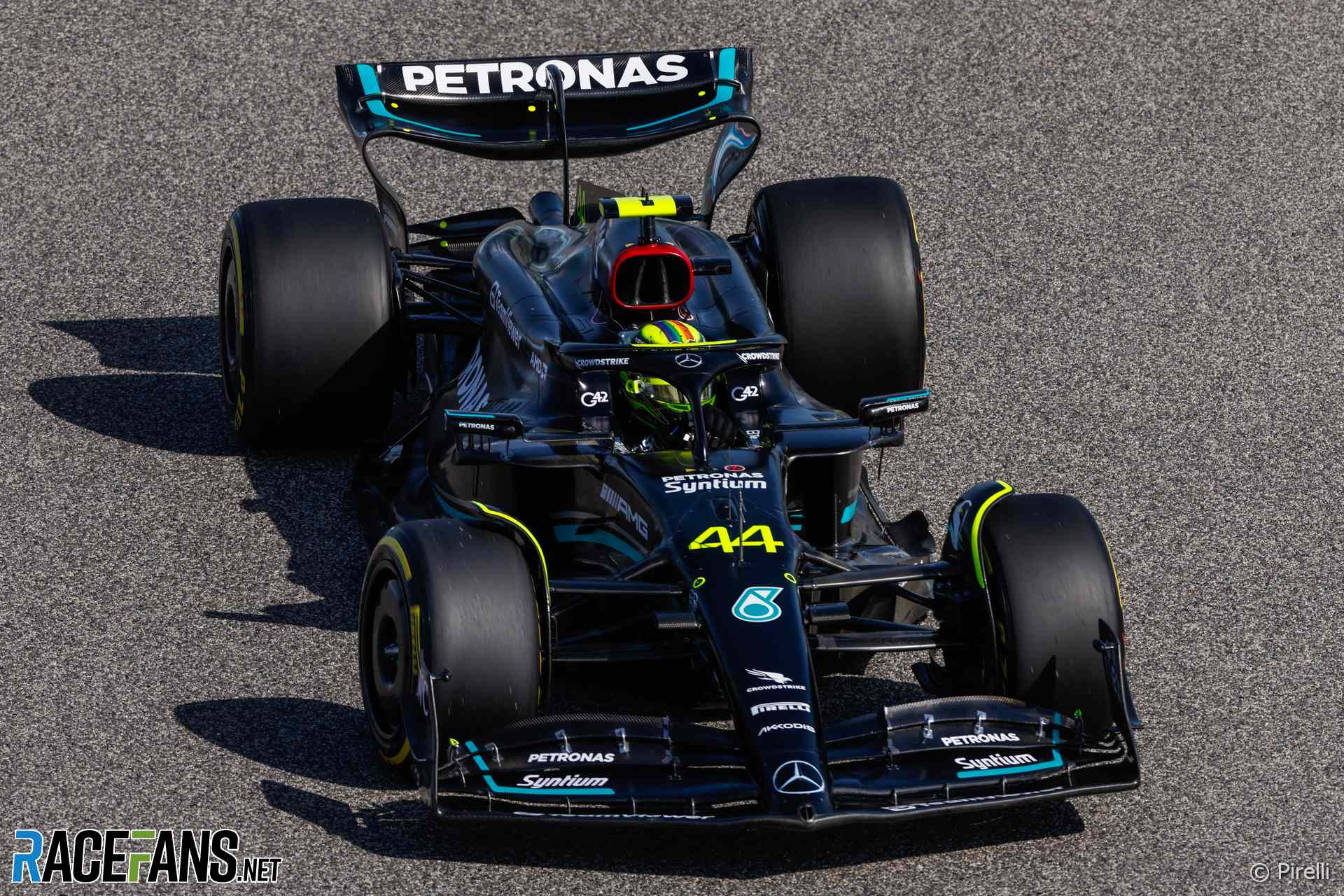
Lewis Hamilton returned to test for Mercedes for the first time since announcing his departure at the end of the season, joining Fernando Alonso in conducting tyre testing for Pirelli at the Jerez circuit in Spain. The objective was to continue developing tyres for the 2025 season, with both drivers covering over 1,200 kilometers. Hamilton's move to Ferrari has received a positive reaction, and Mercedes is set to launch their new car next week.
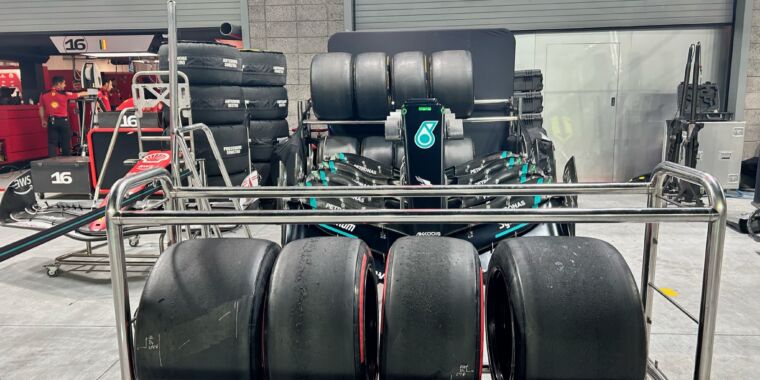
Cold temperatures during the Las Vegas Formula 1 Grand Prix posed a challenge for teams as the tires were not designed for frigid weather. Pirelli, the tire supplier, is working on reducing its impact on the environment by reusing and recycling tires, as well as developing more sustainable options. They are also piloting a system to use fewer tires during race weekends and removing heating blankets from wet and intermediate tires to reduce electricity usage. These efforts, though small individually, contribute to a larger impact on sustainability in the sport.
The FIA and Pirelli have discovered a separation in the sidewall of tyres used during Free Practice 1 at the 2023 FIA Formula 1 Qatar Grand Prix, likely caused by the high-frequency interference between the tyre sidewall and the kerbs. As a result, track limits will be revised, a Practice Familiarisation Session will be held, and tyre analysis will be conducted after the Sprint to determine further action. If the problem persists, a directive will be issued for the Grand Prix, including a maximum tyre life parameter and mandatory pitstops. The FIA and Pirelli will conduct research to find a solution. Due to insufficient tyre data from the Sprint, a mandatory limit of 18 laps of total tyre life per set will be imposed for the Qatar Grand Prix, taking into account the life of already used tyres. Exceeding the tyre life limit will be reported as running in an unsafe condition.
The FIA will decide on whether to implement mandated stint length caps and three pitstops for the Qatar Grand Prix after a meeting with teams on Sunday. Pirelli discovered a risk of punctures during the main race due to sidewall separation caused by the high-speed corners and kerbs at the Losail track. The analysis of the tyres used in the sprint race will determine if the issue persists. The outcome of Pirelli's investigation will be revealed after the team managers' meeting.
Formula 1 teams will experience a new tyre allocation rule at the Hungarian Grand Prix, which aims to improve sustainability and create strategic variety. Under the new rule, drivers will have 11 sets of tyres instead of the usual 13, with specific requirements for each practice session and qualifying. Pirelli has also introduced softer tyre compounds for this race. Teams will have more leeway in their tyre allocation for the race, potentially leading to more varied strategies. The impact of the new rule will be assessed before considering its future use.
Pirelli, the sole supplier of tires for Formula 1, has responded to complaints from drivers about the performance and behavior of the tires. Pirelli's head of motorsport, Mario Isola, acknowledged the criticism but highlighted the challenges in satisfying all drivers. He mentioned the lack of a clear design brief and the constraints of developing tires that can work without blankets in the future. Isola emphasized the importance of driver feedback but also noted the limitations imposed by testing restrictions and the busy racing calendar.
Italy has imposed restrictions on Pirelli's biggest shareholder, Sinochem, to block the Chinese government's access to sensitive chip technology. The move follows similar interventions by Germany and the UK to protect their semiconductor technology. The Italian government used its "Golden Power" regulations to protect Pirelli's Cyber Tyre, which uses chip technology to collect vehicle data, as a critical technology of national strategic importance. The restrictions include a bar on Sinochem devising the company's strategy and financial plans or appointing a CEO.
Italy has blocked Chinese state-owned company Sinochem from taking control of tyre making giant Pirelli, which is viewed as strategically important to the nation. Sinochem is Pirelli's biggest shareholder with a 37% stake in the company. The Italian government has ruled that only Camfin, a company controlled by Pirelli's boss Marco Tronchetti Provera, can nominate candidates to be its chief executive. The government has also decided that any changes to the company's corporate governance should be subject to official scrutiny.
Italy has removed China's Sinochem as the largest investor in Pirelli, the Italian tire maker. The move comes as part of Italy's efforts to protect strategic assets from foreign influence. Sinochem had acquired a 65% stake in Pirelli in 2015, but its influence has now been reduced to less than 5%.