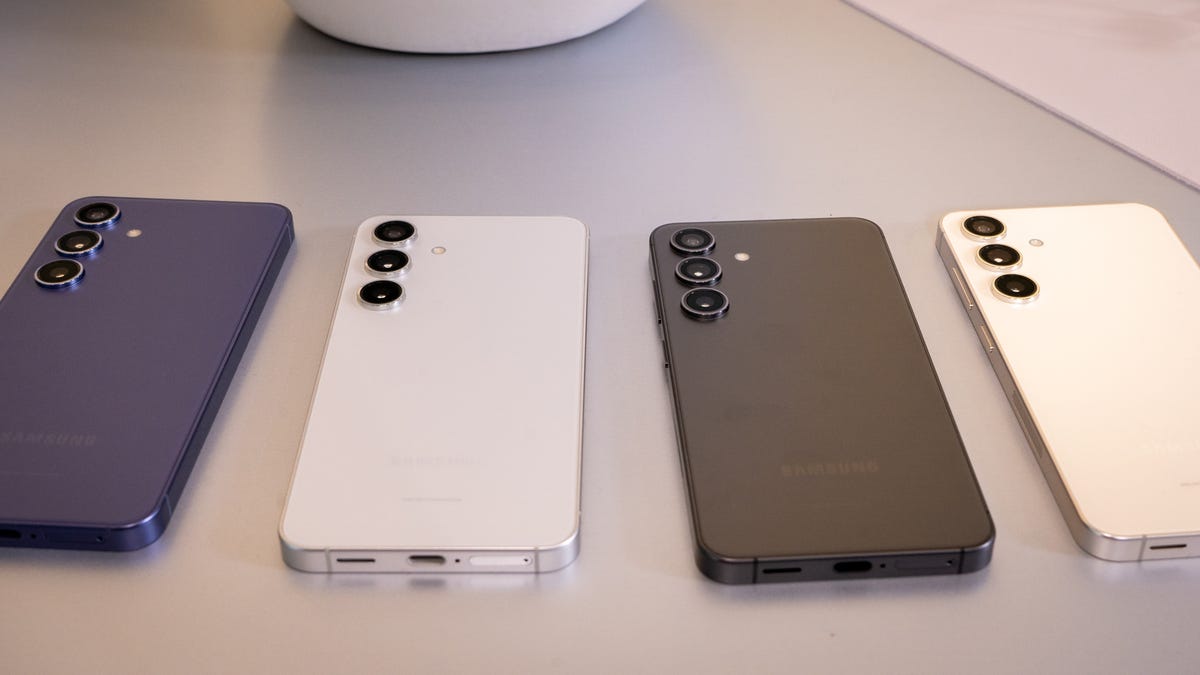
Samsung's phone repair program faces criticism after parting ways with iFixit and imposing strict requirements on independent repair shops, including disclosing customer information and using only first-party parts. These practices, which drive up repair costs and compromise customer trust, have led to calls for consumers to consider alternatives like Google Pixel devices.
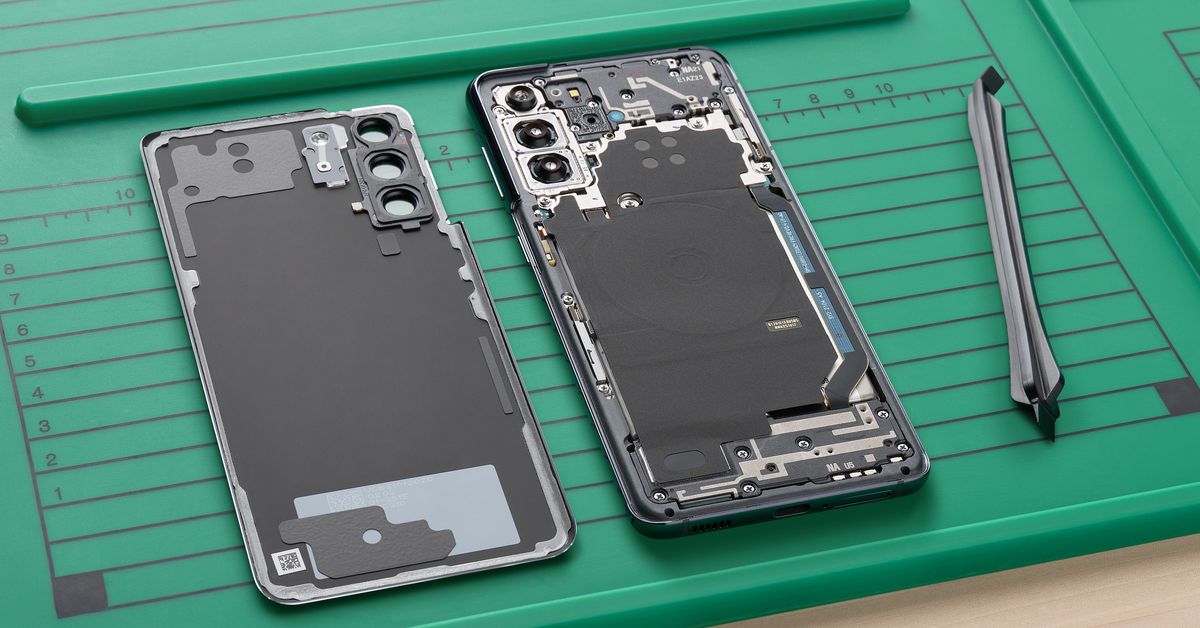
iFixit and Samsung are ending their partnership due to failed contract renegotiations, with iFixit CEO Kyle Wiens citing high part prices and restrictive terms from Samsung. Despite the split, iFixit will continue to offer aftermarket Samsung parts and repair guides independently.
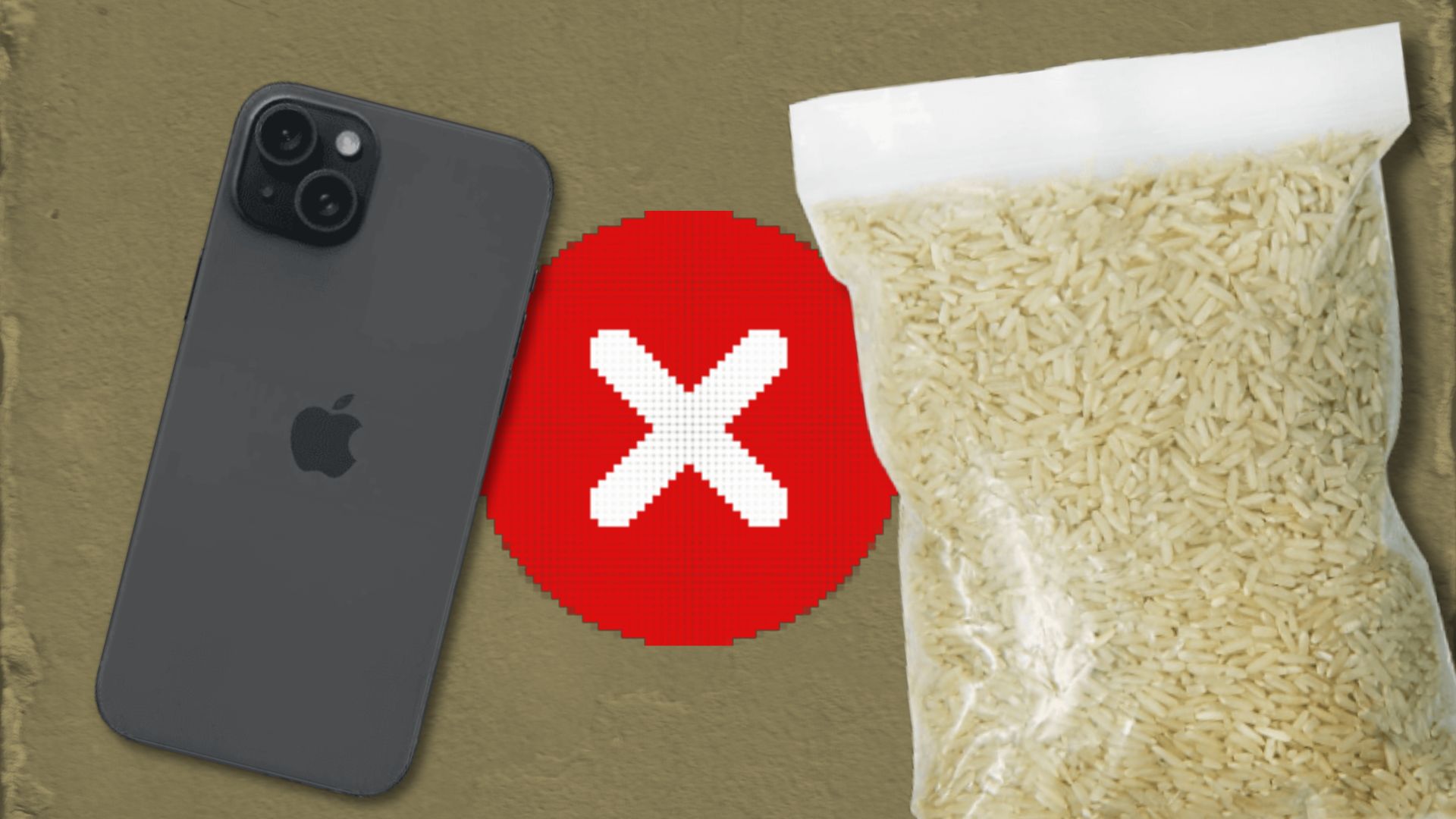
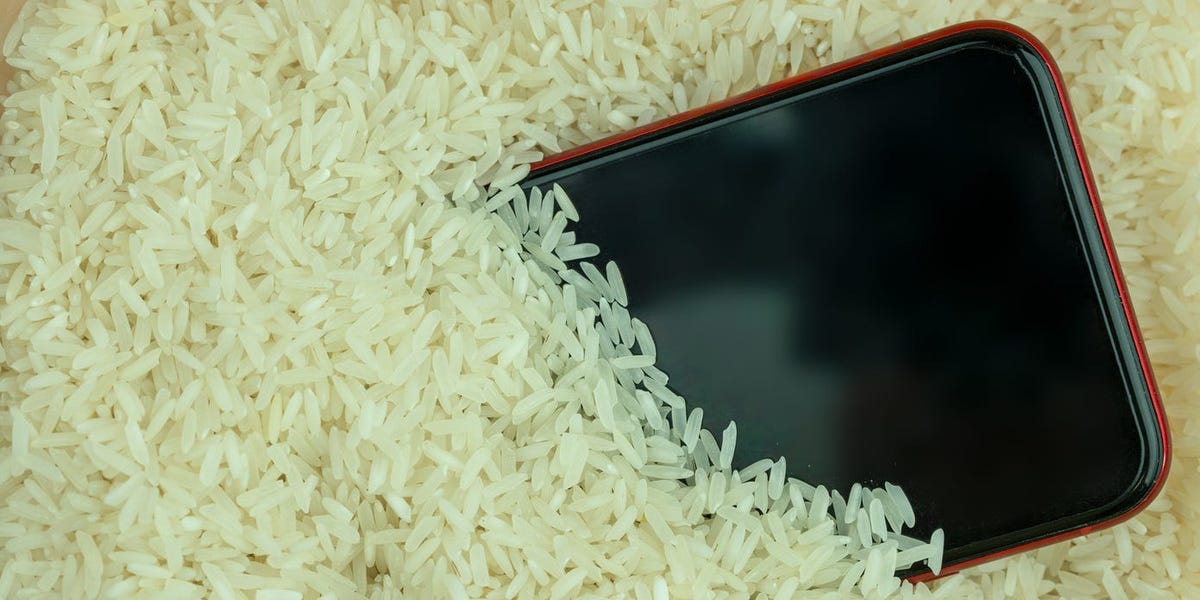
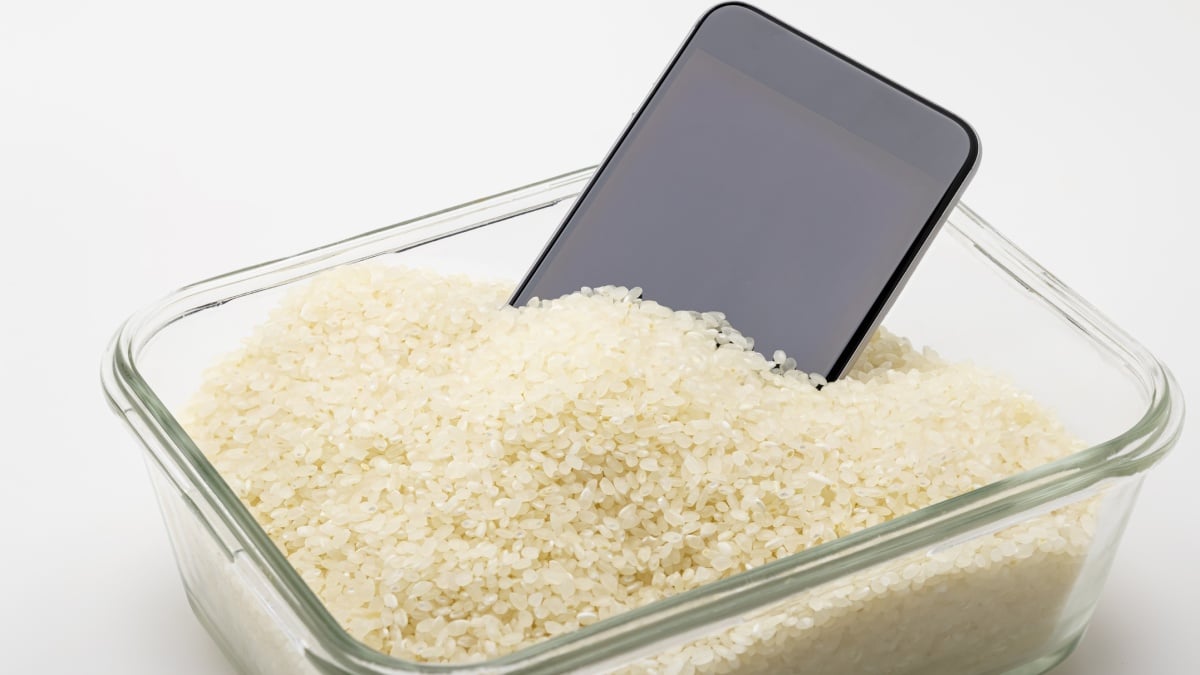
Apple advises against using rice to dry wet iPhones, debunking the common belief that it helps absorb moisture and prevent damage to internal components. Despite anecdotal evidence supporting the method, the tech giant suggests seeking professional help to address water damage instead.
Apple officially warns users against putting wet iPhones in rice, as it could damage the device and is not particularly effective at drying it. Instead, Apple advises gently tapping the phone to remove excess liquid, leaving it to dry for at least half an hour, and then attempting to charge it if completely dry. Additional warnings include not using external heat sources or compressed air, and not inserting foreign objects into the connector. If the phone isn't functioning, turn it off, dry it with a towel, and consider using silica packets in an airtight container.
Apple has updated its guidelines for dealing with water damage to iPhones, advising against using uncooked rice to dry the device due to the risk of rice particles causing damage. Instead, users are instructed to unplug the phone, tap it gently to remove excess liquid, and allow it to dry in a well-ventilated area for at least 30 minutes before attempting to charge it. If the liquid detection alert persists, the phone should be left to dry for up to 24 hours before attempting to charge it again. If these steps fail, users may need to seek professional repair or consider a replacement, although recent iPhone models have shown resilience to water damage.
Apple warns against using the traditional method of putting wet phones in rice, stating that it can actually cause more harm. Instead, the company recommends gently tapping the phone to remove excess liquid and leaving it in a dry area with airflow for at least 30 minutes. If the phone still isn't charging, additional drying time may be needed. Other common drying hacks like using a hairdryer or cotton swab are also discouraged.
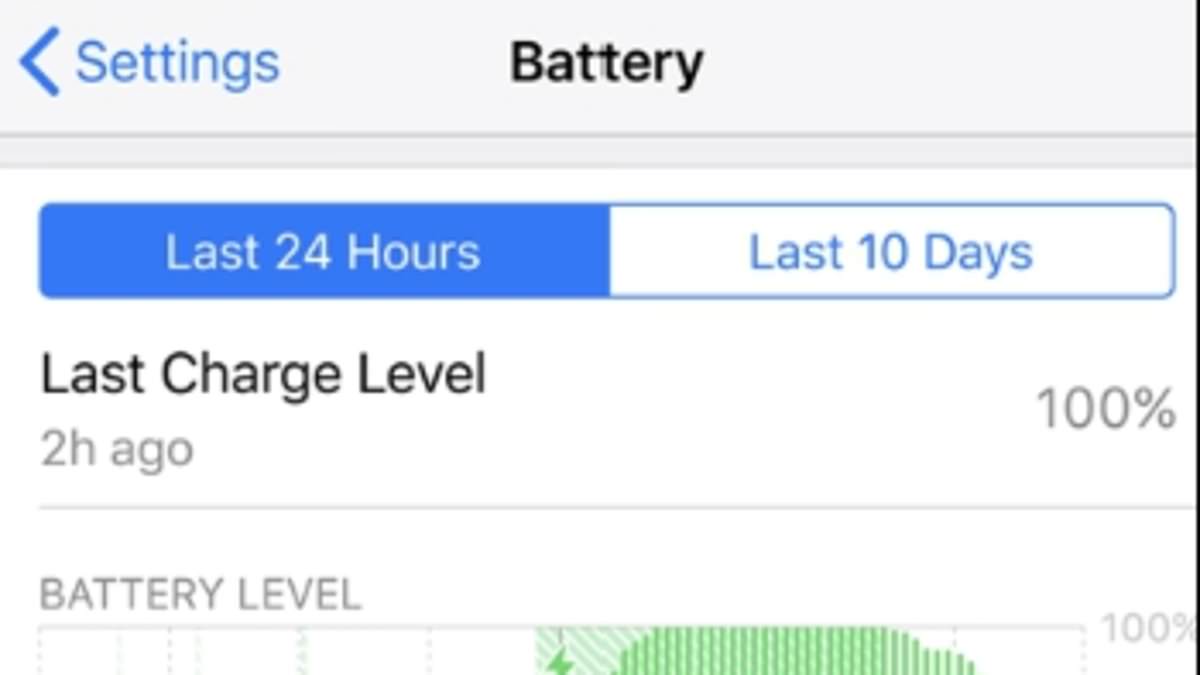
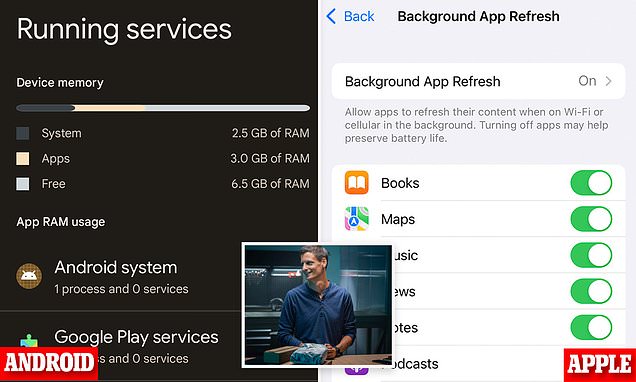
Phone repair expert Kewin Charron shares tips on how to identify and address apps that drain your cellphone battery. Users can check their smartphone's battery usage list to prioritize and remove apps consuming excessive power. Additionally, disabling background app refresh, reviewing app permissions, and ensuring apps are up to date can help optimize battery life. Charron advises uninstalling apps suspected of causing battery issues to see if it improves performance.
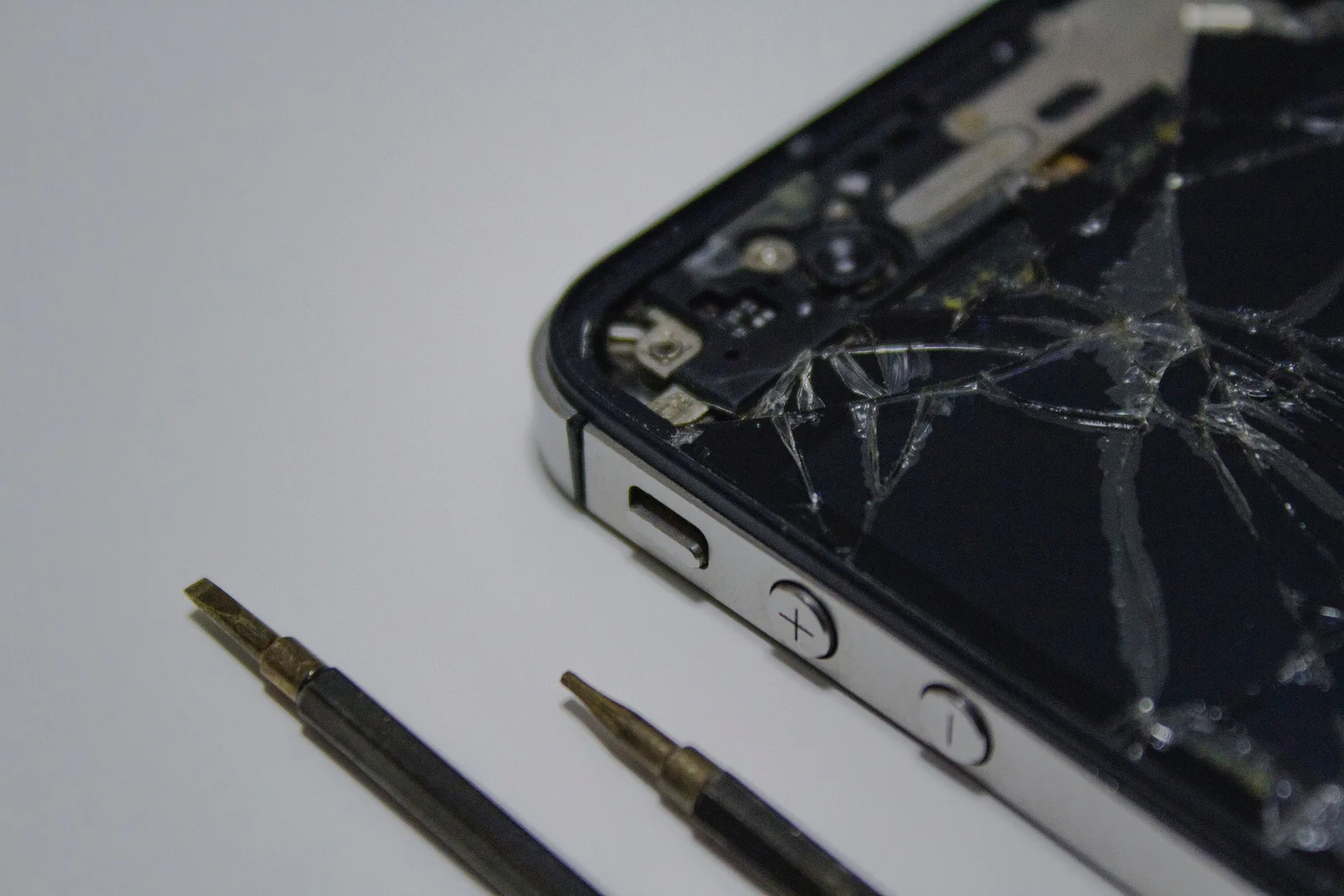
YouTuber Mrwhostheboss punctured the screens of an iPhone 14 Pro Max and Galaxy S23 Ultra and contacted Apple and Samsung for repair costs and lead time. Apple charged a hefty £474 but returned the device in five days, while Samsung charged £223.99, but sent the device back without repairing it, taking 29 days in total. Although both companies have self-repair services, modern devices require extensive knowledge. Samsung's mistakes highlight the need for better customer service.
Many apps run 'stealthily' in the background, which can slow your device to a crawl. There are also a number of battery optimization features that most users are completely unaware of. To take control of this, you should visit your phone's settings menu to clamp down on which apps can - and can't - run in the background. Another classic reason for a phone running slowly is when the phone's storage is nearly full. Battery issues are another common cause of a phone running slowly.