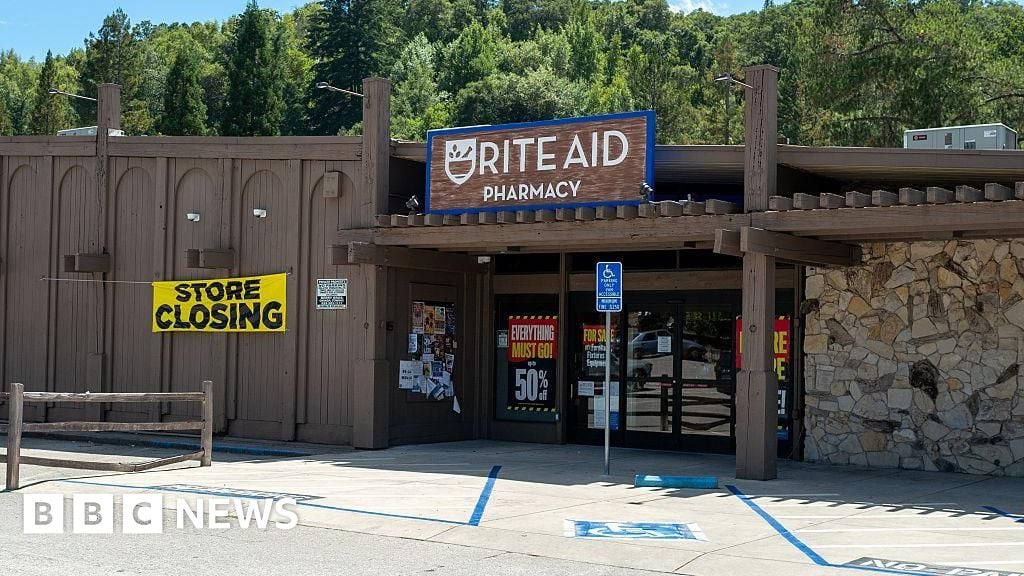
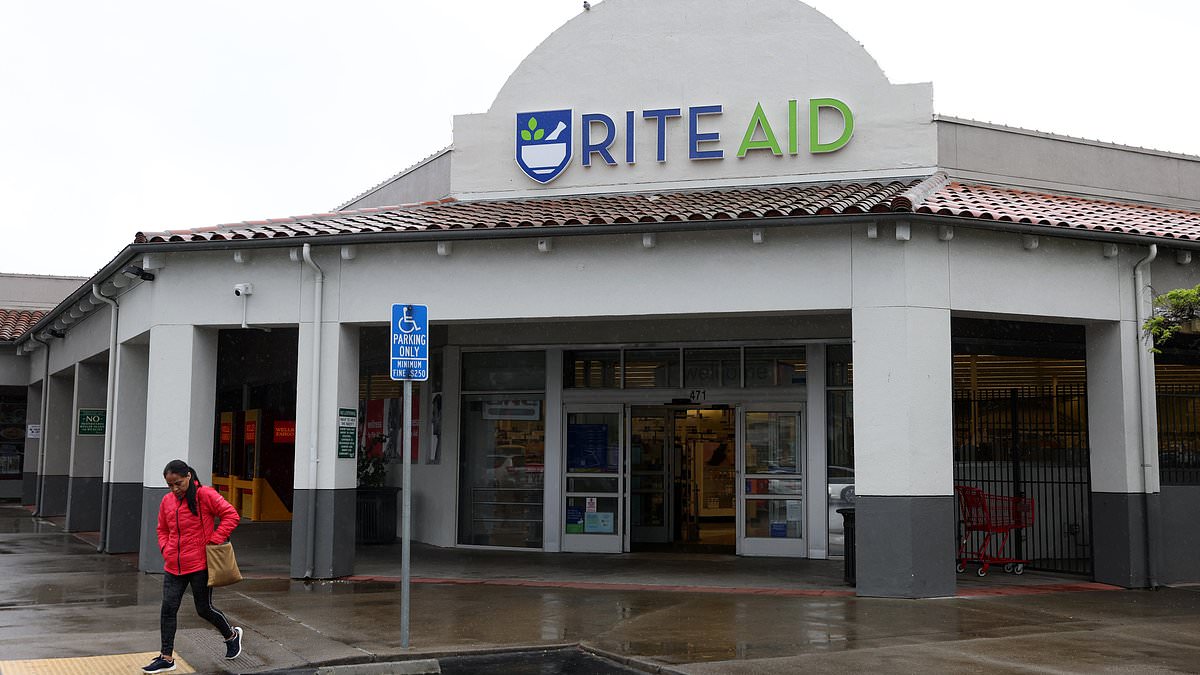
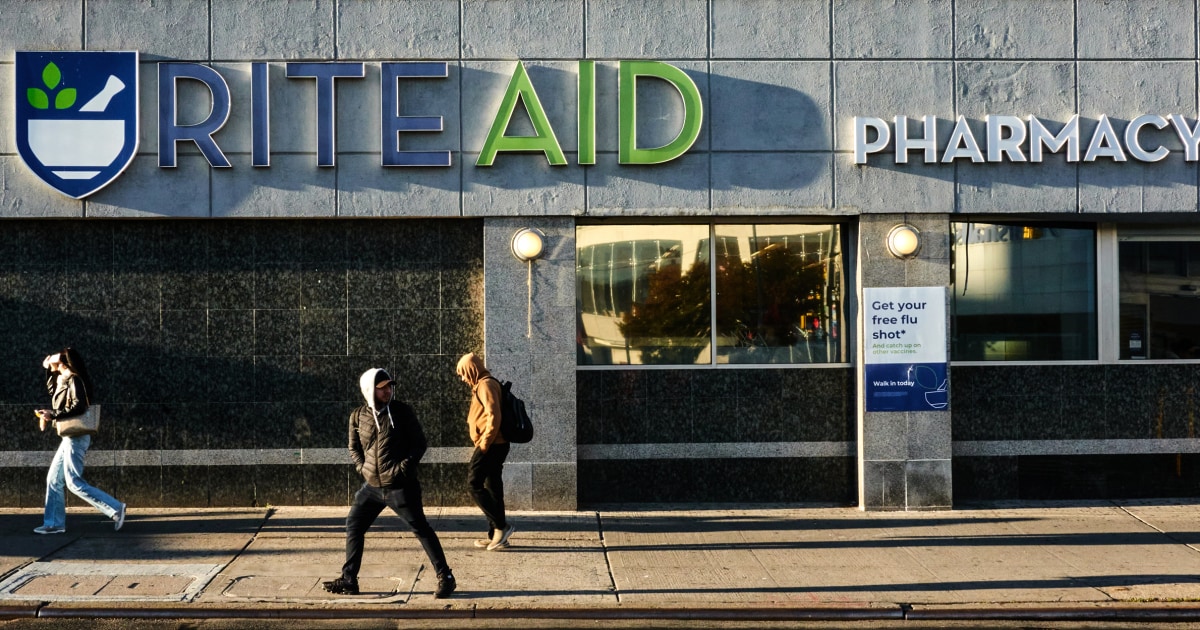
Rite Aid, once a major US pharmacy chain with 5,000 stores, has announced the closure of all its remaining stores following financial struggles, bankruptcy filings, and legal issues related to opioid distribution, contributing to concerns over increasing pharmacy deserts in the US.
Rite Aid, once a major U.S. pharmacy chain, has closed its final stores after multiple bankruptcies and failed recovery efforts, significantly reducing its footprint and raising concerns about access to pharmacies in underserved areas.
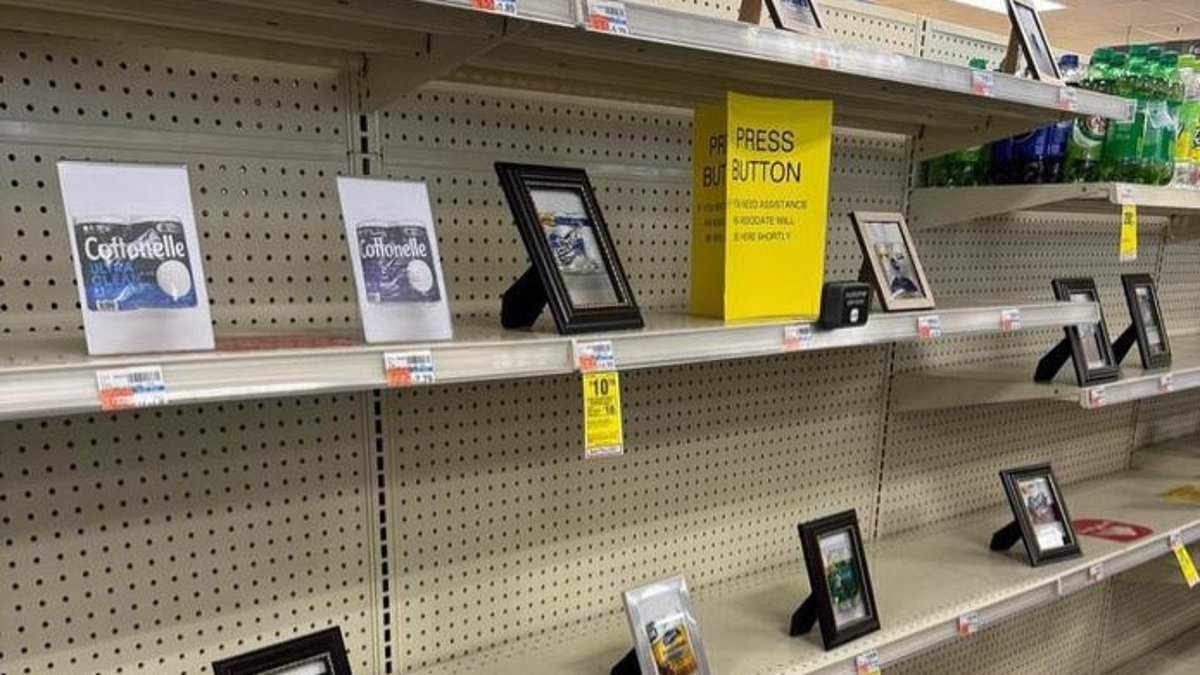
A CVS pharmacy in Washington DC has replaced most of its stock with framed photographs of items in an effort to combat rampant shoplifting, with customers having to request staff to fetch the products from storage. This move comes after a CVS store in DC was ransacked by teenage looters, and CVS, along with Rite Aid and Walgreens, is closing over 1,500 stores combined due to the shoplifting crisis. The National Retail Federation estimates that shoplifting costs the industry $112 billion annually. The closures will leave many Americans in "pharmacy deserts" without immediate access to medication.
Rite Aid, CVS, and Walgreens, the largest drugstore chains in the US, are closing over 1,500 stores, creating "pharmacy deserts" and leaving millions without access to healthcare. Rite Aid will close 150 locations after filing for bankruptcy, while CVS plans to close 900 stores by 2024 as part of their online strategy and to combat shoplifting. Walgreens will shutter 150 stores due to declining demand for Covid vaccines and tests. The closures disproportionately affect communities that rely on pharmacies the most. Solutions to address pharmacy deserts include prescription delivery, mail order, telepharmacy, and physician dispensing.
Rite Aid, the third-largest U.S. drugstore chain, is closing at least 154 stores as part of its bankruptcy process, with additional closures to be approved later. The company's struggle with debt and sluggish sales has led to negotiations with creditors over a plan to close 400 to 500 stores. The closures, particularly in states like Pennsylvania, California, and New York, pose challenges for people in poorer urban and rural areas who rely on these pharmacies for essential items and services, including vaccinations. The loss of pharmacies exacerbates the problem of "pharmacy deserts" in these communities, where access to healthcare resources is already limited.
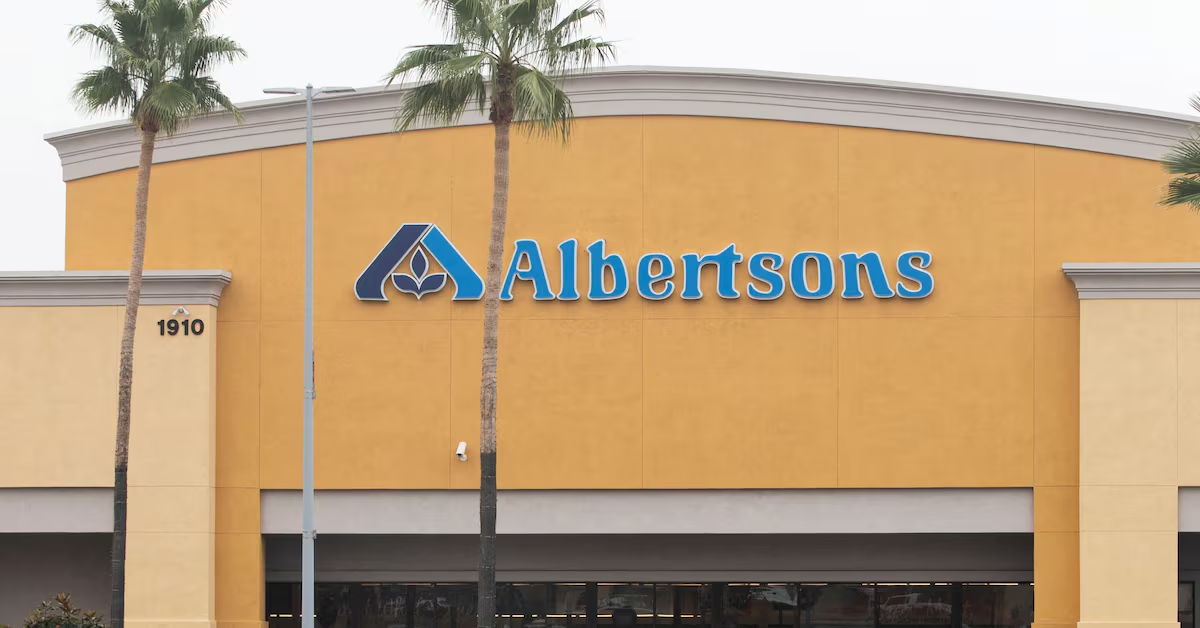
The California attorney general's office is investigating whether Kroger's planned acquisition of rival grocer Albertsons will result in limited access to pharmacies in poorer areas of the state, known as "pharmacy deserts." Research has shown that one in three neighborhoods in 30 major U.S. cities are considered pharmacy deserts, where residents have limited access to pharmacies. The attorney general's office is reviewing the acquisition for potential antitrust violations and has expressed concerns about the deal. The proposed merger would create a grocery chain with nearly 5,000 stores, but up to 650 stores may need to be sold to gain approval. Kroger has stated that it will operate the pharmacies in the acquired Albertsons stores. The Federal Trade Commission is also investigating the deal, and if a lawsuit is filed to halt the acquisition, it would align with the Biden administration's efforts to prevent deals that lead to higher prices.