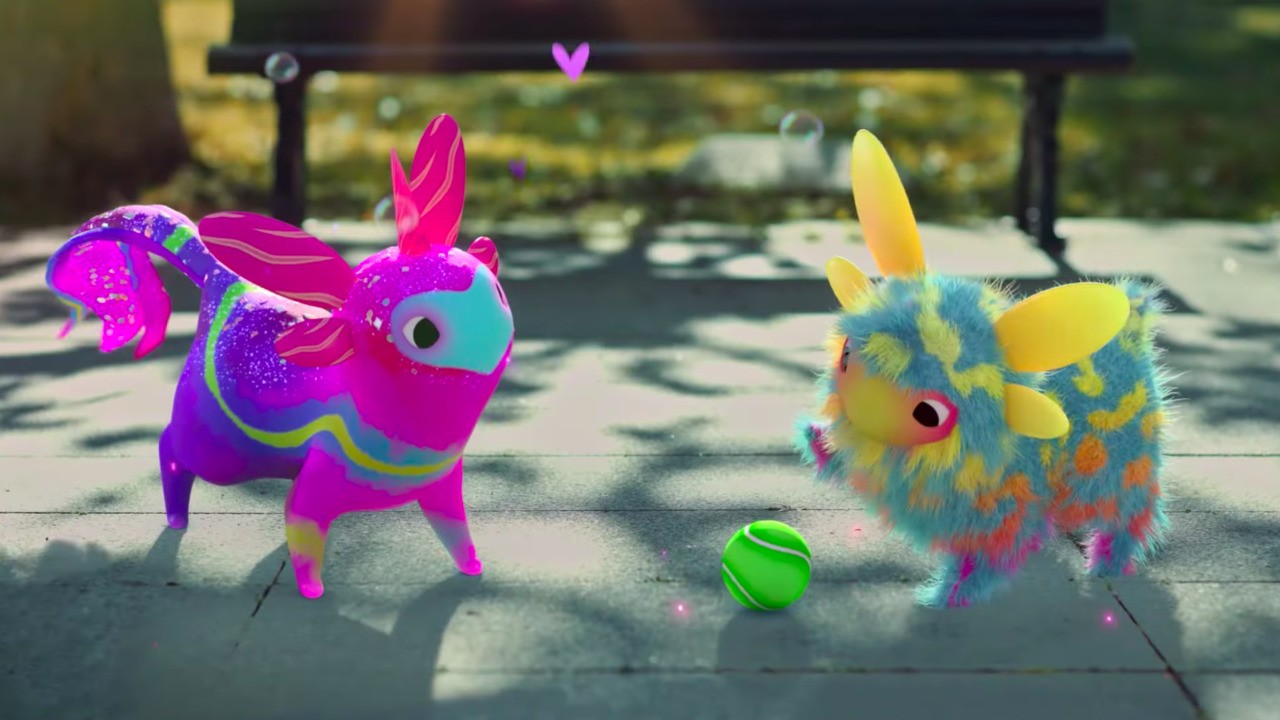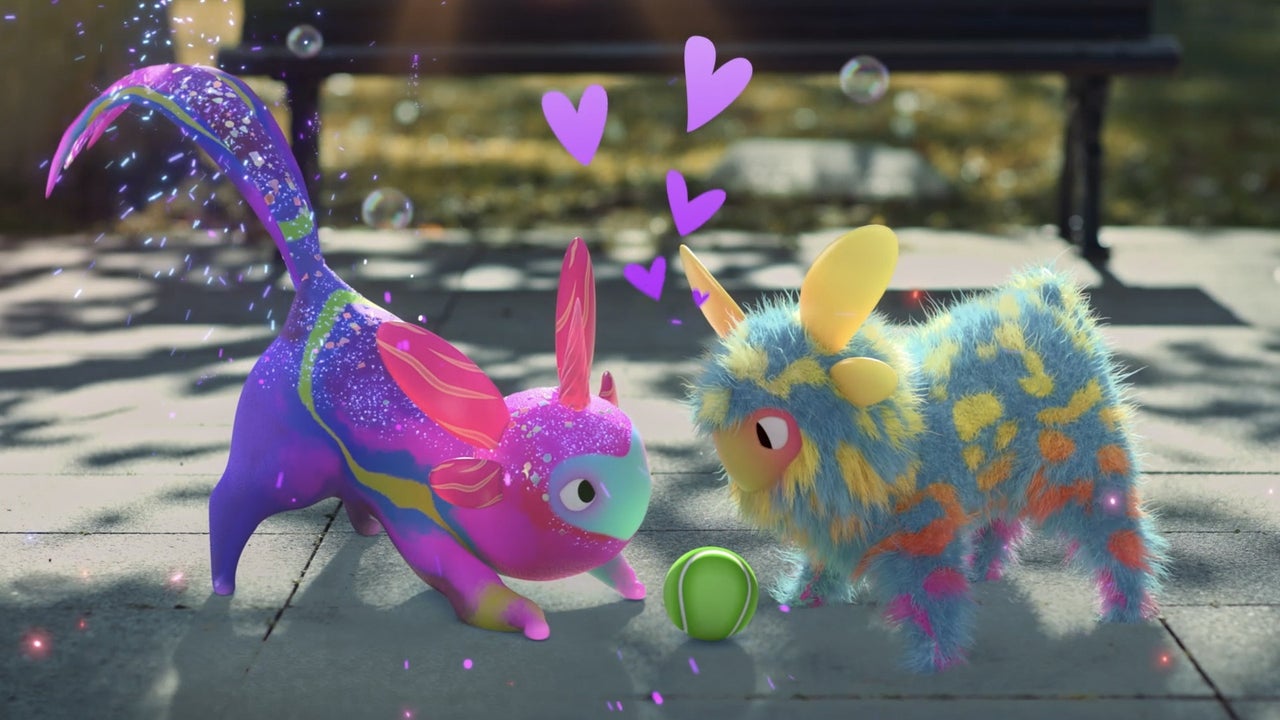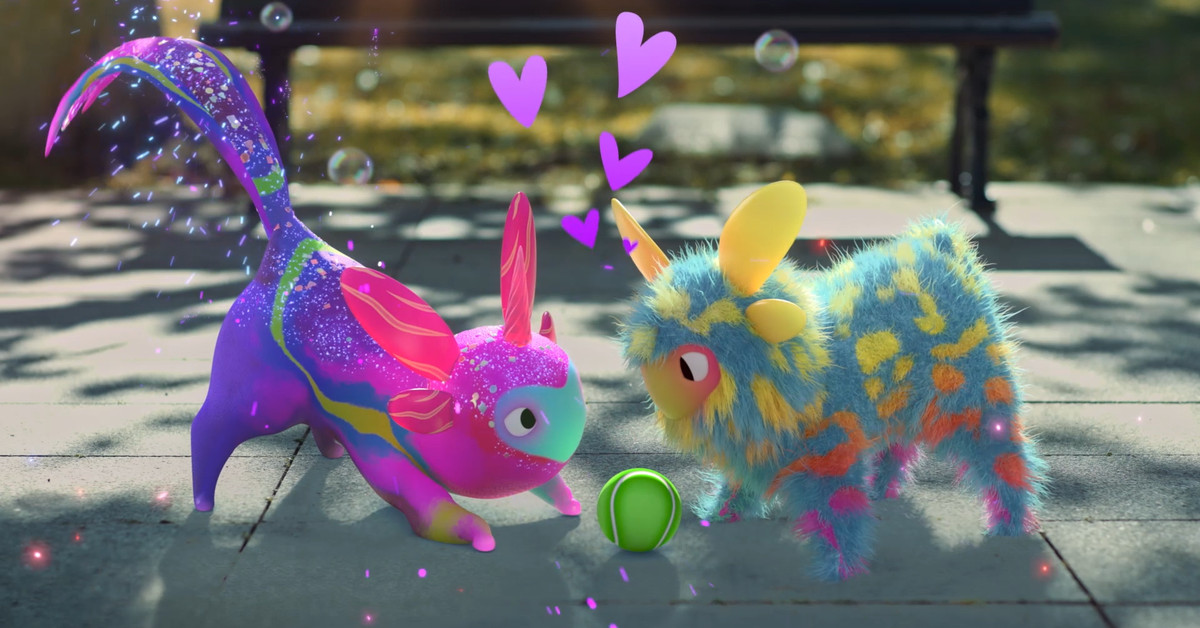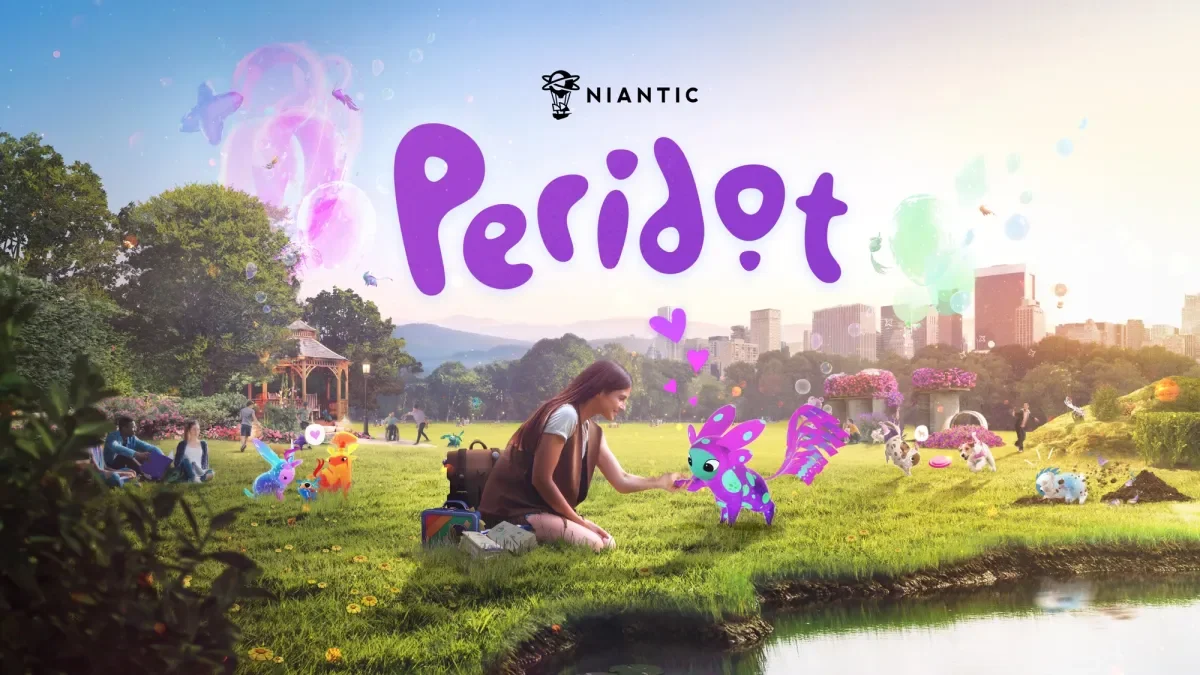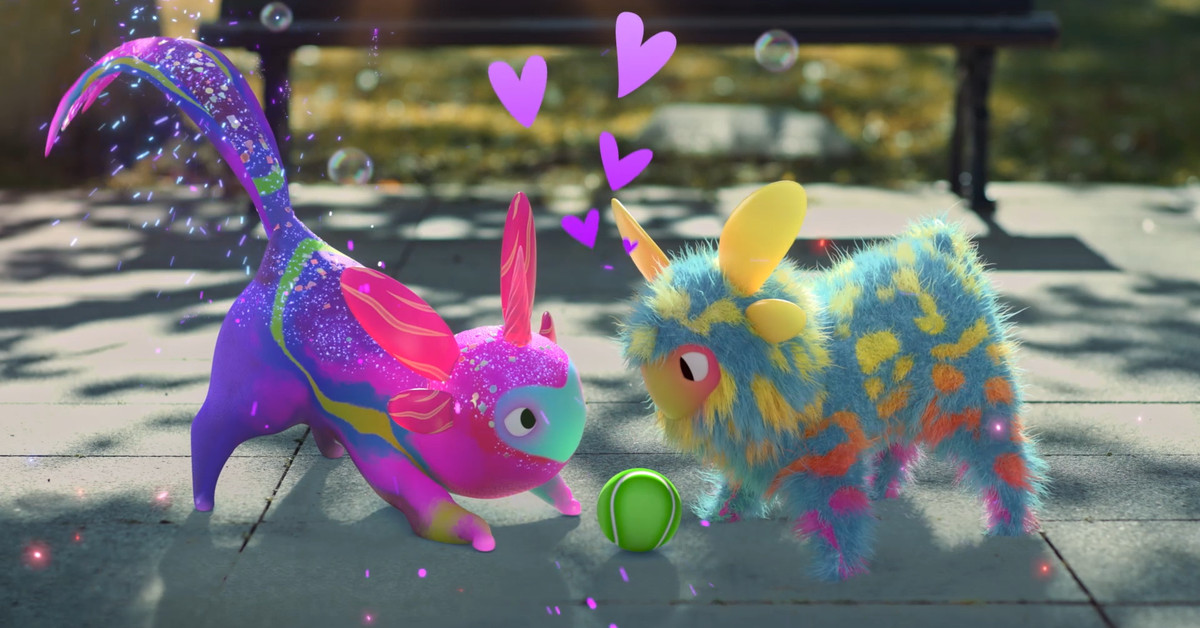
Niantic is using generative AI in its augmented reality pet game, Peridot, to make the game's pets, called Dots, behave more like real animals. The AI analyzes real-world objects captured in the game and converts them into words to be processed by a large language model. Each Dot has a personality profile, and the AI determines how a Dot with a specific personality would interact with the objects around it. Niantic hopes this use of AI will make the pets in Peridot more lifelike.
Pokemon Go players are reporting issues with their accounts after deleting their Peridot account, which is developed by Niantic. The problem seems to be caused by Niantic's unified account system, which links all accounts under one email address. Niantic has claimed that these reports are "misinformation," but fans are still calling for an official statement. Players should be cautious about linking their accounts to both Peridot and Pokemon Go.
Niantic, the developer behind Pokémon GO, has released its latest AR-based game, Peridot, which allows players to raise virtual pets and watch them interact with the real world through AR technology. The game features mini-games, daily walks, and the ability to hatch new generations of 100% genetically unique pets. Peridot is available for download on all app stores.
Niantic, the developer of Pokemon Go, has launched its first new IP in a decade, Peridot, an AR-based, location-based pet simulator game for iOS and Android. Players raise mythical creatures called Dots, which can be bred with other players' Dots to create new ones with unique DNA. Peridot uses Niantic's Lightship platform to allow Dots to dynamically interact with the real world, and the game is fully in AR. Peridot is free to play, but players need to pay $4.99 to hatch each new Dot. Niantic plans to release Peridot on future AR hardware, including wearable MR or AR glasses.
Niantic's new mobile game, Peridot, is a pet sim that uses augmented reality and machine learning to create a unique experience. Players interact with their Peridot pets, forage for food, and breed them with other players' pets. The game's AI technology allows the pets to understand and respond to the real world, making it a potentially groundbreaking AR experience. The game is available on iOS and Android and was released on May 9.
Niantic's new virtual pet game, Peridot, is a prototype for the future of AR glasses and headsets, and also the debut of Amazon Anywhere, a new shopping service. The game uses AR technology to map surroundings and recognize real-world objects, and has some AI to its personality. Amazon Anywhere adds a built-in store for real-life merchandise based on Peridot, and could be a possible foot in the door to immersive shopping in other games and AR. The game is free-to-play but full of optional paid microtransactions.
Niantic, the makers of Pokémon GO, have released a new mobile game called Peridot, which is a pet simulator that takes place completely within augmented reality. Players can feed, play, walk, breed, forage and socialize with their Peridots. The Peridot breeding system is paywalled, which limits the game for users who don't want to pay to play. Peridot is Niantic's only game with original IP since Ingress, its first game, which was released ten years ago.
Niantic's new augmented reality game, Peridot, is now available for download on the App Store. The Tamagotchi-style game allows users to raise virtual pets called Dots, which can be taken for walks in the real world to collect items and discover new places. The game syncs with the Health app to allow players to earn walking distance even when the app is closed. Peridot features a breeding mechanic that can unlock new Peridot archetypes, and raising a Peridot into an adult and leveling up unlocks new character traits that can be used for future pets.