DraftKings has become ESPN's official sportsbook provider after ESPN and Penn Entertainment ended their exclusive ESPN Bet deal early, which benefits DraftKings' stock. Disney's strategy for ESPN is evolving, with new integrations planned for 2026, while Penn focuses on its regional casinos and online gaming. The sports betting market remains competitive, with DraftKings and FanDuel holding significant shares, but concerns about competition and regulatory issues persist. Disney and Penn's stocks experienced mixed reactions following these developments.
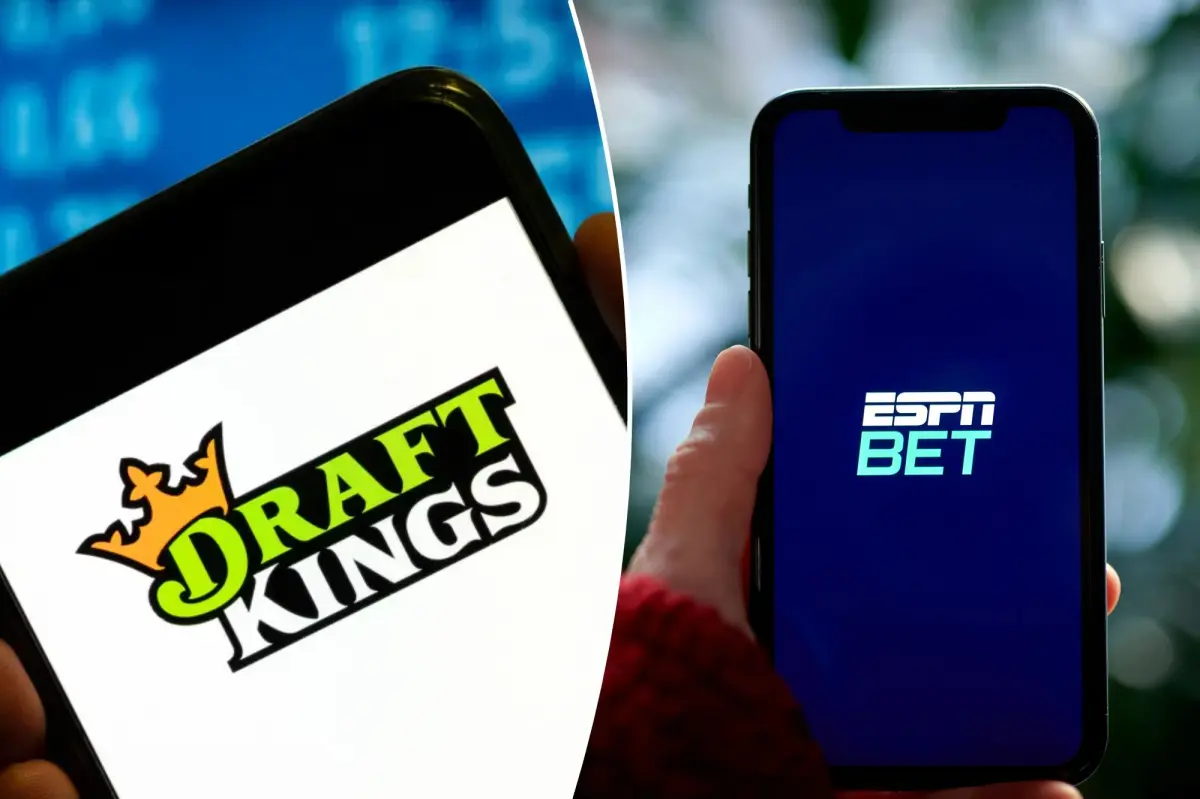
ESPN Bet is shutting down in December after Penn Entertainment ended its $1.5 billion 10-year deal, and ESPN will now partner with DraftKings Sportsbook, marking a significant shift in the sports betting industry and Penn's strategic focus.
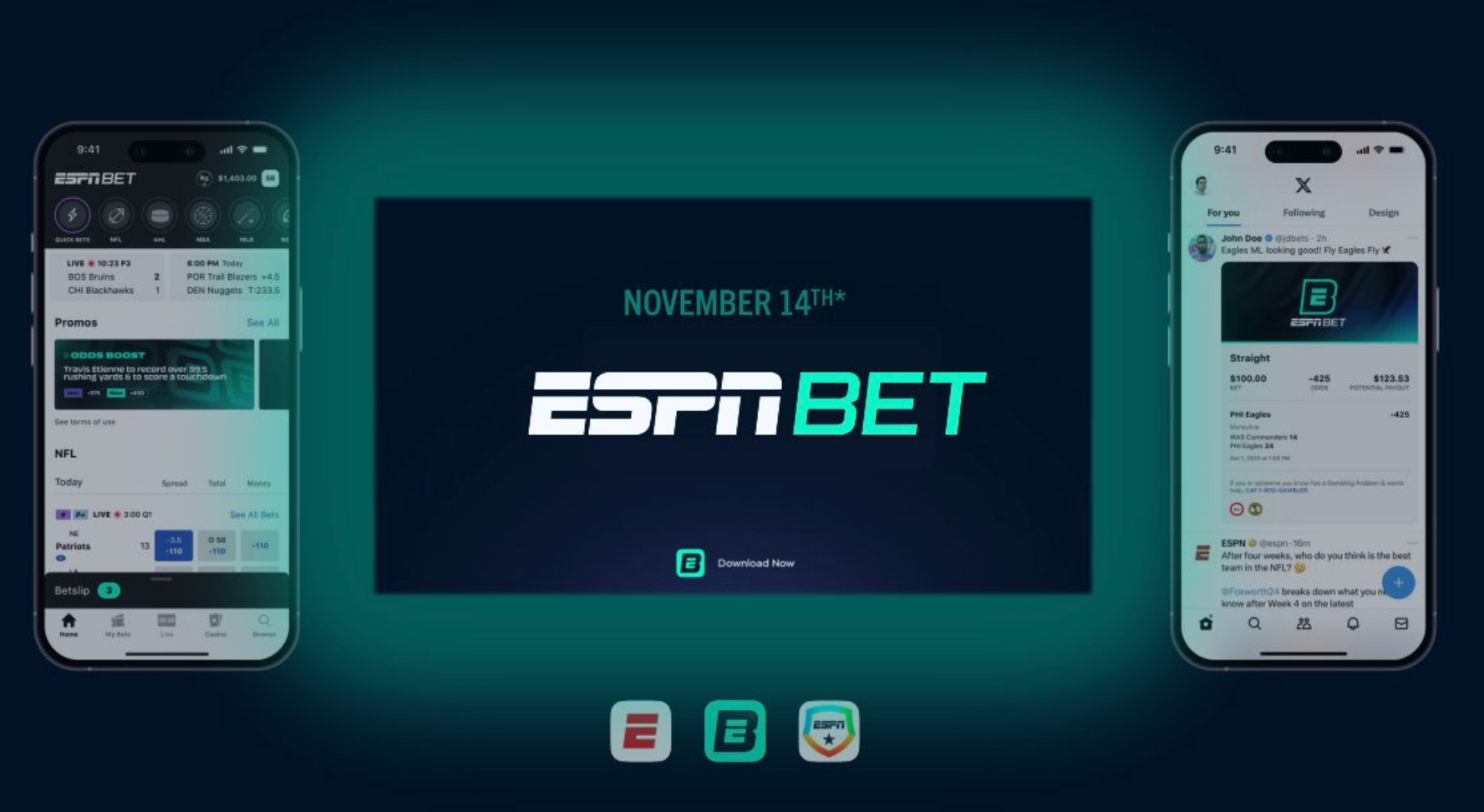
ESPN is shutting down its ESPN Bet app and ending its partnership with Penn Entertainment, instead integrating DraftKings' betting features into ESPN's platforms and revamped app, with full rollout expected in 2026.
ESPN is replacing its sports betting partner Penn Entertainment with DraftKings, making DraftKings the exclusive sportsbook provider for ESPN starting December, after ending its earlier 10-year deal with Penn two years early due to unmet market share goals and mutual agreement.
ESPN is shutting down its online sportsbook ESPN Bet by December 2025 following a partnership with Penn Entertainment, which will rebrand it as theScore Bet amid ongoing NBA gambling scandals and legal issues involving NBA players. The deal, worth $150 million annually, was terminated early, and ESPN is exploring other media opportunities, while Penn shifts focus to its iCasino business and rebranding efforts.
Penn Entertainment's ESPN Bet, which launched in November, saw significant success in terms of app downloads but suffered a substantial loss of $333.8 million in the fourth quarter of 2023 due to costs associated with the launch. This exceeded Wall Street's expectations, leading to a more than 15 percent drop in Penn's stock. Despite the losses, the company remains aggressive, aiming for ESPN Bet to break even by 2025 and projecting meaningful cash flow by 2026.
Penn Entertainment's stock plummeted 15.8% after reporting a disappointing fourth-quarter financial performance, marked by a significant revenue decline and a substantial loss. The company's struggles were attributed to the sale of Barstool, losses from relaunching an online betting business, and overall revenue decreases in key segments. With increasing competition in online gaming and challenges in regional markets, the company faces significant hurdles, prompting doubts about its future prospects.
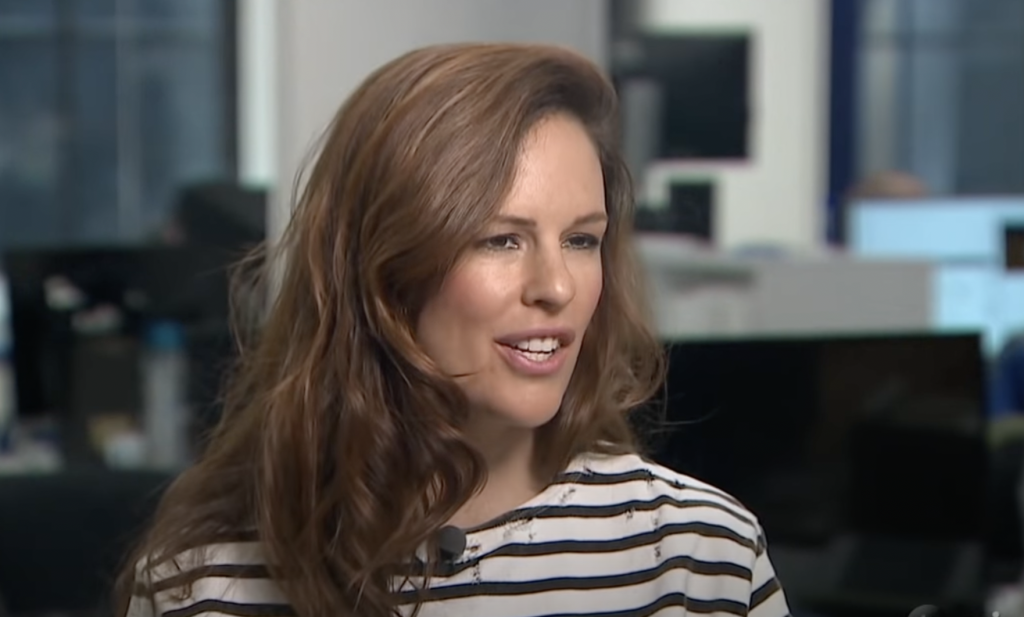
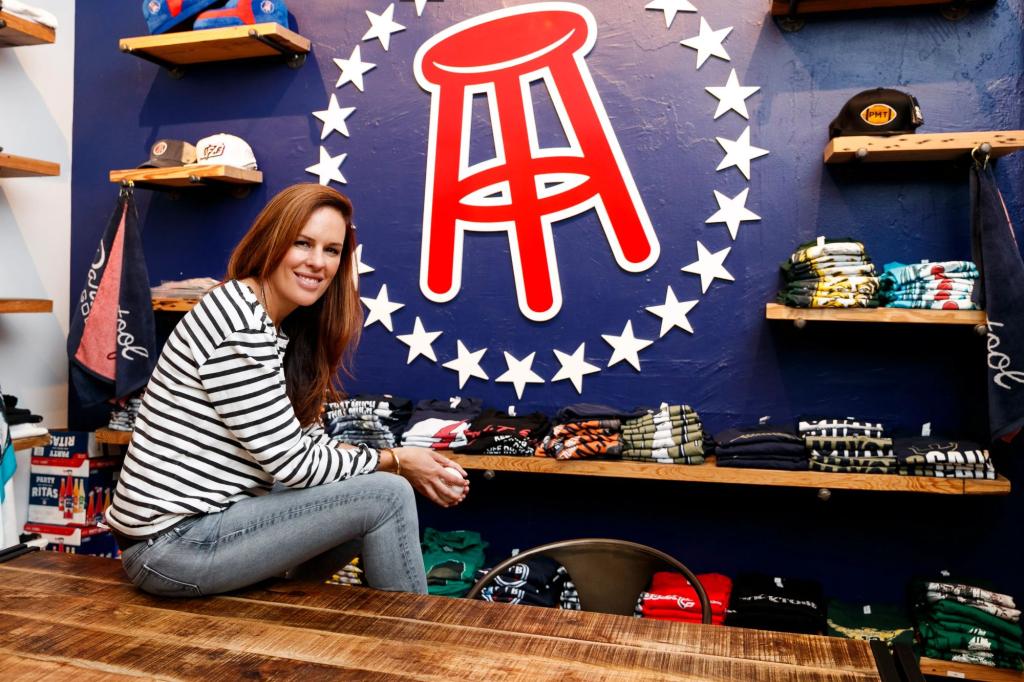
Barstool Sports CEO Erika Ayers Badan is leaving the company, confirming the news on social media. She has been the top executive since 2016 and played a key role in the company's growth and sale to Penn Entertainment. After being repurchased by founder Dave Portnoy, the company faced financial challenges and layoffs. Ayers Badan's departure leaves a void, and her next move will be closely watched, given her digital media background and high profile at Barstool.
Erika Ayers, also known as Erika Nardini, is leaving her position as CEO of Barstool Sports after leading the company through significant growth and acquisitions. Her departure comes after the company was acquired by PENN Entertainment for over $500 million and then sold back to founder Dave Portnoy for $1 due to regulatory issues. Ayers, a former AOL executive, played a key role in expanding the company's personnel, revenue, and relevance during her tenure.
AMC Entertainment shares rose 5% after completing an equity offering, while Yum China saw a 3% increase in premarket trading as it announced new financial targets and expansion plans. Etsy's stock gained 4% after being upgraded by Wolfe Research, citing rebounding consumer spending and margin improvement. Semtech's semiconductor stock rose 1% despite offering a lower-than-expected fiscal third-quarter forecast. Penn Entertainment climbed 3% following a short-term buy call from Deutsche Bank. Additionally, First Solar's stock rose 2% after being upgraded by BMO Capital Markets, and Exxon Mobil and Chevron gained about 1% each as oil prices reached their highest levels this year. HP's shares fell over 3% after Berkshire Hathaway sold a portion of its stake, and General Motors and Ford saw fractional increases in premarket trading amid the possibility of a strike if a contract agreement isn't reached.
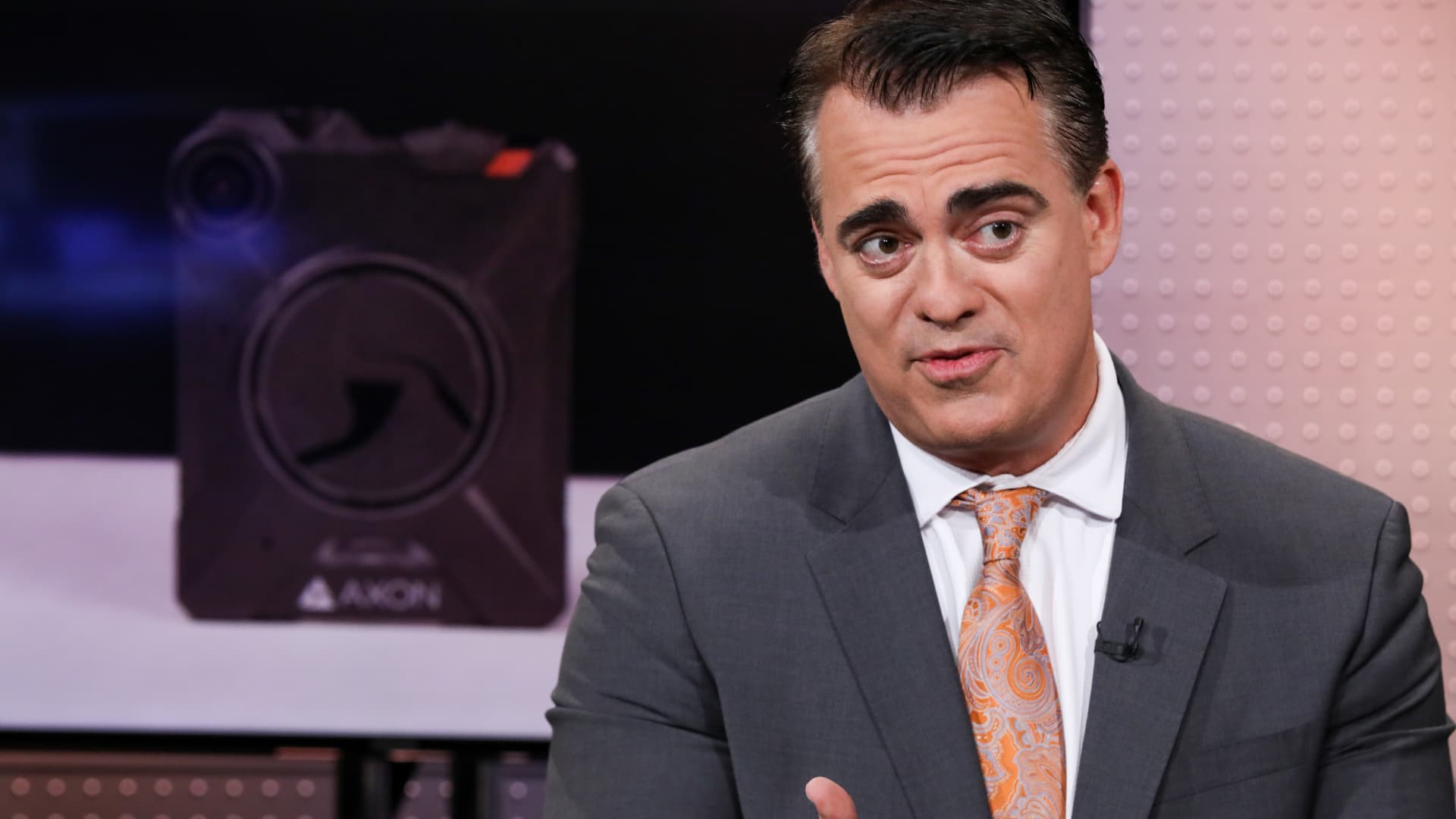
WeWork's stock plunged 25.7% after the company expressed doubt about its ability to continue operating due to weaker-than-expected membership rates, potentially leading to bankruptcy or debt restructuring. Carvana's stock rose 7.4% as the online used-car retailer expects higher adjusted EBITDA for the third quarter. Lyft's shares dropped nearly 6% after the ride-hailing company reported second-quarter earnings in line with estimates but beat expectations for adjusted per share earnings. Penn Entertainment saw a 15% increase in its stock price following a 10-year deal with Disney's ESPN to create a sports betting site, while Axon Enterprise's shares rose 13.8% after reporting better-than-expected earnings and revenue for the second quarter.
Casino owner PENN Entertainment has ended its partnership with Barstool and struck a $2 billion deal with ESPN to create ESPN Bet. The online Barstool Sportsbook will be rebranded as ESPN Bet, with ESPN talent promoting the betting service. PENN will make $1.5 billion in cash payments to ESPN over the next decade and grant ESPN around $500 million worth of its shares. In return, PENN secured exclusive rights to the ESPN Bet trademark for 10 years.
ESPN has signed a $2 billion deal with casino owner Penn Entertainment to launch ESPN Bet, a branded sportsbook, in the 16 states where Penn has sports betting licenses. The deal includes cash payments, warrants, and rights to the ESPN brand for 10 years. ESPN programs will promote the service, and some ESPN talent will be involved. In connection with the deal, Penn will sell Barstool Sports, which it acquired in 2020.
Dave Portnoy, the founder of Barstool Sports, has revealed that his contract with parent company Penn Entertainment is up in 20 months and he's unsure if he will renew. The acquisition of Barstool by Penn was finalized earlier this year for $551 million. Portnoy's departure could potentially make Barstool less of a lightning rod with state gambling regulators. Portnoy has expressed interest in doing a podcast or a pizza show on Netflix if he were to leave Barstool.