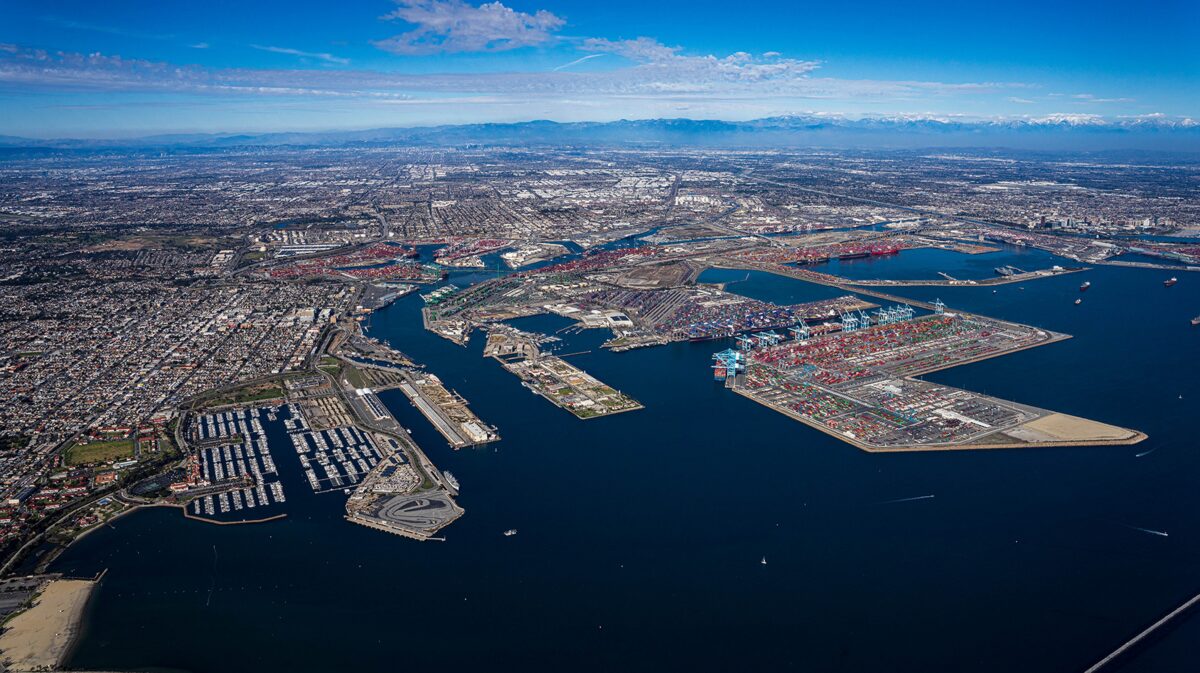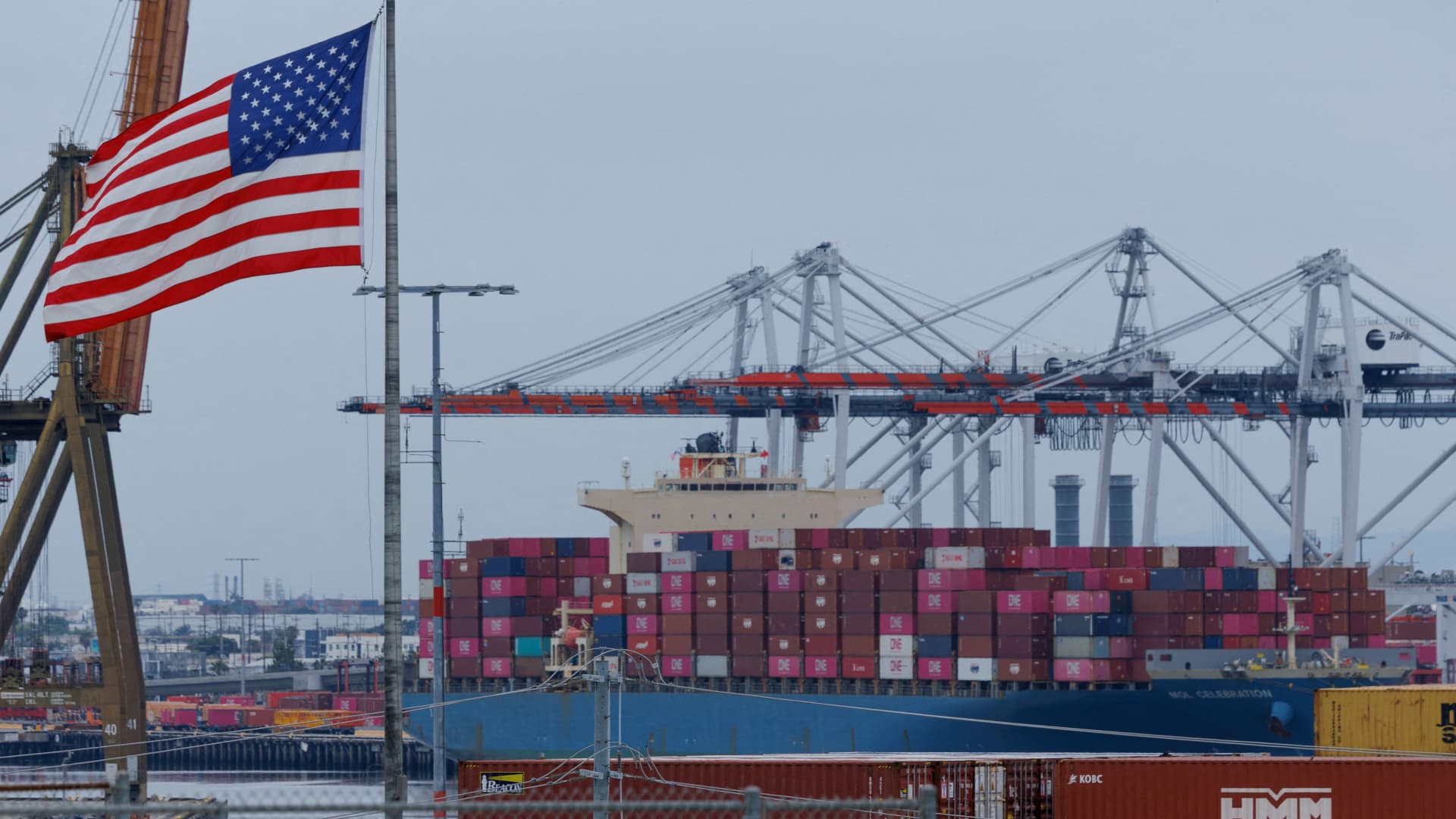
The Port of Los Angeles experienced a record-breaking July with over 1 million TEUs processed, driven by shippers frontloading Chinese goods ahead of tariffs, which caused an early and intense peak season. However, the surge has since declined as tariffs remain in effect, impacting retail and small importers, with a forecast of decreasing container ship arrivals in the coming weeks.

As travelers seek to save money without compromising their trips, "shoulder season" travel, booked between high and low seasons, is becoming increasingly popular, with some destinations experiencing longer high seasons and fewer distinct low seasons. However, as demand for travel remains strong even during off-peak times, the savings are diminishing. An analysis of hotel rates in five popular destinations revealed that traveling during shoulder seasons can still result in significant savings, particularly in the Maldives and Rome, where avoiding peak season can save hundreds or thousands of dollars in hotel charges alone.
The Pacific Maritime Association and the International Longshore and Warehouse Union have reached a tentative agreement on a new six-year contract, averting potential disruptions to the supply chain during peak season. The deal comes after months of negotiations and work disruptions affecting ship schedules and container dwell times. The agreement is subject to ratification by both parties, and no details have been released. The Port of Los Angeles is currently operating at about 70% of capacity, with volumes to the West Coast rising in line with pre-pandemic patterns.