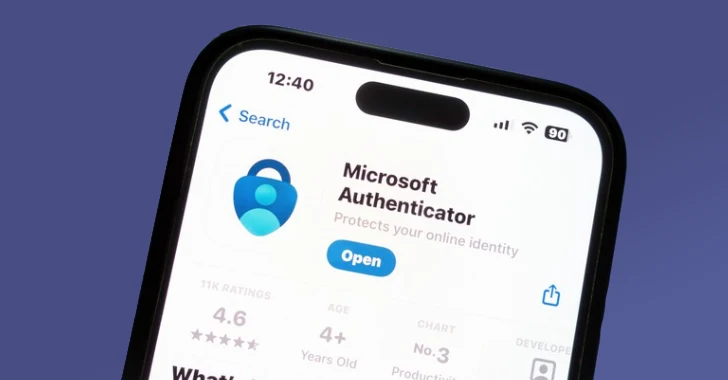
Microsoft will end support for passwords in its Authenticator app starting August 2025, shifting towards a passwordless future with technologies like passkeys and Windows Hello, encouraging users to switch to dedicated password managers for storing and autofilling passwords.
Microsoft is moving towards a passwordless future by promoting the use of passkeys, as password-related cyberattacks have surged by 200%. The company plans to eliminate passwords for a billion users, highlighting that passkeys offer faster and more secure sign-ins through biometric data or PINs, which are less vulnerable to phishing attacks. Despite the challenge of convincing the last 30-40% of users to adopt this change, Microsoft reports significant progress, with millions already deleting their passwords in favor of passkeys.
Microsoft is rolling out an update to Windows 11 that supports third-party passkey providers, moving towards a passwordless future. This update will allow users to choose third-party passkey options alongside the native Windows Hello feature, enhancing login security. The update is part of Microsoft's broader strategy to replace traditional passwords with more secure passkey systems, with gradual implementation expected in the coming months.
1Password and Google are advocating for the adoption of passkeys, a more secure and user-friendly alternative to traditional passwords. Passkeys, which are based on FIDO and WebAuthn standards, offer enhanced security by using a public-private key system that is resistant to phishing and hacking. Adoption of passkeys is growing, with 1Password reporting significant increases in usage among its users and major companies like Amazon and Walmart implementing them. Despite their advantages, widespread adoption is hindered by users' familiarity with passwords, necessitating public education on passkey benefits.
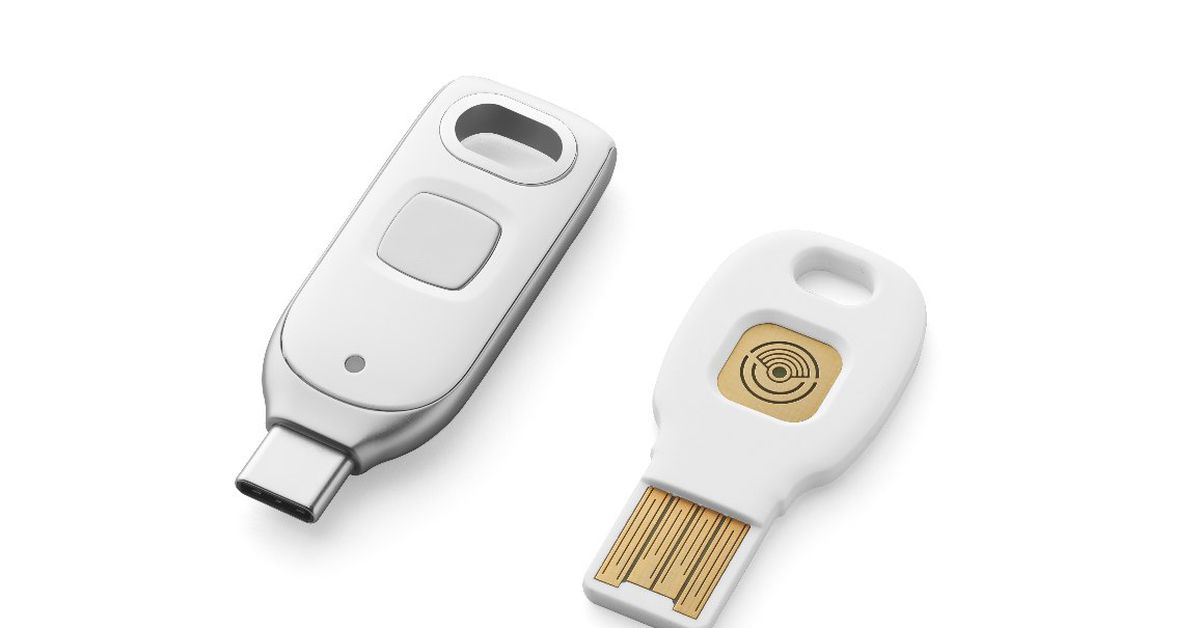
Google has released two new versions of its Titan Security Key, featuring USB-C and USB-A connections, as well as NFC support. These keys are compatible with FIDO2 and can serve as two-factor authentication security for various online accounts. With the ability to hold over 250 unique passkeys, they offer a passwordless solution that goes beyond traditional two-factor technologies by using cryptography to verify the legitimacy of the key and protect against phishing attacks. Users can authenticate by connecting the key and verifying with a PIN, eliminating the need for passwords.
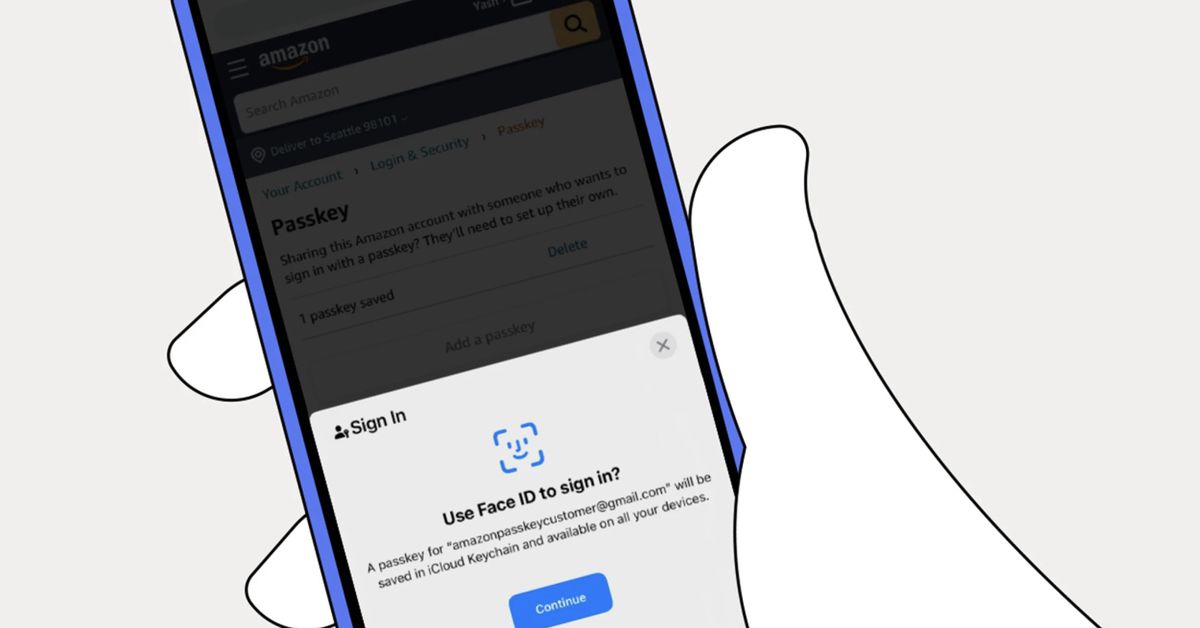
Amazon has joined the passwordless movement by introducing passkeys as an alternative to traditional passwords. Passkeys allow users to log in to their Amazon accounts using biometric authentication, such as fingerprint or face scan, instead of a password. While switching to passkeys is not mandatory, users can set up their Amazon passkey by going to their Account page and selecting Login & Security. Passkeys are considered more secure and convenient than passwords, and Amazon plans to expand passkey support to other apps in the future.
Amazon is introducing passkey support for its online site and mobile shopping apps, allowing customers to log in using their device's biometrics without the need for a password or two-factor authentication. Passkeys, built on WebAuthn technology, generate two different keys: one stored by the website or service and a private key stored on the user's device. Passkeys can be enabled through Amazon's website or iOS app, with Android support coming soon. This move follows a trend of companies adopting passwordless authentication methods, although passwords are still retained by most companies for the time being.
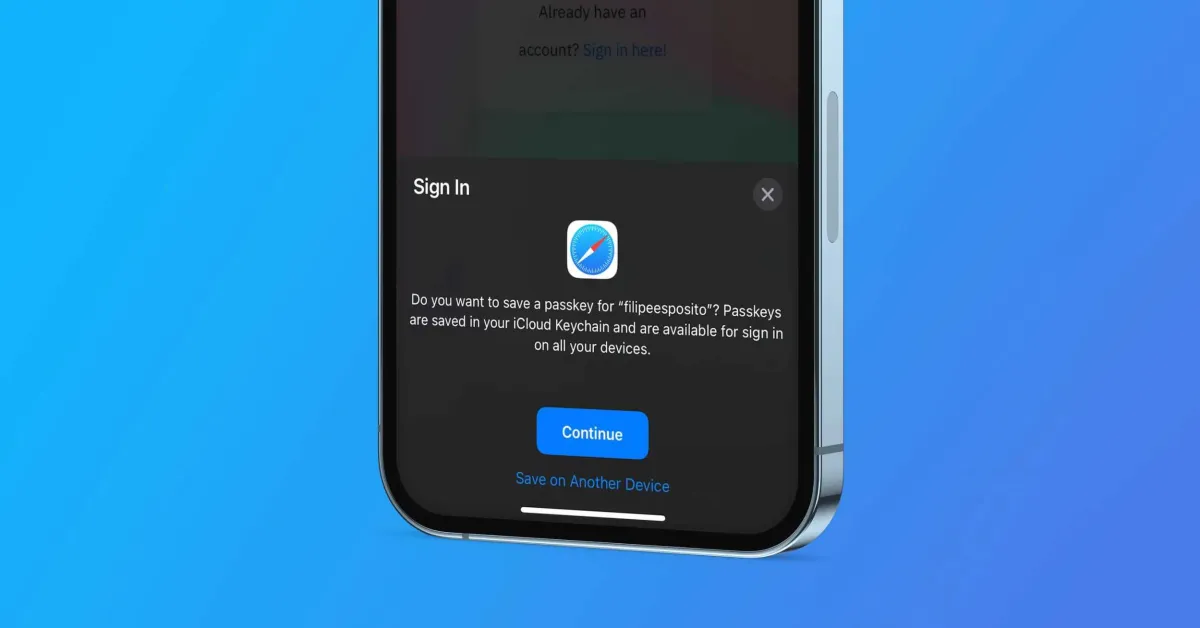
LinkedIn and X (formerly Twitter) are reportedly working on passkey support, following the trend of apps and services moving away from traditional passwords. Passkeys, based on FIDO Alliance and W3C standards, replace passwords with cryptographic key pairs, improving security. Apple is involved in the development of passkeys, with iOS 17 and macOS 14 Sonoma generating Apple ID passkeys for iCloud.com and Apple.com. TikTok and WhatsApp also have plans to adopt passkey support.
A survey conducted among attendees of Black Hat USA 2023 reveals that 54% consider passwordless authentication a viable concept, while 79% believe that passwords are evolving or becoming obsolete. The majority of respondents use additional authentication methods such as multi-factor authentication (73%), authenticator apps (57%), and biometrics (40%) to protect their passwords. Furthermore, 52% use a password manager, 34% use a privileged access management (PAM) solution, and 21% are already using passkeys. The survey highlights the importance of moving beyond passwords, as 75% of respondents acknowledge that social engineering and stolen identities/passwords are the fastest ways to access a network. Only 12% believe that organizations are ahead of nation-states and cybercriminals in terms of cybersecurity, and opinions on the threat of artificial intelligence (AI) programs vary.
Microsoft is introducing a built-in passkey manager for Windows Hello in Windows 11 to enhance security and user experience. Passkeys are unique codes linked to specific devices that allow users to log in to websites and applications using personal identification numbers or biometric authentication. Passkeys provide protection against phishing attacks and eliminate the need to remember and manage multiple passwords. Users can create and manage passkeys using the new passkey management dialog integrated into the Windows settings. Passkeys are phish-resistant, recoverable, and faster for users, making them a more secure and convenient alternative to passwords.
Google has launched an open beta for passkeys on Workspace accounts, allowing users to sign in using their device's own authentication instead of traditional passwords. Passkeys are based on public key cryptographic protocols, making them more secure against phishing attacks. While passkeys are not yet replacing passwords entirely, adoption has been steady, with support from platforms like Apple and Microsoft and password managers like Dashlane and 1Password.
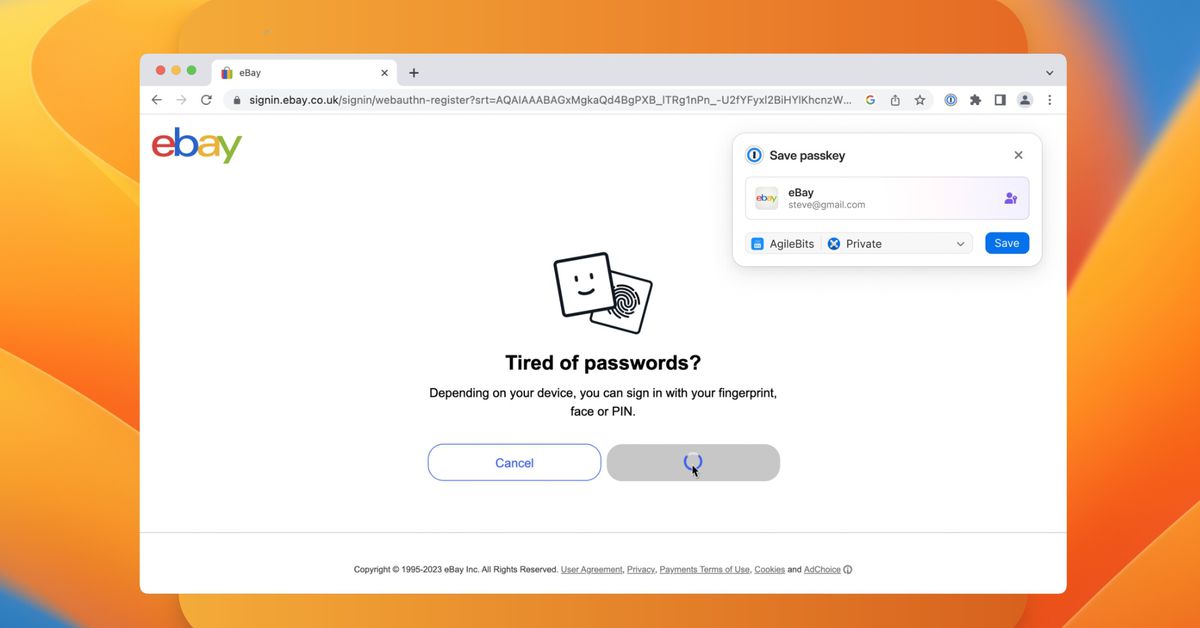
1Password is launching an open beta for passkey management on June 6th, allowing users to save and manage their passkeys, a biometric-based login technology that replaces passwords and verification systems. Passkeys use public key cryptography and a device's own authentication, such as fingerprint or facial recognition, to sign into apps and services. The technology was developed by the FIDO Alliance and provides better protection against hacking and phishing attacks. While passkey support is not yet widely adopted, 1Password's cross-platform syncing and directory of supported sites and apps make it a convenient option for users.
Google has introduced passwordless accounts with the use of "passkeys" which are easier to use and more secure than traditional passwords. Passkeys are currently available on Google accounts and will soon be available on other platforms. The article provides a primer on how to use passkeys on different devices and explains the technical underpinnings that make them more effective in protecting against account takeovers.
Google now officially supports passkey sign-ins for personal Google accounts, which can replace traditional passwords. Passkeys are resistant to online attacks like phishing and are more secure than SMS one-time codes. Passkeys are unique cryptographic keys bound to a device, and no password data is ever exchanged, denying hackers a chance to steal the login method. However, for now, Google only supports passkeys on Chrome, Edge, and Safari, and passkey implementations can get messy.
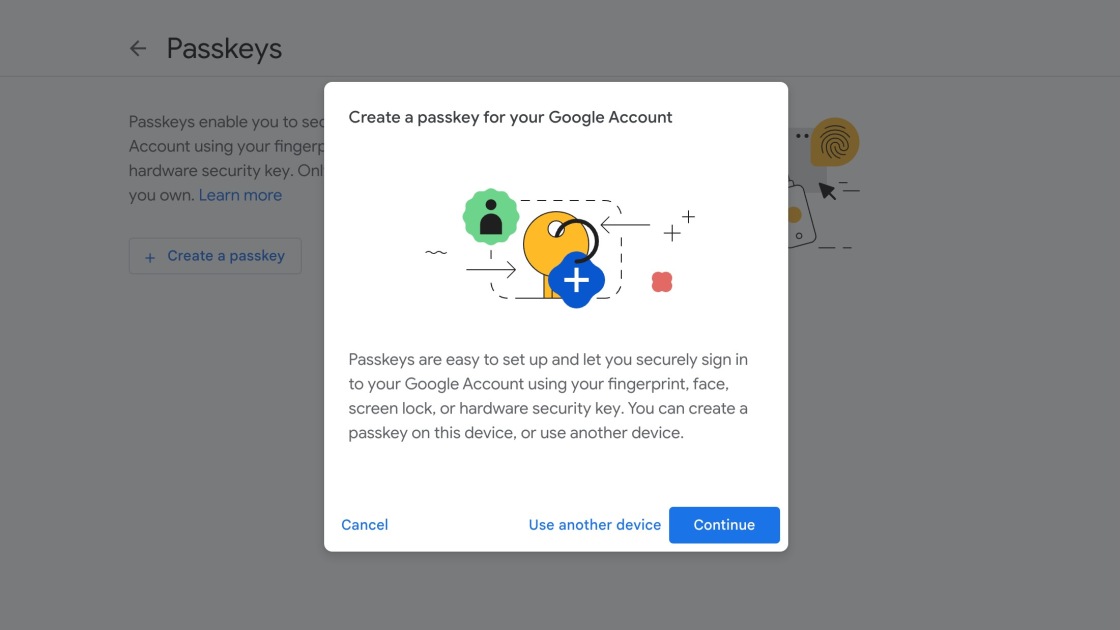
Google has introduced passkeys, a new cryptographic keys solution that allows users to sign in to their Google accounts without passwords or two-step verification codes. Passkeys can be a local PIN or a device's biometric authentication, such as a fingerprint or Face ID, and are stored only on the user's devices, providing greater security. Google accounts will prompt for a passkey when signing in or detecting suspicious activity. Passkeys can be shared to other devices and immediately revoked if lost or compromised. Google's passkey support is expected to accelerate the adoption of passwordless authentication.