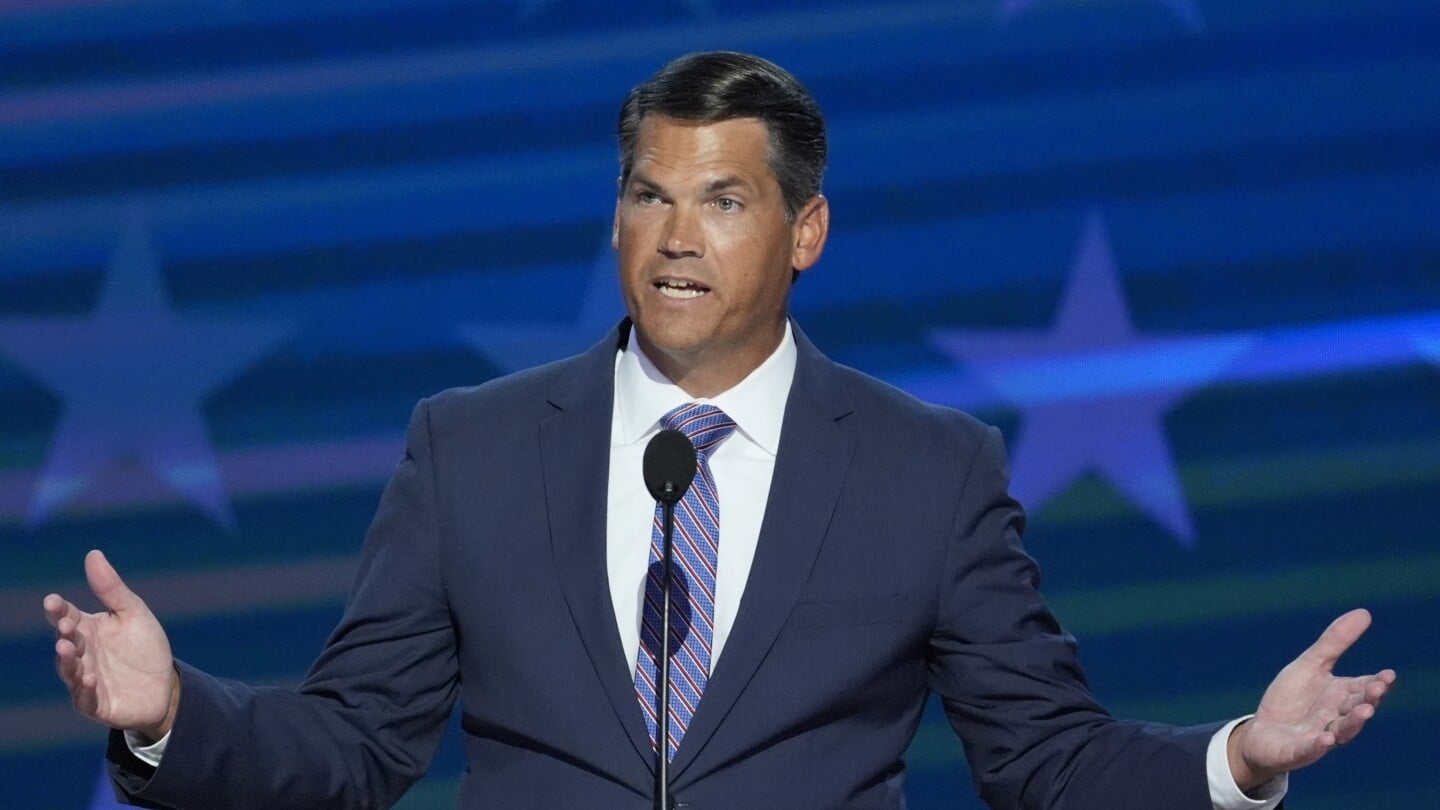
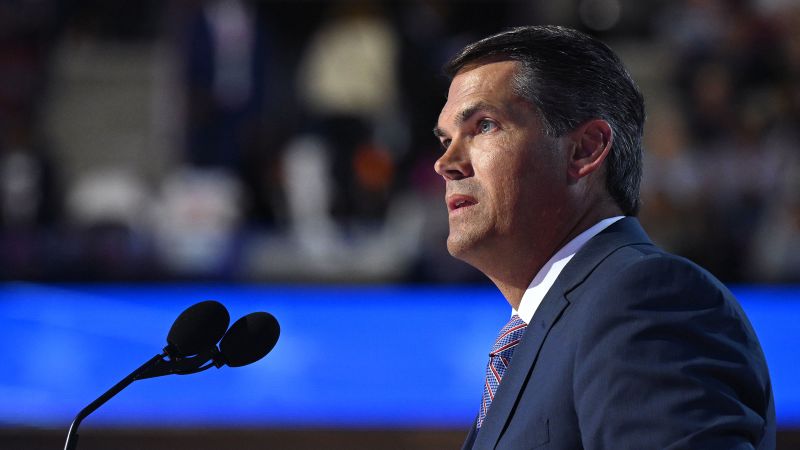
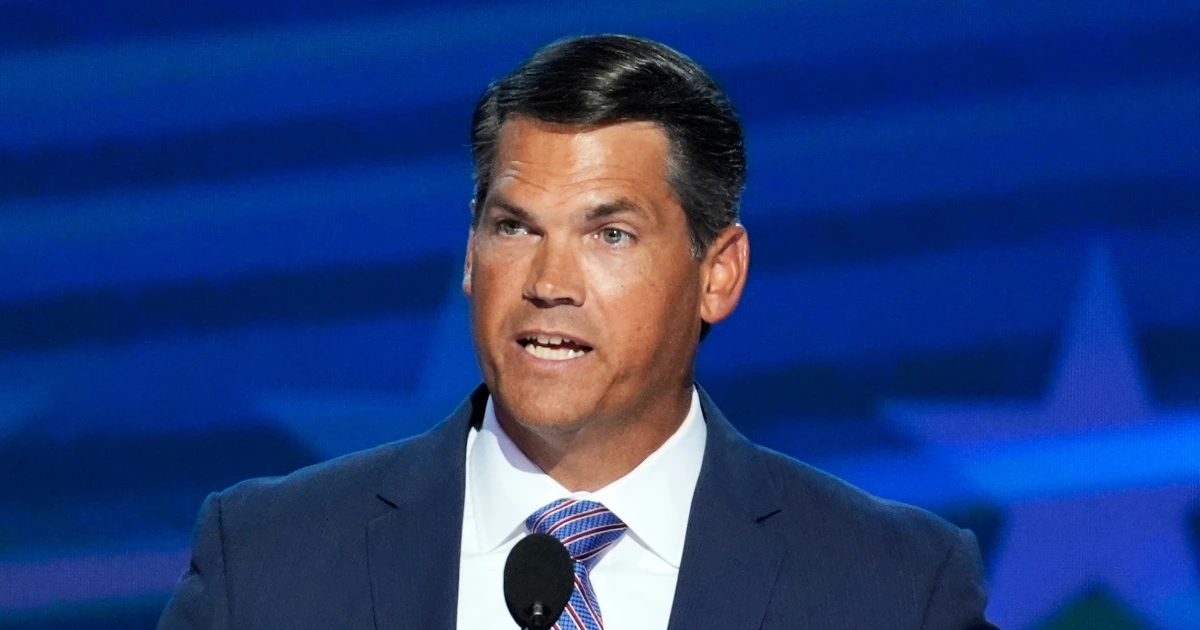
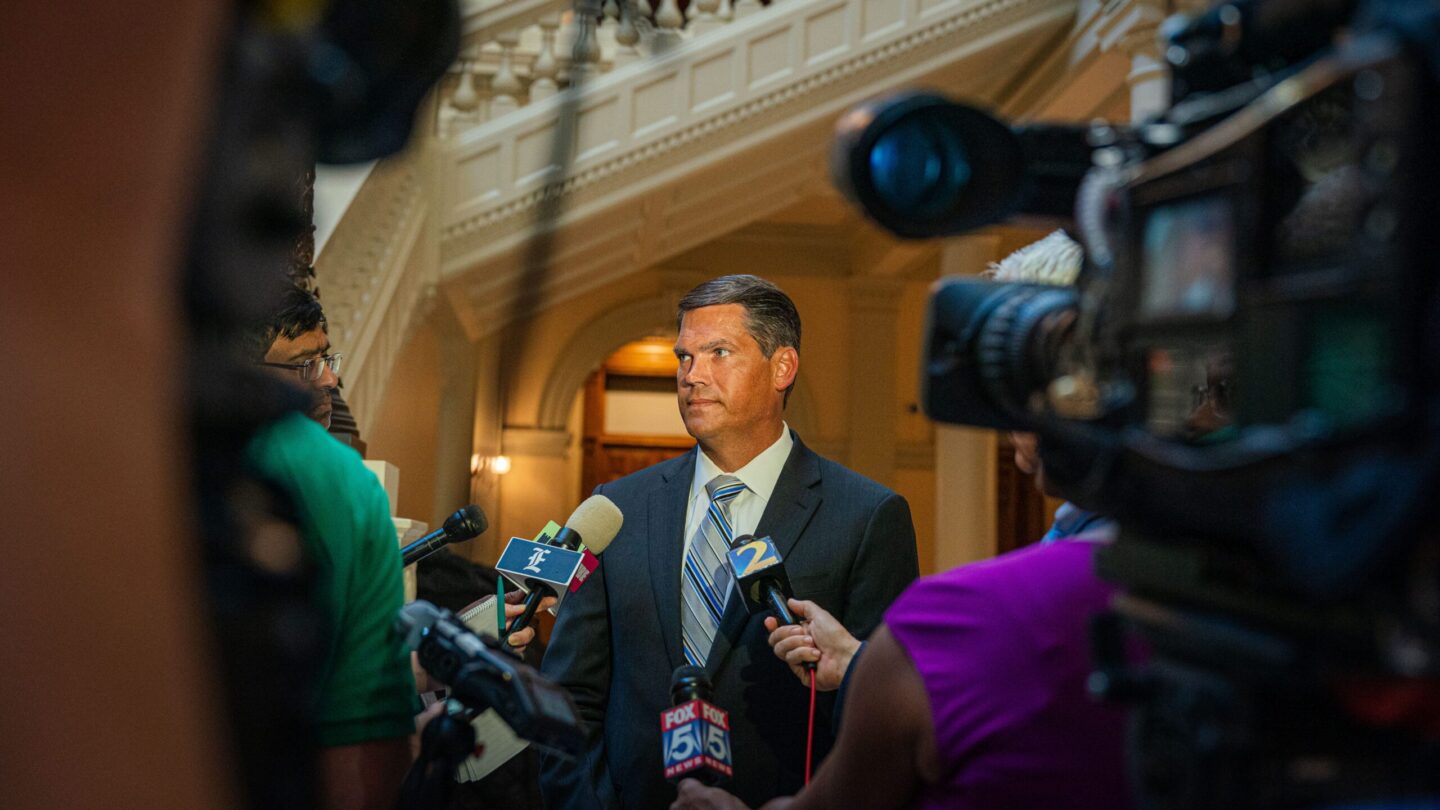
Former Republican Lt. Gov. Geoff Duncan has announced his run for Georgia governor as a Democrat, citing his opposition to Trump and party changes, and aims to appeal to moderates and disaffected voters in a competitive Democratic primary.
Former Republican Lieutenant Governor of Georgia, Geoff Duncan, announced he will run for governor as a Democrat in 2026, marking a significant party switch amid a competitive political landscape in the state.
Former Georgia Republican Lt. Gov. Geoff Duncan has switched to the Democratic Party and announced his run for governor, positioning himself as a challenger to Trump and focusing on issues like healthcare and democracy in a competitive battleground state.
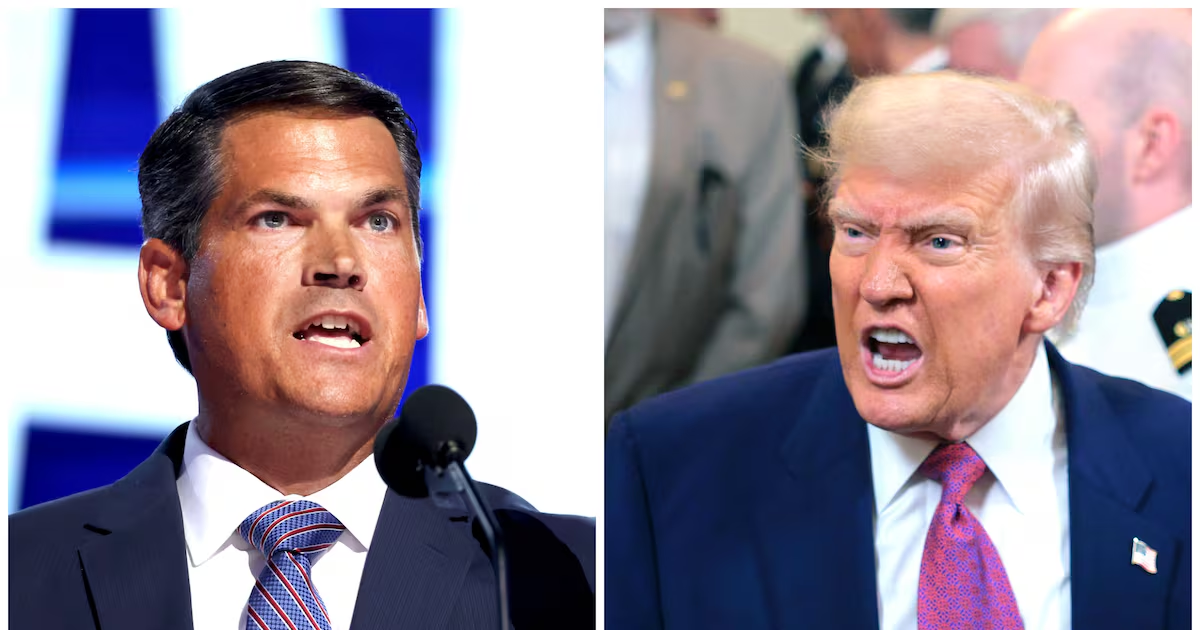
Former Georgia Lieutenant Governor Geoff Duncan switched from Republican to Democrat, criticizing the GOP's policies and Trump’s influence, and was publicly denounced by Trump on social media. Duncan's move reflects a broader trend of party realignment in the U.S., with Democrats gaining ground in party affiliation.
Former Georgia Lieutenant Governor Geoff Duncan, who left the Republican Party and became a Democrat after criticizing Trump and the 2020 election results, was publicly attacked by Trump in a late-night social media post, highlighting ongoing political tensions and potential future campaigns.
Former Georgia Lt. Governor Geoff Duncan, who was raised Republican, has switched to the Democratic Party citing disagreements over gun policies, political polarization, and his opposition to Trump’s claims about the 2020 election, and he is considering running for office again.
Former GOP congressman David Jolly announced his run for Florida governor as a Democrat, citing his opposition to Trump and the Republican Party's culture wars, aiming to challenge the state's shifting political landscape and current GOP candidates.
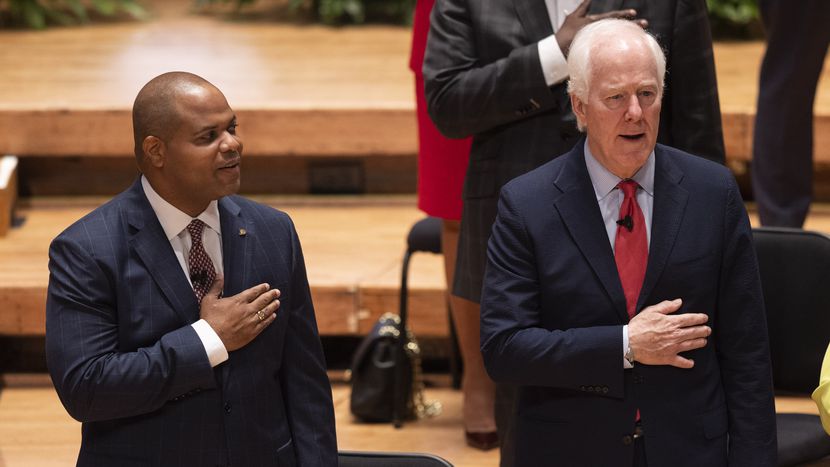
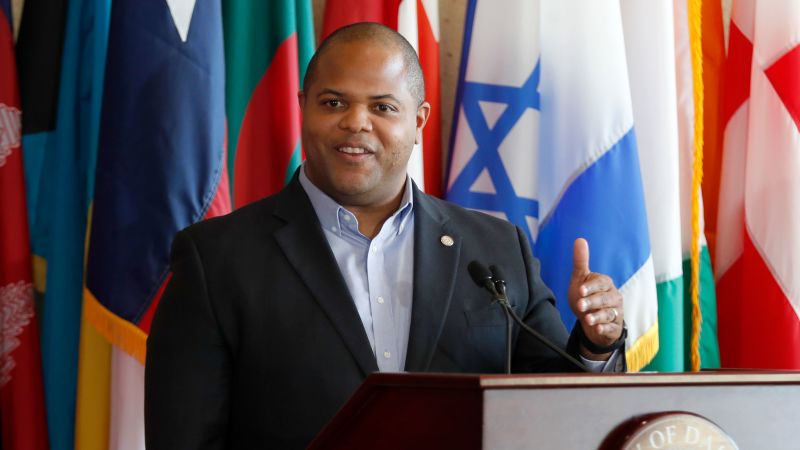
Dallas Mayor Eric Johnson's switch to the Republican Party is seen as a strategic move to position himself as a future Republican candidate for statewide office in Texas. While it may give him an easier path to higher office, he will still face challenges appealing to the GOP's conservative base. Johnson's record as a Democrat, including support for women's reproductive rights and COVID-19 restrictions, may hinder his viability in a Republican primary. However, his switch has drawn praise from leading Republicans, who see him as a symbol of conservative leadership in urban areas. Democrats view his departure as a disappointment and a reflection of the Republican Party's efforts to court Black voters.
Dallas Mayor Eric Johnson, who previously served as a Democrat in the Texas legislature, announced that he is switching parties and will now be a Republican-affiliated mayor. Johnson criticized Democratic policies in an op-ed, blaming them for increased crime and homelessness. He emphasized the importance of championing law and order and practicing fiscal conservatism in urban centers. Johnson's decision makes him the only Republican among the mayors of the 10 most populous cities in the US. The Texas Democratic Party accused him of being dishonest with voters, while Texas Republican Governor Greg Abbott welcomed his party switch.
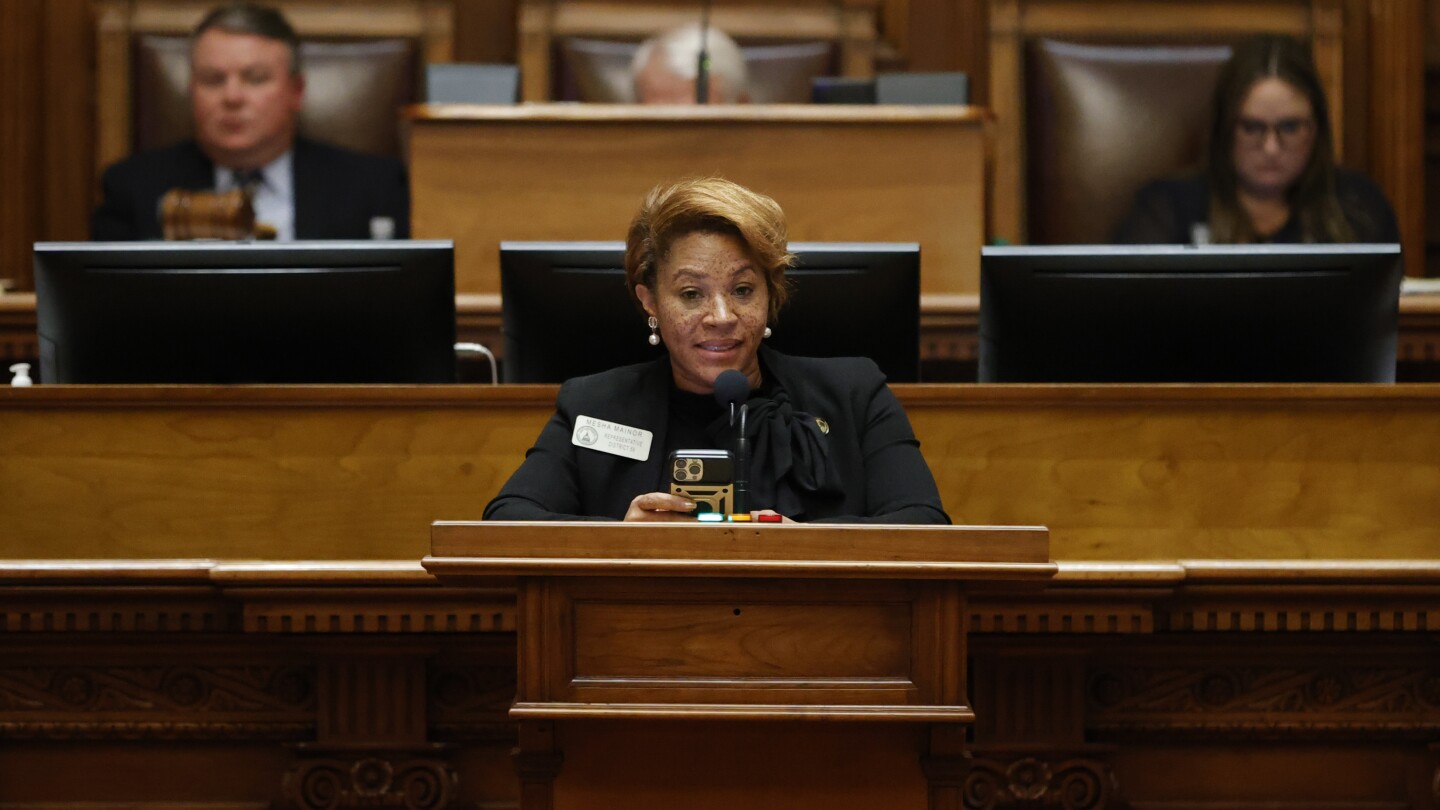
Georgia state legislator Mesha Mainor, a Democrat from Atlanta, has switched to the Republican Party, becoming the only Black member of the GOP among Georgia's 236 state lawmakers and the first Black Republican woman to serve in the Georgia General Assembly. Mainor cited disagreements with Democrats over issues such as school vouchers and disciplining prosecutors as reasons for her switch. She also accused legislative Democrats of sabotaging her work and publicly slandering her. Mainor's defection gives Republicans a 102-78 edge in the House.
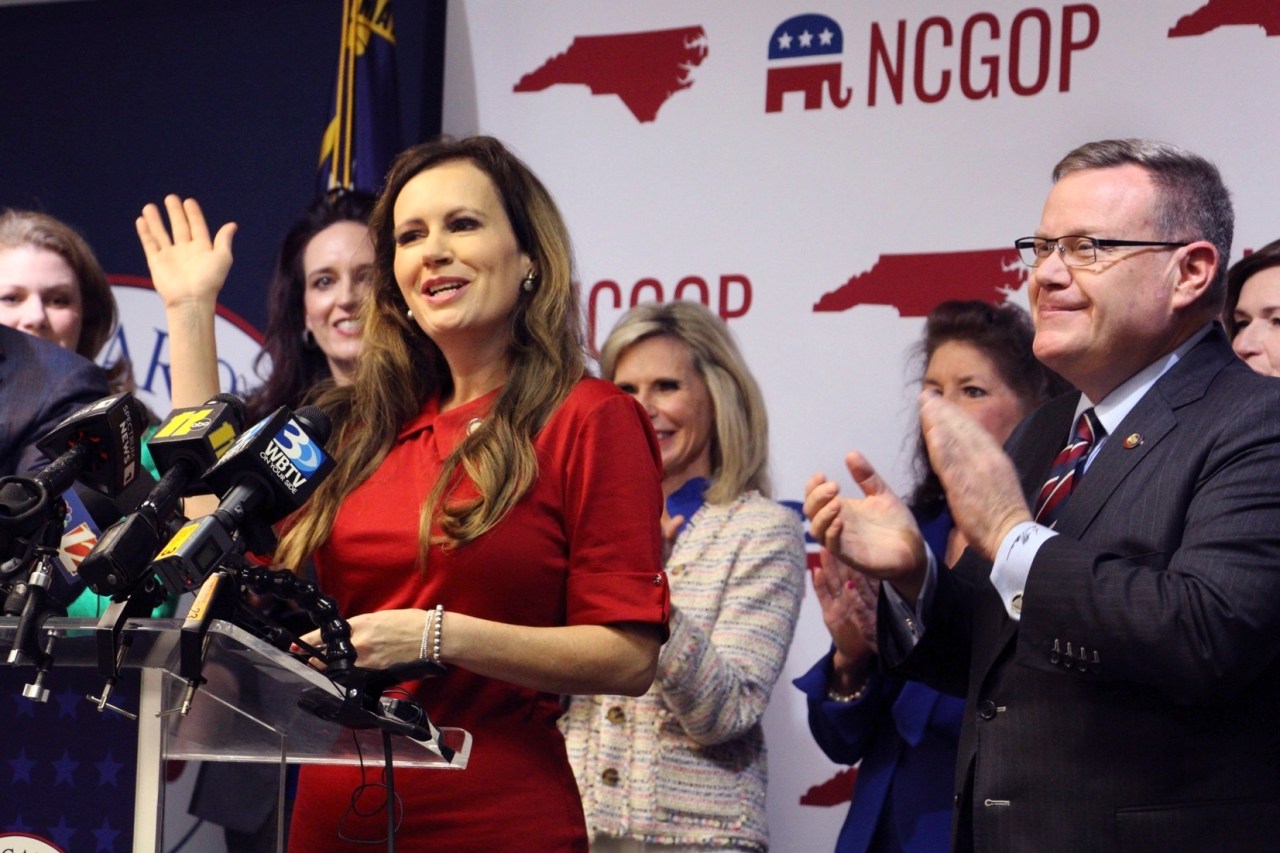
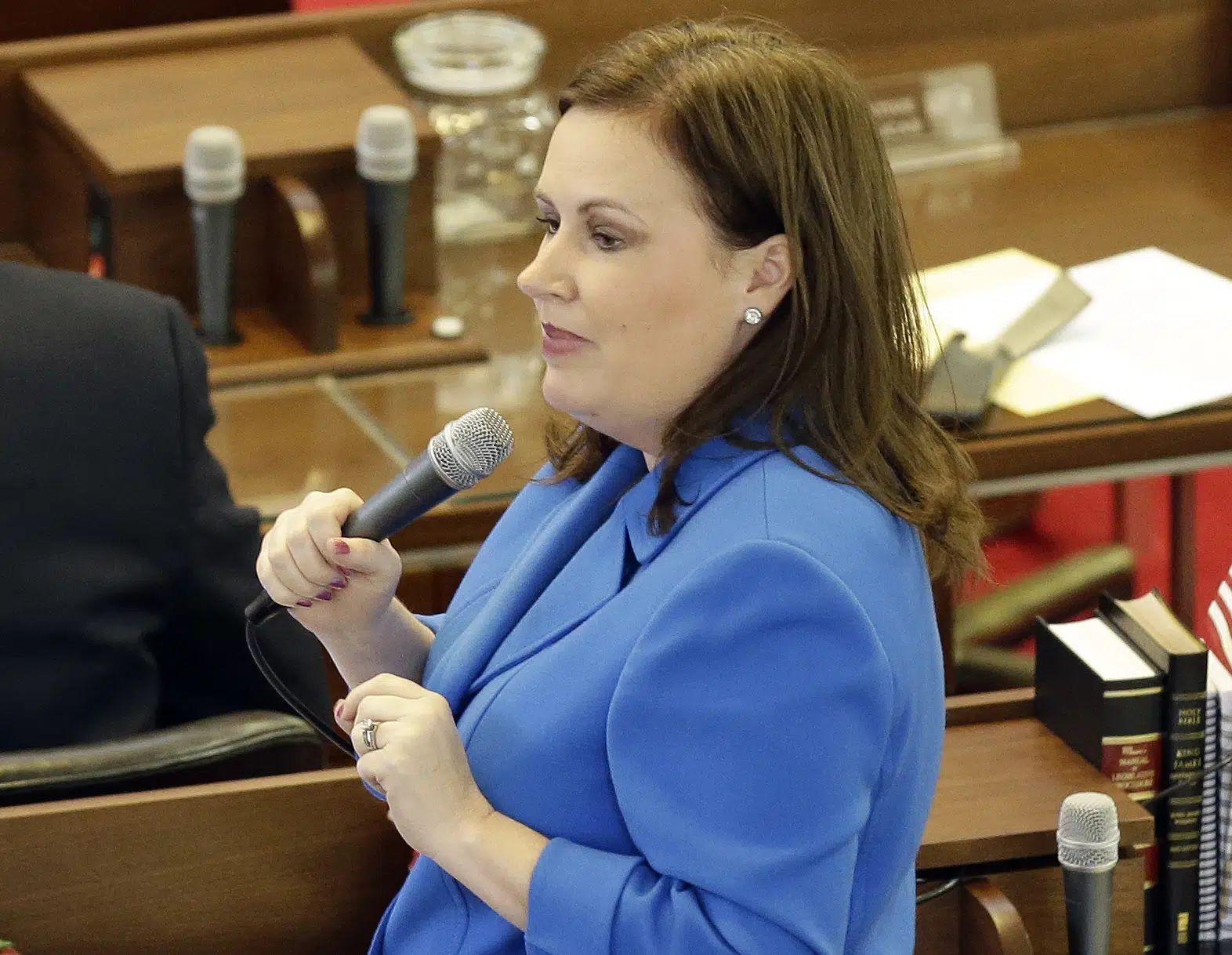
North Carolina Democrats have introduced Senate Bill 748, which would require lawmakers who switch parties early in their terms to be removed from office and refund their donors. The bill comes after Rep. Tricia Cotham switched from the Democratic to the Republican party, giving the GOP a supermajority in the House. The bill would trigger a special election within 90 days if a member of the General Assembly switches parties with more than six months left on their term and would require the official to refund campaign contributions to any donor who requests them.
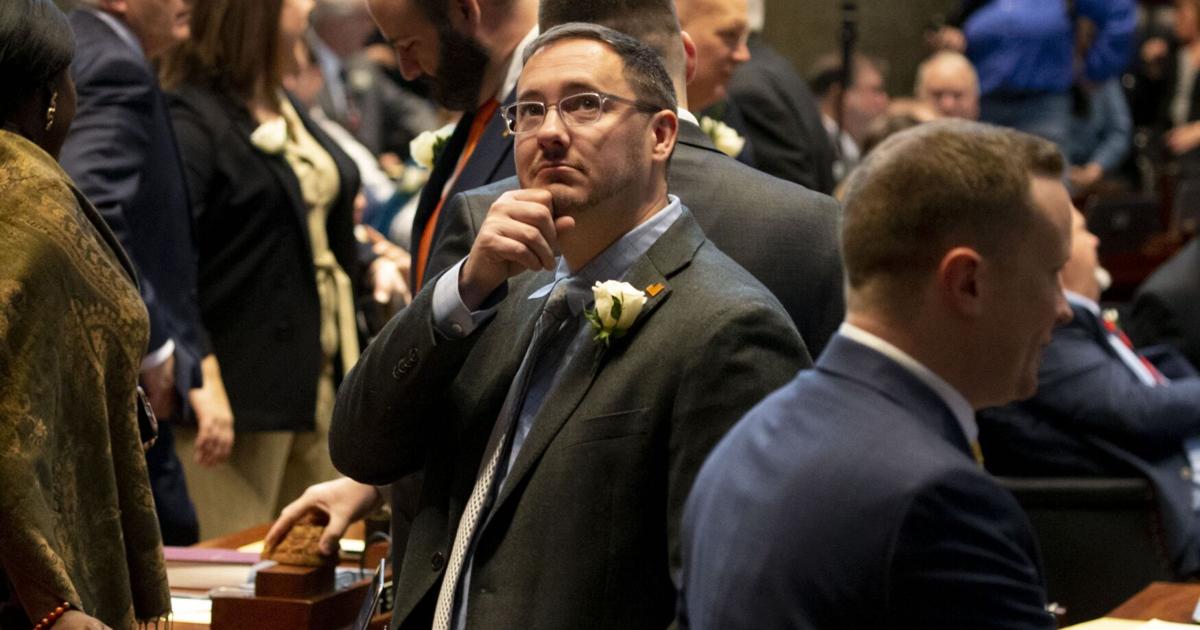
Missouri Republican Representative Chris Sander, one of two openly gay Republicans in the state legislature, is considering leaving the Republican Party after being prevented from speaking against a GOP plan to restrict gender-affirming care for minors. Sander, who voted against the restrictions, said that Republicans needed to decide whether gay and transgender Republicans were welcome in the party. If he were to quit the GOP, he would join a short list of other House members over the past decade to leave their political party.
Speculation is rising that a Democrat in the North Carolina legislature is about to switch parties, giving Republicans a complete veto-proof majority in the General Assembly. This could affect legislation on immigration, abortion, and voting. If the Democrat does switch parties, it would be a major political setback for Democratic Gov. Roy Cooper and allies in their attempts to block conservative initiatives during the governor’s final two years in office.