"Discovery of 1.75-Billion-Year-Old Fossils Rewrites History of Photosynthesis"
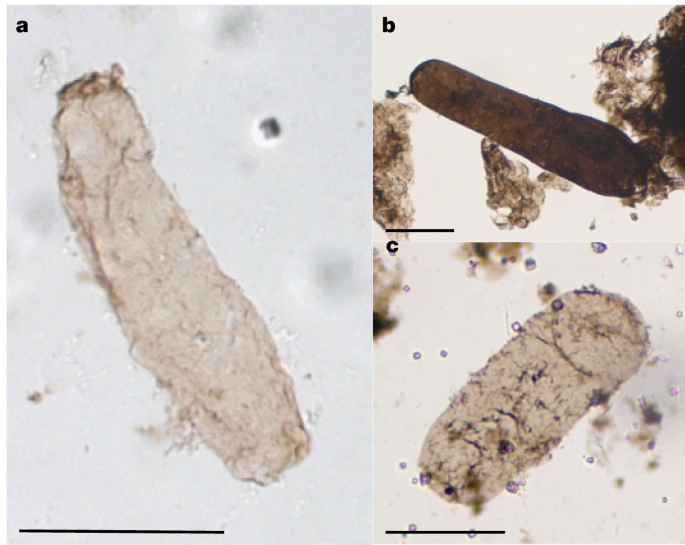
Researchers have discovered 1.75-billion-year-old microfossils in Australia, which represent the oldest known evidence of oxygenic photosynthesis. These microfossils, identified as Navifusa majensis, are believed to be a type of cyanobacteria that used sunlight to convert water and carbon dioxide into glucose and oxygen. This finding, published in Nature, pushes back the fossil record of photosynthetic structures by over a billion years and provides significant insights into the early development of one of Earth's most crucial life processes.