
Tag

Organicmolecules

All articles tagged with #organicmolecules

science-and-technology2 years ago

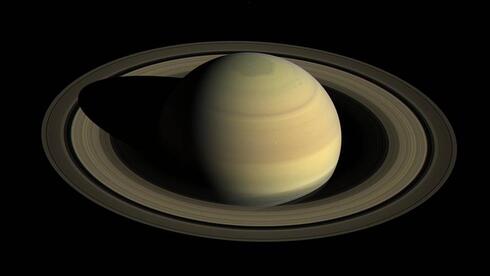
"Probing for Life: The Phosphorus Clue on Saturn's Moon"

Scientists have discovered complex organic molecules in the atmosphere of Saturn's moon Enceladus, suggesting it could potentially harbor life in its subsurface ocean. The Cassini spacecraft's data, re-analyzed with advanced techniques, revealed substances like hydrogen cyanide and methanol, indicating chemical activity that could support life. Enceladus's ocean is kept liquid by Saturn's gravitational forces, similar to Earth's geothermal springs. Future missions are being considered to further explore this possibility, with Enceladus meeting the basic requirements for habitability.
science-and-technology2 years ago

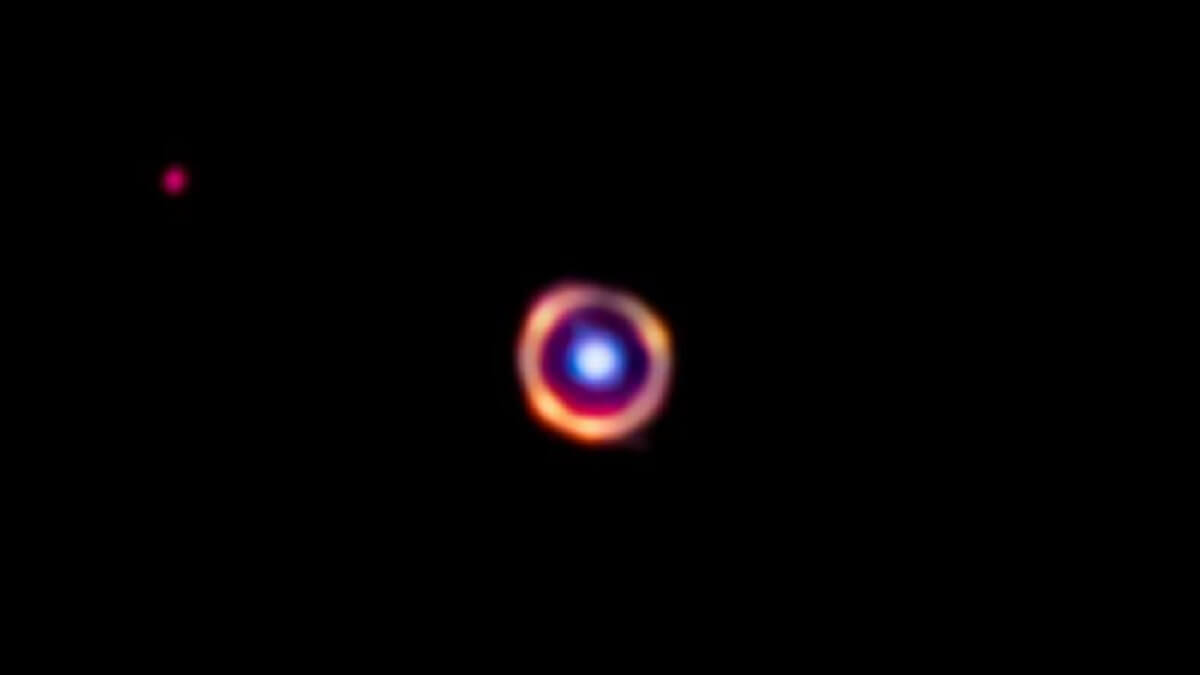
"Discovery of Farthest Molecules Sheds Light on Early Universe"

The James Webb Space Telescope has discovered the most distant molecules ever observed, 12 billion light-years away, in a galaxy from when the universe was only 10 percent of its current age. This was made possible by gravitational lensing, which magnified the light from the galaxy, allowing for detailed observation. The findings include large organic molecules similar to Earth's smog, challenging the assumption that such molecules always indicate star formation. This marks Webb's first detection of complex molecules in the early universe and suggests the potential for more discoveries about the composition of young galaxies.

science-and-technology2 years ago

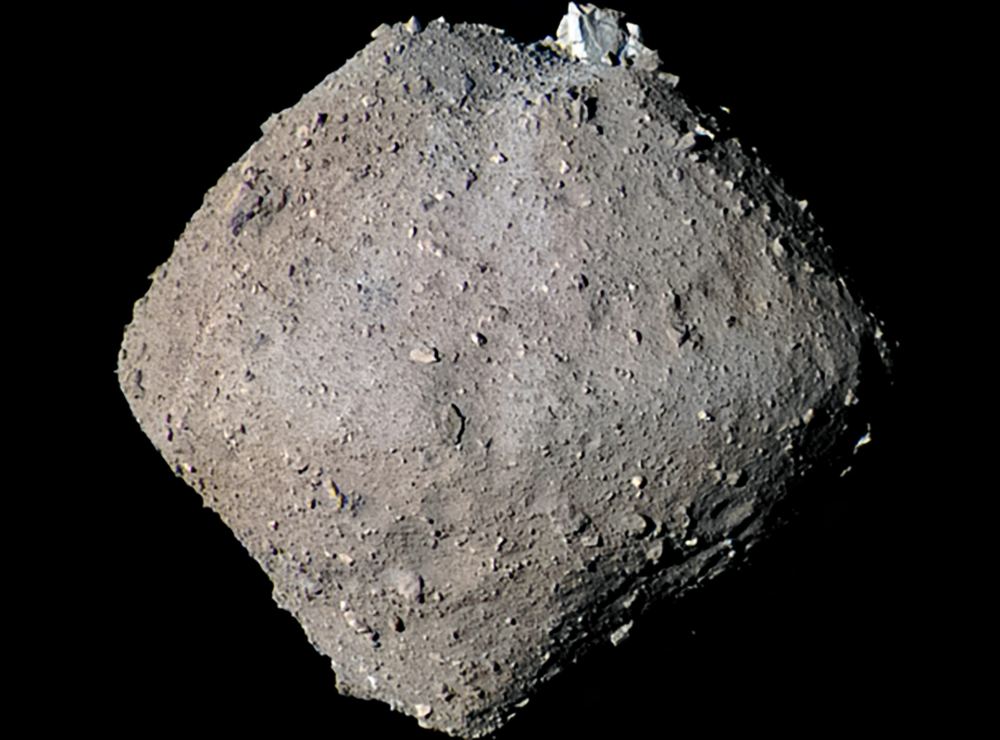
"Ryugu Samples Unveil Life's Building Blocks Formed in Universe's Icy Realms"

Recent research has revealed that polycyclic aromatic hydrocarbons (PAHs), organic molecules considered as prebiotic building blocks for life, can form in the cold regions of space with temperatures around 100 K, challenging the previous belief that they only formed in warmer environments near stars. This discovery, made through the study of asteroid Ryugu and the Murchison meteorite, suggests that these molecules predate the Solar System and opens up new pathways for understanding the chemical evolution of life on Earth and potentially other celestial bodies.