The Supreme Court heard arguments in the case of Pulsifer v. United States, which centers around the interpretation of the word "and" in the First Step Act, a criminal justice reform bill. Mark Pulsifer, who pleaded guilty to a drug-related felony, argues that he should be eligible for a sentencing reduction because he does not meet all three eligibility criteria outlined in the law. Federal prosecutors argue that anyone who fails to meet any of the criteria is ineligible for relief. The justices engaged in a detailed analysis of the language and implications of the law, with Justice Gorsuch expressing concern about the power imbalance between defendants and the government. The court's decision will have implications for future criminal justice reform efforts.
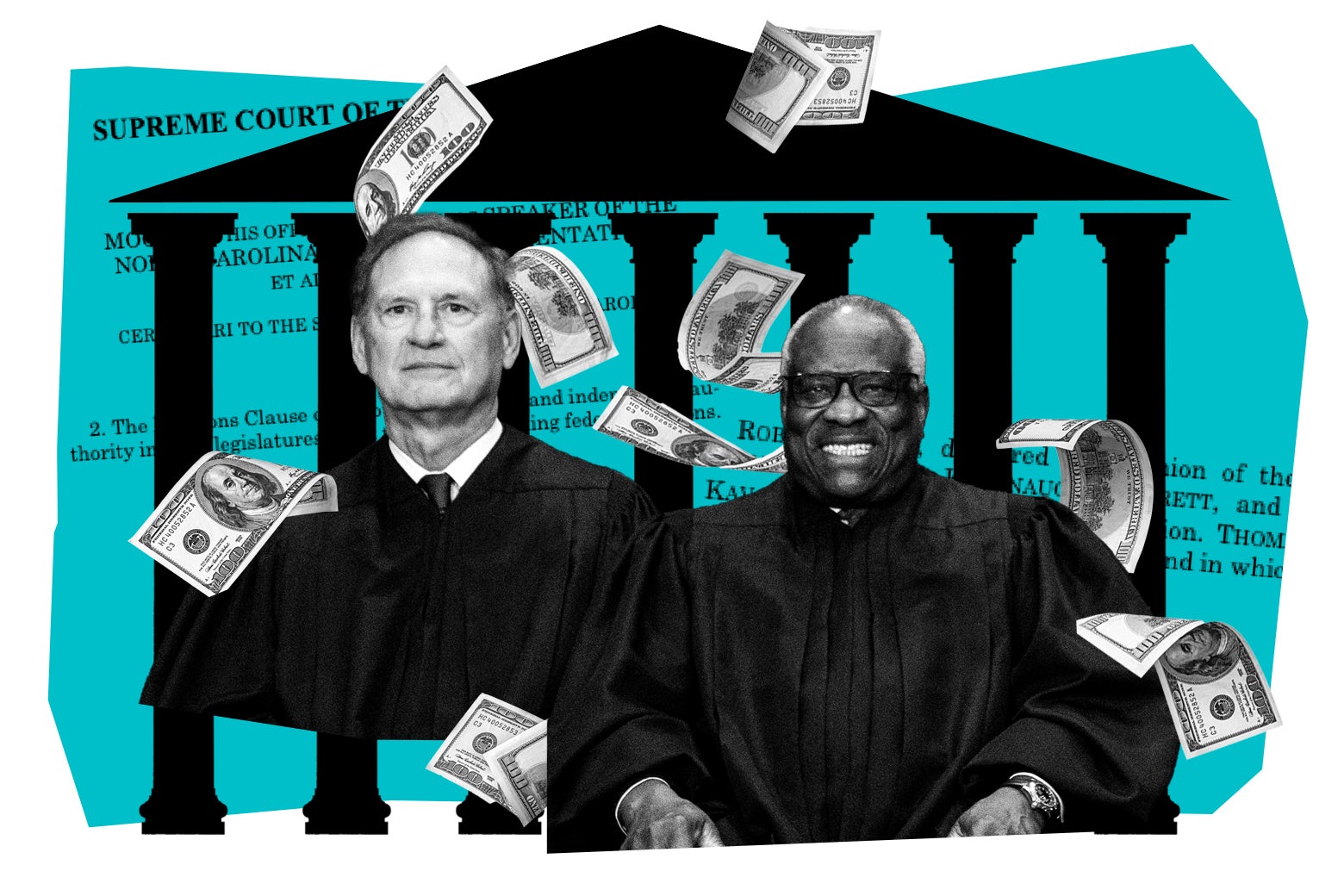
The start of the Supreme Court's new term raises concerns about the influence of the Federalist Society justices and their ties to billionaires. The docket includes cases that align with the interests of their wealthy backers, such as attacks on government regulation and civil rights. One seemingly less significant case, Moore v. United States, is being used as a vehicle to address the constitutionality of taxes on wealth and unrealized gains. The involvement of billionaires and their connections to the Manhattan Institute and Leonard Leo, who played a role in selecting Trump's court appointments, further highlight the influence of money on the court's agenda.
The prosecution in the trial against Kevin Spacey has made their opening arguments, labeling him a "sexual bully" who "sexually assaults other men" and "delights in making others feel powerless and uncomfortable." The prosecutor detailed allegations from four men, including incidents of forced oral sex and aggressive grabbing of genitals. Spacey denies the 12 charges against him, claiming either that they are made up or that any encounters were consensual. The trial is expected to last four weeks.