At CES 2026, HP announced the HyperX-branded lineup of powerful gaming laptops, including the Omen Max 16 with a RTX 5090 GPU and next-gen Intel processor, and a series of OLED gaming monitors like the 34-inch ultra-wide 360Hz model. They also introduced new gaming peripherals, emphasizing their focus on high-performance gaming hardware and displays for 2026.
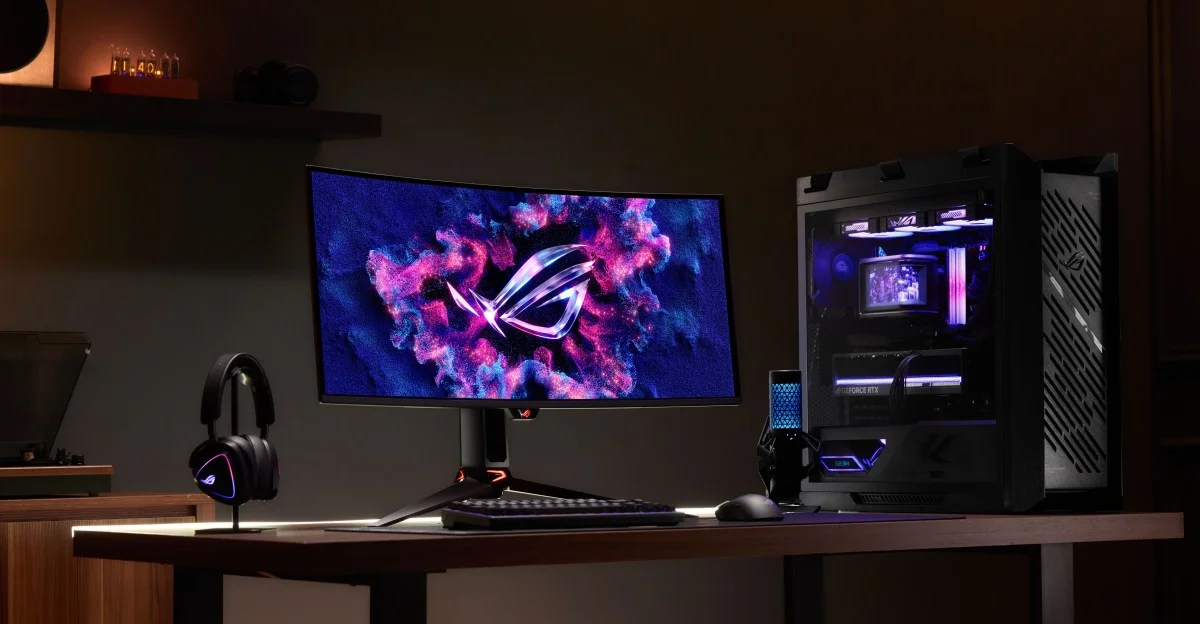
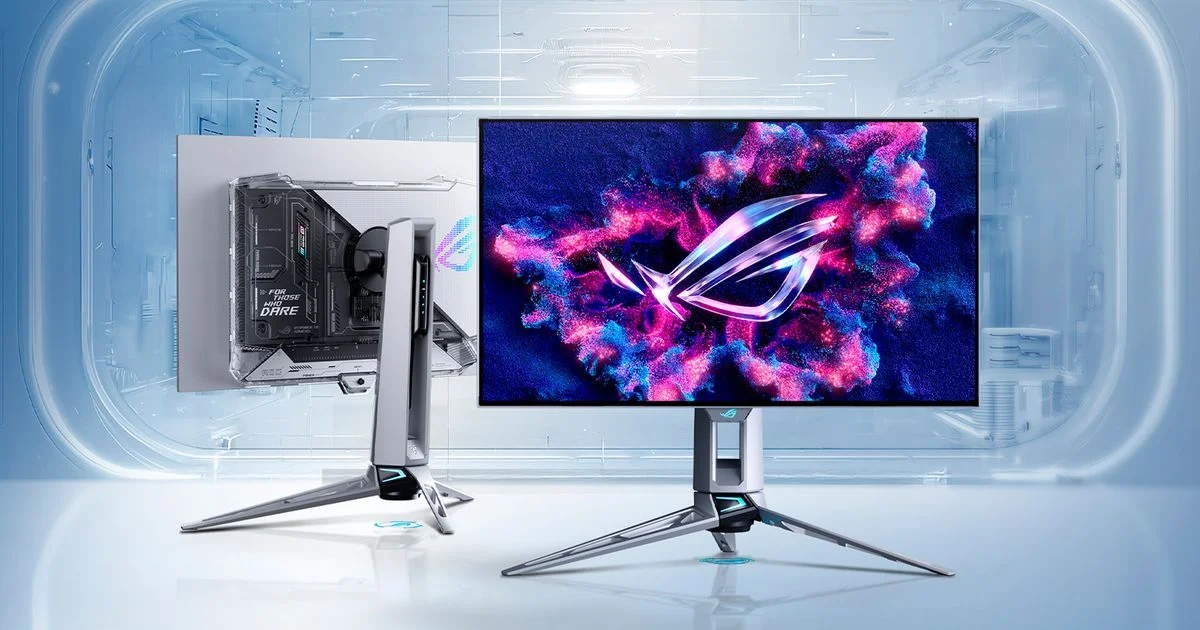
Asus announced three new OLED gaming monitors at CES featuring RGB stripe technology for improved texture clarity and color accuracy, including a 27-inch model with Tandem OLED tech and two 34-inch models with quantum dot OLED panels offering high refresh rates and true 10-bit color, making them suitable for gaming, content creation, and everyday use.
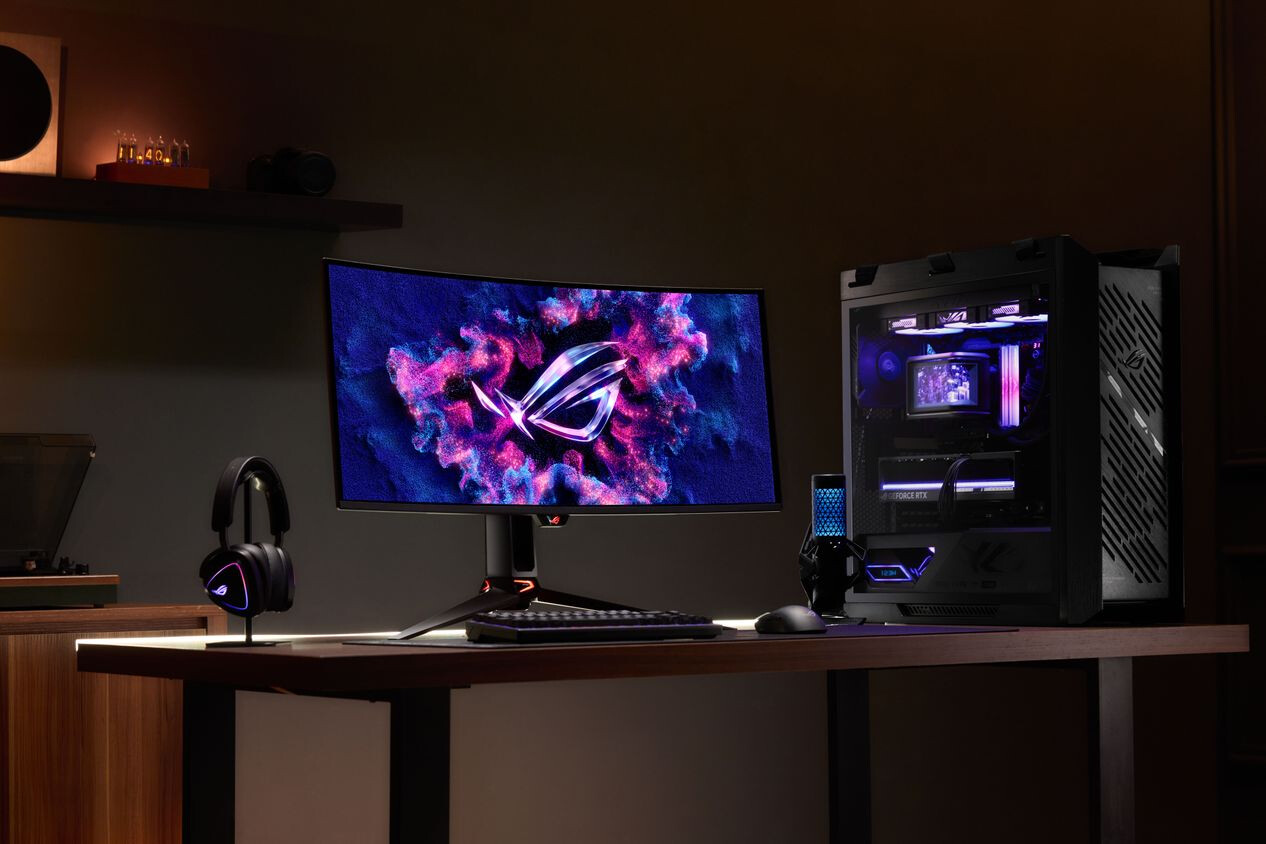
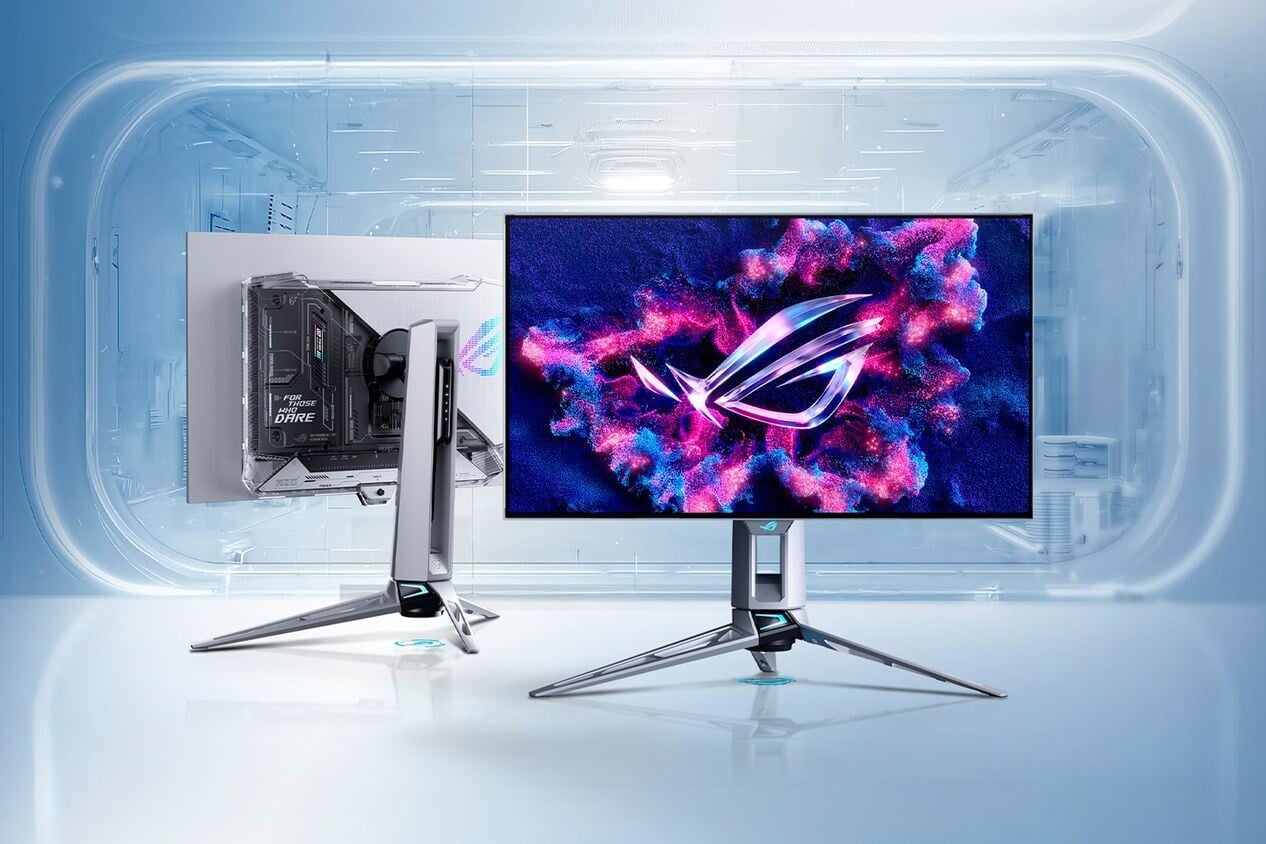
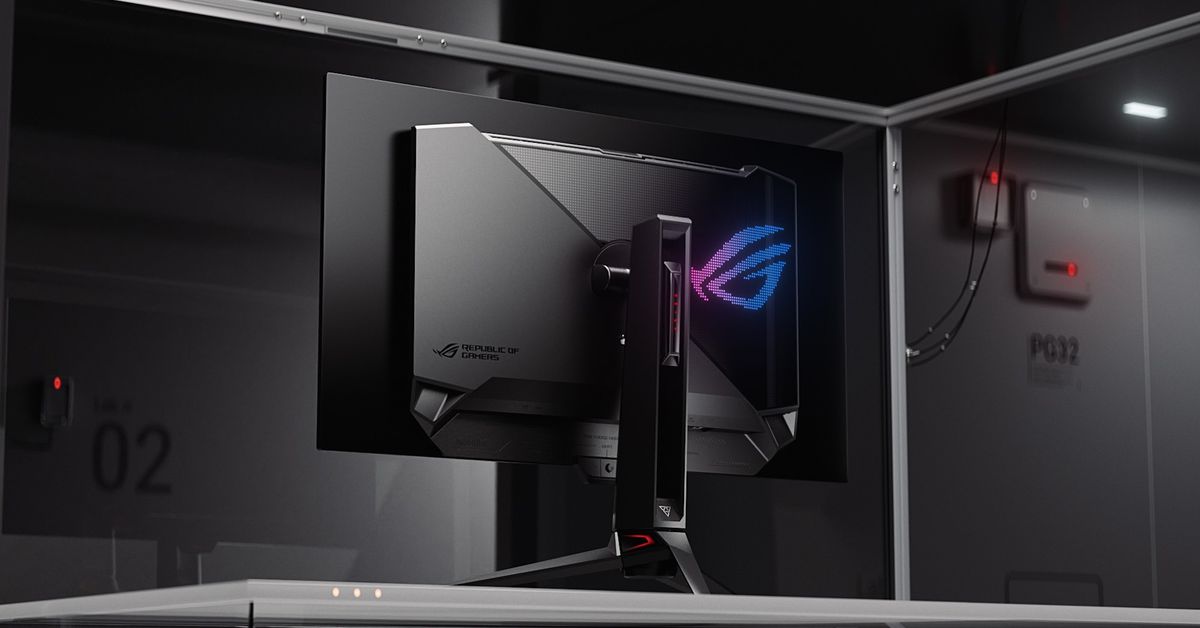
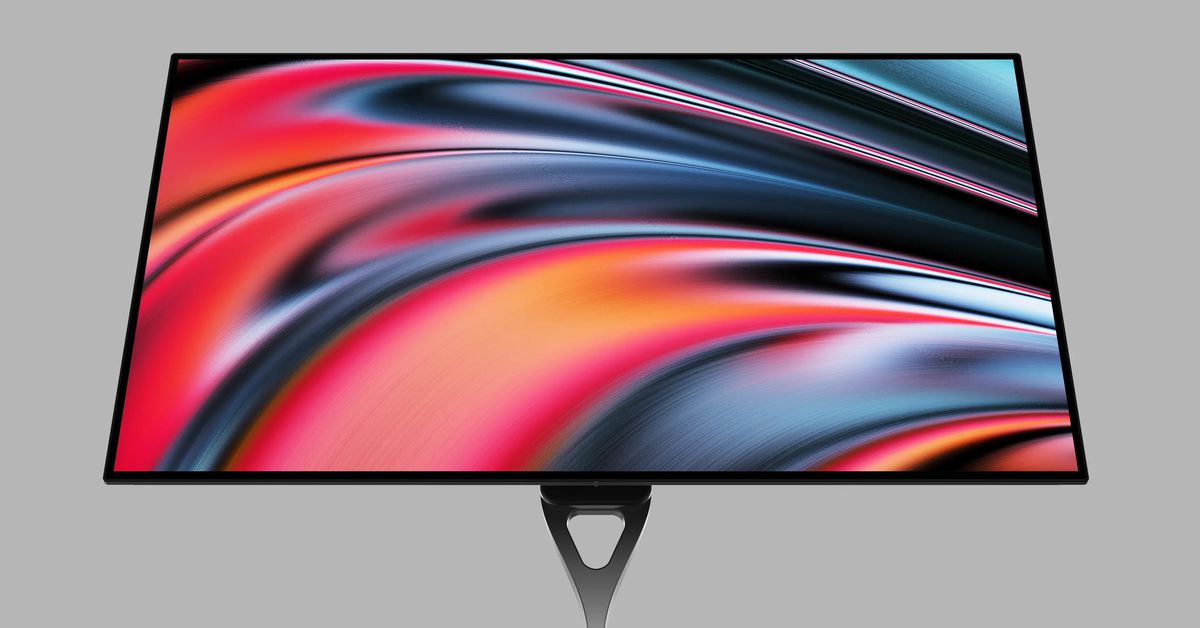
ASUS ROG announced next-generation RGB OLED gaming monitors at CES 2026, featuring revolutionary RGB Stripe Pixel technology, enhanced durability with BlackShield film, and high-performance specs like 360Hz refresh rates and HDR support, setting new standards for visual immersion and durability in gaming displays.
LG Display will showcase a range of groundbreaking OLED monitors at CES 2026, including the world's first 720 Hz refresh rate Gaming OLED panel, a 39-inch 5K2K curved OLED, and a 240 Hz RGB stripe pixel structure, all featuring advanced technologies like Primary RGB Tandem 2.0 for superior brightness, color, and response times, aiming to lead the gaming monitor market with innovative, high-performance displays.
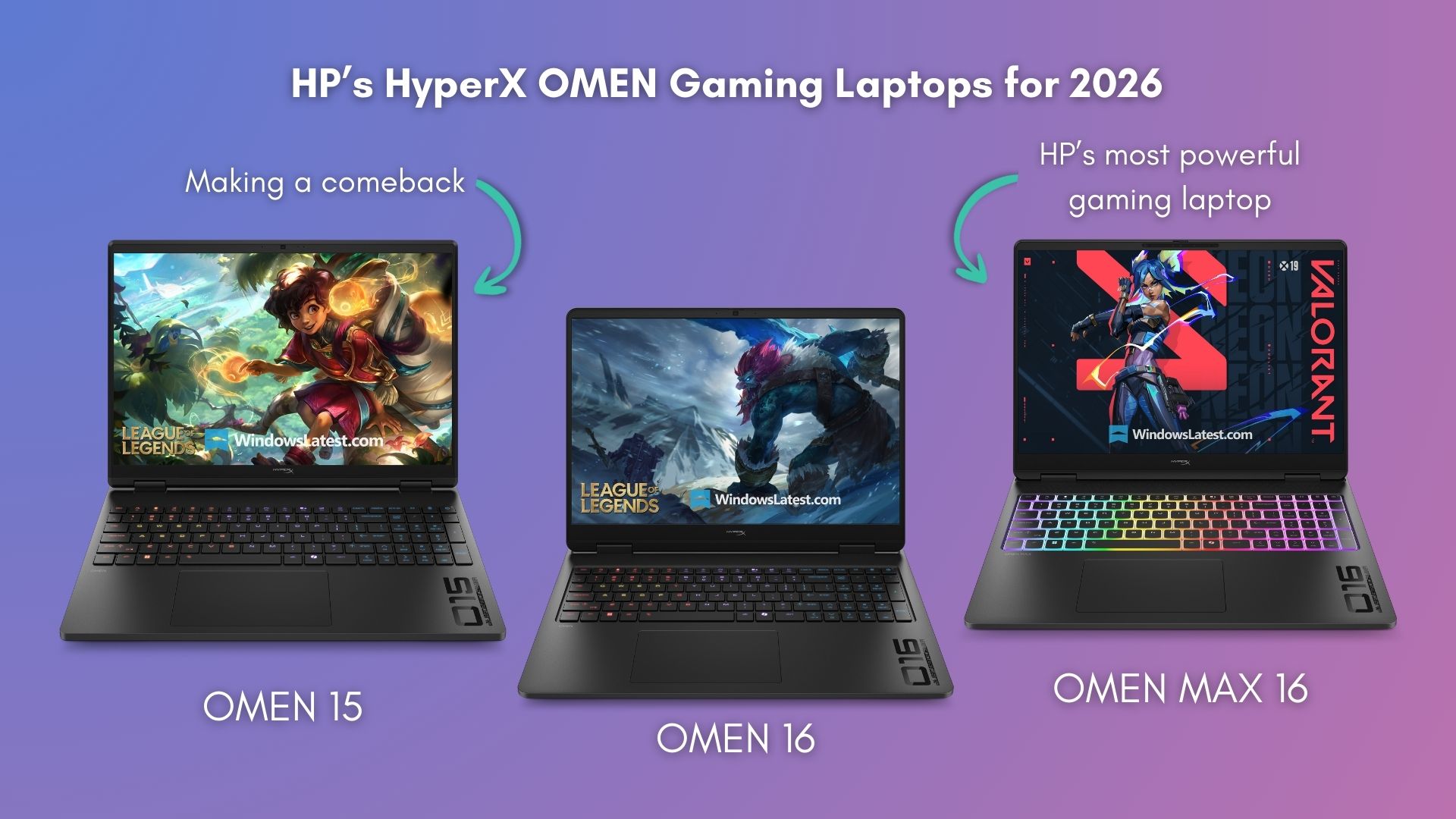
HP's gaming division, under HyperX, is set to launch new OMEN gaming laptops at CES 2026, including the OMEN MAX 16, OMEN 16, and OMEN 15, featuring upcoming Intel and AMD processors, OLED displays, and AI-driven performance enhancements, alongside new OLED monitors, indicating a focus on high performance and premium features.
OLED monitor shipments are rapidly increasing, driven by high-end gaming demand and broader use cases, with Asus overtaking Samsung as the leading brand in 2025 due to diversified product offerings and innovation, while Samsung maintains a strong position with stable shipments and strategic model launches.
ASUS ROG has announced the availability of two new 27-inch OLED gaming monitors, the Swift OLED PG27AQWP-W and Strix OLED XG27AQWMG, featuring advanced Tandem OLED technology for brighter visuals, longer lifespan, and high performance with up to 540 Hz refresh rate on the PG27AQWP-W. Both monitors include protective features like ASUS OLED Care Pro, VESA DisplayHDR 500 True Black, and extensive connectivity options, with prices starting at $599.
ASUS Republic of Gamers has announced the availability of two new 27-inch OLED gaming monitors, the ROG Swift OLED PG27AQWP-W and Strix OLED XG27AQWMG, featuring advanced Tandem OLED technology for brighter visuals, wider color volume, and longer lifespan, with the PG27AQWP-W being the world's fastest OLED monitor with a 540Hz refresh rate and 0.02ms response time, and the XG27AQWMG offering 280Hz and superb color performance, both equipped with protective features and high-end connectivity.
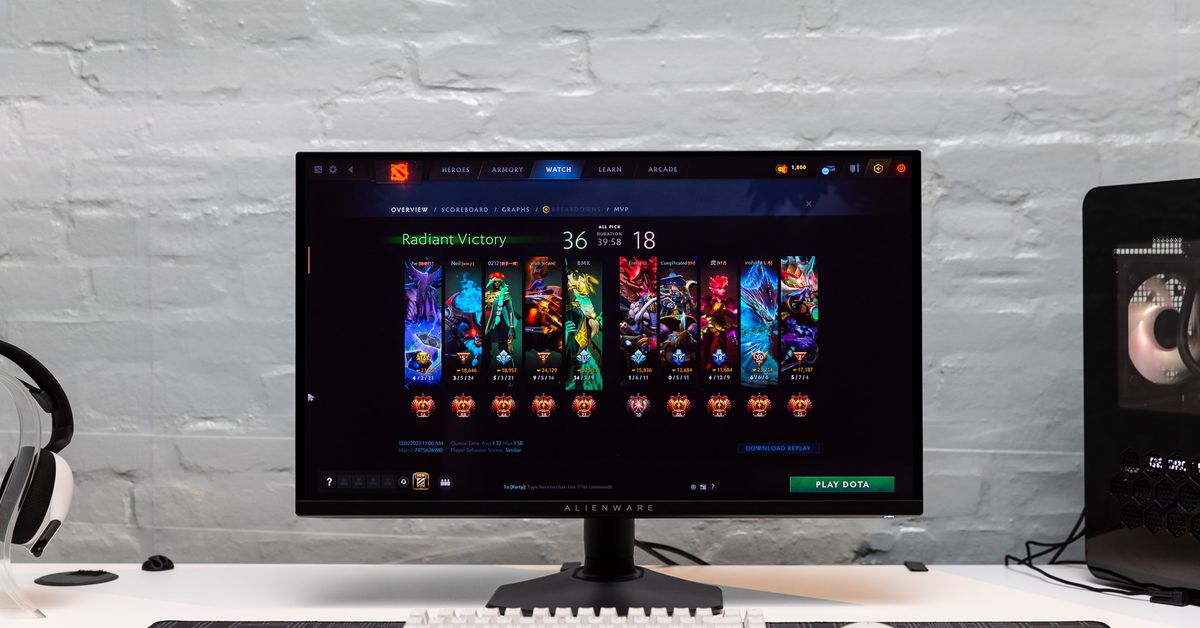
Cyber Monday offers significant discounts on 32-inch OLED gaming monitors, with top models from MSI, Asus, LG, HP, and Alienware available around the $900 range, saving up to $450. These monitors feature 4K resolution, 240Hz refresh rates, and essential ports like DisplayPort 1.4 and HDMI 2.1. Notable options include the curved Alienware AW3225QF, the MSI Mag 321UPX, and the LG Ultragear 32GS95UE, each with unique features like KVM support for easy peripheral switching. These deals provide excellent opportunities for gamers seeking high-performance displays.
Asus and MSI have updated their warranty coverage for certain OLED monitors to include protection against panel burn-in, a common concern for consumers due to the static elements in gaming that can exacerbate the issue. MSI now offers a three-year burn-in warranty for some of its OLED displays, with specific criteria for claiming against burn-in damage, while Asus has quietly updated its warranties to cover burn-in for two or three years on certain models. These updates bring their OLED coverage more in line with other PC hardware companies like LG, Corsair, and Dell's Alienware sub-brand, providing consumers with additional peace of mind when purchasing these high-cost monitors.
OLED monitors are now reaching refresh rates of 360Hz and 480Hz, surpassing the capabilities of LCD monitors. While some question the practical benefits of such high refresh rates, experts argue that OLED's faster pixel response times may provide better motion clarity. Despite the debate, improvements in refresh rates continue to make an objective difference, particularly for gamers. However, the decision to invest in these high refresh rate monitors ultimately depends on individual preferences, hardware capabilities, and gaming priorities. As prices decrease and technology advances, more people may adopt these high refresh rate OLED monitors, potentially reshaping the standard for display technology.
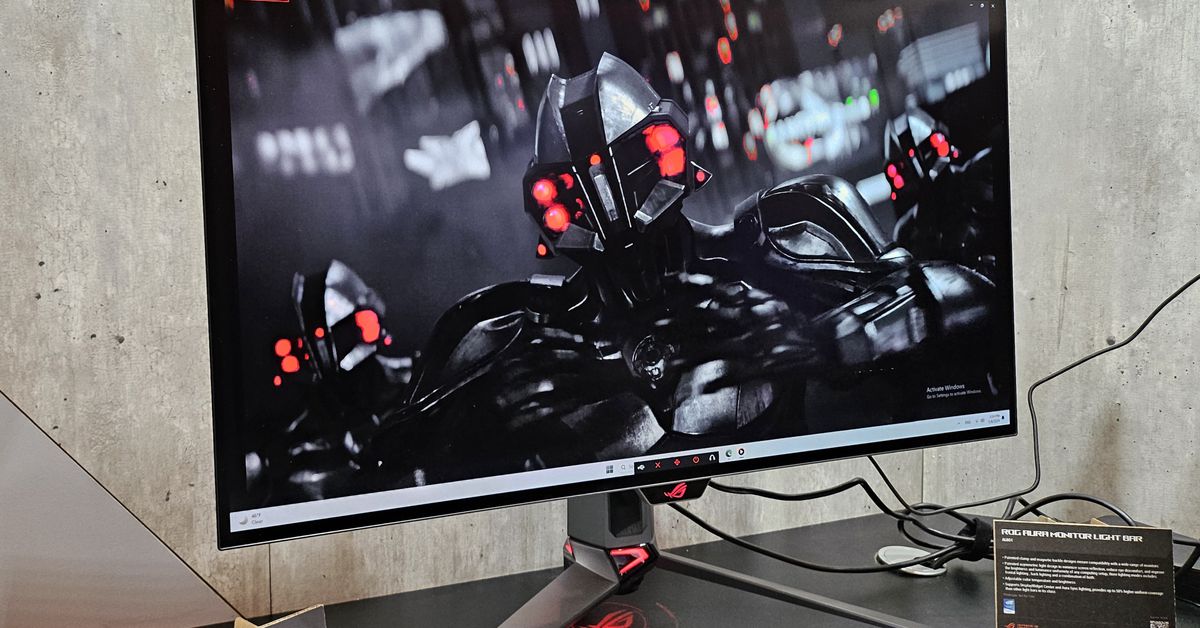
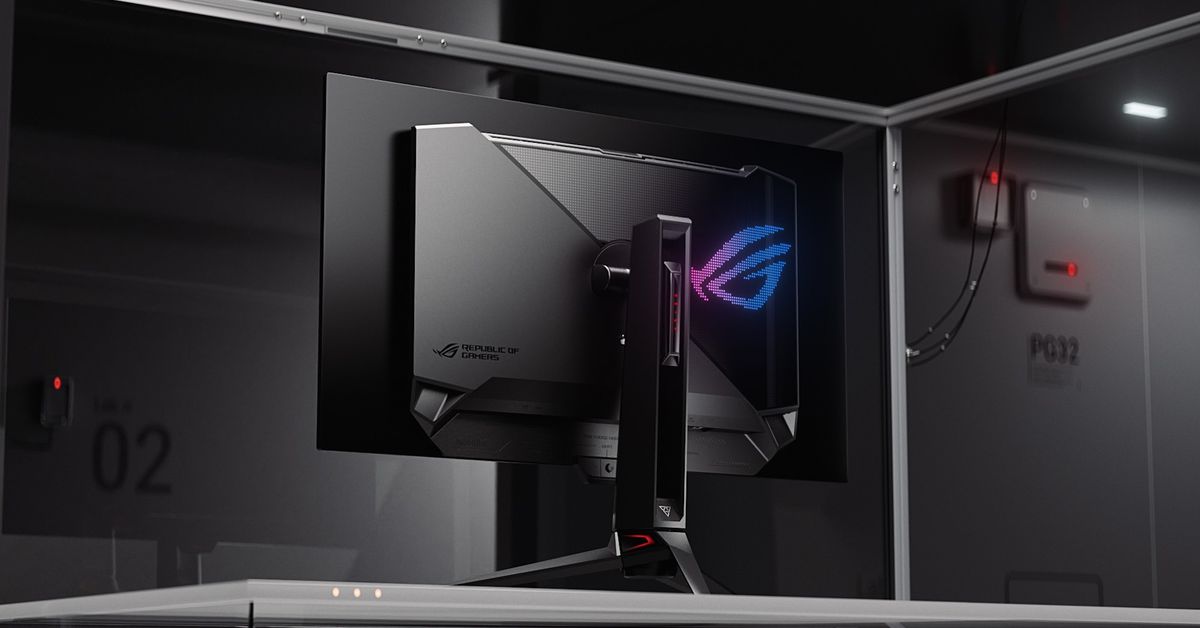
Asus has announced three new OLED monitors, including two capable of hitting 480Hz refresh rates. The ROG Swift OLED PG32UCDP can switch between 4K 240Hz and 1080p 480Hz, while the ROG Swift OLED PG27AQDP offers up to 480Hz refresh rates in a 27-inch flat form factor at 1440p. Additionally, Asus has unveiled a 39-inch ultrawide 240Hz OLED monitor. These monitors feature third-gen panels with improvements in peak brightness and viewing angles, but pricing and release dates are yet to be revealed.
OLED monitor burn-in, a longstanding concern for users, has been addressed through improvements in OLED materials, software developments, and new testing techniques. While burn-in can still occur on modern OLED monitors, advancements in materials science and physical design changes have made them significantly more resistant to burn-in than in the past. Monitor firmware techniques, such as determining wear levels and compensating for luminance degradation, can help mitigate or hide damage. However, the susceptibility to burn-in varies among monitors, and manufacturers can implement different techniques to combat it. Overall, OLED monitors are now a more reliable investment for users, although some risk of burn-in still exists.
Dough, formerly known as Eve, has announced plans to release a 32-inch 240Hz 4K OLED monitor, claiming it will be the first of its kind in the market. However, given the company's history of delays and unfulfilled promises, skepticism is warranted. Other manufacturers have already shipped monitors with the same 27-inch panel, raising doubts about Dough's ability to deliver on its claims. While the proposed features of the monitor sound impressive, including USB-C connectivity and black frame insertion, potential buyers should exercise caution before preordering due to the company's track record and the risks associated with crowdfunding.
OLED monitors, while excellent for gaming and entertainment, can have issues with auto-dimming and temporal luminance stability, causing noticeable changes in brightness when opening and closing windows. This is due to the conflict between auto-dimming and the multitasking nature of computer monitors. Some recent OLED monitors have a brightness stabilizer to mitigate this issue, but it limits the maximum brightness. Alternatively, users can opt for mini-LED monitors that offer dynamic backlight adjustment or stick with traditional IPS or VA monitors for stable performance.