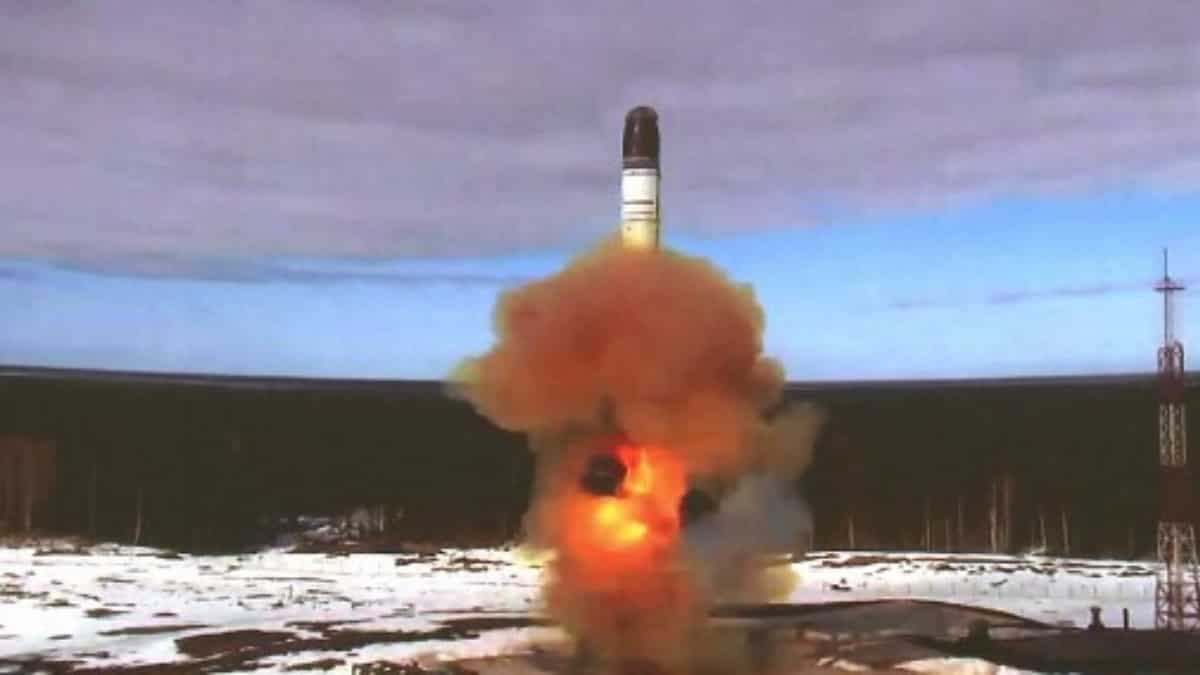
Russia launched a nuclear-capable missile in a large-scale attack on Ukraine, claiming retaliation for a drone attack, amid concerns over Moscow's nuclear arsenal and a faltering peace plan.
The Biden administration has issued direct warnings to Russia against deploying a nuclear-capable anti-satellite weapon, with CIA Director William Burns engaging in talks with Russian spy chief Sergei Naryshkin and Secretary of State Antony Blinken raising the issue with Indian and Chinese officials. The warning comes after concerns were raised about a space-based "anti-satellite capability" being developed by Russia, with the U.S. emphasizing that such a deployment would violate the 1967 Outer Space Treaty.
Russia has announced that its nuclear-capable Sarmat intercontinental ballistic missile system, also known as "Satan 2," has entered combat duty. The Sarmat missile is designed to evade anti-missile defense systems and can carry multiple warheads, with a range that can reach any target on Earth. It weighs over 200 tonnes and has been under development since 2009, with tests conducted since 2016. The missile is intended to replace the R-36M ICBM in Russia's arsenal.
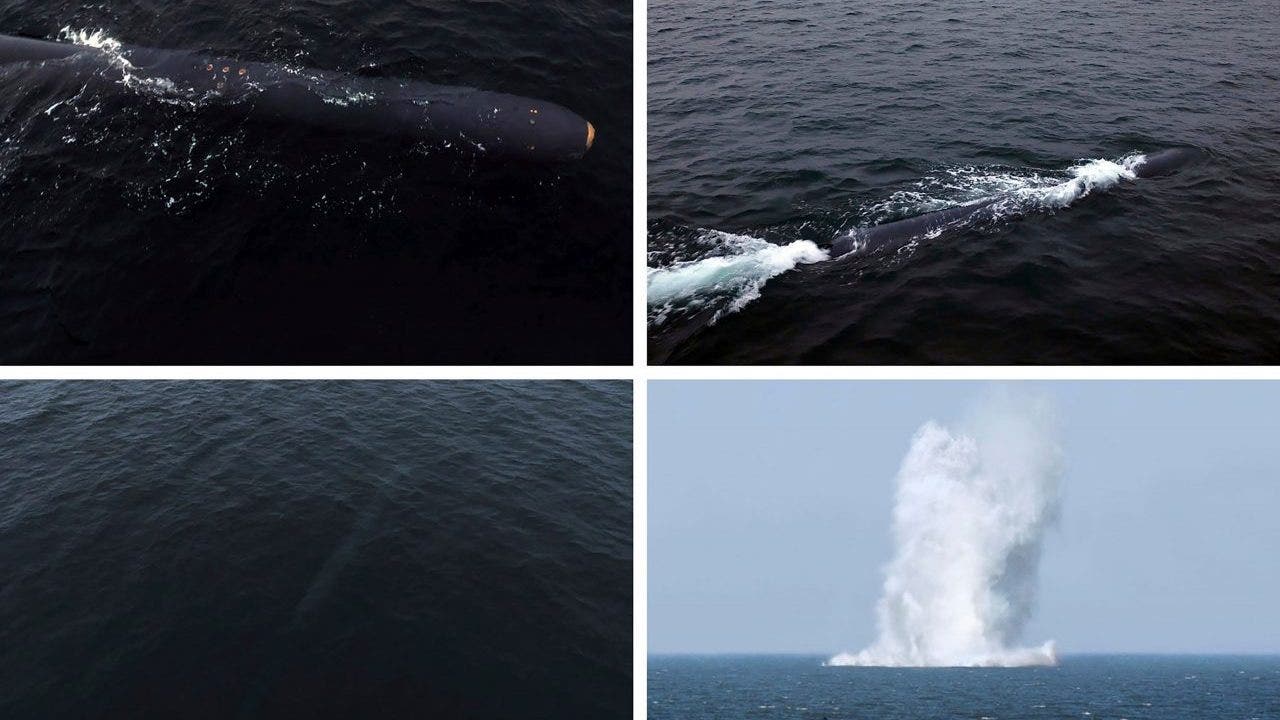
North Korea claims to have successfully tested an underwater nuclear-capable drone, the Haeil-2, this week. The country's state media said the system would serve as an advantageous and prospective military potential of the armed forces of the DPRK essential for containing all evolving military actions of enemies, removing threats and defending the country. Due to the lack of a free press and diplomatic relations, it is not currently possible to evaluate North Korea officials' claims. The country has stopped responding to regularly scheduled calls with South Korea as military tensions rise.