Two major rail unions oppose the proposed $85 billion merger of Union Pacific and Norfolk Southern due to safety, cost, and competition concerns, while the deal has support from other stakeholders and is under review by the Surface Transportation Board.
Shares of Alphabet (GOOGL) declined amid UK regulatory threats targeting its mobile ecosystem, as the CMA plans to designate Google and Apple with strategic market status, potentially leading to regulatory actions to increase competition and consumer choice. Despite regulatory pressures, GOOGL remains a strong buy with a consensus price target of $206.51, indicating nearly 8% upside.
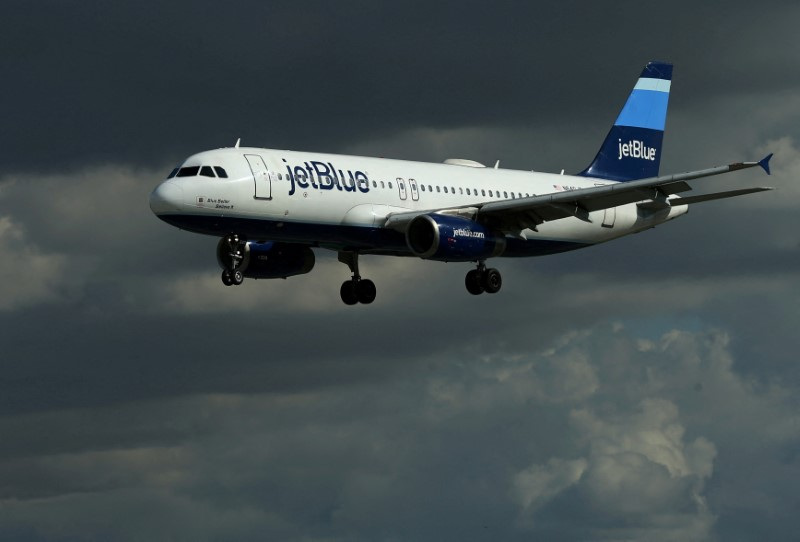
After a federal judge blocked Spirit Airlines' $3.8 billion merger deal with JetBlue Airways, the ultra low-cost carrier faces tough choices including seeking another buyer, considering a bankruptcy filing, or finding ways to shore up its finances. With concerns about its ability to repay debt and return to sustainable profitability, analysts suggest a potential Chapter 11 filing or even liquidation. The airline's ongoing struggles with rising operating costs, supply-chain problems, and grounded planes due to engine issues have raised doubts about its future, leading to a significant stock sell-off and prompting speculation about potential alternative options, including a renewed bid from rival Frontier Airlines.
Microsoft has successfully closed its $69 billion deal to acquire Activision Blizzard, after receiving approval from the UK regulator. The deal strengthens Microsoft's position in the gaming market, allowing it to compete better with industry leader Sony. To address competition concerns, Microsoft agreed to sell streaming rights for Activision's games. The completion of the deal is a significant win for Microsoft as it aims to attract more users to its Xbox consoles and Game Pass subscription service. The deal still faces opposition from the US Federal Trade Commission, but analysts believe any challenges will result in limited concessions.
The Federal Trade Commission (FTC) has raised concerns about competition in the field of generative AI, which has the potential to transform various industries. The FTC highlights the control over essential inputs such as data, talent, and computational resources as potential barriers to entry for new players. It also warns against unfair methods of competition, including bundling, tying, exclusive dealing, and discriminatory behavior by incumbents. The open-source ecosystem is seen as a potential equalizer, but misuse and "open first, closed later" tactics could undermine competition. Network and platform effects can further concentrate market power. The FTC pledges to address unfair competition and support a vibrant marketplace for generative AI.
The European Union's antitrust regulator has given its approval to Microsoft's proposed $68.7-billion acquisition of Activision Blizzard after Microsoft made specific concessions aimed at addressing concerns regarding competition in the cloud gaming market. These concessions ensure that rival companies would continue to have access to games developed by Activision, including the immensely popular "Call of Duty" franchise. The approval is conditional on full compliance with the commitments offered by Microsoft.
The European Commission has approved Microsoft's $69bn acquisition of Activision Blizzard after the tech giant addressed competition concerns. The UK had previously blocked the deal over worries it would harm competition in the emerging cloud gaming business. The acquisition is still awaiting approval from regulatory bodies in the US, where the Federal Trade Commission filed a lawsuit to block the deal in December. Microsoft's offer of 10-year free licensing deals to European consumers and cloud game streaming services was a significant factor in the EU's approval.
The European Commission has approved Microsoft's acquisition of Activision Blizzard, stating that the proposed remedies offered by Microsoft would bring "significant improvement" to the cloud gaming market. Microsoft has offered a 10-year licensing commitment for consumers in the European Economic Area (EEA), guaranteeing that Activision Blizzard games will not be locked to the Game Pass Ultimate or the Xbox Cloud Gaming platform. The deal still faces hurdles, including an appeal of the UK's Competition and Markets Authority decision and scrutiny from the US Federal Trade Commission.
EU regulators have approved Microsoft's $68.7 billion acquisition of Activision Blizzard, with the condition that Microsoft offers 10-year licensing deals to competitors for cloud gaming services. The EU found that Microsoft would have no incentive to refuse to distribute Activision's games to Sony, but the acquisition could harm competition around the distribution of PC and console games through cloud gaming services. The UK's Competition and Markets Authority blocked the deal over cloud gaming market concerns, and Microsoft is appealing the decision. The company still faces battles in the US and UK, with an evidentiary hearing scheduled for August 2nd.