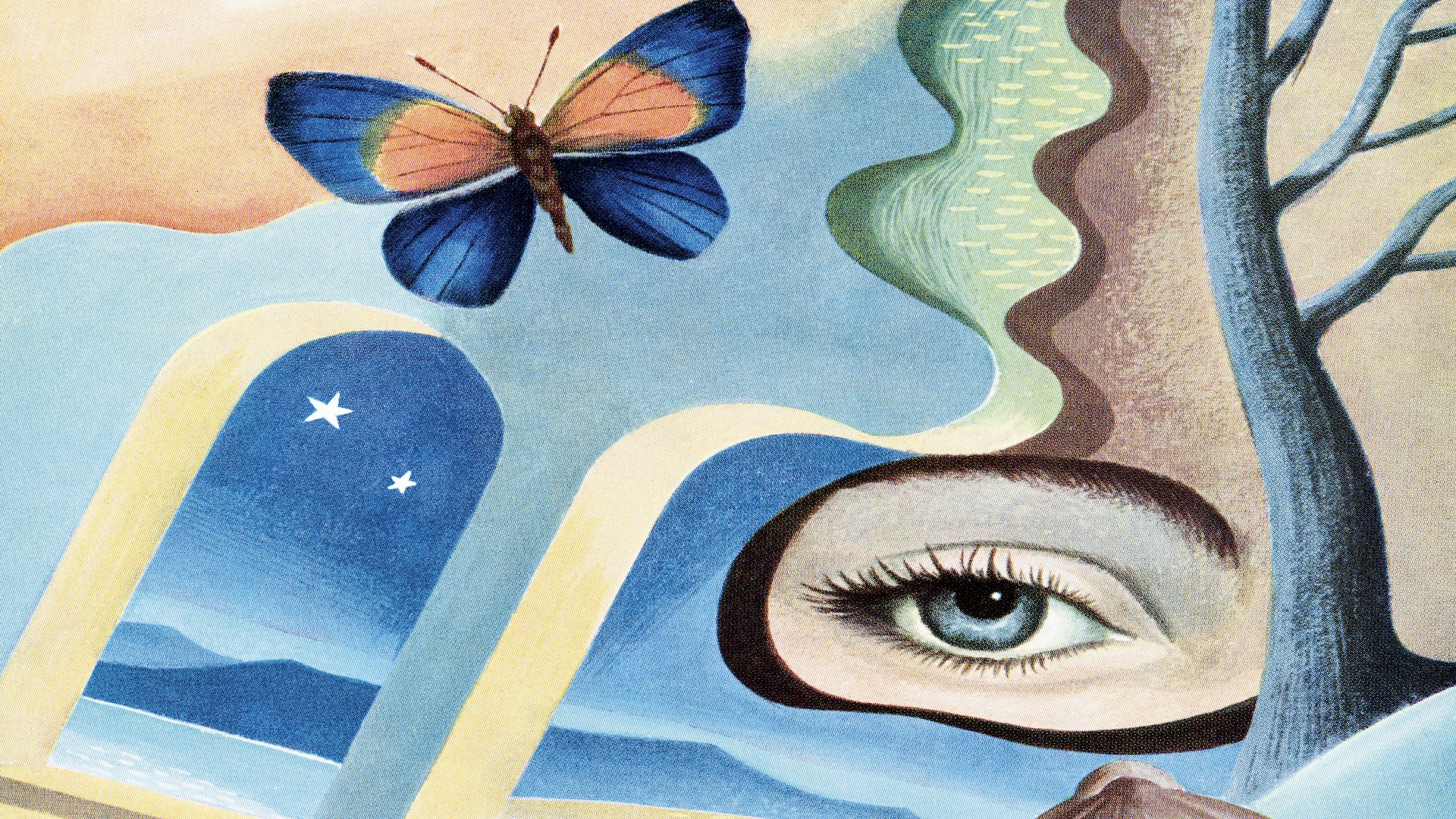
Dreaming occurs not only during REM sleep but also in non-REM sleep stages, with differences in vividness and narrative structure; recent research shows dreams are more frequent and varied than previously thought, challenging the idea that dreams only happen during REM sleep.
Non-REM parasomnias, also known as arousal disorders, are sleep disorders that can include night terrors, sleepwalking, and sleep-related eating disorders. These disorders typically affect less than 5% of the population and can range in terms of how disruptive they are to one's life. In extreme cases, people with parasomnia can behave violently towards others. Fragmented sleep caused by factors like sleep apnea, antidepressants, noisy environments, and irregular sleep schedules can contribute to these disorders. Treatment options include safety precautions, medication, lifestyle changes, and participating in a sleep study to address underlying issues like sleep apnea.