Noland Arbaugh, the first person implanted with Elon Musk's Neuralink brain chip, reports significant improvements in autonomy and daily life, controlling devices with his mind and pursuing education and entrepreneurship, marking a major milestone in neural technology and its potential to restore function for paralysis and neurological conditions.
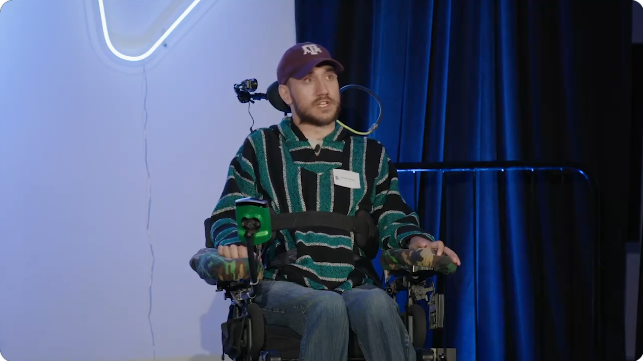
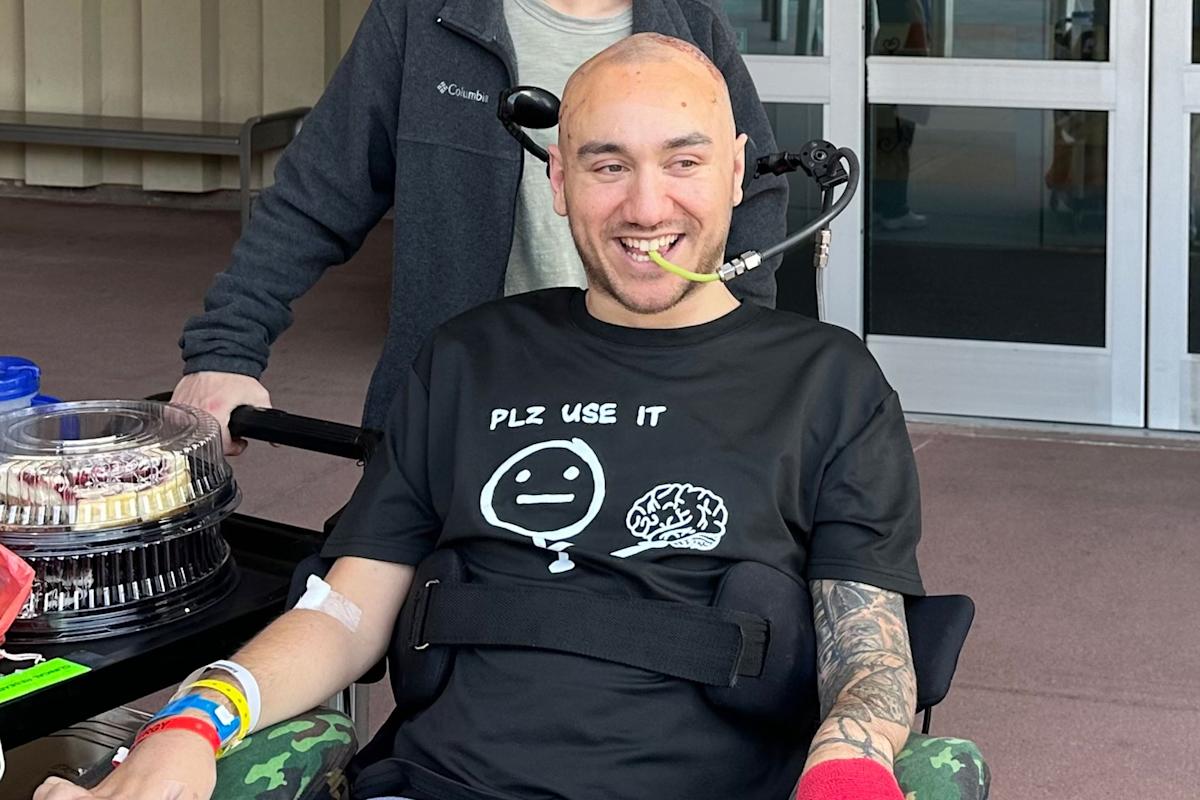
The first human recipient of a Neuralink brain implant, Noland Arbaugh, has shared his experience using the experimental technology, which has allowed him to play video games, learn new languages, and read without cognitive impairments. The implant, which was inserted into his brain, has given him greater autonomy and freedom, enabling him to control a computer cursor with his thoughts and play games like Civilization 6 and Mario Kart 8. Neuralink, founded by Elon Musk, aims to use the implants to restore mobility lost to paralysis and help blind patients see with the aid of cameras. However, the company has faced controversy over its treatment of animals in pre-human trials, with reports of avoidable mistakes causing needless death and suffering.
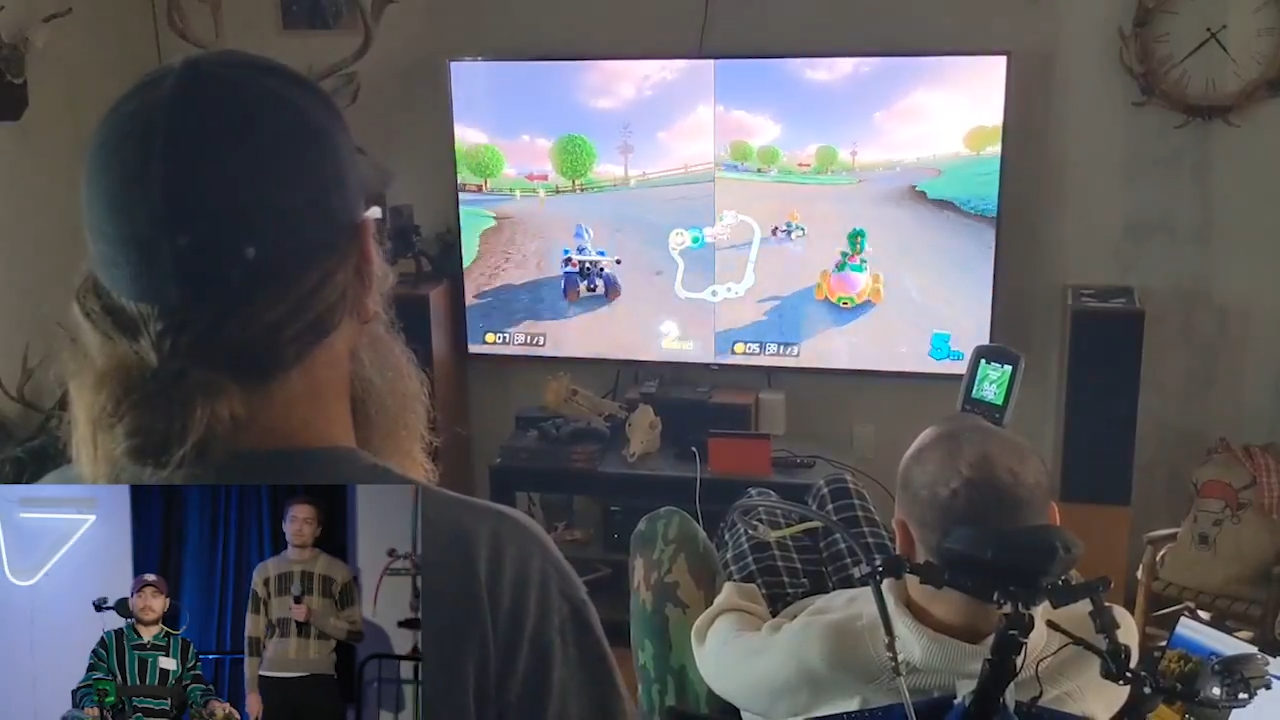
The first patient with a Neuralink brain-computer implant, Noland Arbaugh, demonstrated playing Mario Kart with his mind at a company meeting, showcasing impressive control and expressing gratitude for the life-changing technology. This positive display comes amidst controversy surrounding Neuralink's trials, including reports of monkeys dying in experiments. While Arbaugh's achievements may help alleviate concerns, there is a call for transparency and quantifiable results to ensure the safety and efficacy of Neuralink's technology.
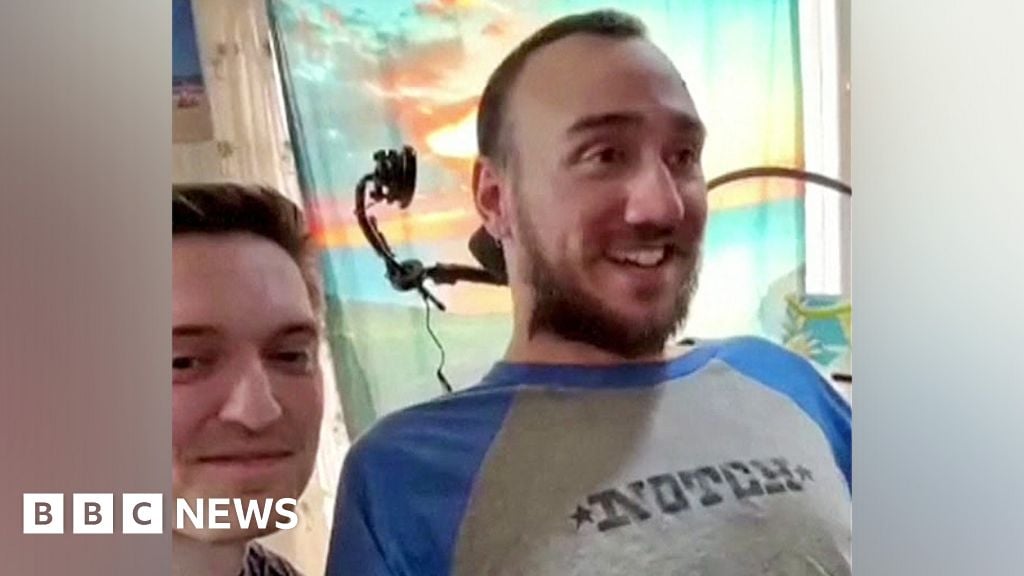
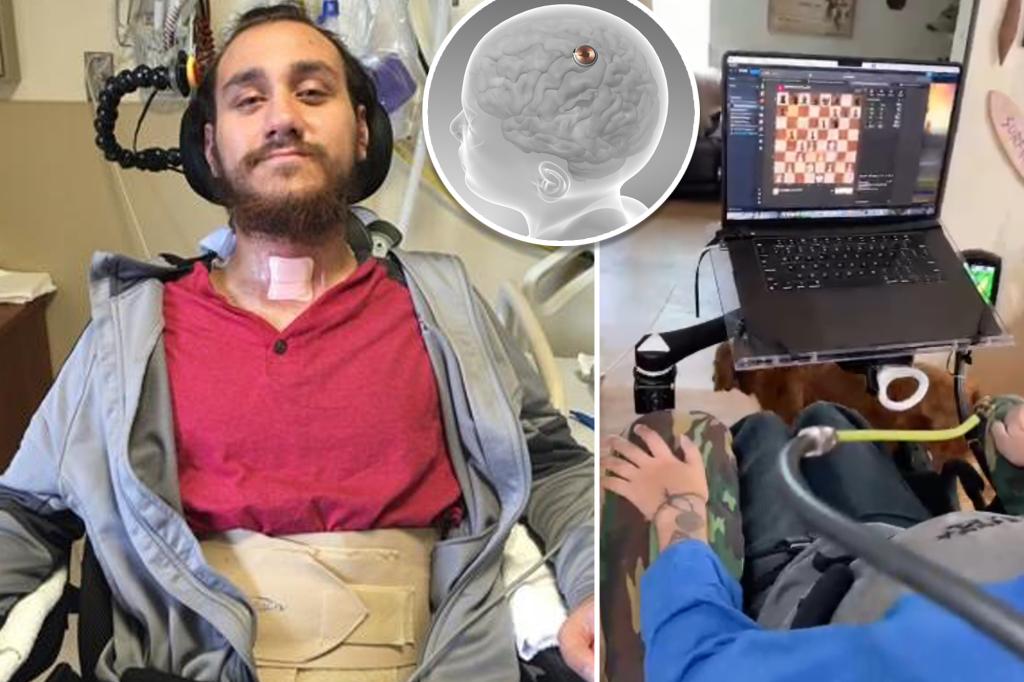
Noland Arbaugh, a patient paralyzed from the shoulders down, demonstrated playing chess online using a brain implant from Neuralink, controlled by imagining the cursor movement, in a livestream alongside Neuralink's software lead Bliss Chapman.
Noland Arbaugh, a quadriplegic man, became the first person to have a Neuralink computer chip implanted in his brain, allowing him to move a computer cursor with his thoughts. During a live stream, he demonstrated how he uses the brain-computer interface to play online chess and control a music stream. The chip contains 1,000 electrodes that gather data about neural activity and movement intention, enabling Arbaugh to control the cursor by simply imagining its movement. While acknowledging that the technology is a work in progress, Arbaugh expressed excitement about the life-changing potential of the chip, despite encountering some challenges.