Scientists in China discovered 22 new viruses in bat kidneys, including two related to deadly human-infecting viruses Nipah and Hendra, highlighting the importance of monitoring animals near humans to prevent potential pandemics, although these new viruses currently pose no direct threat to humans.
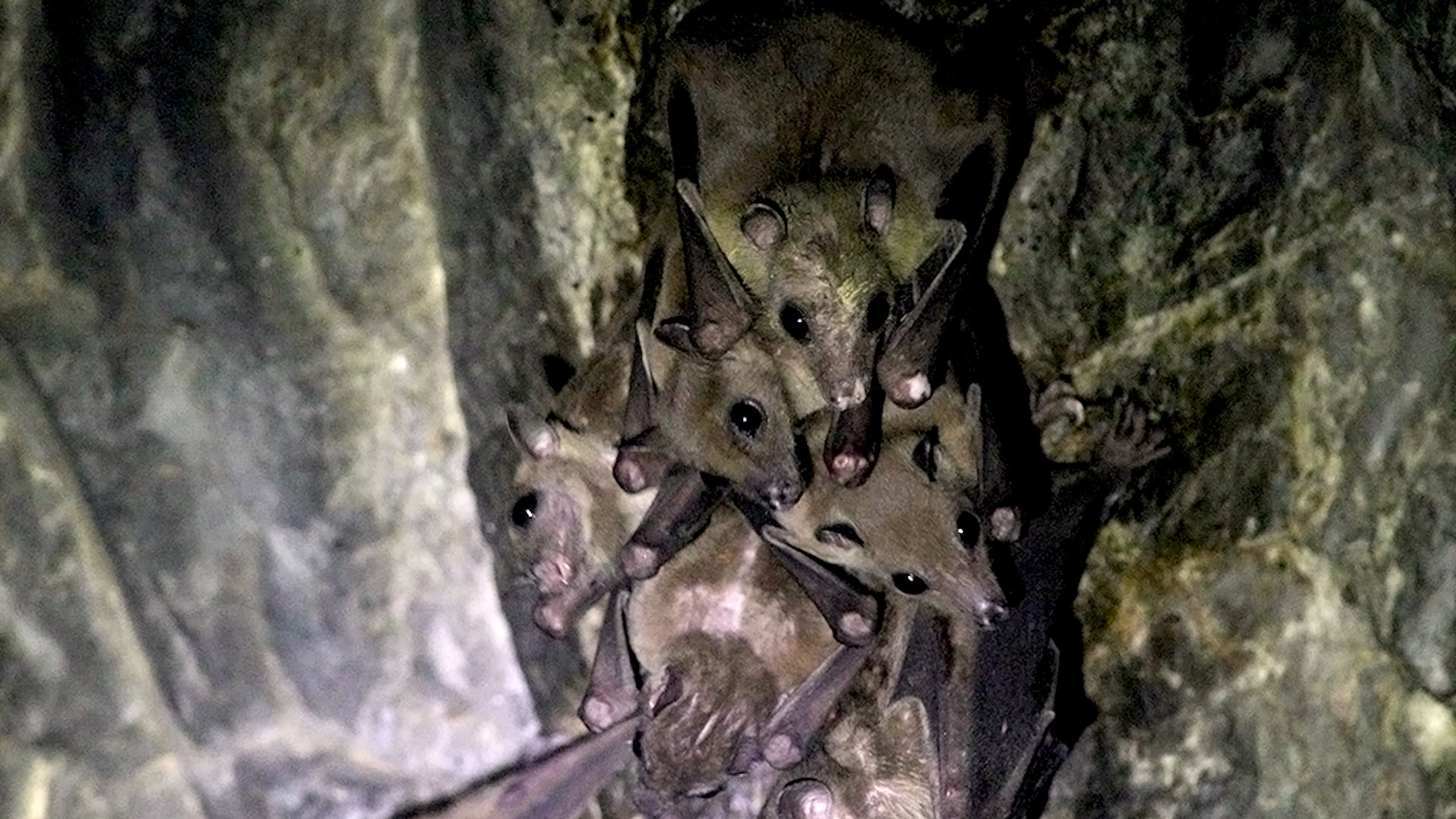
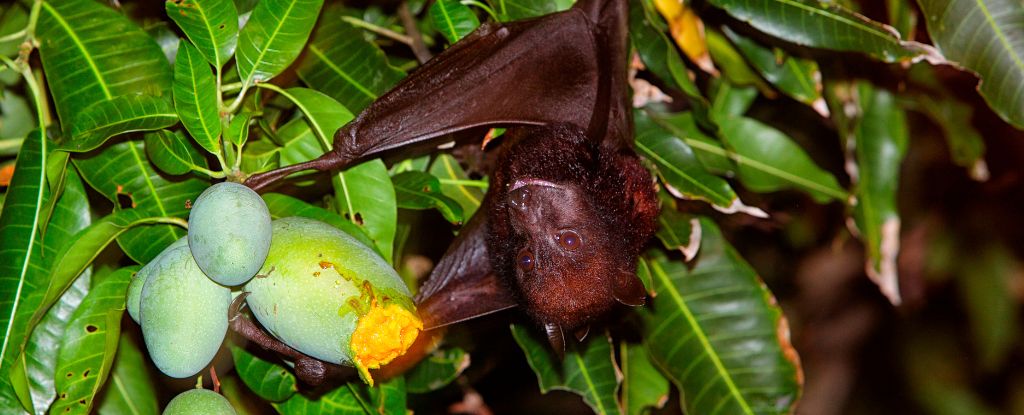
Scientists in China discovered multiple new viruses in bats living in fruit orchards, including two related to deadly Nipah and Hendra viruses, raising concerns about potential spillover to humans, though further research is needed to assess actual risk.
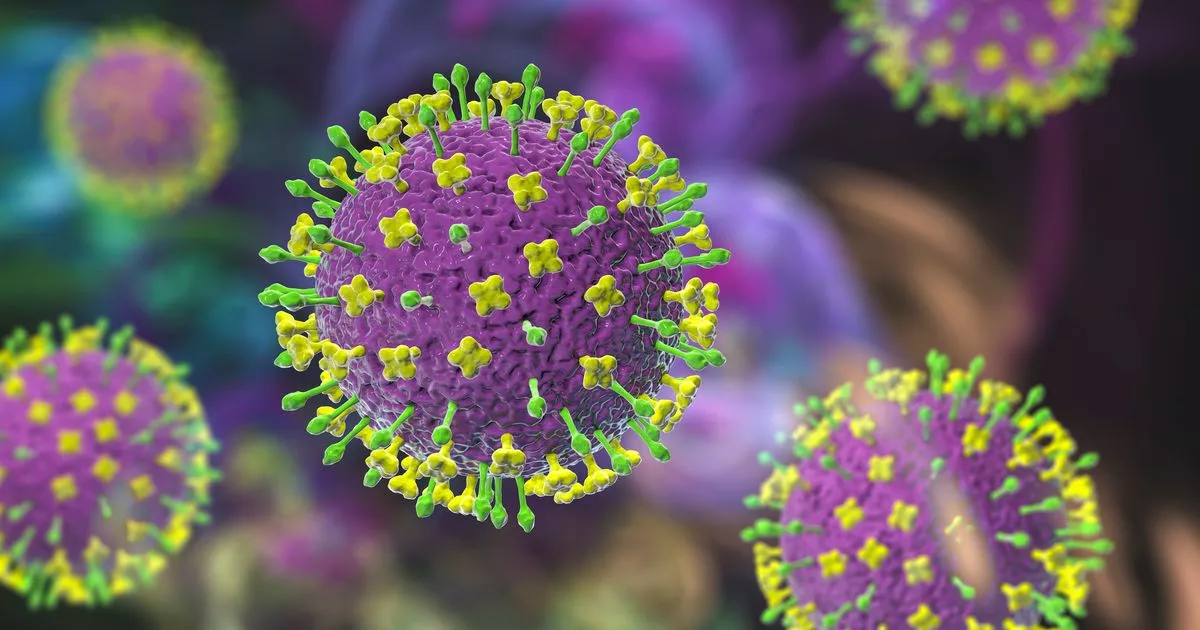
Scientists have identified a paramyxovirus, such as Nipah, as a potential cause for the next global pandemic, which they warn could be far deadlier than Covid-19. Paramyxoviruses, including mumps and measles, are highly infectious and have the ability to mutate and infect humans. The Nipah virus, for example, has a mortality rate of 40-75%, compared to 1% for Covid-19. Experts believe that paramyxoviruses are faster at spreading between humans, making them a significant threat. The World Health Organization has already prioritized Nipah and related viruses as top-priority pathogens. Developing vaccines for paramyxoviruses is challenging due to the high fatality rate among those infected.