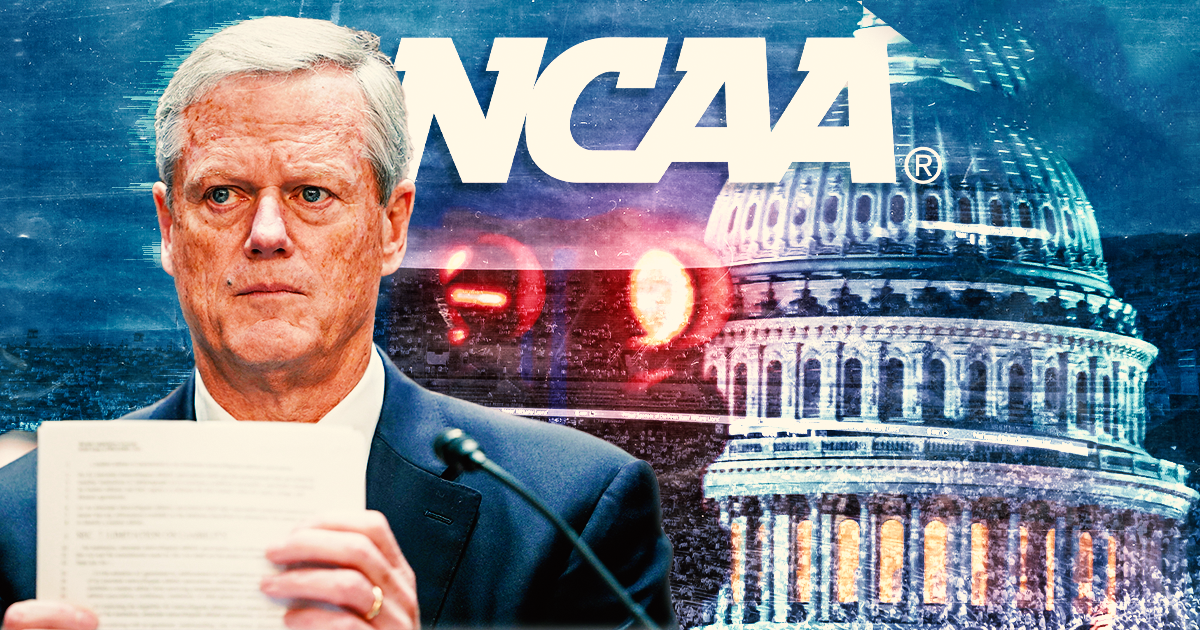
Bipartisan legislation called the College SPORTS Act has been introduced in Congress to support college athletes' rights, including federal preemption of state laws, protections for athletes' scholarships, and agent regulations, amid a broader push for federal standards in college sports following a recent NCAA settlement on revenue sharing.
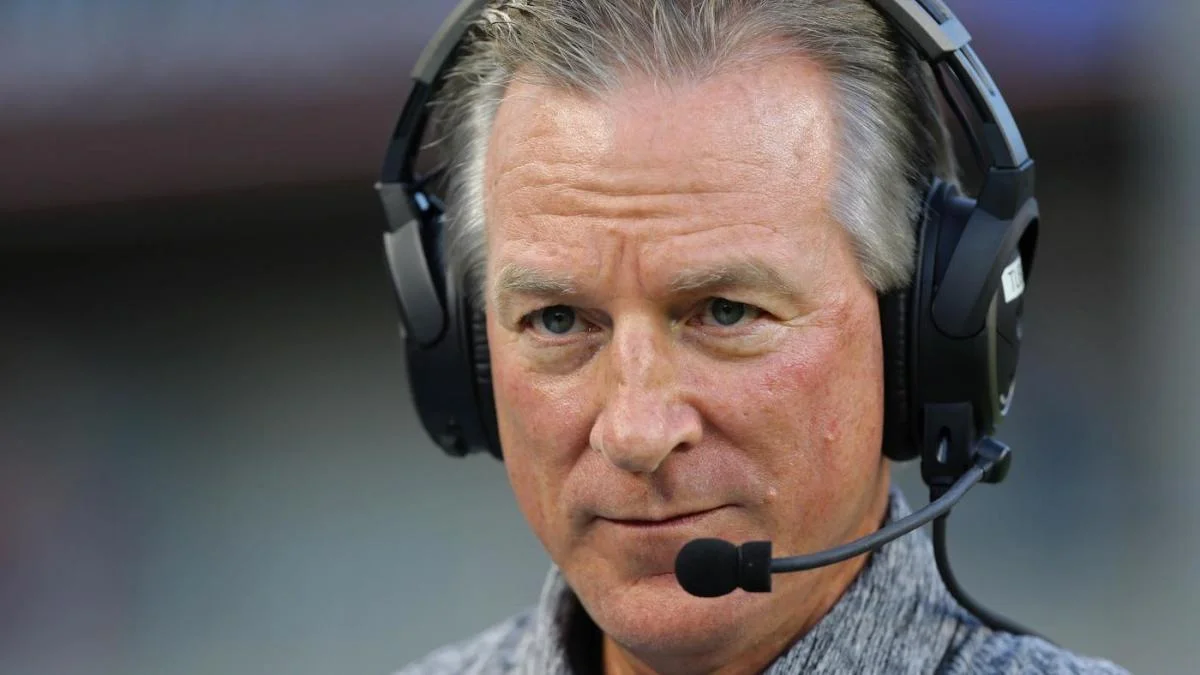
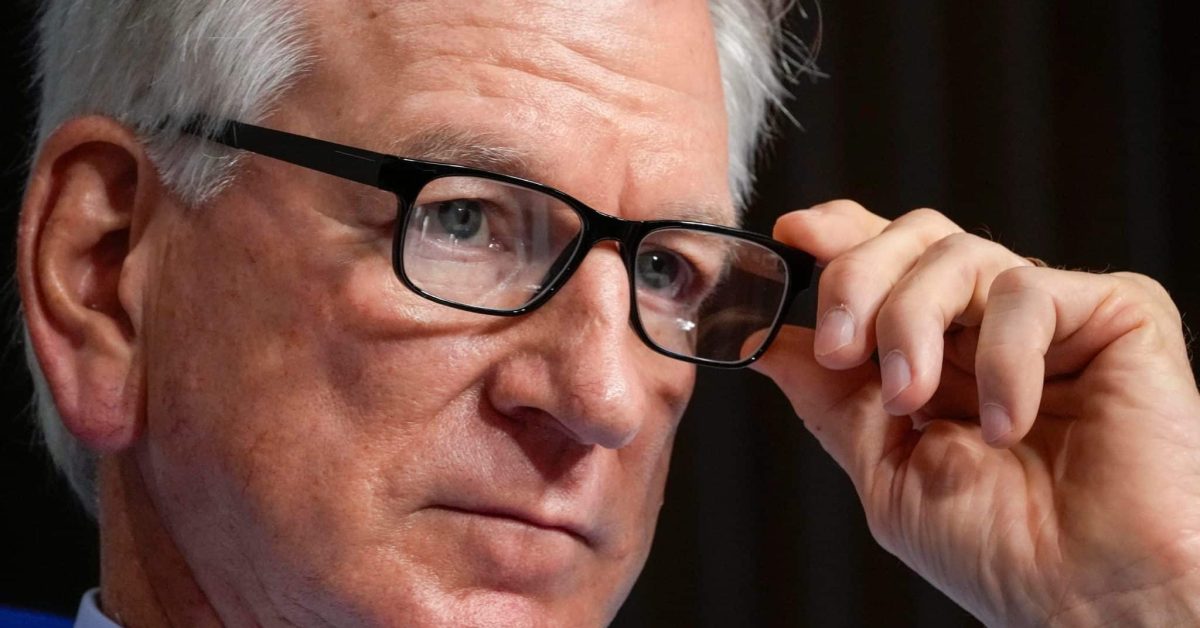
Sen. Tommy Tuberville criticized Indiana University's football success, attributing their undefeated season to "buying a team" through transfers, a practice now legal under Name, Image, and Likeness (NIL) rules. Tuberville, a former college coach, has been involved in NIL legislation and expressed concerns about the lack of enforceable contracts in college sports. He advocates for penalties for players who break contracts and opposes unionizing college athletes. Tuberville plans to work with Sen. Ted Cruz on future college athletics legislation.
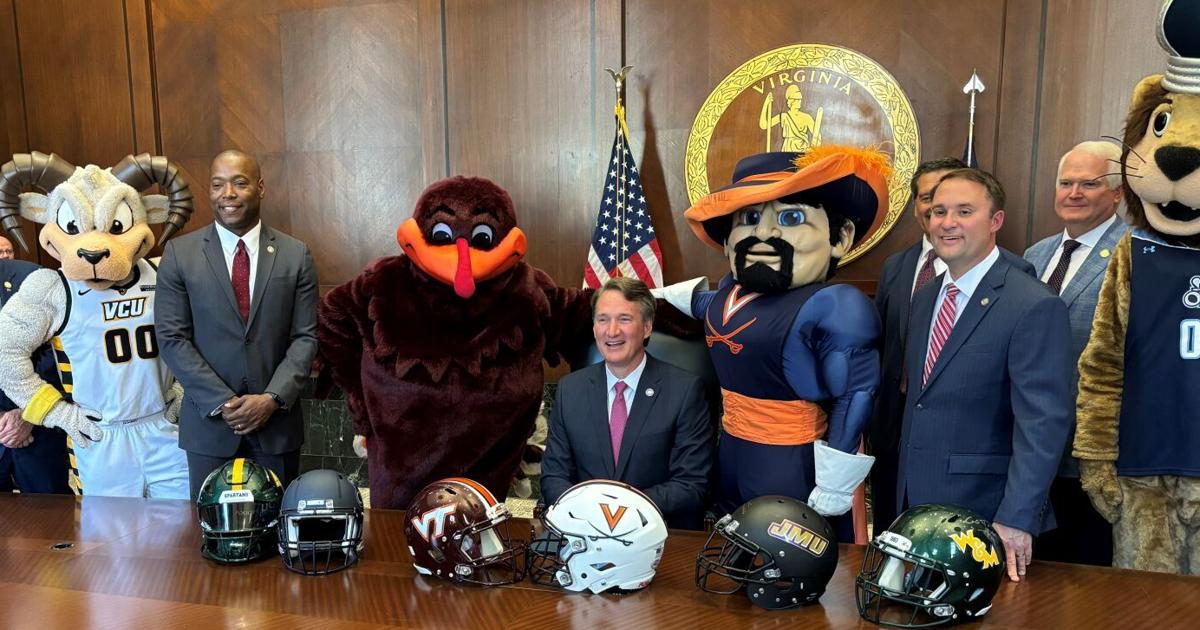
Virginia governor Glenn Youngkin signed a groundbreaking NIL legislation allowing Virginia universities to provide athletes with name, image, and likeness compensation, overriding NCAA restrictions and potentially setting a national standard. The bill, effective July 1, prohibits penalties from the NCAA or any governing body for such activities. The move is seen as a step towards a federal solution for college athletics, with Virginia's universities and colleges managing the program. While the law provides flexibility, schools' governing boards must approve NIL changes before implementation, and there is hope for more communication and flexibility between all involved entities. The NCAA faces legal challenges and scrutiny over its policies on athletes' NIL rights, and Virginia's law could potentially become a national blueprint.
Former Auburn coach and current U.S. Senator Tommy Tuberville shared that he wasn't surprised by Nick Saban's retirement, citing Saban's disappointment with the direction of college football and the impact of NIL legislation on coaches' control. Tuberville noted that their era in college football focused on discipline and education, but the influx of money has changed the landscape. While he thought Saban might continue for another year or two, Tuberville acknowledged Saban's decision and mentioned his involvement in various business deals.